


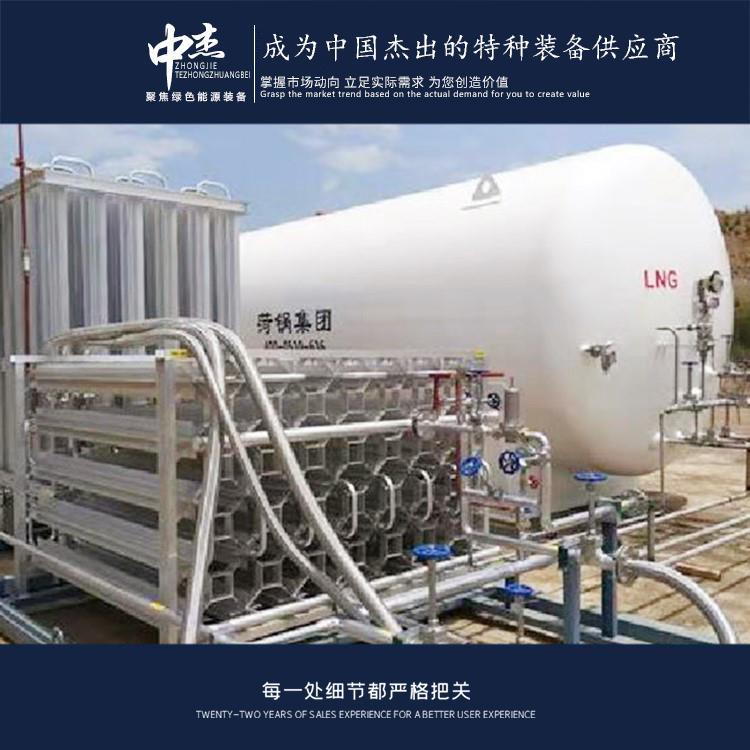

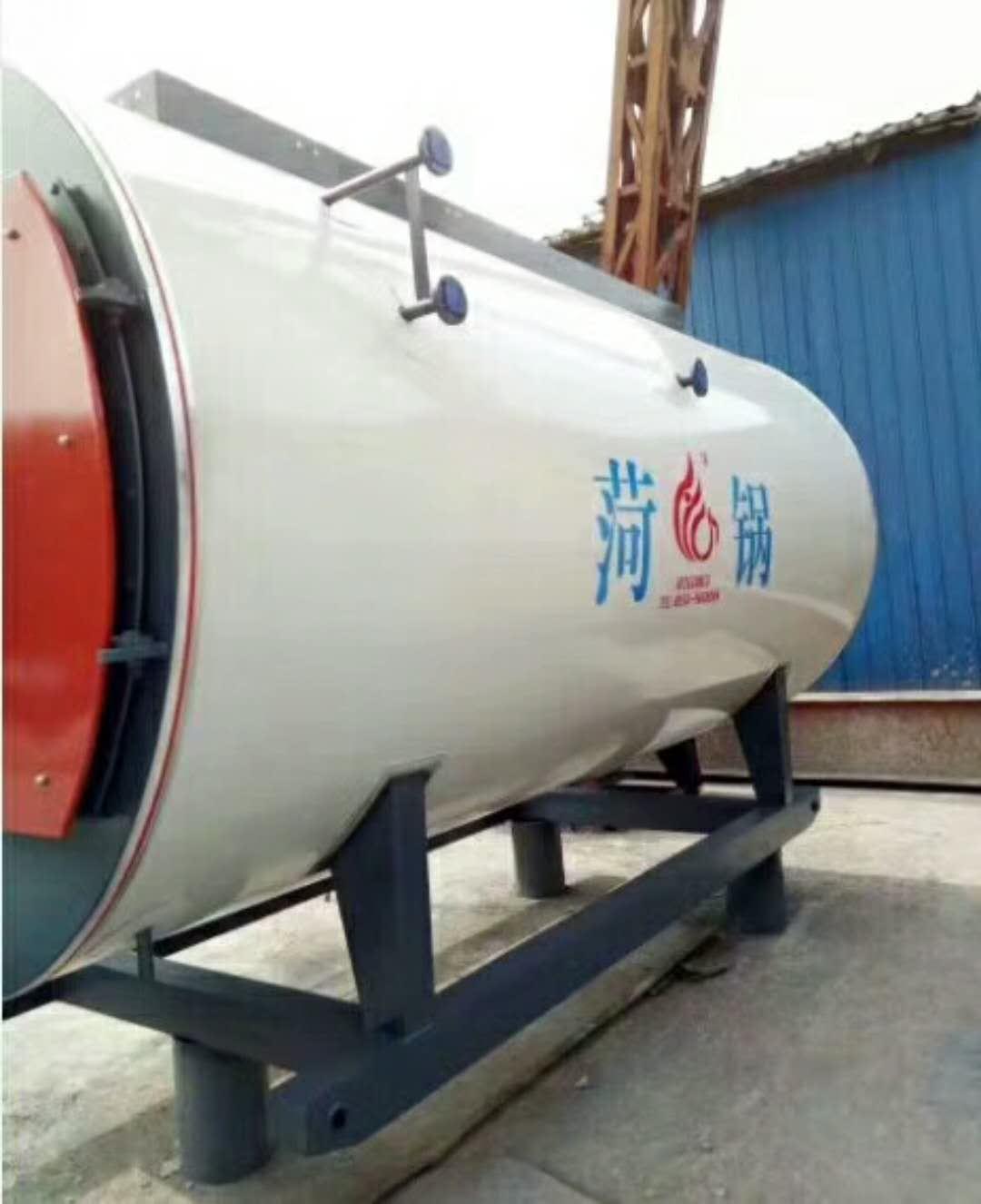
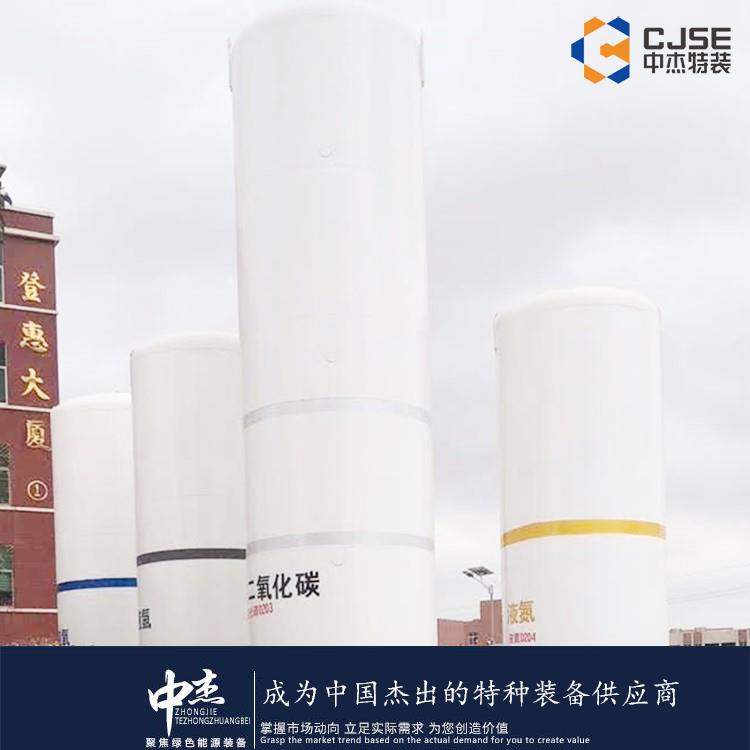


















Shandong Zhongjie Special Equipment (formerly Heze Boiler Factory Co., Ltd.) was established in 2001, located at No. 2218 Jinnan Road, Economic and Technological Development Zone, Heze City. With a registered capital of 50 million yuan and total assets of 500 million yuan, the company has 7 business centers: boilers, deep-freezing containers, pressure vessels, central air conditioning, engineering installation, international trade, and the Internet of Things. It has three factory areas on Jinnan Road, East Changjiang Road, and Bohai Road, covering a total area of 200,000 square meters, with the main workshop spanning 83,000 square meters. It currently employs 710 people, including 247 engineering and technical staff and 82 intermediate-level technicians. In December 2016, it was recognized as a "High-Tech Enterprise" by the Science and Technology Department. In June 2021, it was identified as a "Specialized and New Enterprise in Shandong Province" by the Department of Industry and Information Technology. In June 2022, it was recognized as a "Gazelle Enterprise in Shandong Province" and in August 2022, it was identified as a "Specialized and New Small Giant Enterprise" by the Ministry of Industry and Information Technology.
During the welding process of low-temperature liquid storage tanks, controlling the occurrence of welding cracks is crucial. The following are some methods and measures for controlling welding cracks:
Appropriate Welding Techniques: Select the appropriate welding process and parameters to minimize welding heat input and thermal stress. Methods with low heat input, such as pulse welding and laser welding, can reduce the temperature gradient and residual stress in the heat-affected zone.
Preheating and Post-heat Treatment: Perform an appropriate preheating before welding to enhance material toughness and reduce thermal stress. After welding, carry out a suitable post-heat treatment, such as annealing or stress-relief heat treatment, to minimize residual stress and improve the toughness of the weld.
Select appropriate welding materials: Choose welding materials with good toughness and crack resistance to minimize the occurrence of welding cracks. Select the appropriate welding materials based on the storage tank's usage conditions and requirements, such as low-alloy steel, stainless steel, etc.
Control Welding Process: Regulate parameters and operations during the welding process to minimize the risk of welding cracks. Pay attention to factors such as welding speed, current, voltage, and welding sequence to avoid overheating or rapid welding, thereby reducing the accumulation of thermal stress and residual stress.
Inspection and Evaluation: Conduct non-destructive testing on weld seams post-welding, such as ultrasonic testing, X-ray testing, etc., to assess welding quality and the presence of cracks. Detect and repair welding cracks promptly to ensure the integrity and safety of the weld joints.
It's important to note that controlling welding cracks is a complex process requiring a comprehensive consideration of factors such as materials, welding techniques, and operations. When welding low-temperature liquid storage tanks, it's advisable to consult with a welding engineer or relevant institutions for guidance to ensure welding quality and tank safety.
One of the common drawbacks of pressure vessels during use is corrosion. Corrosion refers to the reaction between the metal surface and chemical substances in the environment, leading to damage to the metal surface and thinning of the material. The following are common corrosion drawbacks of pressure vessels:
Pitting Corrosion: Pitting corrosion refers to localized pits or holes appearing on the surface of metal. This type of corrosion is usually caused by corrosive substances present in the local environment, such as acids, salts, etc.
Bacterial Corrosion: Bacterial corrosion is a type of corrosion caused by microorganisms. These organisms can form biofilms inside pressure vessels, producing acidic substances that lead to corrosion of the metal surface.
Punch Corrosion: Punch corrosion refers to a penetrating corrosion phenomenon on the metal surface. This type of corrosion usually occurs due to the damage or defect of the protective layer on the metal surface, allowing corrosive substances to come into direct contact with the metal.
Stress Corrosion Cracking: Stress corrosion cracking occurs when a metal surface is subjected to both stress and a corrosive environment, leading to the formation and propagation of cracks. This type of corrosion is commonly found in pressure vessels under high stress and corrosive conditions.
Corrosion can lead to material thinning and reduced strength in pressure vessels, even causing severe consequences such as leaks or ruptures. Therefore, to address the corrosion issues in pressure vessels, the following measures should be taken:
Regularly inspect and evaluate the corrosion of pressure vessels, including visual inspections and non-destructive testing methods.
Implement corrosion prevention measures such as coating protection, cathodic protection, and selecting appropriate materials to minimize corrosion occurrence and progression.
Regularly clean and maintain pressure vessels to remove dirt and impurities that may cause corrosion.
Comply with relevant safety regulations and operational guidelines to ensure the safe and proper operation of pressure vessels.
For severely corroded pressure vessels, repairs or replacements may be necessary to ensure their safety and reliability.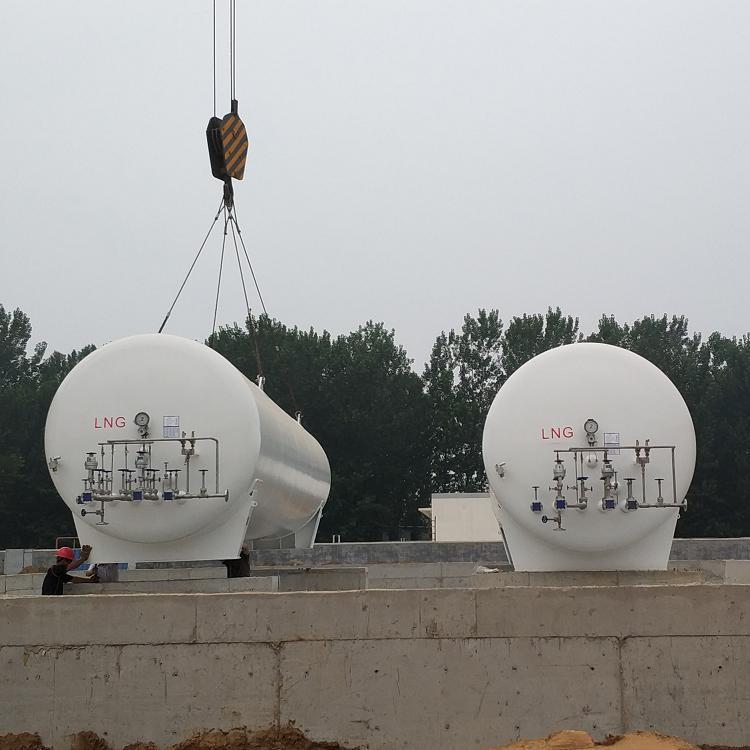
The reasons for not leaving a liquid oxygen tank idle for extended periods are mainly as follows:
Evaporation loss of liquid oxygen: Liquid oxygen has a low boiling point, and prolonged storage without use will cause it to continuously evaporate, resulting in a loss of liquid oxygen within the storage tank. The evaporation rate of liquid oxygen is relatively fast, with daily evaporation amounts potentially reaching several percent of the tank's capacity, leading to waste over time if left unused for extended periods.
Safety Risk: Liquid oxygen is a strong oxidizer with high flammability and explosive properties. Long-term empty storage of liquid oxygen tanks increases the opportunity for contact between the liquid oxygen and the surrounding environment, thereby increasing the risk of accidental fires and explosions.
Risk of Storage Tank Damage: Long-term emptying of liquid oxygen storage tanks may lead to internal oxidation reactions, accelerating corrosion and damage to the tank. Tank damage can affect its sealing performance and structural integrity, increasing the risk of leaks and safety accidents.
Therefore, to ensure the safe storage and effective use of liquid oxygen, liquid oxygen tanks should be regularly maintained and serviced to prevent long-term idleness. When the tank is not in use, appropriate measures should be taken, such as sealing the tank and reducing evaporation of liquid oxygen, to minimize loss of liquid oxygen and safety risks.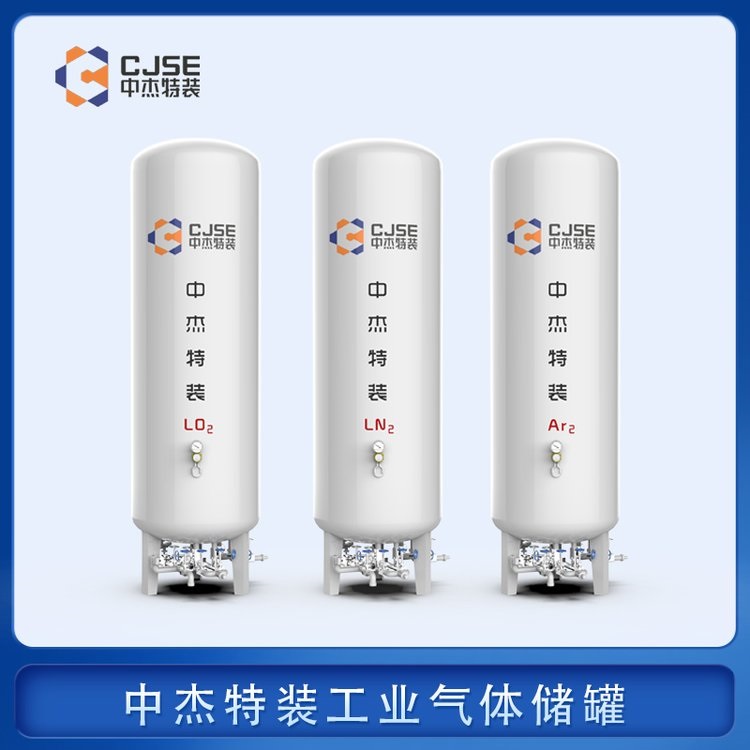
The normal pressure range for liquid oxygen tanks typically falls between 2-5 bar. This range refers to the internal oxygen pressure within the tank, which is necessary to maintain the liquid state of the oxygen. The design and manufacturing of liquid oxygen tanks should comply with relevant standards and specifications to ensure the tank can safely withstand this pressure range under normal operating conditions. It is important to note that the pressure of the liquid oxygen tank can be affected by various factors, such as the temperature of the liquid oxygen, the tank's design, and materials. In actual use, the normal pressure range of the tank should be determined based on specific tank design and operational requirements, and operations and maintenance should follow relevant regulations and standards. Additionally, liquid oxygen tanks should be equipped with pressure control devices, such as pressure valves or pressure relief devices, to ensure the internal pressure remains within a safe range. These devices can automatically release gas when the pressure exceeds the set value, protecting the tank's safety. Regular inspection and maintenance of these pressure control devices should be conducted to ensure their proper functioning when using liquid oxygen tanks.
Shandong Zhongjie Special Equipment, welcome customers to our factory for business discussions.
WeChat Official Account

Scan to follow Official Account



















