


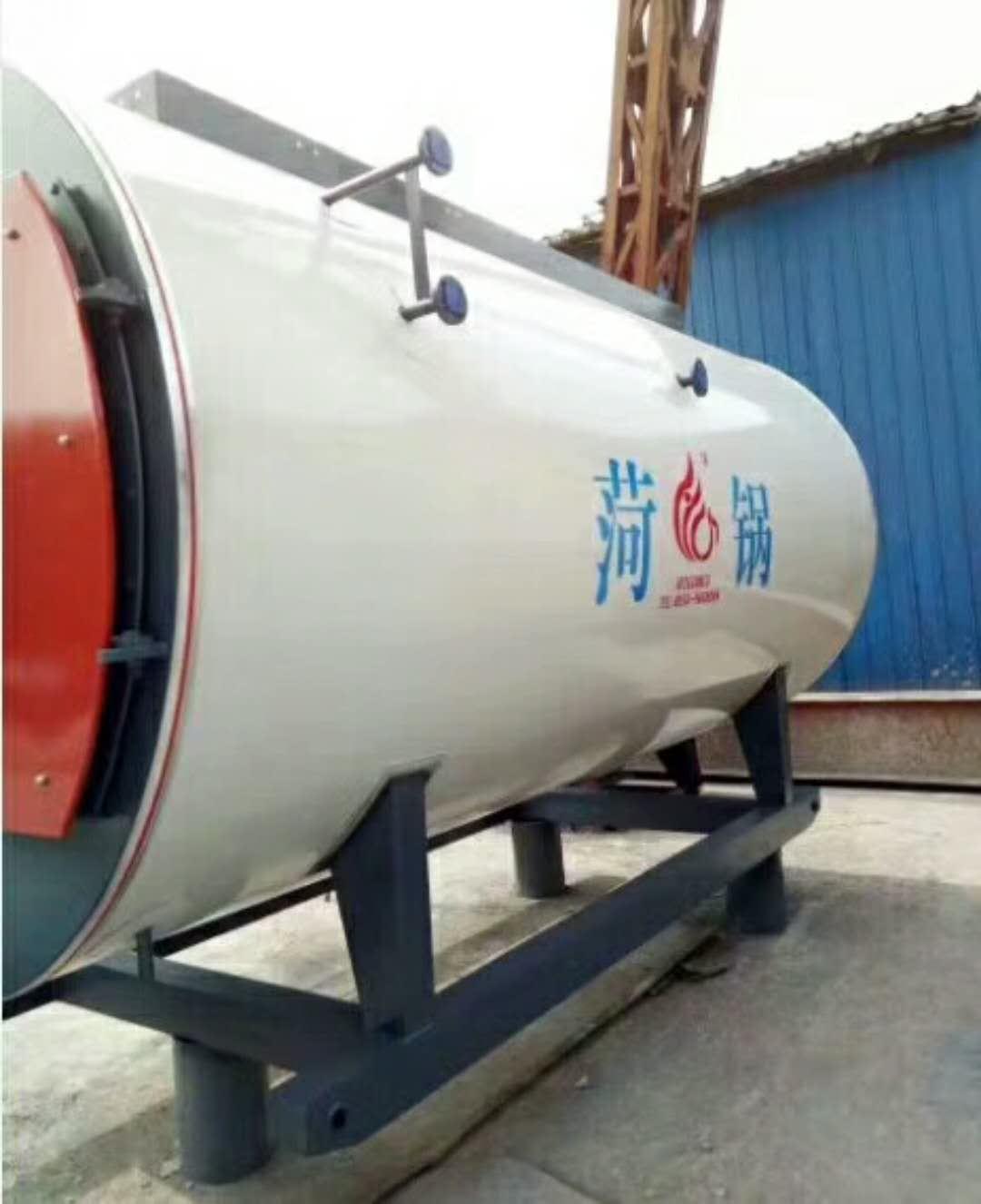

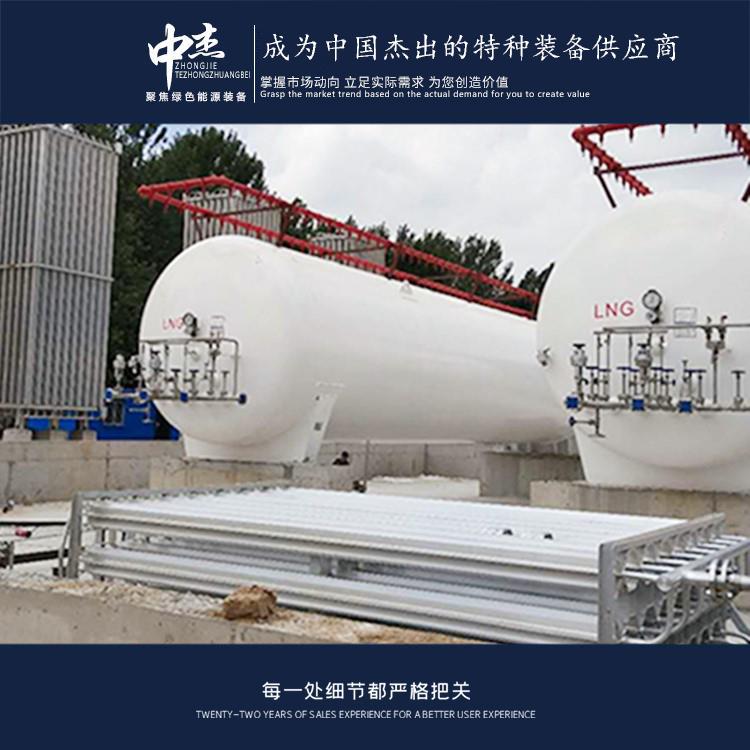
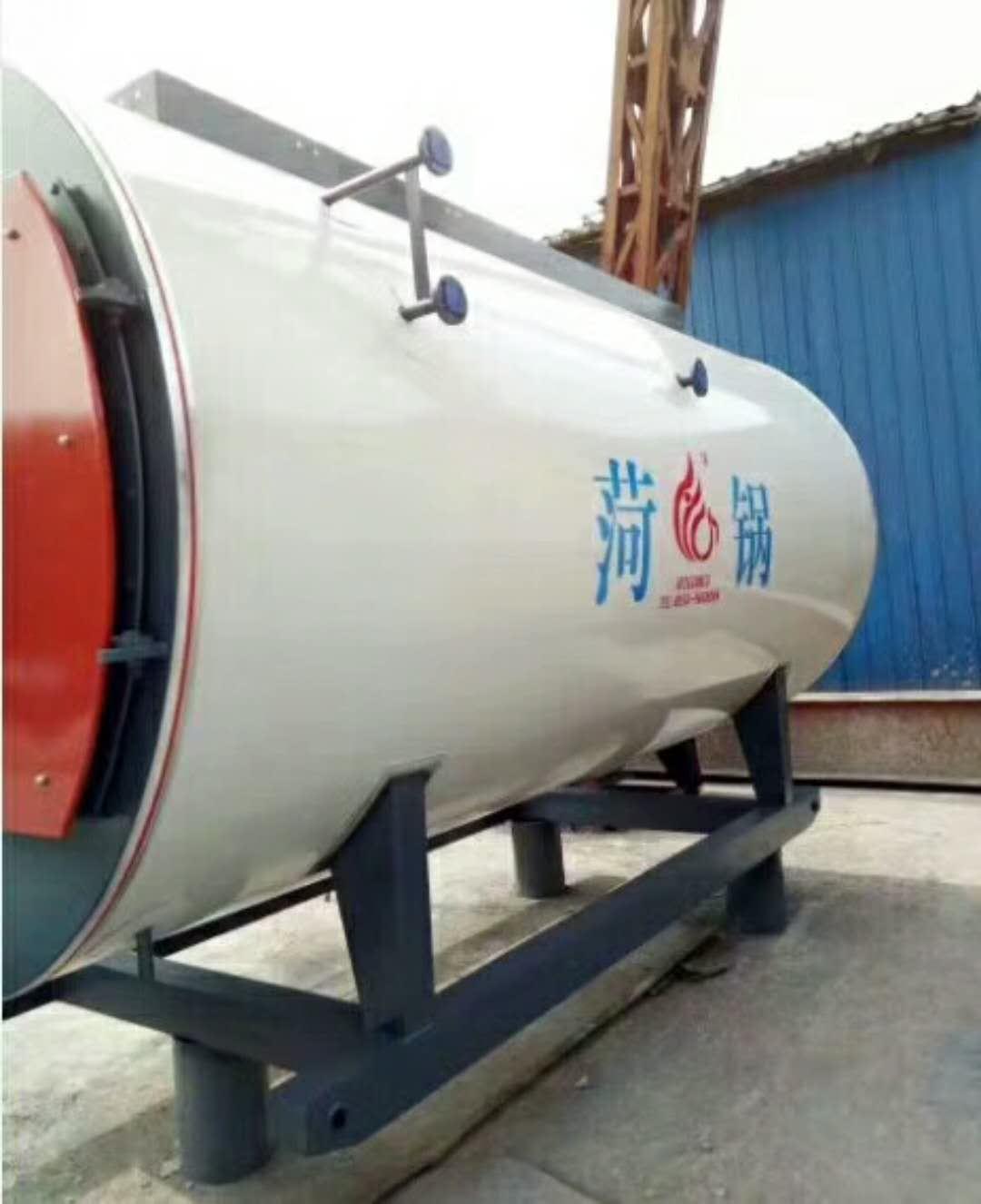


















Shandong Zhongjie Special Equipment (formerly Heze Boiler Factory Co., Ltd.) holds an A-grade boiler manufacturing license, an A2-grade pressure vessel manufacturing license, an A2-grade pressure vessel design license, a B-grade boiler installation license, and GB2/Class, GC2/Class pressure pipeline installation licenses, as well as an equipment and machinery installation contracting qualification. It is a member of the China Boiler and Water Treatment Association, the China Chemical Equipment Association, and the director unit of the Shandong Equipment Manufacturing Association. The company has also passed the ISO9001 Quality Management System, ISO14001 Environmental Management System, OHSAS18001 Occupational Health and Safety Management System certifications, and the American ASME/U2 certification.
The safety distance for liquid oxygen tanks refers to the distance that must be maintained around the tank to ensure the safety of personnel and equipment. The specific requirements for safety distances may vary depending on different regions and application sites. Here are some common principles for safety distances:
Buildings and Equipment: Liquid oxygen tanks should be kept at a certain safe distance from buildings, equipment, and other tanks to prevent the spread of fires, explosions, and leaks. The specific safety distance requirements should be assessed and determined according to local regulations and standards.
Fire and Heat Sources: Liquid oxygen is highly oxidizing and can easily cause fires and explosions. Therefore, liquid oxygen tanks should be kept at a sufficient safe distance from fire and heat sources and flammable materials to prevent fires and explosions.
Ventilation and Exhaust: Good ventilation and exhaust should be maintained around liquid oxygen tanks to prevent the accumulation of evaporated liquid oxygen and the formation of explosive mixtures. The design and operation of the ventilation and exhaust system should comply with relevant safety standards and specifications.
Personnel and Traffic: Personnel and traffic around liquid oxygen tanks should be restricted and controlled to ensure personnel safety and the normal operation of the tank. Warning signs, safety fences, and restricted areas should be established to prevent unauthorized personnel from entering the tank area.
It is important to note that the safety distance for liquid oxygen tanks should be assessed and determined based on the specific application site and safety requirements. When designing, installing, and operating liquid oxygen tanks, relevant regulations, standards, and safety guidelines should be followed to ensure the safety and reliability of the tank.
The manufacturing materials for liquid oxygen tanks typically require excellent low-temperature resistance and corrosion resistance. Common materials used in the construction of liquid oxygen tanks include:
Stainless Steel: A commonly used material for liquid oxygen storage tanks, stainless steel boasts excellent corrosion resistance and mechanical strength. Common stainless steel grades include 304 and 316.
Aluminum Alloy: Aluminum alloys are also commonly used in the construction of liquid oxygen tanks, offering low density and excellent corrosion resistance. Common materials include 5083 aluminum alloy and 6061 aluminum alloy.
Fiberglass Reinforced Plastic (FRP): FRP is a composite material made up of glass fibers and resin. It boasts excellent corrosion resistance and mechanical strength, making it suitable for liquid oxygen storage tanks in some specialized environments.
Carbon Steel: Carbon steel is a common material used in tank fabrication, known for its high strength and corrosion resistance. However, it is prone to oxidation in liquid oxygen environments, necessitating anti-corrosion measures.
It's important to note that the choice of material for liquid oxygen storage tanks should be determined based on specific application requirements, working conditions, and safety standards. When selecting materials, consider the properties of liquid oxygen and the design requirements of the tank to ensure safety and reliability. Additionally, manufacturers and suppliers often provide material selection recommendations and technical support.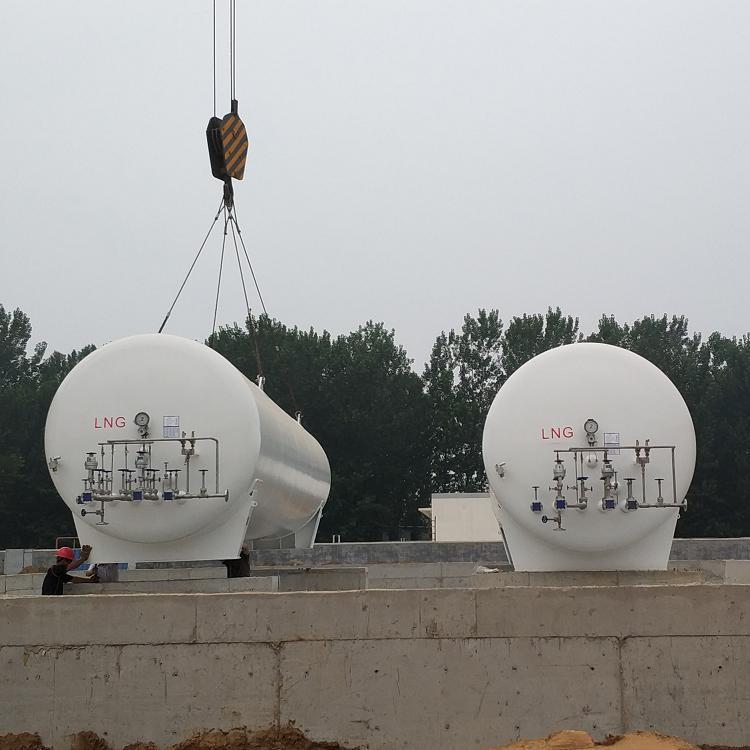
To maintain the stability of liquid argon tanks, the following details need to be considered:
Basic Design: The foundation design of the tank must comply with relevant standards and specifications to ensure stability and load-bearing capacity. The foundation should possess sufficient strength and seismic resistance to withstand external forces and natural disasters such as earthquakes.
Foundation Construction: During the foundation construction process, it is essential to ensure the foundation's levelness and evenness to avoid any tilting or uneven settlement. Additionally, the concrete pouring of the foundation should comply with construction specifications, ensuring the quality and strength of the concrete.
Installation Process: During the installation of the tank, appropriate lifting equipment and safety measures must be used to ensure the tank is vertically installed and stable. Avoid剧烈 vibrations and collisions during the installation to prevent damage or deformation to the tank.
Support Structure: The support structure of the tank should be designed reasonably to ensure the stability and load-bearing capacity of the tank. It should be made of sturdy materials and utilize appropriate connection methods to withstand external forces and the pressure from the liquid inside the tank.
Safety Devices: Tanks should be equipped with safety devices such as pressure relief valves and level alarms to ensure timely measures can be taken in abnormal situations, ensuring the safety of the tank.
Regular inspections and maintenance: Conduct regular checks and maintenance on liquid argon tanks, including visual inspections, pressure tests, leak detection, and as required, non-destructive testing and material analysis. Promptly identify and address any issues with the tanks to ensure their stability and safety.
Note that the installation of liquid argon tanks should be carried out by experienced personnel and in accordance with relevant safety operation procedures and standards. During the installation process, strictly follow the manufacturer's installation guidelines and requirements to ensure the tank's stability and safety.
When storing liquid nitrogen in low-temperature storage tanks, please note the following:
Protective Gear: When operating low-temperature storage tanks, it is mandatory to wear appropriate protective gear, including protective gloves, suits, and non-slip shoes. This equipment safeguards the skin from the low temperatures of liquid nitrogen and other hazards.
Avoid Direct Contact: Liquid nitrogen is extremely cold and can cause chilling. Therefore, direct contact with liquid nitrogen should be avoided, especially with the skin. Use tools or implements for handling to prevent hand contact with liquid nitrogen.
Ventilation Requirements: In the operation area of low-temperature storage tanks, adequate ventilation must be ensured to expel gases produced by the evaporation of liquid nitrogen. Maintain air circulation to avoid excessive oxygen concentration and reduce the risk of fire and explosion.
Prevent Leaks: Regularly inspect low-temperature storage tanks for leaks and equip them with leak detectors and alarm systems. In case of a leak, take immediate action to control and repair it. Avoid harm to personnel and the environment due to nitrogen liquid leaks.
Fire Prevention Measures: Liquid nitrogen has a low boiling and freezing point, which is prone to fire. Measures such as setting up firewalls around low-temperature storage tanks and using fire-retardant coatings are taken to prevent fires from occurring and spreading.
Static protection: The accumulation of static electricity in low-temperature tanks may cause sparks, increasing the risk of fire. Measures such as using static-conductive materials and anti-static equipment should be taken to reduce the accumulation and release of static electricity.
Regular inspections and maintenance: Conduct regular checks on the status of low-temperature storage tanks and related equipment, including valves, pipelines, pressure gauges, etc. Ensure the equipment is in perfect condition and promptly repair or replace any damaged parts.
Waste Gas Treatment: Low-temperature storage tanks generate waste gas during operation, and appropriate waste gas treatment measures must be implemented to minimize environmental impact.
Above are the precautions to be taken when storing liquid nitrogen in a low-temperature storage tank, ensuring safe operation and normal functioning of the tank. During the operation, strict adherence to relevant operational procedures and safety requirements should be maintained to avoid accidents.
Shandong Zhongjie Special Equipment, welcome customers to visit our factory for business discussions.
WeChat Official Account

Scan to follow Official Account



















