


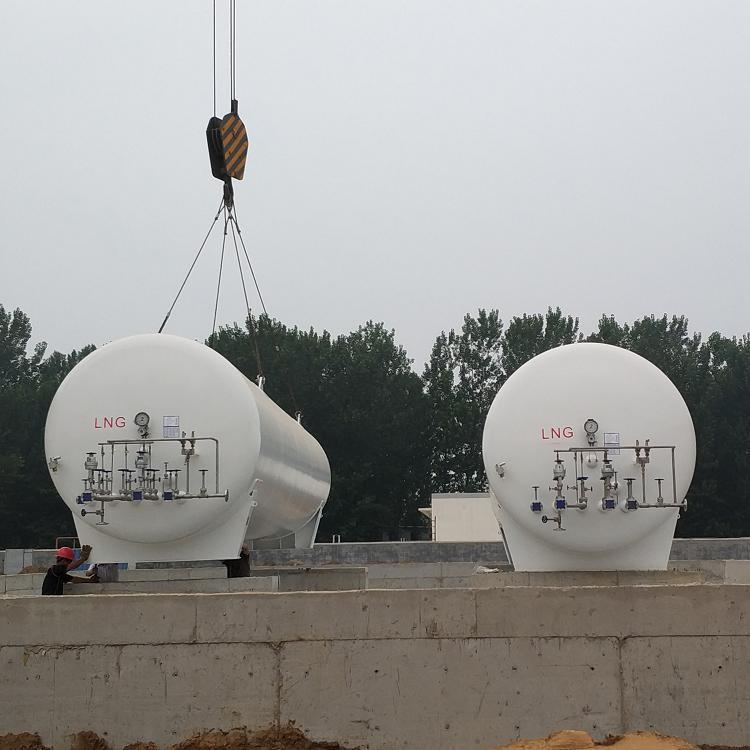

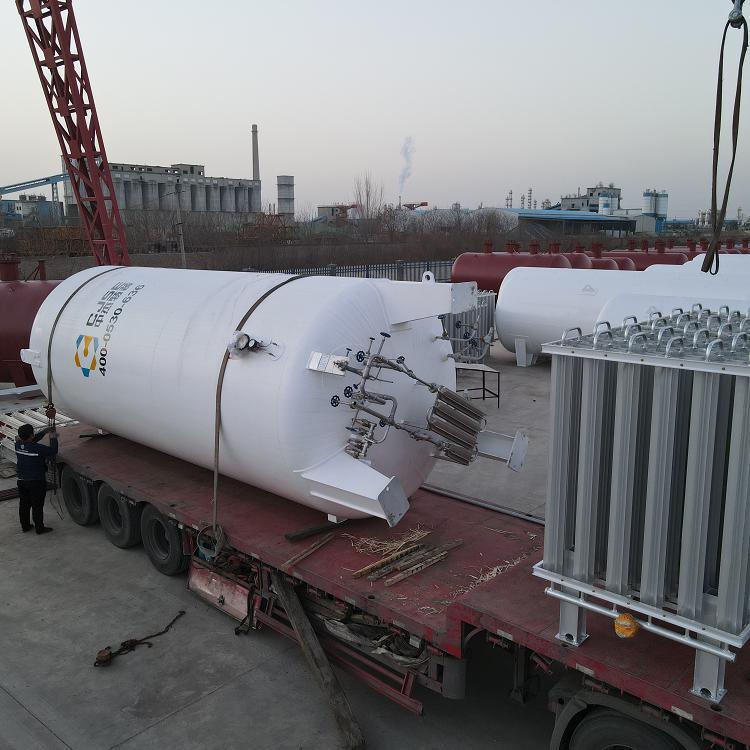
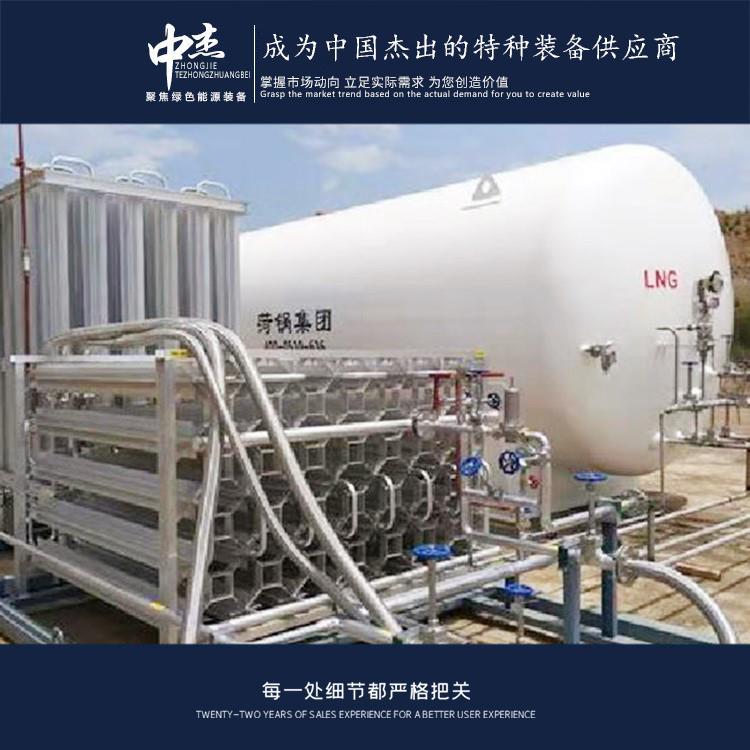


















Shandong Zhongjie Special Equipment's main products include: fuel (gas) boilers, organic heat carrier boilers, biomass boilers, waste heat recovery boilers, and other boiler products; vacuum insulation cryogenic pressure vessels such as LNG storage tanks, oxygen/nitrogen/argon storage tanks, and CO2 storage tanks; pressure vessel products such as denitrification engineering equipment, heat storage and energy storage equipment, and complete chemical equipment sets; central air conditioning and HVAC equipment such as ground (water) source heat pumps, air source units, water-cooled screw units, and air-cooled modular units. Planned products include large-scale energy centers, LNG transport vehicles, LNG tank containers, and other green energy equipment.
Recent years have seen a peak in the development of low-temperature liquid storage tanks due to several factors:
- Increased energy demand: As the economy grows and the population expands, there's a rising need for energy. Low-temperature liquid storage tanks are primarily used for storing liquefied natural gas (LNG), liquid oxygen (LOX), liquid nitrogen (LIN), and other low-temperature liquid energy sources to meet the growing energy needs.
- Greenhouse gas emissions reduction: These tanks can store and transport liquid carbon dioxide (CO2) for carbon capture and storage (CCS) technologies, helping to reduce greenhouse gas emissions. With growing concern for environmental protection and climate change, the demand for low-temperature liquid storage tanks in the CCS field has also surged.
- Industrial development needs: The application of low-temperature liquid storage tanks in the industrial sector is also on the rise. For instance, in industries such as chemicals, pharmaceuticals, food and beverages, there's a need to store and transport low-temperature liquid raw materials or products like liquid nitrogen, liquid oxygen, and liquid ethylene. As these industries develop, so does the demand for low-temperature liquid storage tanks.
- Technological advancement and innovation: In recent years, there have been continuous advancements and innovations in the design, manufacturing, and transportation technologies of low-temperature liquid storage tanks. The application of new materials, optimization of tank structures, and improvements in safety control systems have made these tanks safer and more reliable, further propelling their peak development.
In summary, factors such as increasing energy demand, greenhouse gas emissions reduction, industrial development needs, and technological advancement and innovation have collectively driven the peak development of low-temperature liquid storage tanks in recent years. As related industries and technologies continue to evolve, expectations for these tanks are set to rise.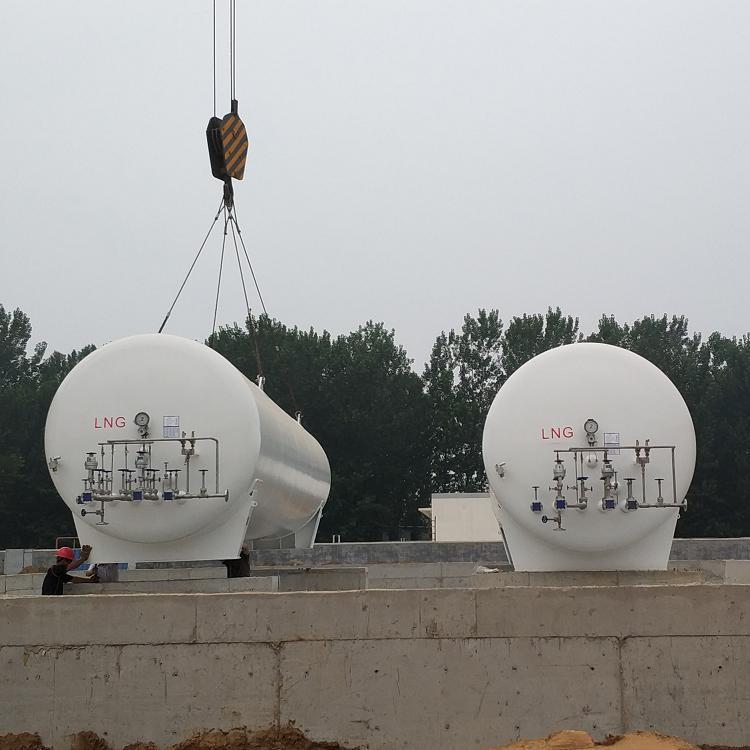
Prior to using the carbon dioxide storage tank, the following preparatory steps must be taken:
- Inspect the tank: Check for any damage, corrosion, or oil leakage on the tank's exterior. Ensure the structural integrity and safety of the tank.
- Check valves and pipes: Verify that the tank's inlet and outlet valves and pipe connections are in good working order with no leaks or loose fittings. Ensure the valves operate smoothly and reliably.
- Inspect safety accessories: Check the tank's safety accessories such as safety valves, pressure sensors, and temperature sensors to ensure they are functioning properly. Confirm that their set parameters meet requirements.
- Inspect the level measurement system: Verify the accuracy and reliability of the level measurement system. Calibrate the level sensors to ensure accurate level readings.
- Check the pressure relief device: Confirm that the tank's pressure relief device (e.g., safety valve) is functioning correctly. Verify that the set pressure of the relief device meets requirements.
- Check gas quality: Ensure the quality of the carbon dioxide gas in the tank meets specifications, with no impurities or contaminants.
- Inspect fire protection equipment: Ensure that fire protection equipment around the tank is in good condition and check that fire extinguishers, sprinkler systems, etc., are operating properly.
- Train operators: Operators should receive training on the characteristics, operation requirements, and safety measures of the carbon dioxide storage tank. Training should include safe operation procedures, leak handling, and emergency measures.
- These preparatory steps ensure the carbon dioxide storage tank is in optimal condition before use, and guarantee the safety and reliability of operations. When performing these preparations, follow relevant safety operating procedures and have them carried out by qualified personnel.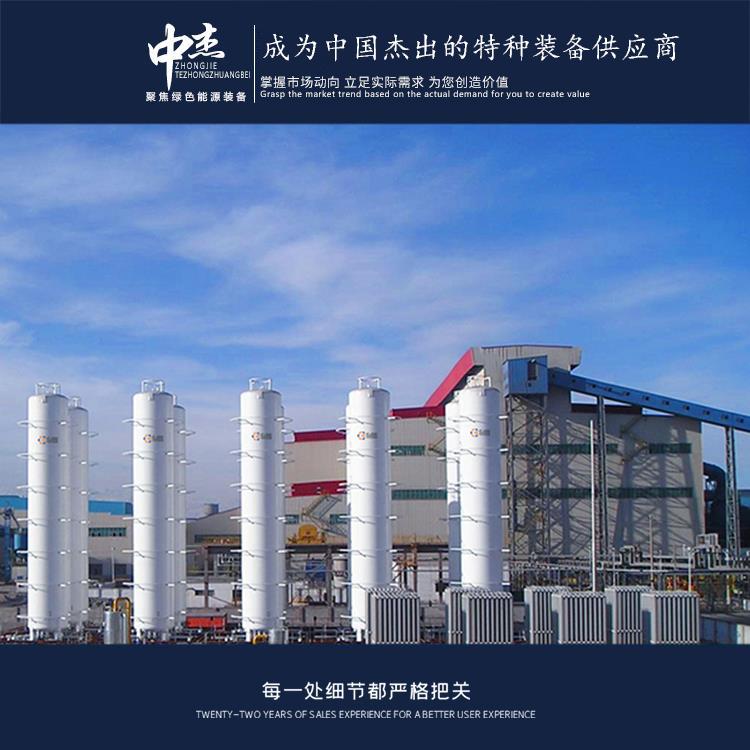
Carbon dioxide (CO2) and liquid oxygen (LOX) storage tanks are devices used for storing different gases, with some physical distinctions:
- Physical State: CO2 is a gas at room temperature and requires low temperatures and high pressures to liquefy. LOX is a liquid at room temperature and can maintain its liquid state without special conditions.
- Storage Temperature: The liquid CO2 storage temperature typically ranges from -40°C to -78.5°C, whereas the liquid oxygen storage temperature usually ranges from -183°C to -183.15°C. The storage temperature for LOX is lower, necessitating more stringent insulation measures.
- Storage Pressure: The liquid CO2 storage pressure usually falls between 5-20 MPa, while the liquid oxygen storage pressure is typically between 0.2-2 MPa. The storage pressure for LOX is lower.
- Density: The density of liquid CO2 is approximately 0.8 g/cm³, while the density of liquid oxygen is about 1.14 g/cm³. The density of liquid oxygen is higher.
- Safety: LOX has a high oxygen content, making it highly flammable and oxidizing, requiring stricter safety measures. CO2 is relatively safe but can still be harmful to humans at high concentrations.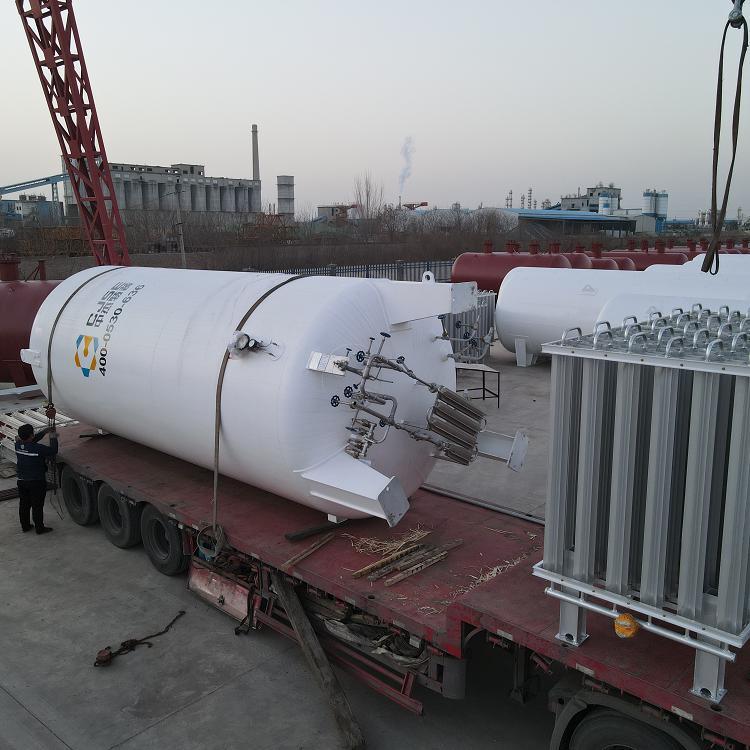
Zhongjie Special Equipment is a company engaged in the manufacturing of low-temperature liquid storage tanks. They offer design, manufacturing, and installation services for low-temperature liquid carbon dioxide storage tanks. Below is an introduction to the low-temperature liquid carbon dioxide storage tanks produced by Zhongjie Special Equipment:
Tank Type: The low-temperature liquid carbon dioxide storage tanks produced by Zhongjie Special Equipment are typically vertical or horizontal in design, chosen based on customer requirements and site conditions.
Material: The tanks are primarily made of low-temperature steel, which offers excellent corrosion resistance and低温 performance.
Insulation Layer: The tanks are internally insulated to reduce heat transfer and liquid evaporation. The insulation layer usually consists of multiple layers, including thermal insulation materials and an external protective layer.
Safety Valve and Pressure Relief Device: The tanks are equipped with safety valves and pressure relief devices to control internal tank pressure, prevent overpressure, and avoid explosions.
Level Indicator: The tanks are fitted with level indicators for monitoring the liquid level inside, ensuring the control and management of liquid storage volume.
Safety Measures: Zhongjie Special Equipment's low-temperature liquid carbon dioxide storage tanks comply with relevant safety specifications and standards, and have implemented various safety measures, such as fire and explosion prevention measures, leak detection, and alarm systems.
Customized Design: Based on customer needs and application scenarios, Zhongjie Special Equipment can provide customized design and manufacturing services to meet the specific requirements of different customers.
Changjie Special Equipment adheres to the grand vision of "realizing employees' dreams, creating customer value, and striving for the prosperity and strength of our motherland," wholeheartedly dedicated to the development of green energy equipment. We commit to society with high-quality, cost-effective products and services!
WeChat Official Account

Scan to follow Official Account



















