


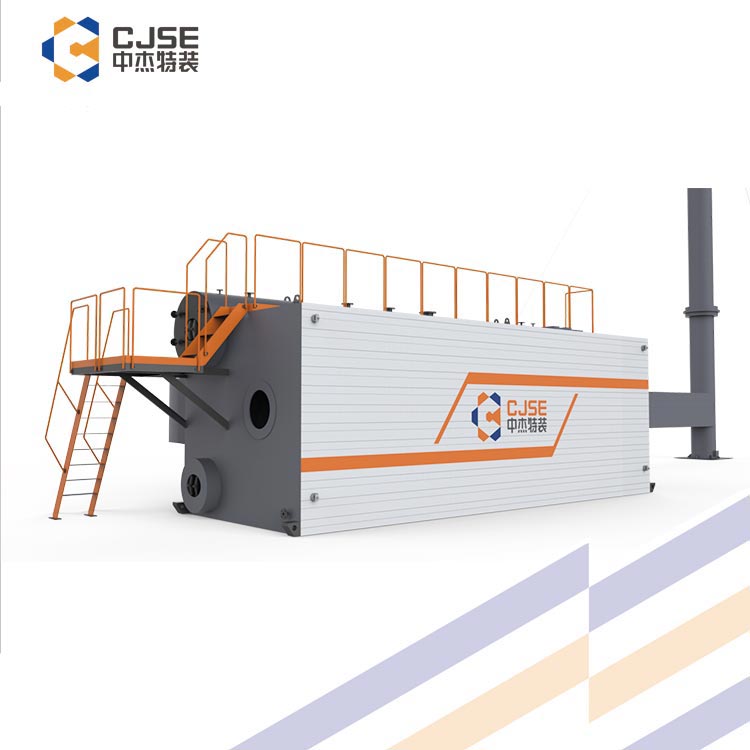

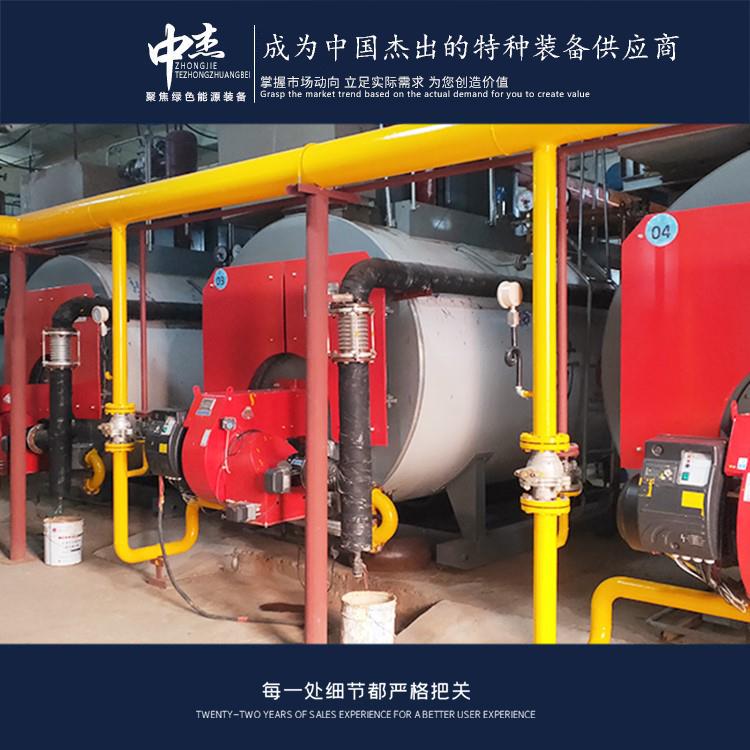
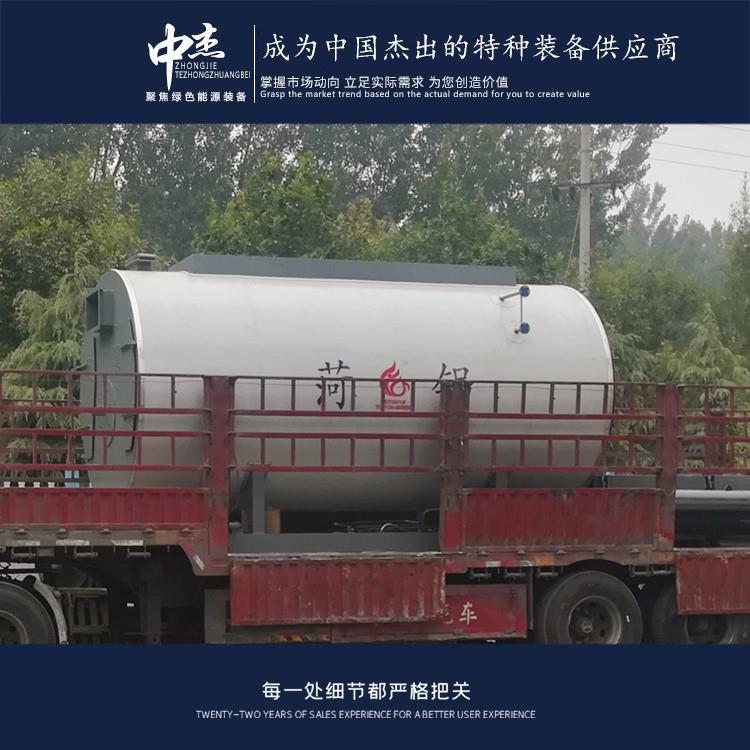


















Shandong Zhongjie Special Equipment Co., Ltd. specializes in: fuel (gas) boilers, organic heat carrier boilers, biomass boilers, waste heat boilers, and other boiler products; vacuum insulation cryogenic pressure vessels such as LNG storage tanks, oxygen/nitrogen/argon storage tanks, CO2 storage tanks; pressure vessel products including denitrification engineering equipment, heat storage and energy storage equipment, complete chemical equipment sets; central air conditioning and ventilation equipment such as ground (water) source heat pumps, air source units, water-cooled screw units, and air-cooled modular units. Planned products include large-scale energy centers, LNG transport vehicles, LNG tank containers, and other green energy equipment.
To extend the service life of steam boilers, the following measures can be taken:
- Regular Maintenance: Conduct regular maintenance on the boiler, including cleaning the burner, flue, and heat exchanger, inspecting and replacing worn parts, ensuring normal operation and efficiency.
- Water Quality Control: Maintain good water quality in the boiler to prevent scale and corrosion from damaging the boiler. Regularly test water quality and take appropriate water treatment measures based on the test results, such as descaling and replenishing missing chemicals.
- Control of Combustion Process: Reasonably control the combustion process to ensure the normal operation and efficiency of the burner. Regularly check the burner's operating status, adjust combustion parameters, and avoid overheating or cooling issues.
- Regular Cleaning of Flues and Heat Exchangers: Regularly clean the flues and heat exchangers to remove accumulated dust and dirt, maintain heat exchange efficiency, and avoid overheating and energy loss.
- Regular Inspection of Safety Devices: Regularly inspect the boiler's safety devices, including safety valves, pressure switches, and water level controllers, to ensure they are functioning properly and to ensure the safe operation of the boiler.
- Record Keeping and Monitoring: Record the boiler's operating parameters, maintenance records, and fault situations, regularly monitor and analyze them, and address issues promptly.
- Operator Training: Ensure operators have sufficient knowledge of boiler operation and maintenance, operate and maintain the boiler correctly, and avoid damage caused by operational errors or improper maintenance.
- Regular Overhauls: Based on the boiler's usage and the manufacturer's recommendations, regularly perform major repairs and overhauls, replacing worn-out components to extend the boiler's service life.
These measures can help extend the service life of steam boilers, but please note that for safety and effectiveness, maintenance and repairs should be performed by qualified personnel.
Proper selection of a thermal oil heater requires considering the following aspects:
1. Heat Load Requirement: First, determine the required heat load for the thermal oil heater, i.e., the heat energy needed. Based on actual demand, establish the rated power and heat load range of the heater to ensure it can meet the required heat supply.
2. Operating Temperature and Pressure: The operating temperature and pressure range of the thermal oil heater should match the actual application scenario. Choose the appropriate temperature and pressure range based on process requirements and working environment to ensure stable operation of the heater.
3. Thermal Oil Type: Select the appropriate type of thermal oil based on process requirements and working environment. Common types include silicone thermal oil, organic thermal oil, and mineral oil thermal oil, each with different operating temperature ranges and performance characteristics. Choose according to actual needs.
4. Equipment Quality and Reputation: Choose a supplier with a good reputation and quality thermal oil heaters. Ensure the manufacturing process and material quality of the heater are reliable, providing stable and reliable performance and after-sales service.
5. Safety and Environmental Protection: The safety and environmental protection of the thermal oil heater are important considerations. Choose a heater with safety protection devices and environmental certifications to ensure safety for personnel and equipment during operation.
6. Economy and Energy Efficiency: Consider the economy and energy efficiency of the thermal oil heater. Choose a heater with high energy efficiency and energy-saving features to reduce energy consumption and operating costs.
By considering these factors and selecting a thermal oil heater that meets actual needs, you can ensure the stable operation of the equipment.
When selecting a thermal oil heater for the rubber industry, pay attention to the following aspects:
- Temperature requirements: Determine the required working temperature range based on the process needs of the rubber industry. Ensure the heater can consistently provide the required working temperature.
- Heat load: Calculate the required heat load based on the production scale and process requirements of the rubber industry. Ensure the heater's heat load meets the industry's needs.
- Thermal efficiency: The thermal efficiency of the heater directly affects energy consumption and operating costs. Consider the efficiency when choosing a heater to select energy-saving products.
- Safety: The safety of the thermal oil heater is crucial. Choose a heater with comprehensive safety protection devices and an automatic control system to ensure safe and reliable operation.
- Maintenance: Proper maintenance is crucial for extending the heater's lifespan and ensuring normal operation. Consider the ease and cost of maintenance when choosing a heater.
- Manufacturer reputation: Choose a reputable and experienced thermal oil heater manufacturer to ensure product quality and reliable after-sales service.
- Cost-effectiveness: Consider the price, energy consumption, and maintenance costs of the heater when choosing a product with good cost-effectiveness.
- Consult with heating equipment suppliers or engineers when purchasing a thermal oil heater, and choose based on specific needs. Follow relevant industry standards and regulations.
The management system for gas heat-conducting oil furnace equipment mainly includes the following aspects:
1. Equipment Safety Management System: Establish and improve the safety management system for gas heat-conducting oil furnace equipment, clarify responsibilities and authorities, and ensure the safe operation of the equipment. This includes safety operation procedures, emergency response plans, equipment inspection and maintenance schedules, etc.
2. Equipment Maintenance Management System: Establish an equipment maintenance management system, clarifying maintenance responsibilities and plans. This includes regular equipment inspections, maintenance, and repairs to ensure the normal operation and safety of the equipment.
3. Equipment Operation Management System: Establish an equipment operation management system, clarifying operation procedures and requirements. This includes start-up, shutdown, adjustment, and monitoring processes to ensure equipment safety and operation.
4. Equipment Accident Management System: Establish an equipment accident management system, clarifying reporting, investigation, and handling procedures. This includes reporting requirements for equipment accidents, responsibility追究, cause analysis, and improvement measures to reduce accidents and minimize losses.
5. Equipment Training and Assessment System: Establish a training and assessment system for equipment operators to ensure they possess the necessary skills and knowledge. This includes operation training, safety training, and technical training, along with regular assessments and evaluations of operators.
6. Equipment Inventory and Record Management System: Establish an equipment inventory and record management system, recording equipment operation, maintenance, and accident records. This includes inventory management, maintenance record filling and preservation, and accident record organization and analysis for equipment management and issue tracing.
The above are some basic contents of the management system for gas heat-conducting oil furnace equipment incidents. Specific management systems should be formulated and improved based on actual conditions. At the same time, relevant laws and regulations and standards must be followed to ensure the safety and environmental performance of the equipment.
Shandong Zhongjie Special Equipment, welcome customers to our factory for business discussions.
WeChat Official Account

Scan to follow Official Account



















