


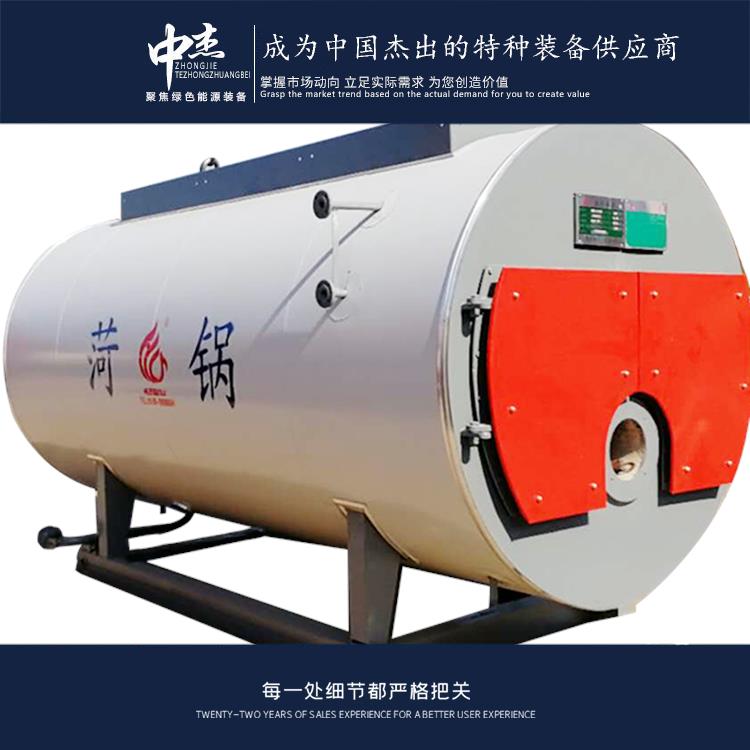

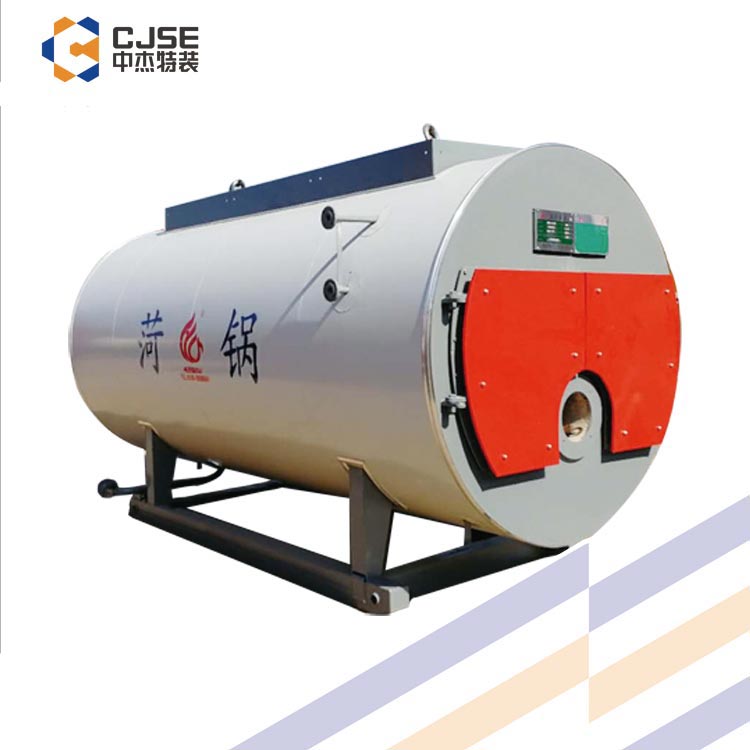
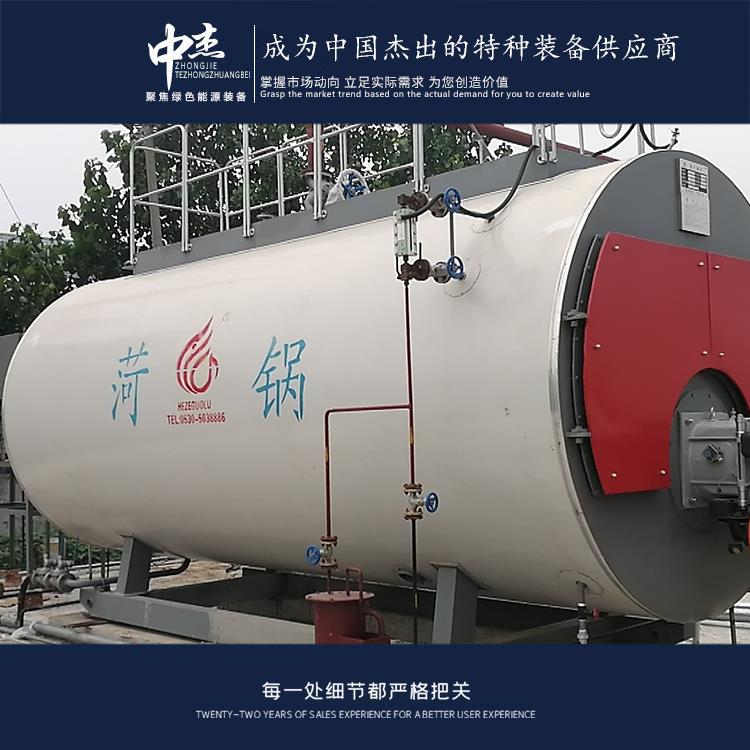


















Shandong Zhongjie Special Equipment Co., Ltd. (formerly Heze Boiler Factory Co., Ltd.) was established in 2001, located at No. 2218 Jinnan Road, Development Zone, Heze City, with a registered capital of 50 million yuan and total assets of 500 million yuan. The company has 7 business centers: boilers, deep-freezing containers, pressure vessels, central air conditioning, engineering installation, international trade, and the Internet of Things. It has three factory sites on Jinnan Road, East Changjiang Road, and Bohai Road, covering a total area of 200,000 square meters, with the main workshop spanning 83,000 square meters. It currently employs 710 people, including 247 engineers and technicians and 82 intermediate-level technicians. In December 2016, it was recognized as a "High-Tech Enterprise" by the Science and Technology Department. In June 2021, it was identified as a "Specialized and New Enterprise in Shandong Province" by the Department of Industry and Information Technology. In June 2022, it was recognized as a "Gazelle Enterprise in Shandong Province" and in August 2022, as a "Specialized and New Small Giant Enterprise" by the Ministry of Industry and Information Technology.
Clean and environmental-friendly gas boilers offer several advantages: Low emissions: The exhaust emissions from gas combustion are relatively low, with reduced amounts of pollutants such as nitrogen oxides and particulates. Compared to coal-fired or oil-fired boilers, gas boilers have lower emissions levels, causing less environmental pollution. High thermal efficiency: Gas combustion has a higher thermal efficiency, allowing for maximum utilization of fuel energy and reducing energy waste. Compared to other traditional fuels like coal and oil, gas combustion is more efficient, providing more heat energy. Clean combustion: Gas combustion does not produce ash or soot, reducing the accumulation of carbon and dirt inside the boiler and in the flue. This reduces the cleaning and maintenance work of the boiler, extending its lifespan. Combustion stability: The combustion performance of gas is stable, with minimal flame fluctuations and explosion risks during combustion. This makes gas boilers safer and more reliable in operation. Rapid start and stop: Compared to other fuels, gas boilers have faster and more flexible start-up and shutdown processes. This makes them suitable for scenarios requiring frequent start and stop, such as seasonal heating and hot water needs. Renewable energy integration: As a clean fuel, gas can be combined with renewable energy sources, such as solar hot water systems and biomass fuels. This integration can further enhance energy utilization efficiency and environmental friendliness.
When selecting a thermal oil furnace for the rubber industry, pay attention to the following aspects:
Temperature Requirements: Determine the required working temperature range based on the process needs of the rubber industry. Ensure the thermal oil furnace can stably provide the required working temperature.
Heat Load: Calculate the required heat load based on the production scale and process requirements of the rubber industry. Ensure the heat load of the thermal oil furnace meets the needs of the rubber industry.
Thermal Efficiency: The thermal efficiency of the thermal oil furnace directly affects energy consumption and operating costs. Consider the thermal efficiency when choosing a thermal oil furnace, opting for energy-saving products.
Safety: The safety of the thermal oil furnace is crucial. Choose a furnace with comprehensive safety protection devices and an automatic control system to ensure safe and reliable operation.
Maintenance: Proper maintenance is crucial for extending the service life and ensuring normal operation of the thermal oil furnace. Consider the ease and cost of maintenance when choosing a thermal oil furnace.
Manufacturer's Reputation: Choose a thermal oil furnace manufacturer with a good reputation and extensive experience to ensure product quality and reliable after-sales service.
Cost-Effectiveness: Consider the price, energy consumption, and maintenance costs of the thermal oil furnace, choosing products with good cost-effectiveness.
When purchasing a thermal oil furnace, it is recommended to consult and communicate with heating equipment suppliers or engineers, select based on specific needs, and follow relevant industry standards and regulations.
For the maintenance of industrial gas boilers, here are some common methods and precautions:
* Clean the burner: Regularly clean the interior and nozzle of the burner to ensure normal combustion of gas, avoiding carbon buildup and blockages.
* Inspect the gas supply system: Regularly check the gas supply system, including gas pipes, valves, and pressure regulators, to ensure normal supply, no leaks, or blockages.
* Clean the flue and heat exchanger: Regularly clean the flue and heat exchanger to remove dust and dirt, maintaining heat exchange efficiency, avoiding overheating and energy loss.
* Check water level and pressure: Regularly inspect the boiler's water level and pressure to ensure safe operation within the limits. Refill water and adjust pressure to avoid issues caused by low or high water levels.
* Inspect safety devices: Regularly check the boiler's safety devices, including safety valves, pressure switches, and water level controllers, to ensure proper functioning and safe operation.
* Check the control system: Regularly inspect the boiler's control system, including automatic controllers, sensors, and gauges, to ensure accuracy and reliability, and to promptly detect and repair faults.
* Scheduled maintenance: Regularly perform maintenance, including lubricating parts, replacing worn components, and checking electrical connections, to extend the boiler's lifespan and stability.
* Keep records: Record the boiler's operating parameters, maintenance logs, and fault conditions to help promptly identify issues and analyze operational status.
* Train operators: Ensure operators are adequately trained and qualified.
In textile processing factories, common types of boilers include the following:
Steam boilers: Steam boilers are one of the most commonly used types of boilers in textile processing plants. They produce high-pressure, high-temperature steam, used for heat treatment, dyeing, boiling, and other processes in textile manufacturing. Steam boilers offer rapid heating, high stability, and other advantages.
Hot water boilers: Hot water boilers are suitable for low-temperature textile processing techniques such as washing and drying. They provide a stable supply of hot water with high temperature control accuracy and low energy consumption.
Hot air furnaces: Hot air furnaces are used for drying processes in textile manufacturing. They transfer heat energy to textiles through the hot air generated by combustion, achieving rapid drying. Hot air furnaces have the advantages of fast heating and high thermal efficiency.
When selecting the appropriate boiler type for a textile processing plant, consider the following factors:
Processing requirements: Determine the required heat medium (steam, hot water, hot air) and parameters such as working temperature and pressure based on the specific processing needs of the textile factory.
Energy costs and efficiency: Consider the energy consumption and efficiency of different boiler types, choosing one that meets processing requirements and has high energy utilization efficiency.
Environmental requirements: Pay attention to the emission standards and environmental performance of the boilers, selecting a type that meets environmental requirements.
Maintenance
Zhongjie Special Equipment upholds the grand vision of "realizing employees' dreams, creating value for customers, and striving for the prosperity and strength of our motherland," focusing solely on the development of green energy equipment. We dedicate products and services with high cost-performance to society!
WeChat Official Account

Scan to follow Official Account



















