


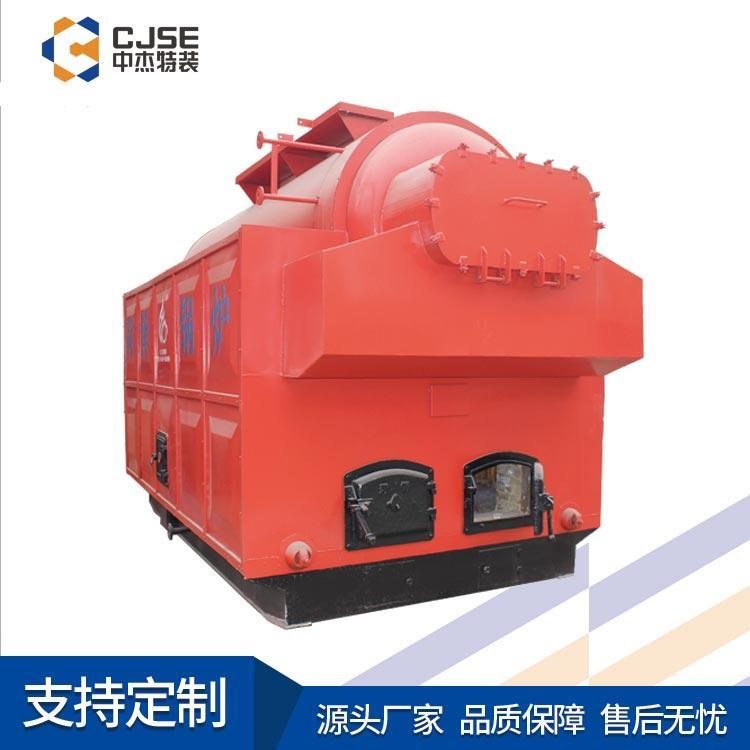

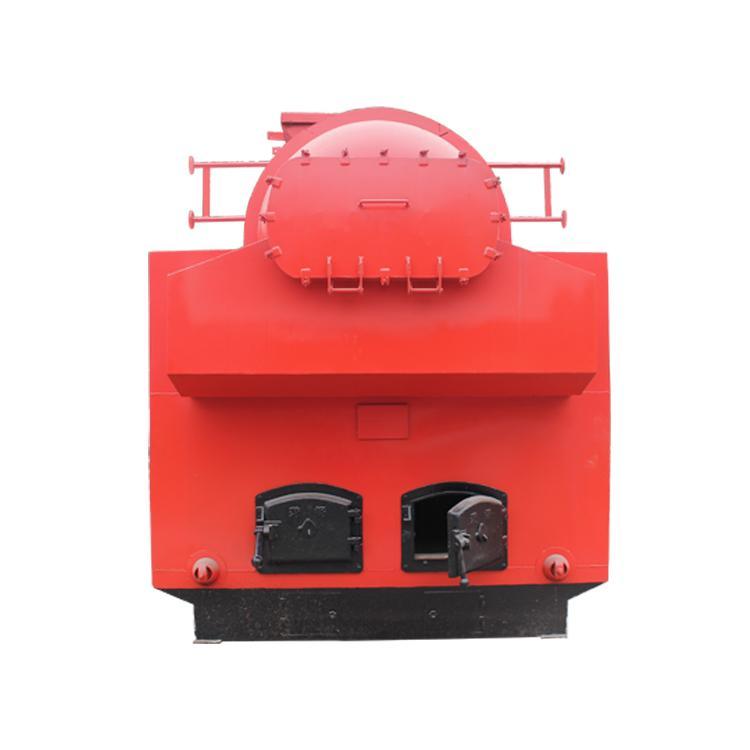
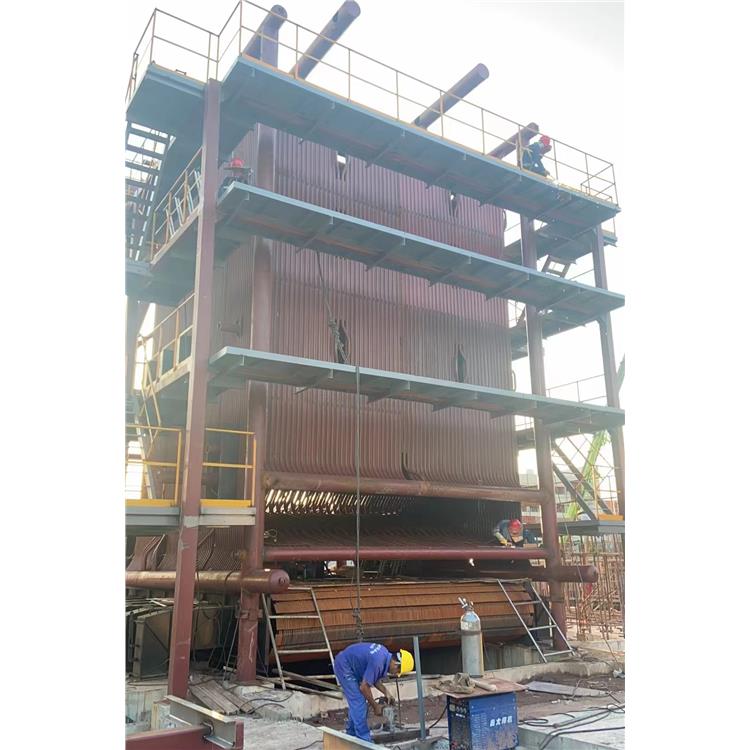


















Shandong Zhongjie Special Equipment (formerly Heze Boiler Factory Co., Ltd.) holds an A-grade boiler manufacturing license, an A2-grade pressure vessel manufacturing license, an A2-grade pressure vessel design license, a B-grade boiler installation license, and GB2/Class, GC2/Class pressure pipeline installation licenses, as well as a mechanical and electrical equipment installation contracting qualification. It is a member of the China Boiler and Water Treatment Association, the China Chemical Equipment Association, and the council unit of the Shandong Equipment Manufacturing Association, and has passed the ISO9001 Quality Management System, ISO14001 Environmental Management System, OHSAS18001 Occupational Health and Safety Management System certifications, and the American ASME/U2 certification.
Several advantages come with choosing biomass boilers:
Renewable Energy: Fuel for biomass boilers comes from organic materials such as plants, animals, and microorganisms, making it a renewable energy source. Compared to traditional fossil fuels, biomass fuel has lower carbon emissions and environmental impact, contributing to the reduction of greenhouse gas emissions and being more environmentally friendly.
Diverse Fuel Sources: Biomass fuel sources are extensive, including wood, straw, waste crops, food scraps, and municipal solid waste, among others. This diversity in fuel sources allows biomass boilers to be flexible and adaptable, utilizing waste and by-products from plants and animals, thereby reducing resource waste.
Environmental friendliness: The carbon dioxide emitted during the combustion of biomass boilers can be absorbed by plants, forming a cycle that reduces air pollution. Additionally, the emissions and ash produced during the combustion process of biomass boilers are relatively low, resulting in minimal environmental impact.
Energy Security: Biomass, as a local renewable energy source, can reduce dependence on imported energy and enhance energy security. In areas with scarce resources, the use of biomass boilers can provide a reliable energy supply.
Economic Efficiency: Biomass fuel is relatively cost-effective and can reduce energy costs. Moreover, the technology and equipment for biomass boilers are continuously evolving and maturing, making them even more economically viable.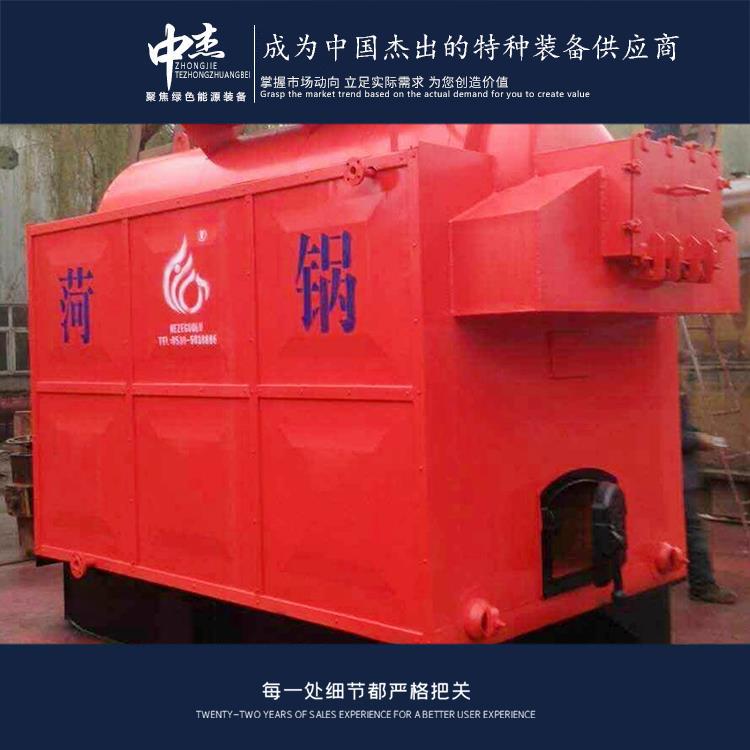
Biomass boilers emit nitrogen oxides (NOx) during combustion, which are harmful to the environment. Therefore, controlling the NOx emissions from biomass boilers is a significant challenge. Below are some difficulties in NOx control for biomass boilers:
Fuel Characteristics: The composition and characteristics of biomass fuels are diverse, containing varying nitrogen content and volatile matter. This makes it difficult to accurately predict and control NOx emissions during the combustion process of biomass boilers.
Combustion Temperature: The generation of NOx is closely related to combustion temperature; both excessively high and low temperatures can increase NOx formation. The combustion temperature of biomass boilers is influenced by various factors, such as fuel moisture and oxygen supply, making it challenging to control the combustion temperature for effective NOx emissions control.
Proper combustion air supply: Adequate combustion air supply aids in controlling NOx formation, yet excessive or insufficient air supply can impact combustion efficiency and NOx emissions. For biomass boilers, the combustion air supply must be adjusted rationally based on fuel characteristics and combustion conditions, which poses certain requirements for operators and control personnel.
Combustion System Design: The design of the combustion system in biomass boilers also has an impact on NOx emissions control. For instance, the combustion technology and burner design used, such as low NOx combustion technology and optimized combustion chamber structure, can effectively reduce NOx emissions.
Operation and Maintenance: Proper operation and regular maintenance of biomass boilers are crucial for controlling NOx emissions. Rational operation and scheduled maintenance can ensure the normal operation and combustion of the combustion system, thereby reducing NOx generation.
In summary, the challenges in controlling NOx emissions from biomass boilers mainly include fuel characteristics.
Biofuel hot water boilers may produce scale during operation, affecting the boiler's heat transfer and efficiency. Here are some methods to reduce scaling:
Fuel Selection: Choose high-quality biomass fuel such as wood chips and straw, etc. Avoid using fuel with excessive impurities and ash to reduce soot generation.
Combustion Adjustment: Properly adjust combustion parameters such as fuel supply, oxygen supply, and combustion temperature. Both excessively high or low combustion temperatures can lead to the formation of soot. Maintaining an appropriate combustion temperature helps reduce soot buildup.
Clean combustion chamber: Regularly clean the combustion chamber to remove ash and dirt generated during the combustion process. Use appropriate tools and cleaning agents to ensure the chamber remains clear and clean.
Heat Exchanger Cleaning: Regularly clean the heat exchangers, especially those on the flue side. During the combustion process, flue gases may contain particulates and ash that can adhere to the surface of the heat exchanger, affecting heat transfer efficiency. Employing appropriate cleaning methods, such as mechanical or chemical cleaning, can help reduce the accumulation of dirt.
Water Treatment: Proper water treatment for boiler feed water to prevent impurities and sediments from depositing inside the boiler. Methods such as water softening, deoxygenation, and scale removal can be employed to maintain clean and stable water supply.
Regular Maintenance: Perform regular maintenance and inspections on the boiler, including cleaning and replacing critical components. Early detection and resolution of dirt issues can prevent further accumulation and affect the normal operation of the boiler.
Please note that the specific methods for reducing soiling may vary depending on the model and manufacturer of the biomass hot water boiler. It is recommended to refer to the manufacturer's operation manual and guidelines to take appropriate soiling reduction measures based on the specific situation.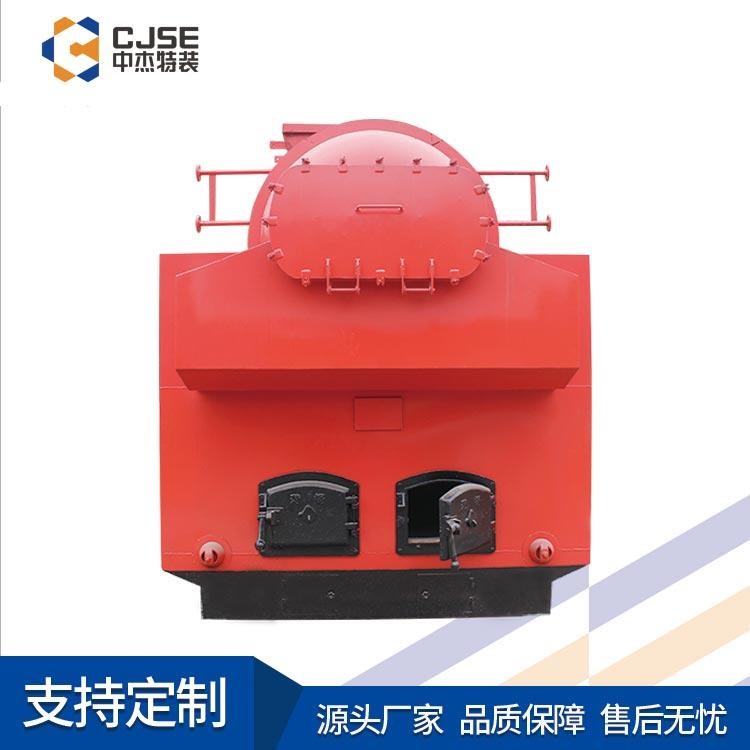
Possible reasons for incomplete combustion of fuel in biomass boilers may include the following aspects:
Inappropriate combustion conditions: If the combustion temperature is too low, the oxygen supply is insufficient, or the combustion time is inadequate during the combustion process, it can lead to incomplete fuel combustion. This may be caused by improper burner settings, an unreasonable ventilation system, or inaccurate adjustment of combustion parameters.
Fuel Quality Issue: The quality of fuel can also affect combustion efficiency. If the fuel contains excessive moisture, impurities, or ash, it can impact the calorific value and combustion performance during the combustion process, leading to incomplete combustion.
Improper combustion chamber design: The design of the combustion chamber significantly impacts the combustion efficiency. An improperly structured combustion chamber, insufficient combustion space, or uneven airflow distribution within the chamber can all lead to incomplete fuel combustion.
Combustion System Failure: A faulty combustion system may also result in incomplete fuel combustion. For instance, issues like a clogged burner nozzle, malfunctioning ignition system, or abnormal operation of the combustion fan can all affect the combustion efficiency.
Lack of maintenance and cleaning: Regular maintenance and cleaning of biomass boilers are crucial for maintaining combustion efficiency. If there is ash accumulation, slagging, or blockages inside the boiler, it can affect the normal combustion of fuel, leading to incomplete combustion.
To address the issue of incomplete fuel combustion, the following measures can be taken: adjust combustion parameters to ensure appropriate combustion temperature, oxygen supply, and duration; select the appropriate amount of fuel and ensure that storage and handling meet requirements; perform regular maintenance and cleaning of the boiler to maintain the normal operation of the combustion system. Additionally, depending on the specific situation, it may be necessary to consult with boiler maintenance personnel or manufacturers for more detailed and accurate solutions.
Zhong Jie Special Equipment upholds the grand vision of "realizing employees' dreams, creating customer value, and striving for the prosperity and strength of our motherland," wholeheartedly devoting itself to the development of green energy equipment. We offer the society high-quality products and services at competitive prices!
WeChat Official Account

Scan to follow Official Account



















