


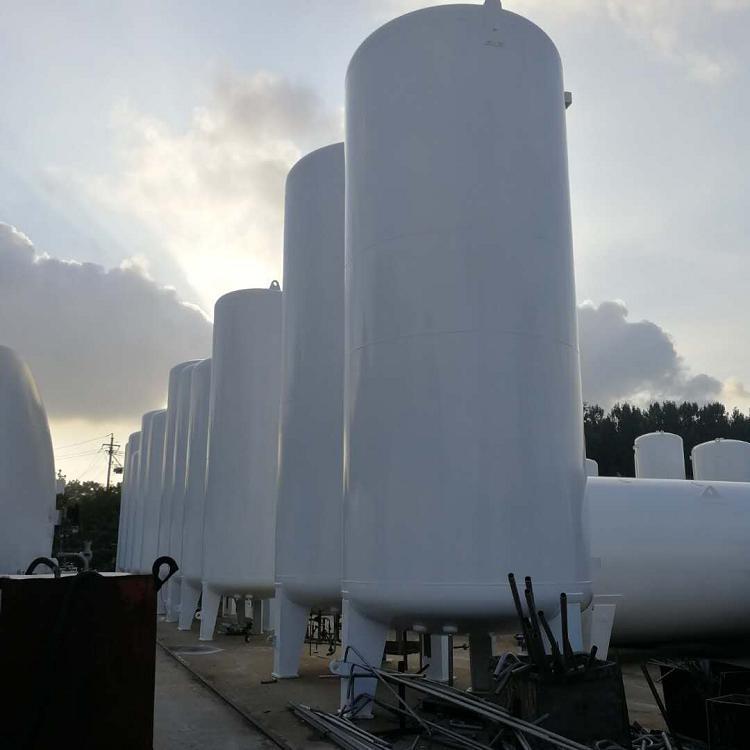

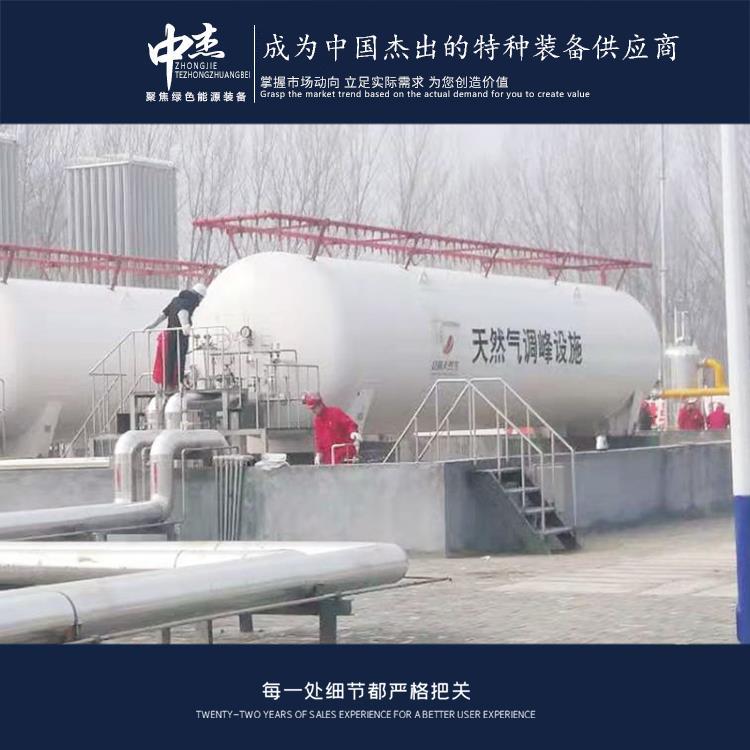
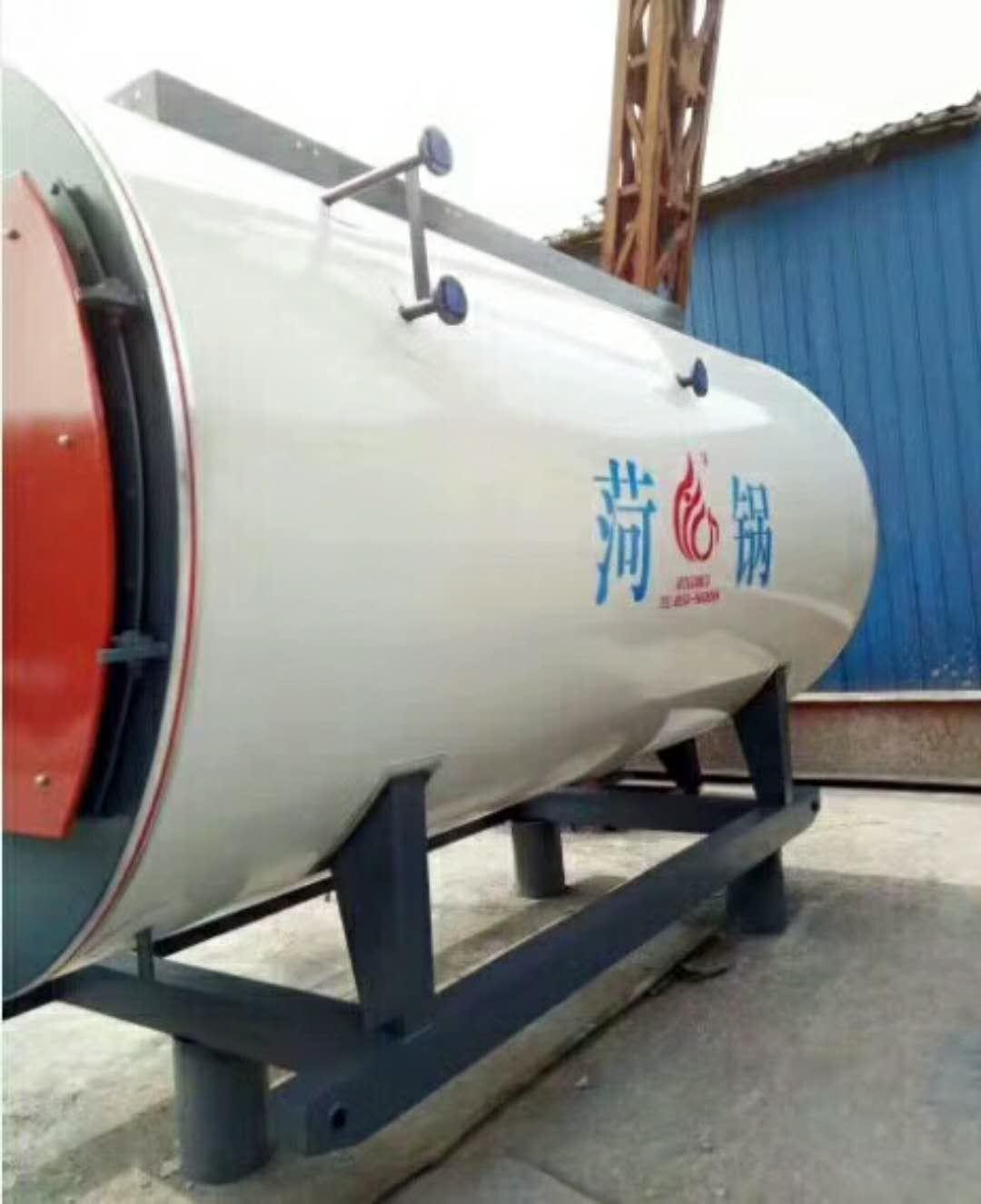


















Shandong Zhongjie Special Equipment (formerly Heze Boiler Factory Co., Ltd.) was established in 2001, located at No. 2218 Jinnan Road, Economic and Technological Development Zone, Heze City, with a registered capital of 50 million yuan and total assets of 500 million yuan. The company has 7 business centers: boilers, deep-freeze containers, pressure vessels, central air conditioning, engineering installation, international trade, and Internet of Things. It has three factory sites on Jinnan Road, East Changjiang Road, and Bohai Road, covering a total area of 200,000 square meters, with the main workshop spanning 83,000 square meters. It currently employs 710 staff, including 247 engineers and technicians, and 82 intermediate-level technicians. In December 2016, it was recognized as a "High-Tech Enterprise" by the Science and Technology Department. In June 2021, it was identified as a "Specialized and New Enterprise in Shandong Province" by the Ministry of Industry and Information Technology. In June 2022, it was recognized as a "Gazelle Enterprise in Shandong Province" and in August 2022, as a "Specialized and New Small Giant Enterprise" by the Ministry of Industry and Information Technology.
When using carbon dioxide storage tanks, the following safety procedures must be adhered to ensure safety:
- Tank Operator Training: All operators must receive training to understand the characteristics, operational requirements, and safety measures of carbon dioxide storage tanks. Training should include safe tank operation, leak handling, emergency response plans, etc.
- Safety Operating Procedures: Establish and comply with relevant safety operating procedures, including tank start-up, shutdown, inspection, and maintenance. Operators should operate according to the procedures to ensure safe tank operation.
- Leak Handling: Establish a leak handling program, including leak alarms, emergency shutdown, and isolation of the leak source. Operators should be familiar with the leak handling procedures and be able to respond quickly and correctly to leak incidents.
- Fire Prevention Measures: Carbon dioxide is flammable, so fire prevention measures must be taken when using it. Smoking, open flame operations, or placing flammable items near the tank are prohibited. Ensure that fire protection equipment around the tank is in good condition and that fire drills are conducted regularly.
- Waste Gas Emission: When using carbon dioxide storage tanks, waste gases should be emitted properly to avoid the accumulation of carbon dioxide in enclosed spaces, which can lead to asphyxiation and safety risks. Ensure that the waste gas emission system is unobstructed and functioning normally.
- Regular Inspections and Maintenance: Regularly inspect the tank's appearance, sealing, valves, and pipe connections. If any abnormalities or damage are found, repairs or replacements should be made promptly. Also, regularly inspect and maintain the tank's safety valves, pressure sensors, and other accessories.
- Emergency Response Plan: Develop and implement an emergency response plan, including procedures for handling leaks, evacuation, and first aid measures. Operators should be familiar with the emergency response plan and conduct drills regularly.
- Monitoring and Alarm Systems: Install and maintain monitoring and alarm systems for the storage tank.
Technical specifications for carbon dioxide storage tanks can be formulated based on different application fields and/or regional standards. The following are some common technical specifications and standards for reference: ASME Standards: The American Society of Mechanical Engineers (ASME) has issued a series of standards for pressure vessels, including specifications for carbon dioxide storage tanks such as ASME BPVC Section VIII Division 1 and ASME BPVC Section VIII Division 2. ISO Standards: The International Organization for Standardization (ISO) has published some standards related to pressure vessels, such as ISO 9809-1 and ISO 9809-2, covering design, manufacturing, and inspection requirements for steel gas cylinders. GB Standards: The China National Standardization Administration has issued a series of standards related to pressure vessels, such as GB 150 "Pressure Vessels" and GB 5099 "Steel Gas Cylinders," which include design, manufacturing, and inspection requirements for carbon dioxide storage tanks. DOT Standards: The United States Department of Transportation (DOT) has issued some standards related to pressure vessels and cylinders, such as DOT-3AA and DOT-4BA, covering design, manufacturing, and transportation requirements for liquefied gas storage tanks. EN Standards: The European Committee for Standardization (CEN) has published some standards related to pressure vessels, such as EN 13445 and EN 14382, covering design, manufacturing, and inspection requirements for liquefied gas storage tanks. Additionally, other industry standards and specifications may apply to carbon dioxide storage tanks based on specific application needs, such as standards related to the food and beverage industry and industry-specific standards. When using carbon dioxide storage tanks, appropriate technical specifications should be selected based on specific application requirements and local regulatory requirements, ensuring that the design, manufacturing, and use of the tanks comply with the relevant standards and specifications.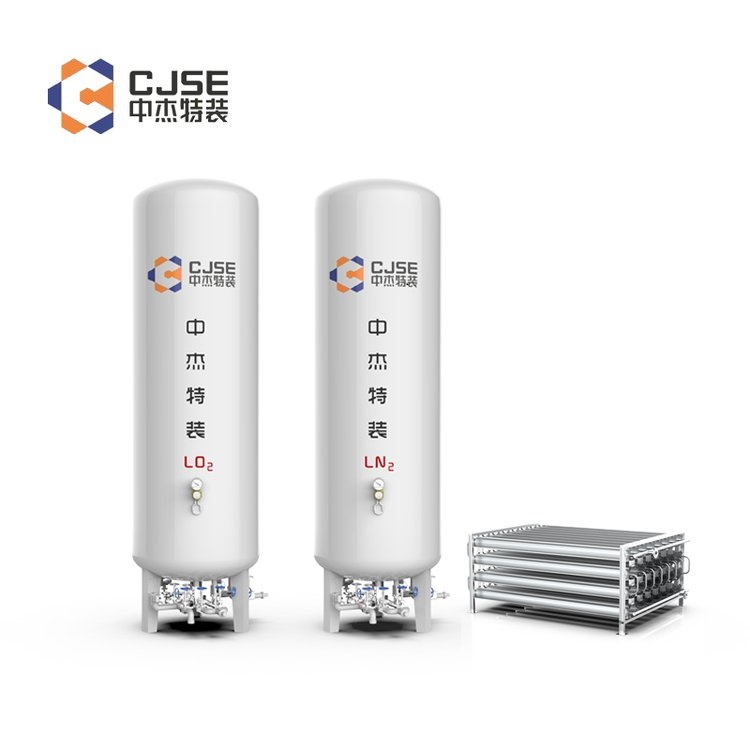
Carbon dioxide (CO2) and liquid oxygen (LOX) storage tanks are used for storing different gases, with some physical distinctions:
- Physical State: CO2 is a gas at room temperature and requires low temperatures and high pressures to convert to a liquid. LOX is a liquid at room temperature and can maintain its liquid state without special conditions.
- Storage Temperature: The liquid CO2 storage temperature typically ranges from -40°C to -78.5°C, while the liquid oxygen storage temperature usually ranges from -183°C to -183.15°C. The storage temperature for LOX is lower, necessitating stricter insulation measures.
- Storage Pressure: The liquid CO2 storage pressure is generally between 5-20 MPa, while the liquid oxygen storage pressure is typically between 0.2-2 MPa. The storage pressure for LOX is lower.
- Density: The density of liquid CO2 is approximately 0.8 g/cm³, while the density of liquid oxygen is about 1.14 g/cm³. The density of liquid oxygen is greater.
- Safety: LOX has a high oxygen content, making it highly flammable and oxidizing, requiring stricter safety measures. CO2 is relatively safe but can still pose health risks at high concentrations.
When using CO2 storage tanks, pay attention to the following aspects:
Safety Operation: Operators must receive training to understand the characteristics, operational requirements, and safety measures of CO2 storage tanks. Adhere to relevant safety operation procedures and standards to ensure operational safety.
Tank Inspection: Regularly inspect the tank's appearance, sealing, valves, and pipeline connections before use. Promptly repair or replace any abnormalities or damages.
Tank Placement: Place the tank in a well-ventilated, dry, and fire-free area. Avoid direct sunlight and high temperatures to prevent overheating.
Leak Prevention: Ensure that the tank's valves and pipeline connections are sealed properly to prevent CO2 leakage. Regularly inspect and replace seals, and promptly address any leaks.
Pressure Control: Maintain the internal pressure within a safe range. Check the tank's pressure gauge and safety valve before use to ensure proper operation. Avoid excessive or low pressure to prevent safety incidents.
Fire Prevention Measures: CO2 is flammable, so fire prevention measures must be taken during use. Smoking, open flame operations, or placing flammable items near the tank are prohibited.
Waste Emission: Properly discharge waste gases generated during CO2 storage tank use to avoid CO2 accumulation in enclosed spaces, which can lead to asphyxiation and safety risks.
Emergency Response Plan: Develop and implement an emergency response plan, including the handling of leaks, evacuation procedures, and first aid measures. Operators should be familiar with the plan and conduct regular drills.
Note that CO2 storage tank use should be performed by authorized operators following relevant safety operation procedures and standards. Seek advice and guidance from knowledgeable professionals.
Shandong Zhongjie Special Equipment, welcome customers to our factory for business discussions.
WeChat Official Account

Scan to follow Official Account



















