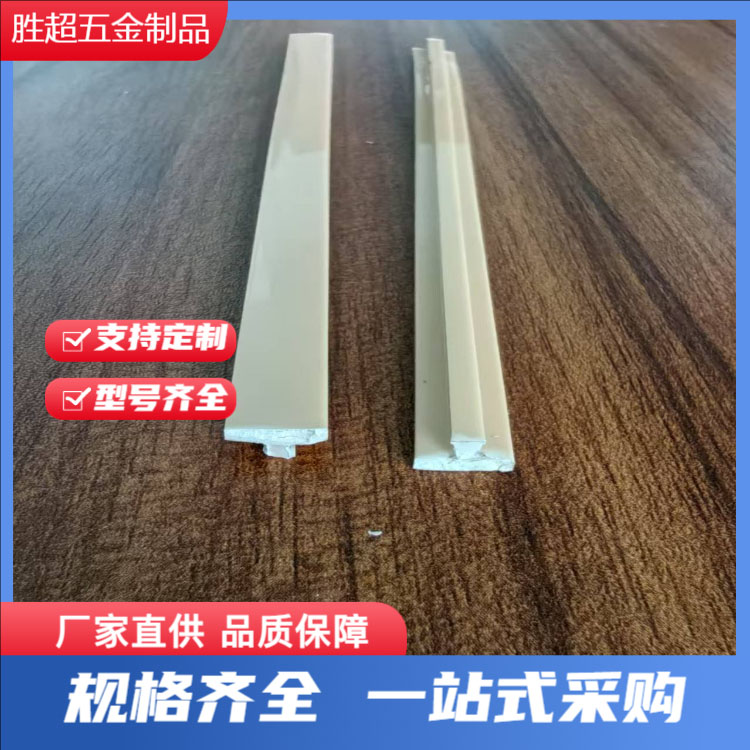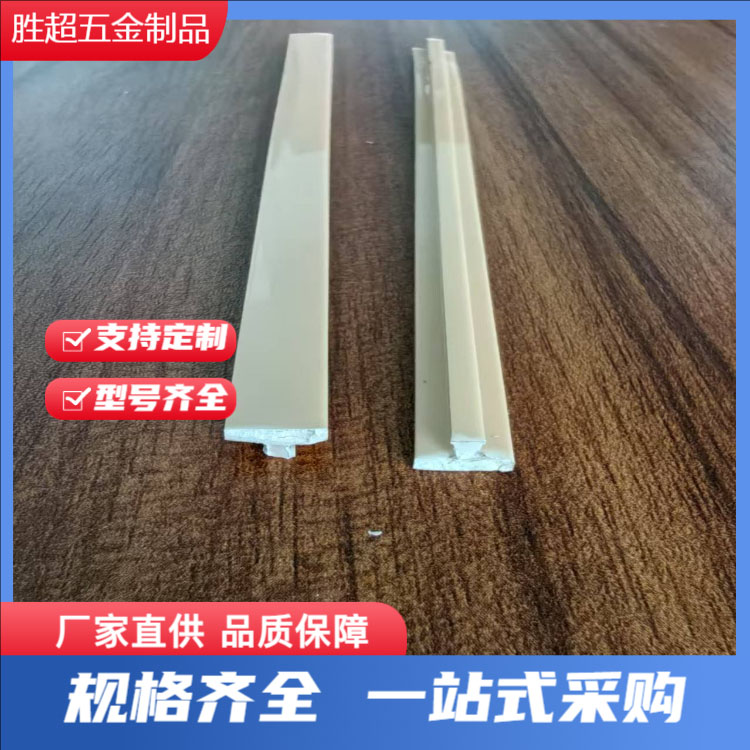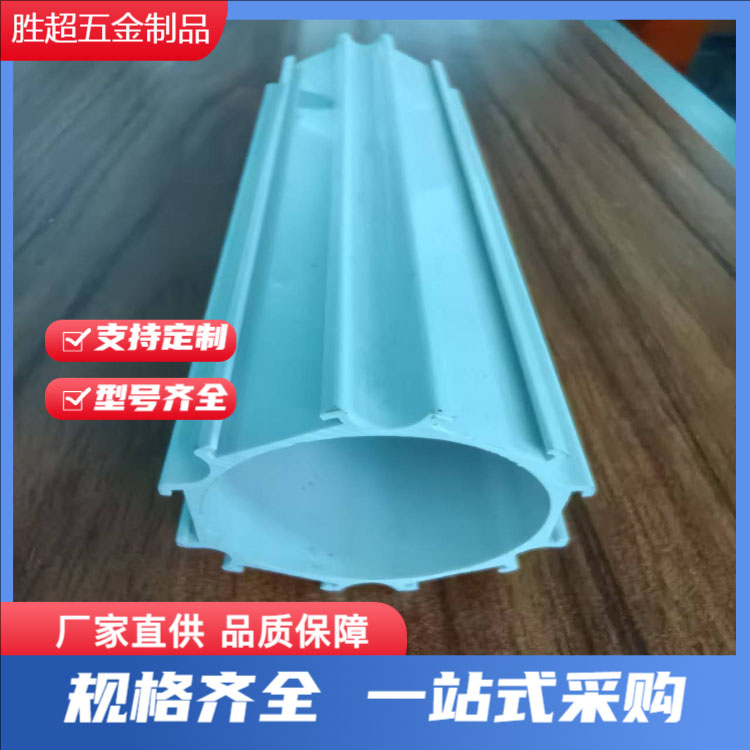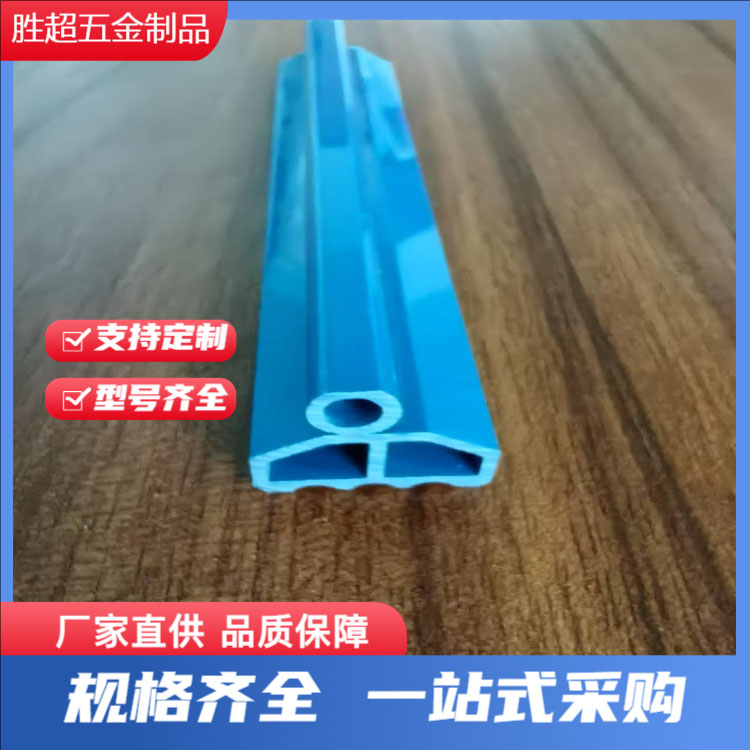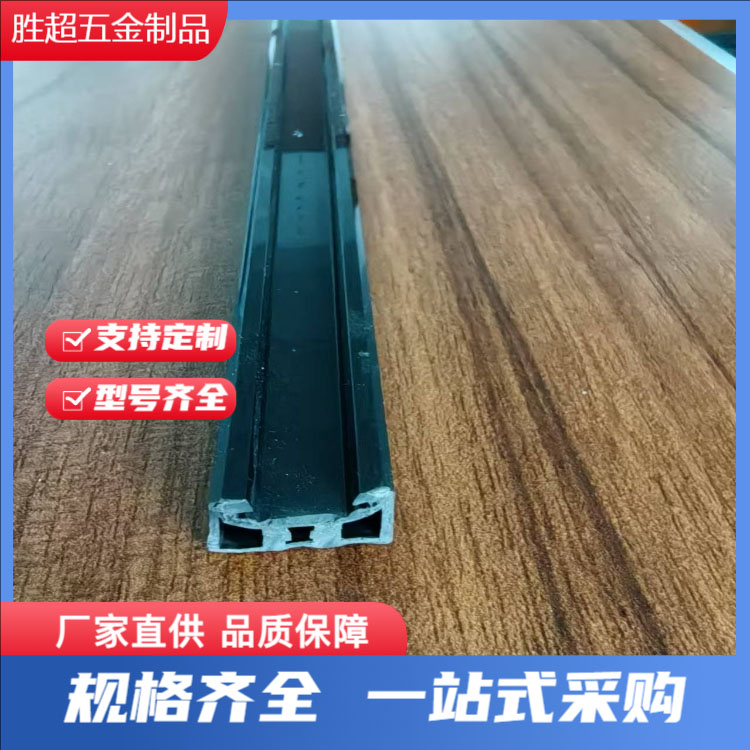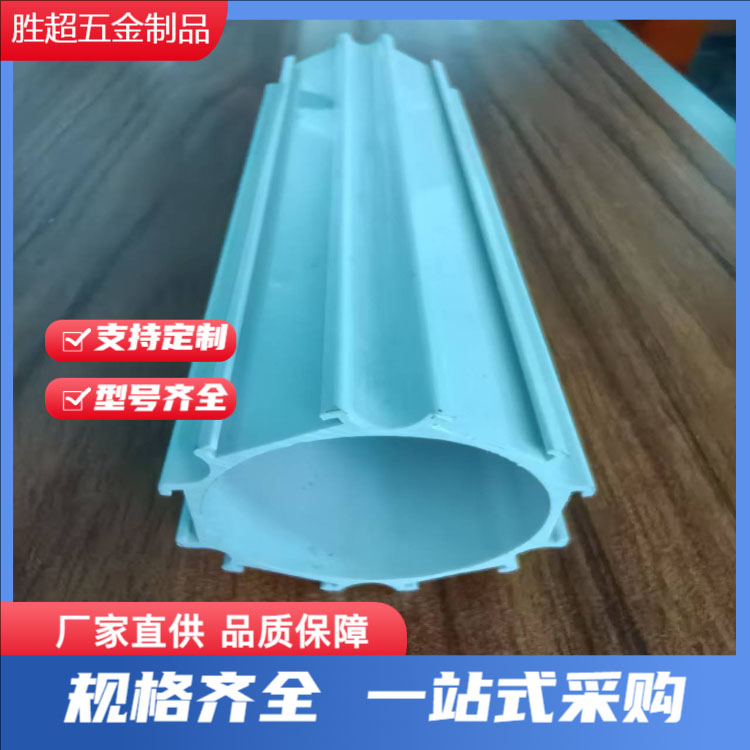
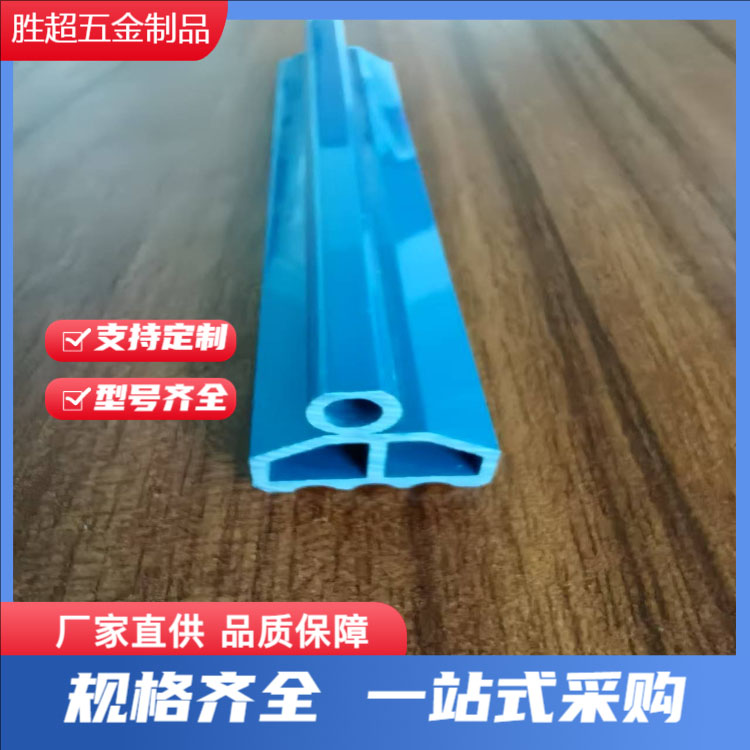
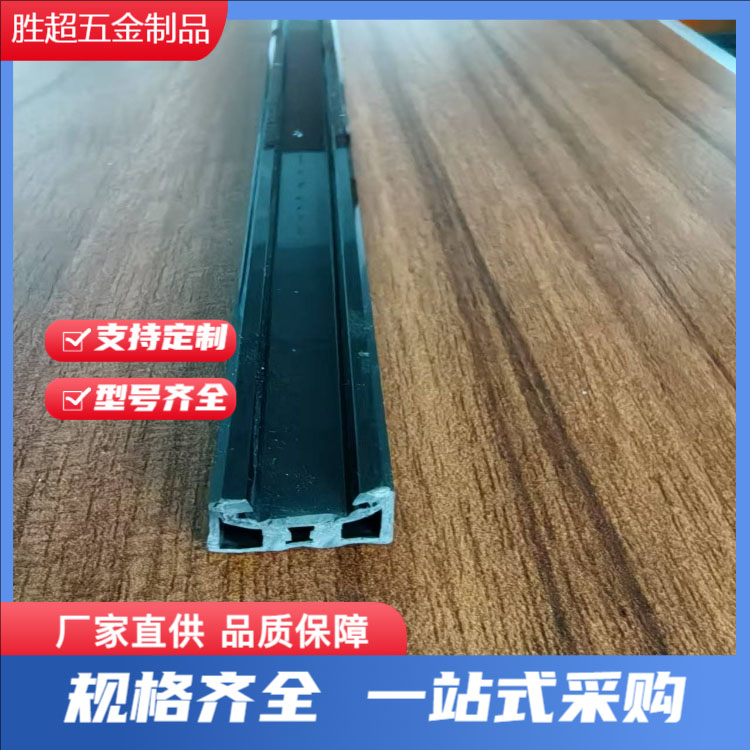
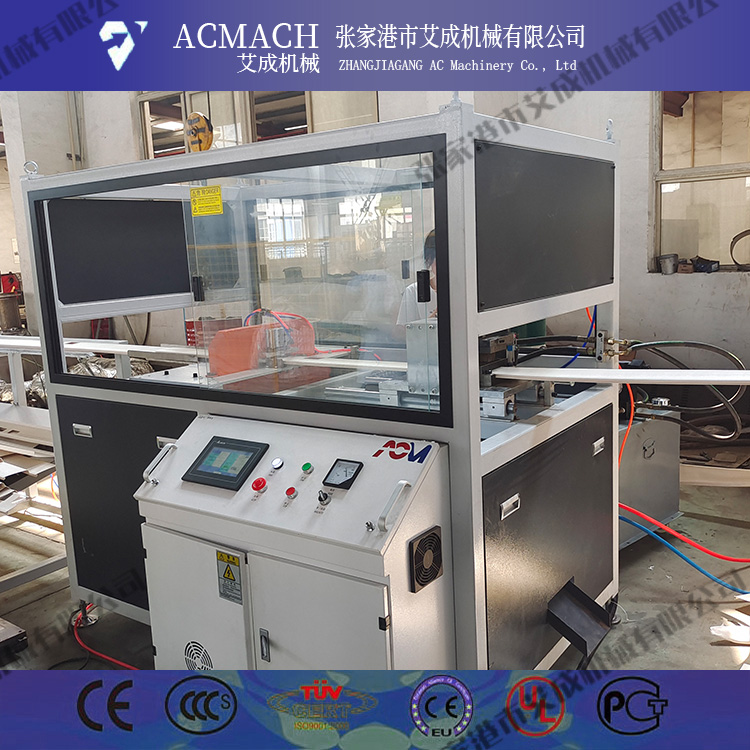





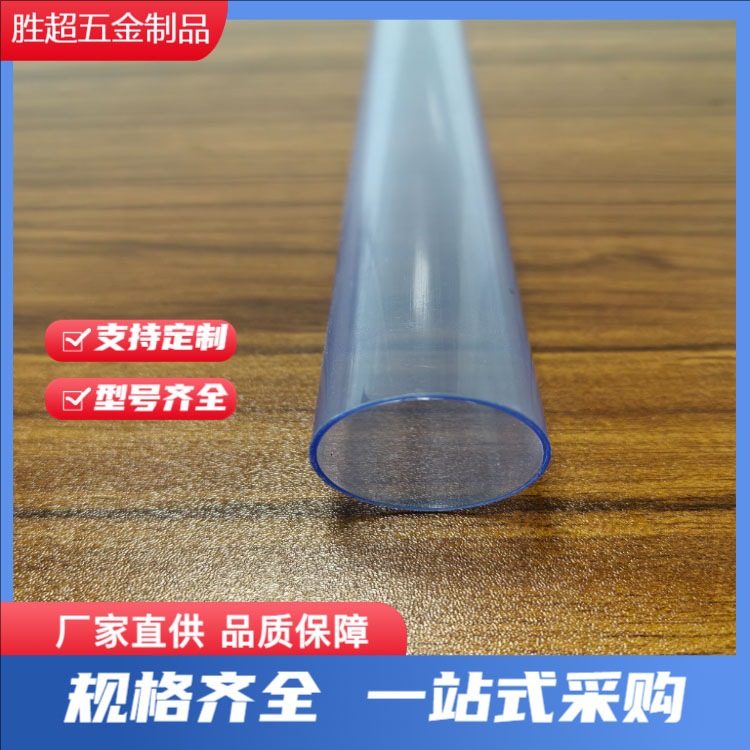
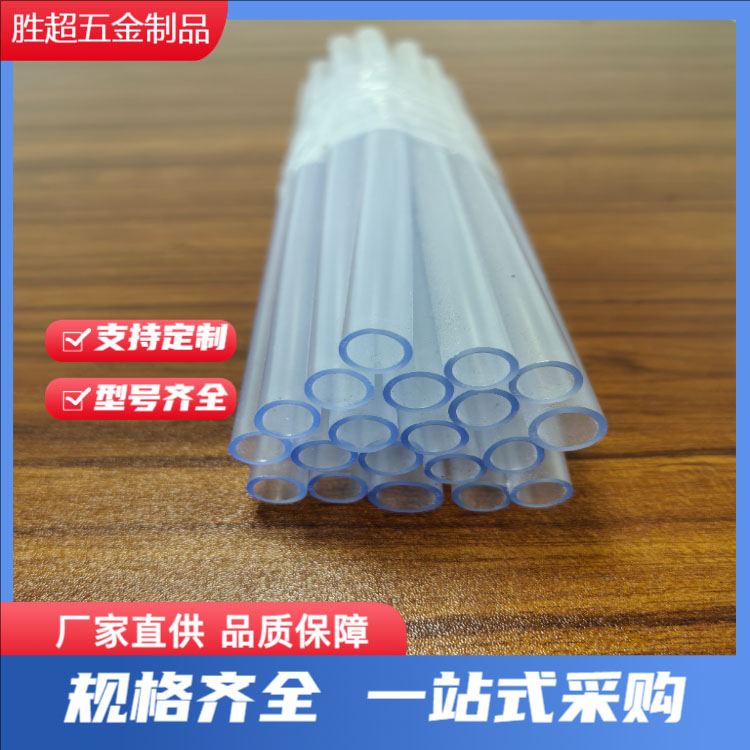
PVC profiles are made from polyvinyl chloride (PVC) resin, along with a certain proportion of stabilizers, colorants, fillers, and UV absorbers. These materials are extruded into shapes. Widely used in construction and renovation fields, here's an overview for you:
Features
Excellent physical propertiesExcellent rigidity, elasticity, corrosion resistance, and aging resistance; commonly used as a substitute for non-ferrous metals such as copper, zinc, and aluminum.
Strong chemical stabilityExcellent resistance to acids, alkalis, salts, and other chemicals; PVC is often chosen for anti-corrosion pipelines and reaction vessel linings in chemical production. It maintains stability in complex chemical environments, reducing equipment corrosion and maintenance costs.
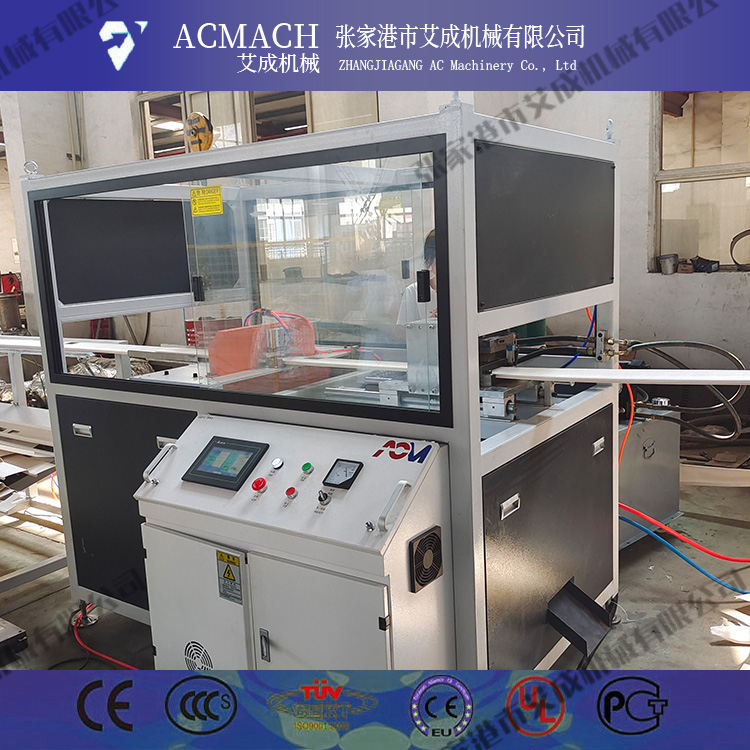
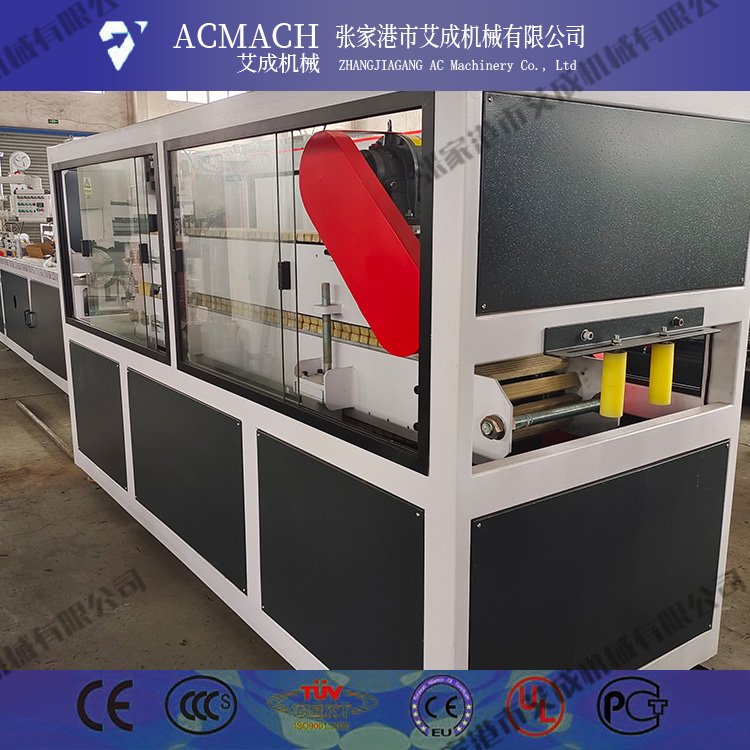
Highly processableAvailable for various processing methods such as extrusion, injection molding, and calendering, we can produce products in a wide range of shapes. For instance, window and door manufacturers use the extrusion process to make profiles from PVC for windows and doors, which are then assembled into aesthetically pleasing and practical units. Toy manufacturers, on the other hand, transform PVC materials into a variety of shaped toys through injection molding.
Excellent insulating propertiesIt's challenging for electricity to pass through PVC, which is often used as the insulation layer in cables and wires, ensuring electrical safety and significantly reducing the risk of leakage.
Self-extinguishing propertiesPVC is flame retardant and can delay the spread of fire when exposed to a flame source. In the event of a fire, certain ceiling and wall materials made of PVC in buildings can provide valuable time for evacuation.