


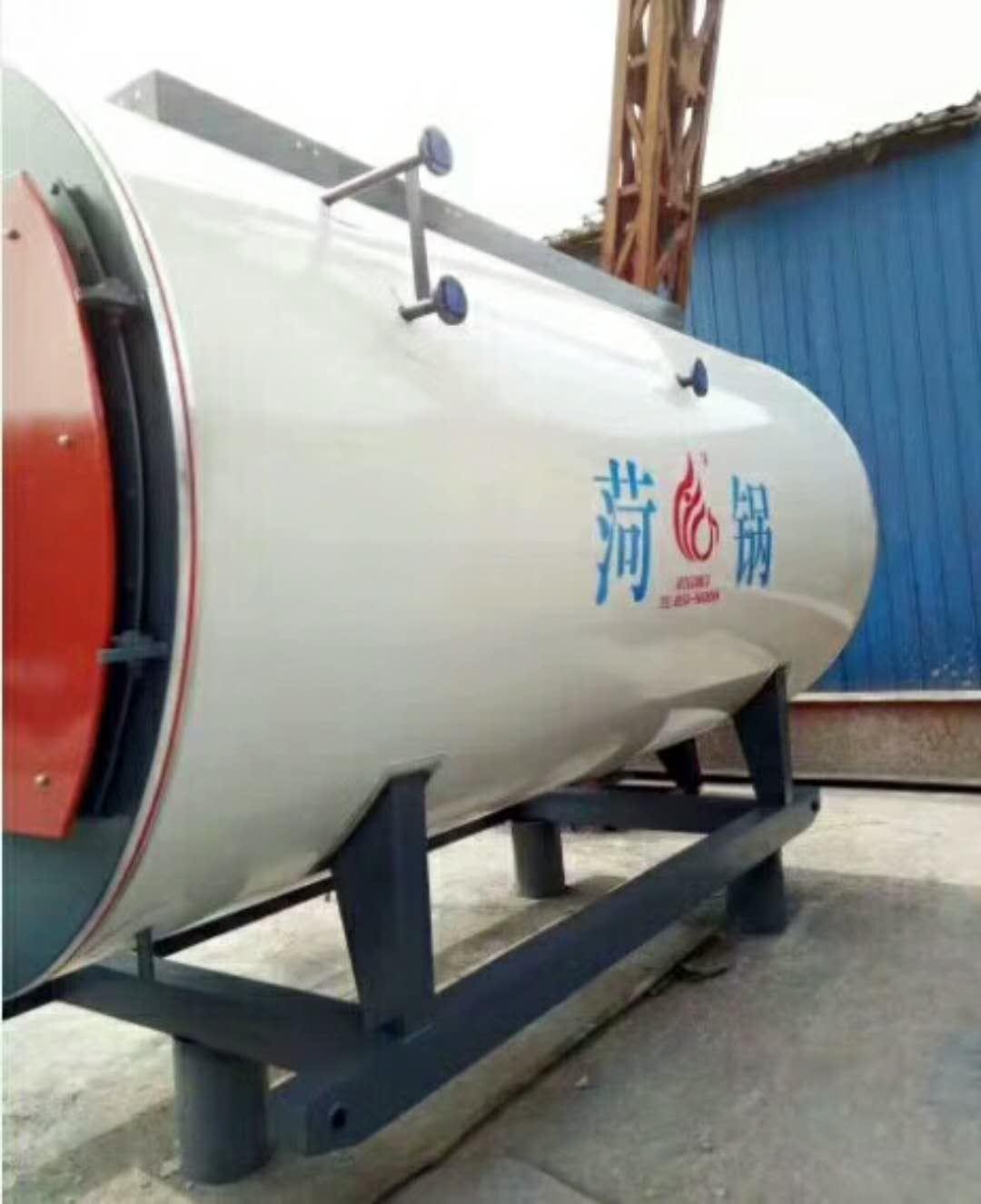


















Shandong Zhongjie Special Equipment's main products include: fuel (gas) boilers, organic heat carrier boilers, biomass boilers, waste heat boilers, and other boiler products; vacuum insulation cryogenic pressure vessels such as LNG storage tanks, oxygen/nitrogen/argon storage tanks, CO2 storage tanks; pressure vessel products like denitrification engineering equipment, heat storage and energy storage equipment, and complete chemical equipment; central air conditioning and HVAC equipment such as ground (water) source heat pumps, air source units, water-cooled screw units, and air-cooled modular units. Planned products include large-scale energy centers, LNG transport vehicles, LNG tank containers, and other green energy equipment.
The oxygen-filling process for liquid oxygen tanks must adhere to specific operational procedures and safety measures. Here are the steps for filling liquid oxygen tanks:
Preparation: Ensure the tanks and oxygen-filling equipment are in good working condition; check the tank's sealing integrity and the proper operation of the safety valves.
Connect equipment: Link the oxygenation equipment to the tank, ensuring the connection is sealed reliably.
Prepare liquid oxygen: Transfer liquid oxygen from the storage container to the oxygen storage tank of the filling equipment. During the transfer, be cautious to avoid any leakage or contact with the liquid oxygen.
Oxygen Filling Operation: Open the valve of the oxygen filling equipment and fill liquid oxygen from the oxygen storage tank into the storage tank. During the filling process, control the filling speed and pressure to avoid excessive tank pressure and temperature rise.
Monitoring and Control: During the aeration process, the tank's pressure and temperature must be monitored to ensure they remain within safe limits. In the event of any abnormalities, aeration should be halted immediately and appropriate actions taken.
Oxygen Filling Completed: Close the valve of the oxygen filling equipment and stop the filling operation once the tank reaches the required oxygen level or pressure.
Safety Handling: After the oxygenation is completed, safety handling is required, including closing relevant valves and emptying any remaining liquid oxygen from the oxygenation equipment.
Note that liquid oxygen is highly oxidizing and flammable; the oxygen-filling process must strictly adhere to relevant safety operation procedures and standards. Operators should receive training and strictly follow the operational procedures and safety measures to ensure the safety and reliability of the oxygen-filling process.
The process of adjusting oxygen supply using liquid oxygen storage tanks generally involves the following steps:
Liquid Oxygen Storage Tank Oxygen Supply System: Typically, a liquid oxygen storage tank oxygen supply system is installed, which includes a liquid oxygen storage tank, liquid oxygen transmission pipeline, and pressure regulating devices, etc. The liquid oxygen in the storage tank is transported through the pipeline to the pressure regulating device.
Pressure Regulator: The pressure regulator is used to convert high-pressure liquid oxygen into the required low-pressure oxygen. It typically includes a pressure control valve, a reducer, and a flow meter. The pressure control valve is used to regulate the pressure of the oxygen, the reducer is used to reduce the pressure of the high-pressure liquid oxygen to the desired low pressure, and the flow meter is used to measure the flow rate of the oxygen.
Oxygen Delivery Pipeline: Low-pressure oxygen exiting the pressure-regulating unit is transported through the delivery pipeline to areas requiring oxygen supply, such as wards and operating rooms. The输送 pipelines are typically made of stainless steel or plastic, offering excellent airtightness and corrosion resistance.
Oxygen Interface: Install oxygen interfaces at locations requiring oxygen supply, such as hospital beds or operating tables. Oxygen interfaces typically include oxygen flow regulators and connectors, used for adjusting oxygen flow and connecting to oxygen masks or tubes.
Oxygen Supply and Regulation: Adjust the pressure and flow of oxygen by controlling the pressure valve of the pressure regulator. Modify the flow and concentration of oxygen according to the patient's needs, ensuring they receive an adequate oxygen supply.
Note that when using liquid oxygen storage tanks for pressure-regulated oxygen supply, it is crucial to adhere to the relevant equipment operation and safety procedures. Operators must have the necessary training and skills to ensure the normal and safe operation of the oxygen supply system. Furthermore, regular inspections and maintenance of the system's equipment and pipelines are essential to ensure their proper functioning and safety.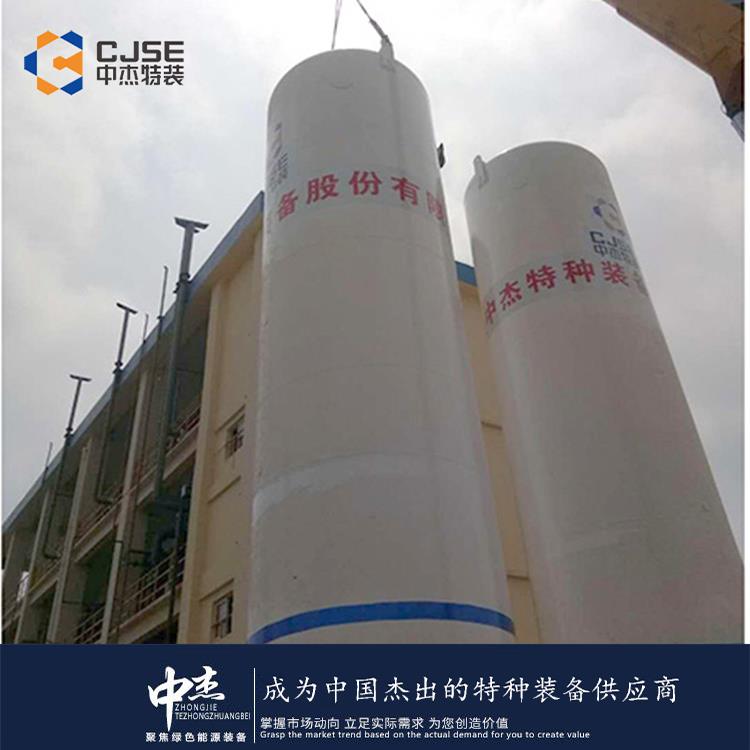
Proper installation of the safety valve on liquid oxygen tanks is a crucial step to ensure safe operation. Here are the installation steps for the safety valve on liquid oxygen tanks:
Select the appropriate safety valve: Choose a suitable safety valve based on the design pressure and flow requirements of the liquid oxygen storage tank. Ensure that the rated pressure and flow of the safety valve meet the tank's specifications and comply with relevant safety standards and regulations.
Valve Installation Location: Choose a suitable location to install the safety valve. Typically, the safety valve should be mounted on the top or side of the liquid oxygen storage tank to allow for timely pressure release in case of overpressure conditions.
Prepare installation interfaces: Prepare the corresponding interfaces according to the connection method of the safety valve. This may include welding interfaces, threaded interfaces, or flange interfaces, etc. Ensure the sealing and firmness of the connections.
Install the safety valve: Mount the safety valve onto the prepared interface. Follow the installation instructions for the safety valve to ensure proper connection and tightening.
Adjustment and Testing: After installation, adjust and test according to the safety valve specifications. Ensure the opening and closing pressures of the safety valve meet the design requirements, and conduct a leak test to ensure its sealing.
Identification and Record: Mark relevant information on the safety valve, such as rated pressure, flow rate, and installation date. Also, record the installation details and test results of the safety valve for future reference and maintenance.
When installing the liquid oxygen safety valve, it is imperative to follow the relevant safety regulations and operational guidelines. If you lack the necessary experience and knowledge, it is advisable to seek assistance and guidance from a professional to ensure the correct installation and reliable operation of the safety valve.
Zhongjie Special Equipment is a company specializing in the manufacturing of low-temperature liquid storage tanks. They offer a range of specifications and capacities, including liquid nitrogen tanks, liquid oxygen tanks, liquid argon tanks, and more.
The Zhongjie low-temperature liquid storage tanks are made with high-quality materials and advanced manufacturing techniques, ensuring the tank's strength and sealing integrity. The internal design utilizes special insulation materials and structures, effectively reducing liquid evaporation losses.
The low-temperature liquid storage tank from Zhongjie features the following characteristics:
High safety: Tanks are made of materials with excellent pressure resistance and sealing properties, capable of safely storing low-temperature liquids.
Low evaporation loss: Insulation materials and structural design within the tank effectively reduce liquid evaporation loss, enhancing the tank's economic efficiency.
Multiple specifications and capacities available: Zhongjie offers a variety of sizes and capacities for low-temperature liquid storage tanks to meet diverse customer needs.
Customized Design: According to the specific requirements of our clients, Zhongjie can offer customized design and manufacturing services to cater to various application scenarios.
Quantitative Manufacturing Process: Zhong Jie's equipped manufacturing facilities and technical team ensure the quality and performance of the storage tanks.
In summary, Zhongjie's custom-made low-temperature liquid storage tanks offer high safety, low evaporation loss, and a variety of specifications, making them suitable for storage and transportation needs of low-temperature liquids.
Changjie Special Equipment adheres to the great vision of "realizing employee dreams, creating customer value, and striving for the prosperity and strength of our motherland," devoting itself wholeheartedly to the development of green energy equipment. We dedicate products and services with high performance and cost-effectiveness to society!
WeChat Official Account

Scan to follow Official Account



















