


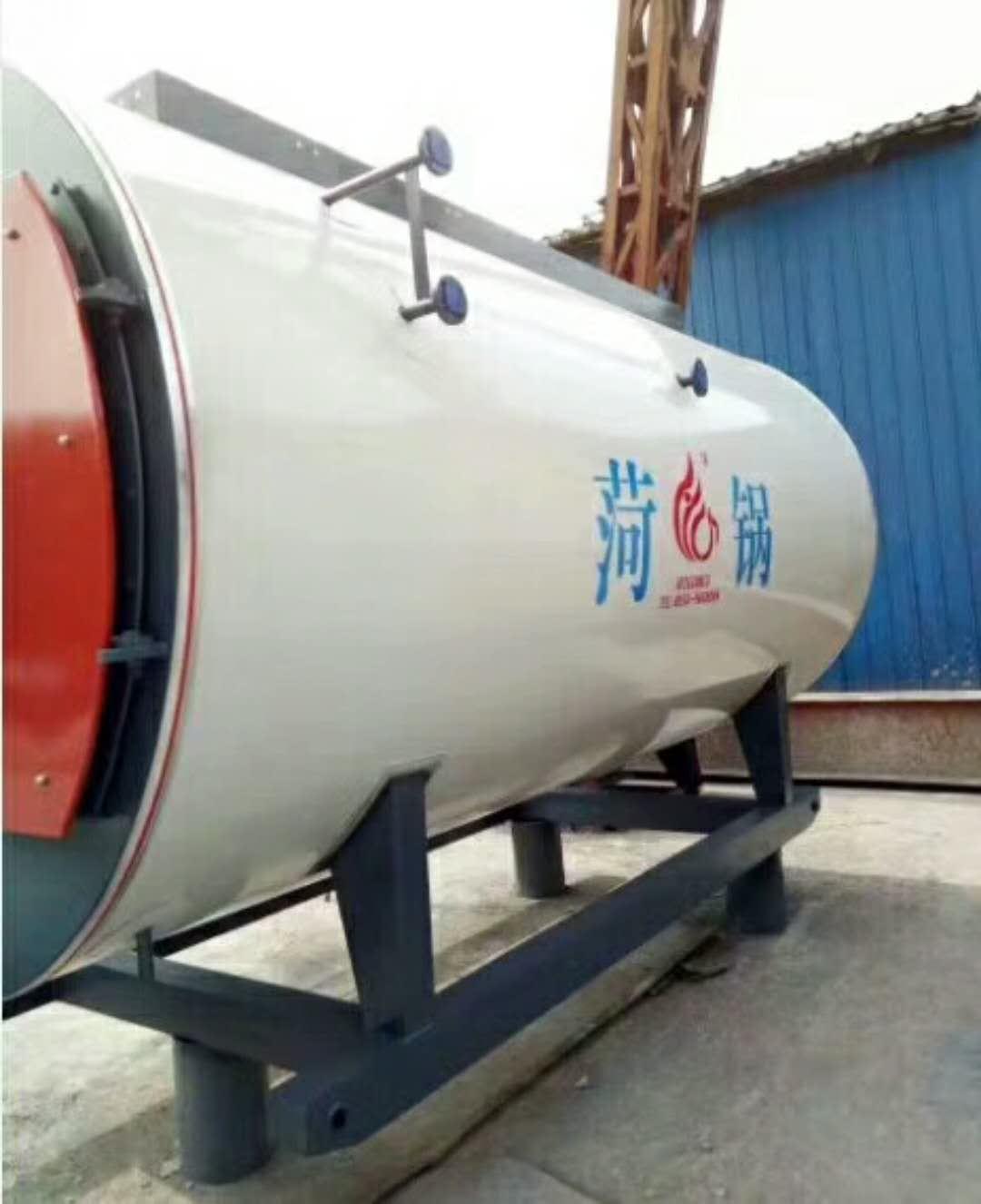

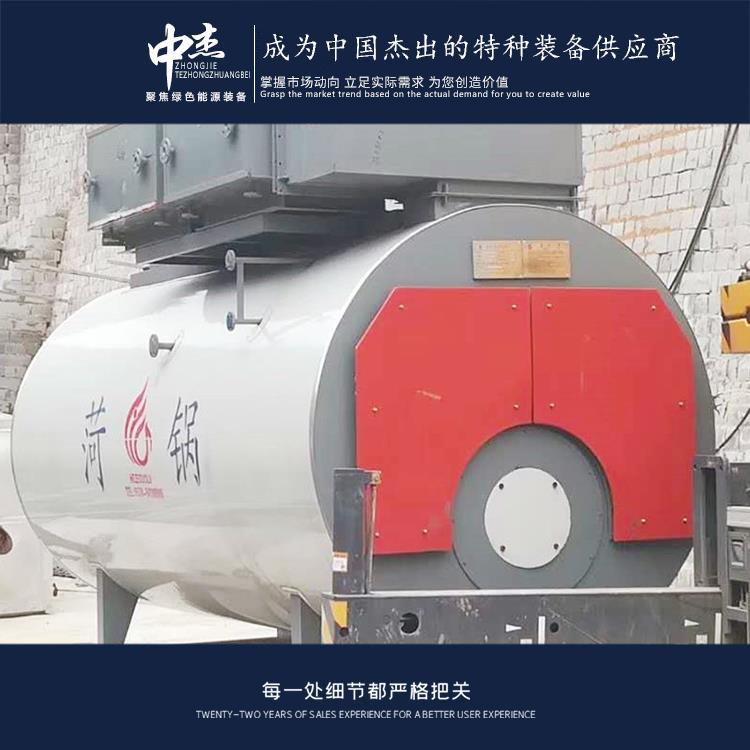


















Shandong Zhongjie Special Equipment Co., Ltd. specializes in the following products: fuel (gas) boilers, organic heat carrier boilers, biomass boilers, waste heat recovery boilers, and other boiler products; vacuum insulation cryogenic pressure vessels such as LNG tanks, oxygen/nitrogen/argon tanks, and CO2 tanks; pressure vessel products including denitrification engineering equipment, heat storage and energy storage equipment, and complete chemical equipment sets; central air conditioning and HVAC equipment such as ground (water) source heat pumps, air source units, water-cooled screw units, and air-cooled modular units. Planned products include large-scale energy centers, LNG transport vehicles, LNG tank containers, and other green energy equipment.
Properly utilizing fuel-gas boilers can enhance energy efficiency and reduce consumption. Here are some suggestions:
1. Select the right boiler model: Choose a suitable fuel-gas boiler model based on actual needs, considering factors like heat load, fuel type, and combustion efficiency.
2. Regular inspection and maintenance: Conduct regular checks and maintenance to ensure the boiler operates smoothly. This includes cleaning burners, inspecting the combustion system, adjusting parameters, and promptly repairing or replacing damaged parts.
3. Control the combustion process: Manage the combustion process to ensure it is thorough and stable. Adjust burner parameters, such as air and fuel flow, to improve efficiency and minimize waste.
4. Heat recovery: Utilize heat recovery systems to capture and reuse excess heat from flue gases, for heating water or other thermal processes, thus increasing energy efficiency.
5. Control boiler operating parameters: Adjust boiler operating parameters like water level, pressure, and temperature based on actual needs and conditions, avoiding excessively high or low settings to enhance efficiency and safety.
6. Regularly clean heat exchangers: Clean the heat exchangers of fuel-gas boilers regularly to remove dirt and deposits, maintaining their thermal conductivity and reducing energy loss.
7. Energy management: Establish an energy management system, monitor and analyze energy consumption, and develop reasonable energy use plans and conservation measures. Through scientific management, improve energy efficiency and reduce consumption.
These are common methods and suggestions, but specific applications should be determined based on actual conditions and boiler characteristics. Also, adhere to relevant laws, regulations, and safety operating procedures to ensure safe operation of fuel-gas boilers.
In the burner of a thermal oil furnace, adjusting the air shutter under low flame conditions is crucial. Here are some common sense tips and注意事项: The function of the air shutter: The air shutter is a key component in the burner that controls the supply of combustion air. By adjusting the opening of the air shutter, the flow of combustion air can be controlled, thereby affecting the oxygen supply and combustion effect during the combustion process. Adjusting under low flame conditions: Under low flame conditions, the burner needs to maintain stable combustion to ensure combustion efficiency and heat output. In this case, it is necessary to adjust the opening of the air shutter appropriately to maintain an adequate supply of combustion air. Generally, the opening of the air shutter is relatively small under low flame conditions to maintain an appropriate oxygen supply, avoiding incomplete combustion or instability. The ratio of combustion air to fuel: Under low flame conditions, it is necessary to ensure that the ratio of combustion air to fuel is appropriate. Too much combustion air can lead to incomplete combustion and energy waste, while too little can cause instability and the production of harmful gases. By adjusting the opening of the air shutter, the ratio of combustion air to fuel can be controlled to achieve stable combustion effects. Burner tuning and optimization: During the installation and tuning of the burner of a thermal oil furnace, appropriate tuning and optimization are required. Through actual operation and monitoring, adjust the opening of the air shutter and other parameters to achieve the best combustion effect and energy efficiency performance. This requires...
Chemical cleaning of industrial boilers is a common cleaning method that effectively removes dirt and deposits inside the boiler, enhancing heat exchange efficiency and extending the boiler's lifespan. Below are the general steps and methods for industrial boiler chemical cleaning:
Preparation: Turn off the boiler's power and gas supply, drain the water and steam inside the boiler, and ensure the boiler is in a safe condition. Prepare the required chemical cleaning agents and cleaning equipment.
Cleaning Agent Selection: Choose a suitable chemical cleaning agent based on the boiler's material and the nature of the dirt. Common cleaning agents include acidic cleaners, alkaline cleaners, and chelating agents.
Cleaning Agent Circulation: Dissolve the cleaning agent in an appropriate amount of water and circulate it into the boiler using a pump. Determine the circulation time and temperature of the cleaning agent based on the size of the boiler and the extent of the dirt.
Cleaning Agent Action: During circulation, the cleaning agent reacts chemically with the dirt inside the boiler, dissolving and decomposing it. Acidic cleaners can remove rust and scale, while alkaline cleaners can remove grease and organic matter.
Rinsing and Neutralizing: After the cleaning agent circulation ends, rinse the boiler with clean water to flush out the cleaning agent and dissolved dirt. At the same time, use a neutralizer to neutralize any remaining acidic or alkaline substances, ensuring the boiler's neutrality.
Inspection and Maintenance: After cleaning, inspect the boiler to ensure the cleaning effect and normal operation. Perform necessary maintenance and repair work as needed.
Points to note when conducting industrial boiler chemical cleaning:
- Adhere strictly to the instructions and safety operating procedures for chemical cleaning agents to ensure the safety of the operators.
- Choose the appropriate cleaning agent and method based on the boiler's material and the properties of the cleaning agent.
- Control the concentration, temperature, and circulation time of the cleaning agent to avoid unnecessary damage to the boiler.
- Monitor the concentration and pH value of the cleaning agent in a timely manner during the cleaning process and adjust the cleaning conditions.
- After cleaning, flush the boiler to ensure the complete removal of cleaning agents and dirt.
- After cleaning, perform boiler maintenance and repair promptly to ensure normal operation and long-term use.
Energy-saving of steam boilers is crucial for the following reasons: Energy Costs: Steam boilers typically use fuels (such as coal, gas, oil, etc.) to produce steam, and energy costs account for a significant portion of the boiler's operating expenses. Energy-saving measures can reduce energy consumption and lower costs. Environmental Protection: The combustion process of steam boilers generates exhaust gases and dust, causing environmental pollution. Energy-saving can decrease fuel consumption and reduce emissions, having a positive impact on environmental protection. Sustainable Development: Energy-saving is one of the key aspects of sustainable development. By reducing energy consumption and extending the boiler's lifespan, resources can be conserved and waste minimized, contributing to sustainable practices. To achieve energy-saving, the following measures can be taken: Improving Boiler Thermal Efficiency: By enhancing the boiler's combustion system, optimizing combustion parameters, and improving heat exchange efficiency, the boiler's thermal efficiency can be increased, reducing energy waste. Heat Recovery Utilization: Using waste heat recovery systems, the excess heat from the boiler's exhaust gases can be recovered and utilized for heating water or other processes requiring heat, enhancing energy efficiency. Application of Energy-saving Equipment: The use of energy-saving equipment such as variable frequency drives, energy-saving burners, and heat pumps can lower energy consumption and improve the overall efficiency of the boiler.
Our company attaches great importance to technological innovation and research and development. We have one municipal enterprise technology center in Heze City, with testing facilities for non-destructive testing, physical and chemical tests, welding tests, hydrostatic tests, etc. We are equipped with over 600 types of equipment, including CNC machine tools, X-ray flaw detectors, digital ultrasonic flaw detectors, mechanical property testing machines, chemical analyzers, spectrometers, tensile testing machines, plasma welding machines, and more. Our key products, such as thermal pressure vessel welding, biomass boiler emission reduction, and waste heat utilization, have been selected for multiple Shandong Provincial Department of Industry and Information Technology science and technology projects, Shandong Provincial key projects, and Heze City innovation and excellence projects. We have accumulated a total of 27 authorized utility models, 16 authorized inventions, participated in drafting 2 standards, 2 industry standards, and registered 15 trademarks. The technology for deep cryogenic vessel processing, jointly developed by our technical team and Professor Li Yajiang of Shandong University, uses the internationally recognized plasma arc + filler wire tungsten inert gas (PAW-GTAW) welding technology. After being appraised as a provincial-level scientific and technological achievement, the technology has reached an international level in the field of deep cryogenic vessel manufacturing.
Choose ZJETT Customization, let's create brilliance together!
WeChat Official Account

Scan to follow Official Account



















