


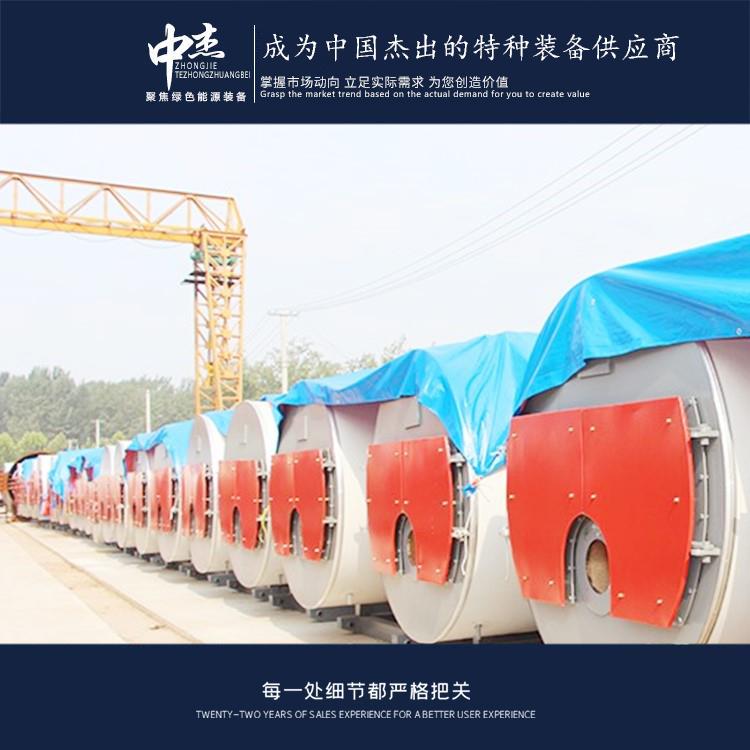

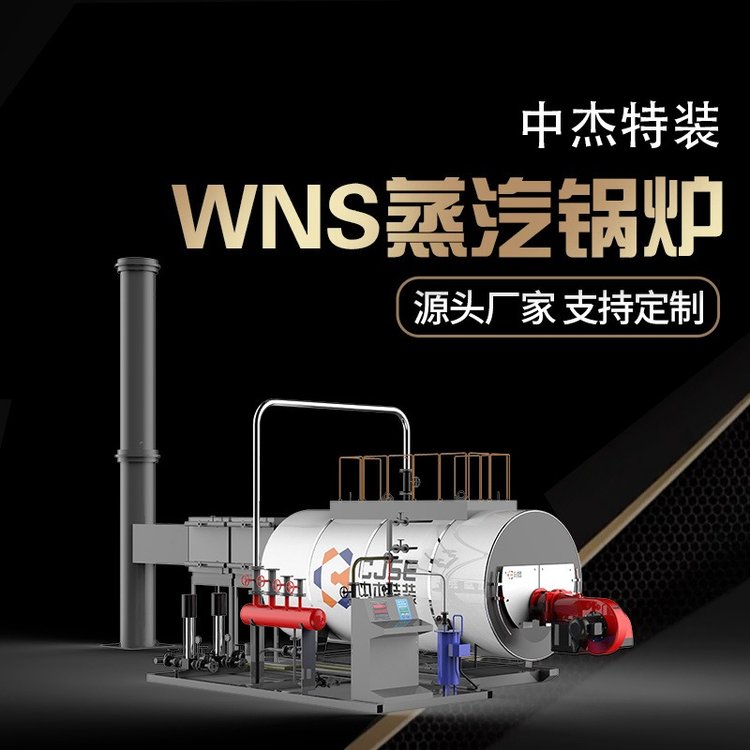
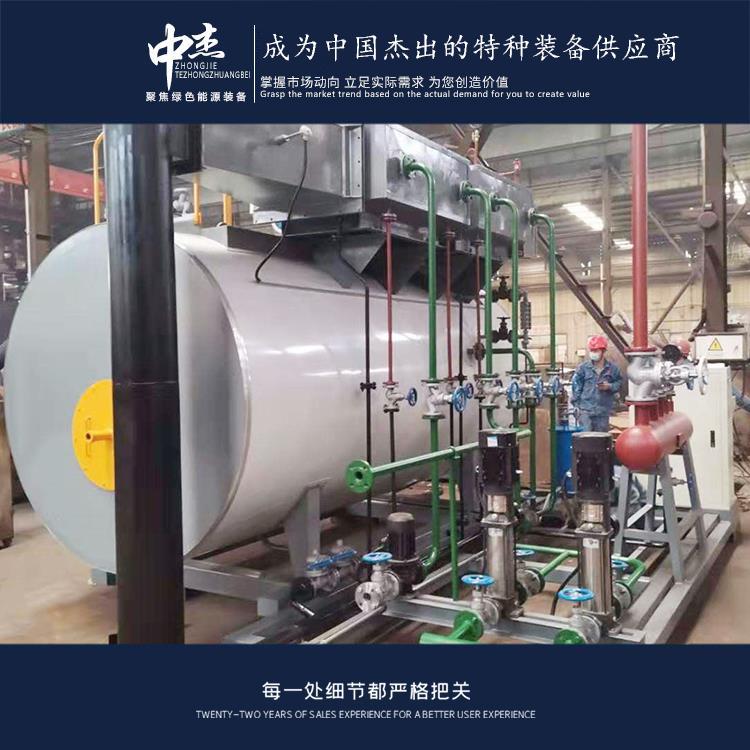


















Shandong Zhongjie Special Equipment (formerly Heze Boiler Factory Co., Ltd.) was established in 2001, located at No. 2218 Jinnan Road, Development Zone, Heze City, with a registered capital of 50 million yuan and total assets of 500 million yuan. The company has 7 business centers: boilers, deep-freeze containers, pressure vessels, central air conditioning, engineering installation, international trade, and the Internet of Things. It has three factory sites on Jinnan Road, East Changjiang Road, and Bohai Road, covering a total of 200,000 square meters. The main workshop spans 83,000 square meters. Currently, it employs 710 staff, including 247 engineers and technicians and 82 intermediate-level technicians. In December 2016, it was recognized as a "High-tech Enterprise" by the Science and Technology Department. In June 2021, it was named a "Specialized and New Enterprise in Shandong Province" by the Department of Industry and Information Technology. In June 2022, it was identified as a "Gazelle Enterprise in Shandong Province" and in August 2022, it was recognized as a "Specialized and New Small Giant Enterprise" by the Ministry of Industry and Information Technology.
When a gas steam boiler experiences overpressure, the following immediate measures must be taken:
1. Shut off gas supply: First, immediately close the gas supply to cut off the fuel source and stop the combustion process to prevent further increase in steam pressure.
2. Release pressure: Open the boiler's pressure relief device, typically a safety valve. The safety valve is a crucial safety feature of the boiler that automatically opens when the internal pressure exceeds the set value, releasing overpressure steam to reduce the boiler pressure.
3. Reduce burner load: If the overpressure is due to excessive burner load, reduce the burner load to decrease steam production and thereby lower the boiler pressure. Adjust the gas supply to the burner or the burner's adjustment method to match the current load requirements.
4. Inspection and maintenance: After an overpressure event, the boiler should be inspected and maintained to identify the cause of the overpressure and make repairs. Possible causes include burner failure, control system issues, valve malfunctions, etc. If necessary, a boiler maintenance technician can be called in for inspection and maintenance.
It is important to note that overpressure is a dangerous condition in boiler operation and must be addressed promptly. When dealing with overpressure, operators should remain calm, follow safety procedures, and ensure their own safety. If unsure how to handle an overpressure situation, immediately contact a boiler maintenance technician or relevant technical support personnel for assistance.
If gas boiler gas leakage is detected, immediate action should be taken as follows:
1. Immediately shut off the gas supply: First, quickly close the gas supply valve to cut off the gas supply. This prevents further leakage and reduces safety risks.
2. Ventilation: Open windows and doors to ensure indoor air circulation and expel any remaining gas. This lowers the indoor gas concentration, reducing the risk of explosion and poisoning.
3. Avoid open flames and electrical appliances: In the event of gas leakage, avoid using open flames and electrical equipment to prevent fire or electrical sparks that could cause an explosion.
4. Do not operate electrical switches: Do not operate electrical switches, including lights, televisions, computers, etc., to avoid causing sparks that might lead to an accident.
5. Contact the gas company or personnel: Promptly contact the local gas company or personnel, report the gas leakage, and request them to inspect and handle the situation.
6. Do not use a mobile phone or make phone calls: In cases of suspected gas leakage, do not use a mobile phone or make phone calls to avoid static electricity causing an explosion.
7. Keep away from the leakage area: Try to keep a safe distance from the leakage area to ensure personal safety. Do not approach the gas boiler or the leakage point to avoid injury.
Remember, handling gas boiler gas leakage is a dangerous task that requires caution. It is best left to trained personnel to ensure safety.
Yes, durable thermal oil boilers typically have a longer service life. Here are some reasons: Material Quality: Thermal oil boilers are made with high-quality materials such as heat-resistant and corrosion-resistant steel and alloy materials. These materials can withstand high temperatures and pressures, offering good durability and corrosion resistance, thereby extending the boiler's lifespan. Design and Manufacturing Process: Durable thermal oil boilers usually employ design and manufacturing processes that ensure longevity. Rational structural design and precise manufacturing techniques reduce stress concentration and thermal stress, enhancing the boiler's stability and durability. Regular Maintenance and Care: Regular maintenance and care are crucial for extending the life of thermal oil boilers. Regularly cleaning and inspecting the internal pipes, flues, and burners, and promptly replacing worn-out parts, can minimize malfunctions and damage, thus extending the boiler's lifespan. Proper Operation and Management: Correct operation and management are also vital factors in ensuring the longevity of thermal oil boilers. Operators should follow the operation manual and procedures, avoid overloading and improper operation, and ensure the boiler operates safely and stably. It's important to note that even durable thermal oil boilers require regular inspections and maintenance to ensure proper operation and extend their lifespan. Additionally, the boiler's lifespan is also affected by factors such as the operating environment, load conditions, and operating methods. Therefore, proper use and maintenance are key to ensuring the longevity of thermal oil boilers.
Proper selection of a thermal oil heater requires considering the following aspects:
- Heat Load Demand: First, determine the required heat load for the thermal oil heater, i.e., the heat energy needed. Based on actual requirements, select the rated power and heat load range of the heater to ensure it can meet the required heat supply.
- Operating Temperature and Pressure: The operating temperature and pressure range of the thermal oil heater must match the actual application scenario. Choose the appropriate temperature and pressure range based on process requirements and working environment to ensure stable operation.
- Thermal Oil Type: Select the appropriate type of thermal oil based on process requirements and working environment. Common types include silicone thermal oil, organic thermal oil, and mineral oil thermal oil, each with different operating temperature ranges and performance characteristics. Choose according to actual needs.
- Equipment Quality and Reputation: Choose a supplier with a good reputation and quality. Ensure the manufacturing process and material quality of the thermal oil heater are reliable, providing stable performance and after-sales service.
- Safety and Environmental Protection: The safety and environmental protection of the thermal oil heater are important considerations. Select a heater with safety protection devices and environmental certifications to ensure safety for personnel and equipment during operation.
- Cost-effectiveness and Energy Efficiency: Consider the cost-effectiveness and energy efficiency of the thermal oil heater. Choose a heater with high energy efficiency and energy-saving features to reduce energy consumption and operating costs.
- Considering all these factors, selecting the appropriate thermal oil heater based on actual needs can ensure the stable operation of the equipment.
Shandong Zhongjie Special Equipment, welcome customers to our factory for business discussions.
WeChat Official Account

Scan to follow Official Account



















