


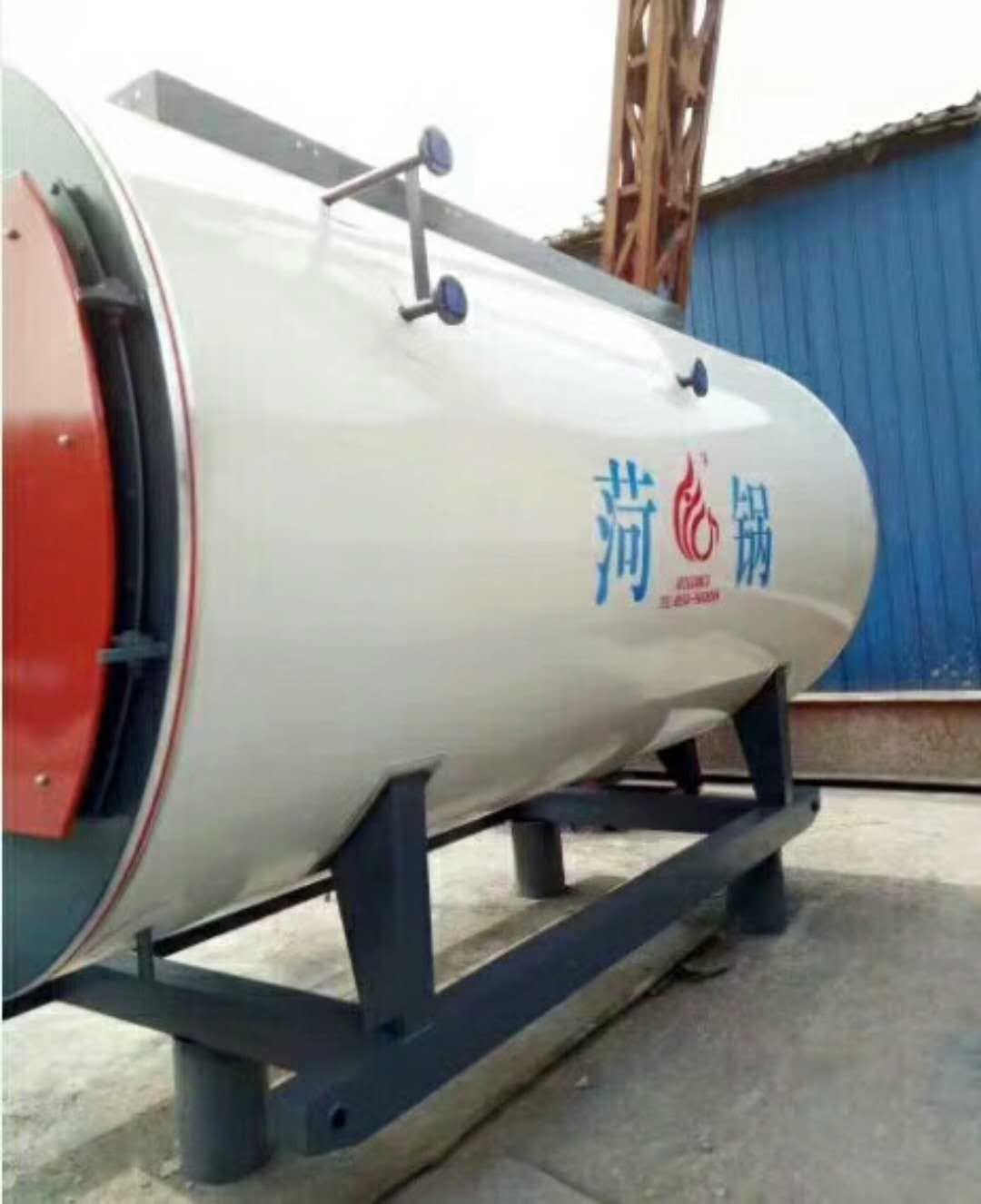

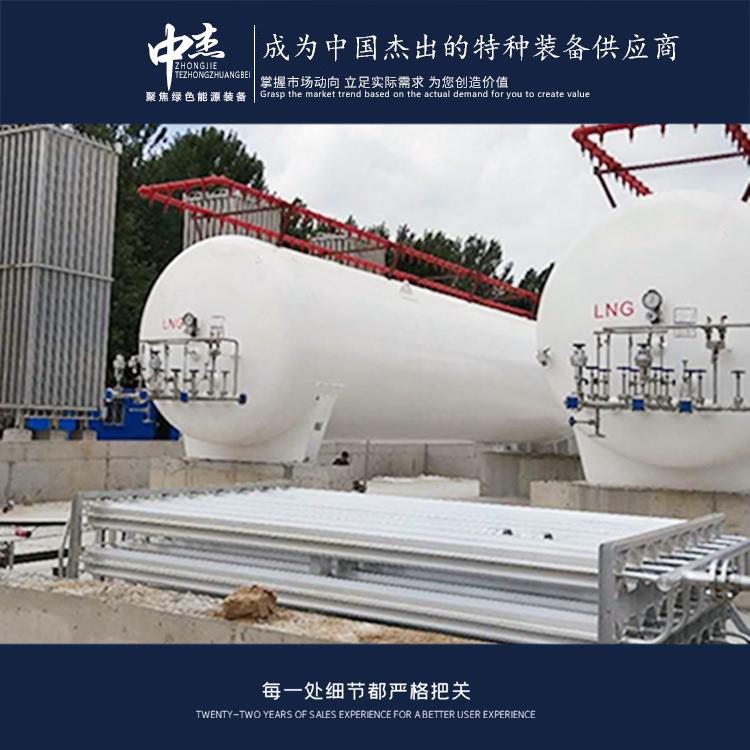
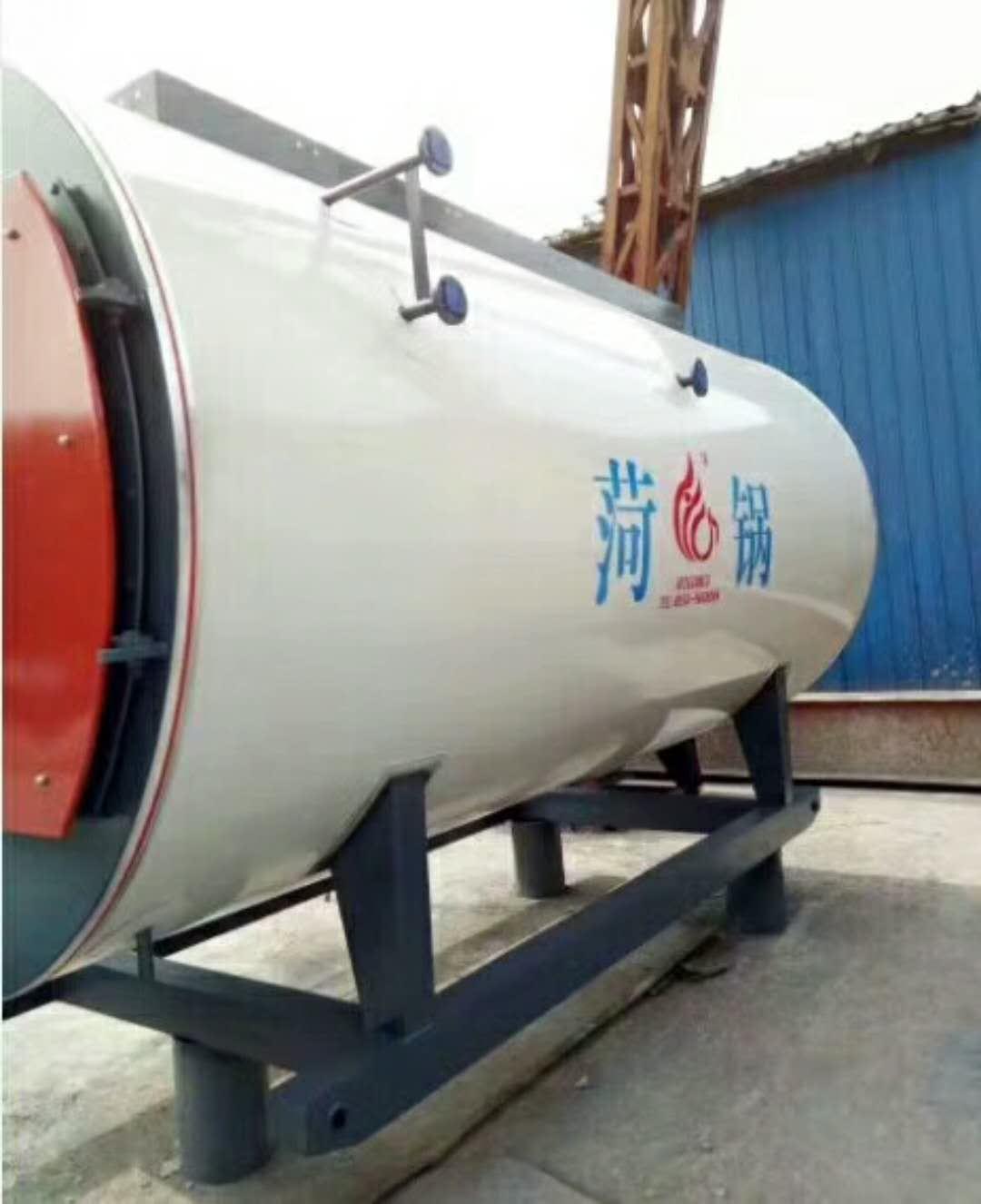


















Shandong Zhongjie Special Equipment (formerly Heze Boiler Factory Co., Ltd.) was established in 2001, located at No. 2218 Jinnan Road, Economic and Technological Development Zone, Heze City. With a registered capital of 50 million yuan and total assets of 500 million yuan, the company has 7 business centers: boilers, deep-freezing containers, pressure vessels, central air conditioning, engineering installation, international trade, and Internet of Things. It has three factory sites on Jinnan Road, East Changjiang Road, and Bohai Road, covering a total area of 200,000 square meters, with the main workshop area at 83,000 square meters. Currently, it has 710 employees, including 247 engineers and technicians, and 82 intermediate-level technicians. In December 2016, it was recognized as a "High-tech Enterprise" by the Science and Technology Department. In June 2021, it was identified as a "Specialized and New Enterprise in Shandong Province" by the Ministry of Industry and Information Technology. In June 2022, it was recognized as a "Gazelle Enterprise in Shandong Province" and in August 2022, it was identified as a "Specialized and New Small Giant Enterprise" by the Ministry of Industry and Information Technology.
Low-temperature liquid oxygen storage tanks typically require certain safety accessories to ensure safe operation and to address potential risks. The following are some common safety accessories for low-temperature liquid oxygen storage tanks:
Pressure sensor: Used to monitor pressure changes within storage tanks. If the pressure exceeds the set range, it triggers alarms or automatically stops filling measures to prevent overpressure in the tank.
Safety Valve: Used to automatically release gas when the pressure inside the storage tank exceeds the set value, preventing overpressure. The safety valve should be selected and installed based on the design pressure and capacity of the storage tank.
Pressure Relief Device: Designed to expel gases into a safe area when the pressure within a storage tank is too high, thus reducing the tank's pressure. The pressure relief device typically includes relief valves, relief piping, and so on.
Level sensor: Used to monitor the level changes of liquid oxygen inside the storage tank to ensure sufficient liquid oxygen supply and prevent overfilling.
Temperature Sensor: Used to monitor temperature changes within storage tanks to ensure the temperature of liquid oxygen inside remains within a safe range.
Fire Detection and Fire Suppression Systems: Designed to monitor fire risks around storage tanks and activate fire suppression systems as needed, to prevent the spread of fires to surrounding areas.
When using a 50-cubic-liter liquid oxygen storage tank, the following safety concerns should be noted:
Tank Pressure Control: Ensure the liquid oxygen pressure inside the tank is always within a safe range. Monitor and control the tank's pressure to avoid risks from excessive or low pressure.
Leakage and Fire Prevention: Regularly inspect the seals of storage tanks and related pipelines to prevent oxygen liquid leakage. Oxygen liquid is highly flammable and fire prevention measures must be taken to ensure there are no ignition sources around the storage tanks.
Explosion-proof Measures: Oxygen in the liquid oxygen tank may cause an explosion upon contact with flammable materials. Ensure there are no flammable items around the tank and implement explosion-proof measures, such as explosion-proof electrical equipment and static grounding.
Safety Valves and Emission Systems: Tanks should be equipped with safety valves and emission systems to prevent overpressure situations. Ensure the proper operation of the safety valves and the unobstructed flow of the emission systems.
Routine Maintenance and Inspection: Conduct regular maintenance and inspections of the storage tank, including cleaning, coating protection, and corrosion prevention, to ensure the structural integrity and safety of the tank.
Safety Operation and Training: Operators must undergo relevant safety training, familiarize themselves with the safe operating procedures for liquid oxygen tanks and emergency response measures. Adhere to correct operational steps to ensure safe operation.
Environmental Monitoring: Regularly monitor environmental parameters such as oxygen concentration and temperature around storage tanks to ensure safety.
Emergency Preparedness: Develop an emergency response plan including measures for leaks, fires, and explosions. Equip with appropriate emergency equipment and firefighting supplies to handle unforeseen incidents.
Above are some safety issues to be aware of when using a 50-cubic-liter liquid oxygen storage tank. To ensure safety, it is recommended to follow relevant safety regulations and operation guidelines, and seek assistance and guidance from professionals when needed.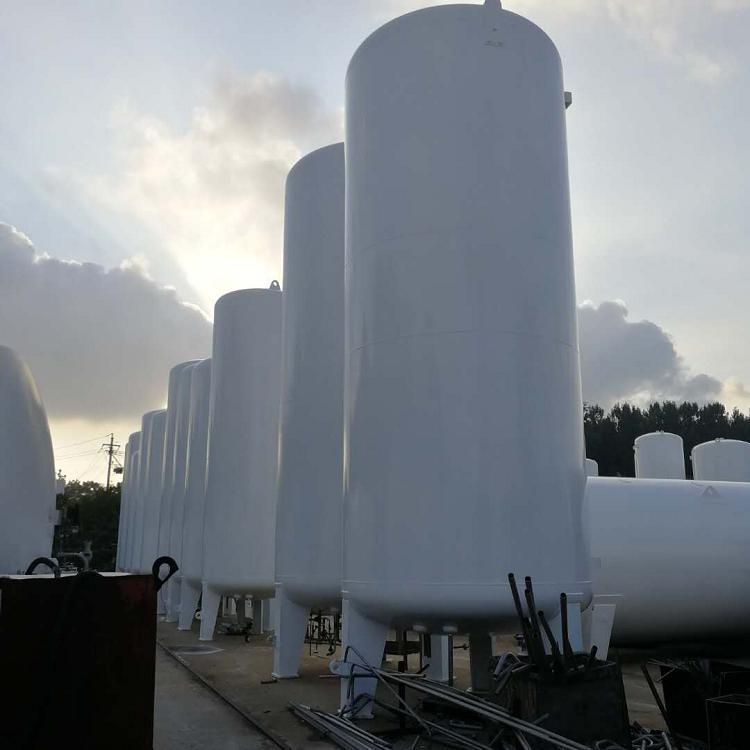
The use of liquid nitrogen storage tanks in rapid freezing technology offers several advantages:
Rapid Freezing Speed: The temperature of liquid nitrogen is low, approximately -196 degrees Celsius. Using a liquid nitrogen tank for quick freezing can rapidly lower the surface temperature of food, achieving fast freezing. Compared to traditional freezing methods, liquid nitrogen freezing can significantly reduce freezing time while preserving the quality and texture of the food.
Uniform Cryogenic Effect: The liquid nitrogen quick-freezing technology achieves rapid and even freezing of food. Liquid nitrogen is喷射 to the surface of the food in a gaseous state, quickly absorbing heat and converting into a liquid, thereby ensuring even freezing of the food and avoiding crystallization and agglomeration during the freezing process.
Maintain Food Quality: Rapid freezing with liquid nitrogen can quickly chill food, reducing crystallization and caking during the freezing process, thereby preserving the quality and texture of the food. During the rapid freezing process, liquid nitrogen swiftly lowers the surface temperature of the food, forming minute frozen structures that effectively retain the food's moisture and nutrients.
Flexibility and Adaptability: Liquid nitrogen tanks can be adjusted and controlled according to different food types and freezing requirements. The injection speed and angle of liquid nitrogen can be modified based on the size, shape, and freezing needs of the food to achieve optimal freezing results.
Environmental Protection and Energy Saving: Liquid nitrogen rapid freezing technology, compared to traditional freezing methods, can save more energy and resources. Liquid nitrogen evaporates rapidly during the freezing process, causing environmental pollution and generating waste water and gas.
Note that when using liquid nitrogen tanks for rapid freezing, it is essential to follow the relevant safety operating procedures and guidelines. Ensure that operators are equipped with the necessary safety awareness and operational skills to prevent accidents. Additionally, consult
Low-temperature liquid storage tanks offer the following features and advantages:
Features:
Low-Temperature Storage: Low-temperature liquid storage tanks can store low-temperature liquids (such as liquid nitrogen, liquid oxygen, etc.) at low temperatures, maintaining their liquid state. Liquid storage significantly enhances storage density and saves space.
Insulation: The low-temperature liquid storage tanks are equipped with special insulation materials and structural designs to effectively reduce heat conduction and retain temperature, maintaining a stable temperature for the低温 liquids. This helps to minimize energy loss and evaporation of the liquids.
Safety: The low-temperature liquid storage tank boasts excellent safety performance. The tank is made of special materials and designed with a unique structure to withstand low temperatures and high pressures. Additionally, the tank is equipped with safety devices such as pressure relief valves and liquid level alarms to ensure safe operation and use.
Utilization Advantages:
High Purity Supply: Low-temperature liquid storage tanks can provide high purity liquid supplies. Through refrigeration and purification processing, high purity liquid gases can be obtained to meet application requirements in fields such as industry and scientific research.
Long-term Storage: Low-temperature liquid storage tanks are designed for long-term storage of low-temperature liquids, extending their service life. By controlling the temperature inside the tank and the performance of the insulation layer, the evaporation and oxidation of the liquid can be slowed down, maintaining its stability and purity.
Versatile Applications: Low-temperature liquid storage tanks are widely used in various fields such as industrial, scientific research, and more. They can be used for storing liquid oxygen to provide oxygen supply; in the industrial sector, they are suitable for storing liquefied natural gas (LNG) and other process gases; in scientific research, they can store low-temperature experimental samples.
Environmental Protection and Energy Saving: Low-temperature liquid storage tanks enable effective storage and utilization of low-temperature liquids, reducing energy waste and environmental pollution. Storage of liquid substances
Zhongjie Special Equipment adheres to the great vision of "realizing employee dreams, creating customer value, and striving for the prosperity and strength of our motherland," and is dedicated to the development of the green energy equipment industry. We offer society high-quality products and services with competitive prices!
WeChat Official Account

Scan to follow Official Account



















