


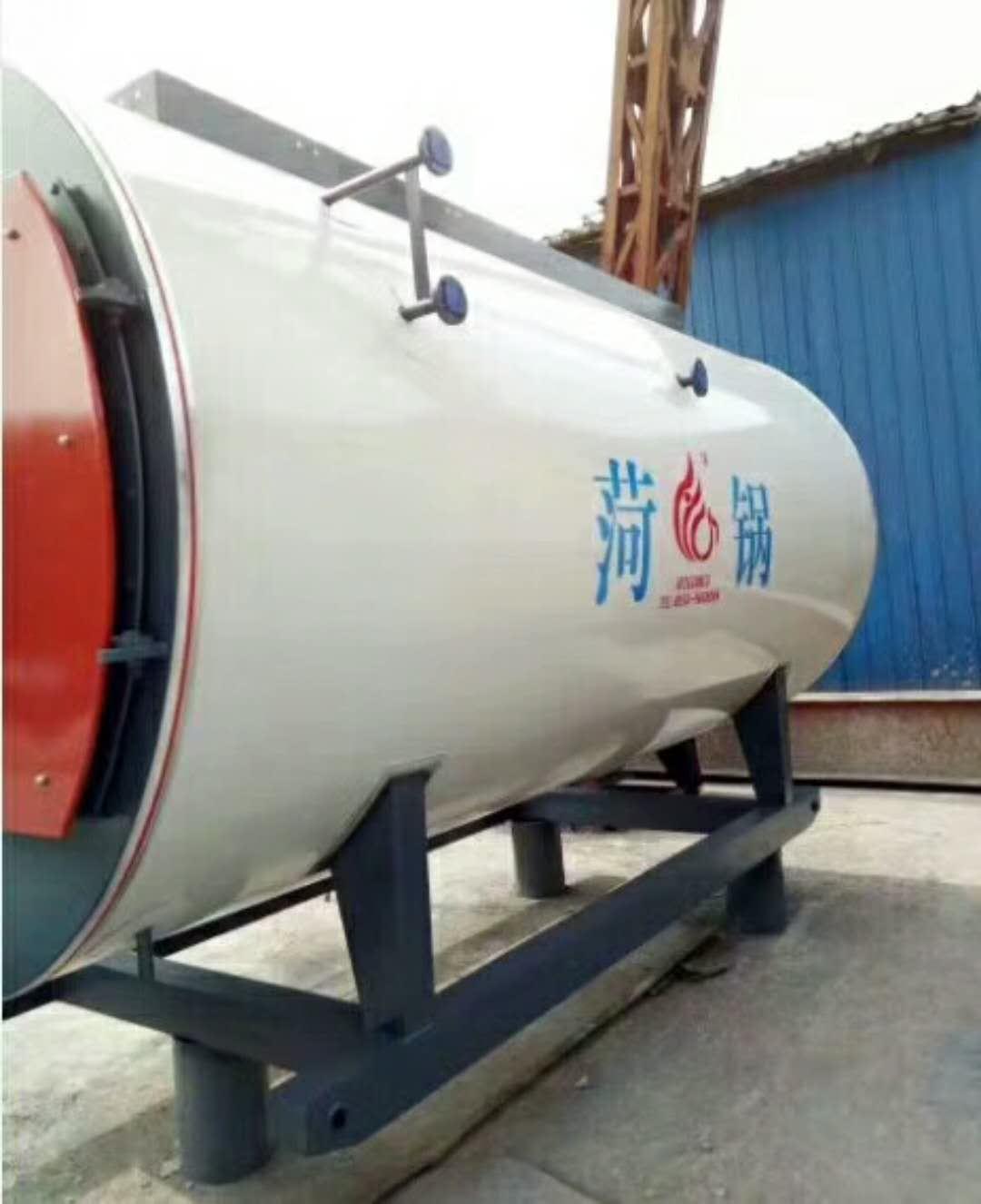

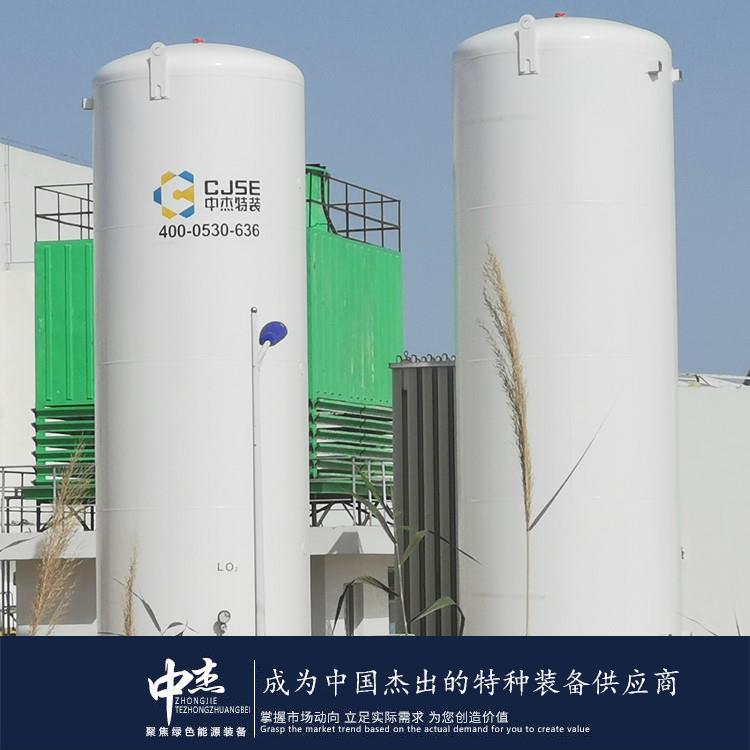
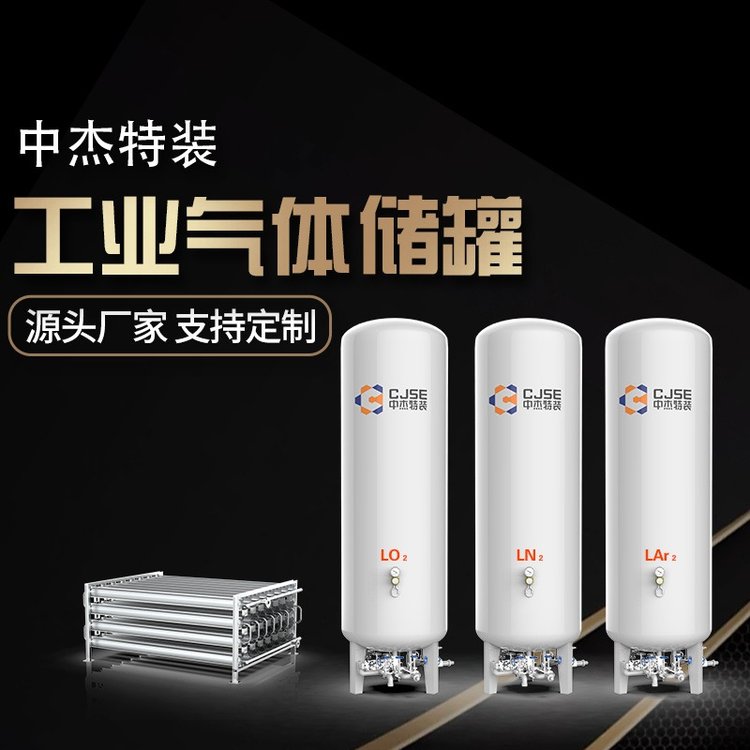


















Shandong Zhongjie Special Equipment (formerly Heze Boiler Factory Co., Ltd.) holds an A-grade boiler manufacturing license, an A2-grade pressure vessel manufacturing license, an A2-grade pressure vessel design license, a B-grade boiler installation license, and GB2/Class GC2 pressure pipeline installation licenses, as well as a mechanical and electrical equipment installation contracting qualification. It is a member of the China Boiler and Water Treatment Association, the China Chemical Equipment Association, and a director unit of the Shandong Equipment Manufacturing Association. The company has also passed the ISO9001 Quality Management System, ISO14001 Environmental Management System, OHSAS18001 Occupational Health and Safety Management System certifications, and the American ASME/U2 certification.
Filling a carbon dioxide tank involves injecting liquid carbon dioxide into the tank. Here are some precautions to consider when filling a carbon dioxide tank:
Safety Operations: Adhere to relevant safety protocols during carbon dioxide tank filling. Operators must be trained and aware of the tank's characteristics and safety considerations to ensure safe operations.
Tank Capacity Control: Ensure the filling process does not exceed the tank's rated capacity. Exceeding this capacity can lead to excessive tank pressure and increased safety risks.
Filling Rate Control: Maintain a moderate filling rate to avoid both too fast and too slow filling. Excessive speed can cause excessive internal pressure, while slow speed may lead to extended filling times.
Temperature Control: Monitor the temperature of the liquid carbon dioxide during filling. High temperatures can cause rapid evaporation, and low temperatures can lead to freezing.
Pressure Control: Maintain proper internal pressure during filling. Excessive pressure can cause tank rupture or leakage, while low pressure may result in incomplete filling.
Level Monitoring: Regularly monitor the tank's level during filling to ensure accurate measurements and prevent overfilling or underfilling.
Pressure Relief Devices: Tanks should be equipped with pressure relief devices, such as safety valves, to control internal pressure. The set pressure should meet relevant requirements and be regularly inspected and maintained.
Environmental Protection: Pay attention to environmental protection during filling to prevent leaks and contamination of liquid carbon dioxide. Use appropriate protective measures, such as sealed connections and protective devices.
The above are some precautions for carbon dioxide tank filling. When performing filling operations, follow relevant safety regulations and standards, and consult with experts to ensure safety and effectiveness.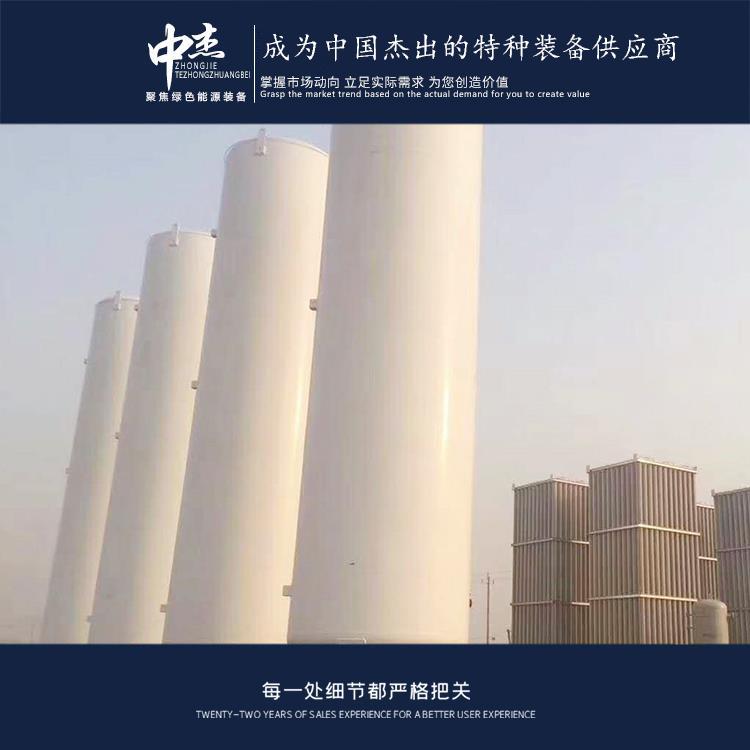
The safe operation of low-temperature carbon dioxide storage tanks is crucial and primarily involves the following aspects: Design and Manufacturing: The tank's design and construction must comply with relevant standards and regulations to ensure they can withstand working conditions under low temperatures and high pressures. The tank should have sufficient strength and sealing performance to prevent leaks and ruptures. Safety Valves and Pressure Control: The tank should be equipped with safety valves and pressure control devices to ensure internal pressure remains within safe limits. Safety valves should be inspected and tested regularly to ensure proper functioning. Temperature Control: Effective temperature control is necessary for low-temperature carbon dioxide storage tanks to prevent freezing or embrittlement due to excessively low temperatures. Appropriate insulation materials and equipment should be used to maintain the tank and pipeline temperatures within safe ranges. Leak Detection and Alarm: The tank should be fitted with leak detection devices and alarm systems, along with corresponding monitoring equipment. These devices can detect leaks promptly and trigger alarms to take appropriate actions. Safe Operation and Training: Operators should receive relevant training to understand the safe operation procedures and standards for low-temperature carbon dioxide storage tanks. Operators should be familiar with the tank's characteristics, working principles, and emergency response measures. Regular Inspection and Maintenance: Tanks should be regularly inspected and maintained, including visual inspections, anti-corrosion coating maintenance, and leak detection. Regular inspections can identify potential issues early and allow for appropriate repair measures. Emergency Preparedness: Establish an emergency response plan and equip with appropriate fire-fighting and first-aid equipment. Operators should be familiar with emergency procedures and be able to respond quickly to emergencies. Please note that the above points are general recommendations. Specific safe operation should be based on the design and usage requirements of the low-temperature carbon dioxide storage tank. It is recommended to refer to relevant safety operation manuals and guidelines before using the tank to ensure operational safety.
Carbon dioxide synthesis is a chemical reaction that utilizes carbon dioxide to produce various compounds. This process has several applications:
- Fertilizer production: It is an essential raw material for manufacturing fertilizers, and carbon dioxide synthesis represents a sustainable production method. By reacting with other substances, carbon dioxide can be synthesized into compounds used in nitrogen fertilizers, such as urea. This approach reduces reliance on fossil fuels used in traditional production methods and lowers greenhouse gas emissions.
- Energy storage: Carbon dioxide synthesis can also serve as a form of energy storage. By converting carbon dioxide into compounds, energy can be stored in the form of chemical bonds. When energy is needed, the stored energy can be released by reversing the reaction, breaking down the compounds into carbon dioxide and other substances.
- Fuel cells: It can be used as a clean fuel for fuel cells. By synthesizing carbon dioxide with other substances and then using the resulting compounds in fuel cells, electricity can be generated, with only water and nitrogen as byproducts, thereby reducing environmental pollution.
- Chemical synthesis: It is a crucial raw material for the synthesis of many chemicals. Carbon dioxide synthesis can provide a sustainable supply for the chemical industry, used in the production of other chemicals, such as etc.
The development of carbon dioxide synthesis technology aims to reduce dependence on fossil fuels used in traditional production methods, lower greenhouse gas emissions, and promote the development of sustainable energy and the chemical industry. However, this technology is still in continuous development and research, requiring further technological breakthroughs and practical verification to achieve large-scale application.
The spacing requirements for carbon dioxide storage tanks are typically governed by relevant safety regulations and standards, with specific spacing demands potentially varying due to factors like location, use, and tank capacity. Here are some common spacing rules:
- Small Spacing Between Tanks: Generally, the small spacing between adjacent tanks should comply with the relevant safety regulations and standards. This spacing ensures that in the event of a leak or accident, adjacent tanks are not affected.
- Spacing Between Tanks and Buildings: The spacing between tanks and buildings must also adhere to the relevant regulations and standards. This spacing ensures that buildings are not affected in case of a tank leak or accident.
- Spacing Between Tanks and Equipment: The spacing between tanks and other equipment (such as pipes, pumps, etc.) must also meet the relevant regulations and standards. This spacing ensures the proper operation and maintenance of the equipment.
- Safety and Evacuation Routes: Sufficient safety and evacuation routes should be provided around and between tanks to allow for safe evacuation of personnel during emergencies.
It's important to note that specific spacing rules may vary by region and industry. Therefore, when installing and using carbon dioxide storage tanks, it is essential to refer to local safety regulations and standards and consult with experts to ensure compliance with the requirements.
Our company highly values technological innovation and R&D, boasting one municipal-level enterprise technology center in Heze City. We have established testing facilities for non-destructive testing, physical and chemical tests, welding tests, hydrostatic tests, and more. Equipped with over 600 pieces of various equipment including CNC machines, X-ray flaw detectors, digital ultrasonic flaw detectors, mechanical property test machines, chemical analyzers, spectrometers, tensile test machines, and plasma welding machines, we have developed key products and technologies such as temperature-pressure vessel welding, biomass boiler emissions reduction, and waste heat utilization. These have successively been included in multiple Shandong Provincial Department of Industry and Information Technology science and technology innovation projects, key provincial projects, and Heze City innovation and excellence projects. We have累计 obtained 27 authorized utility models, 16 authorized inventions, participated in drafting 2 standards, 2 industry standards, and registered 15 trademarks. Our technical team, in collaboration with Professor Yajiang Li of Shandong University, has developed deep cryogenic vessel processing technology using the international plasma arc + wire-in-tube argon arc welding (PAW-GTAW) technique, which has been appraised as reaching international standards in the field of deep cryogenic vessel manufacturing at the provincial level. Choose ZJ Special Equipment, let's create brilliance together!
WeChat Official Account

Scan to follow Official Account



















