


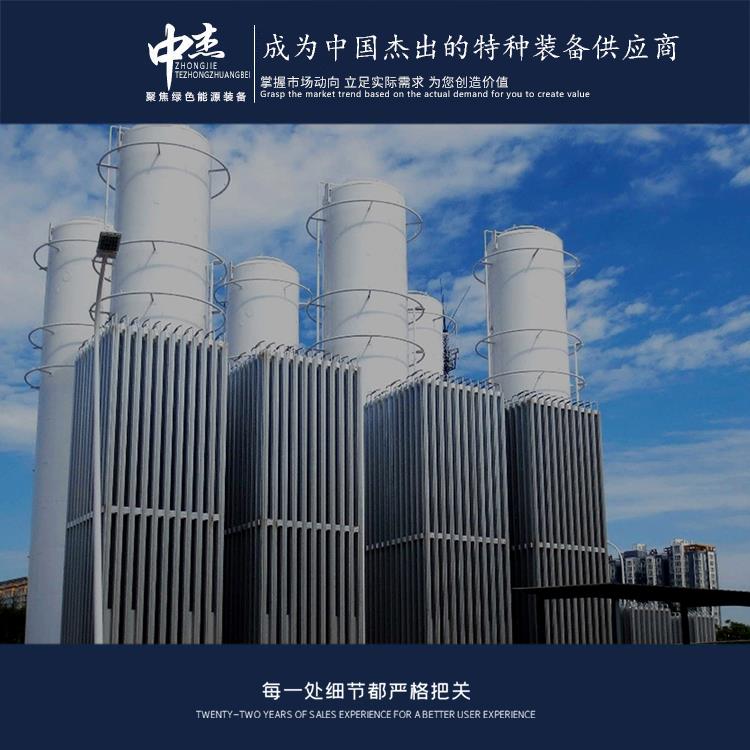

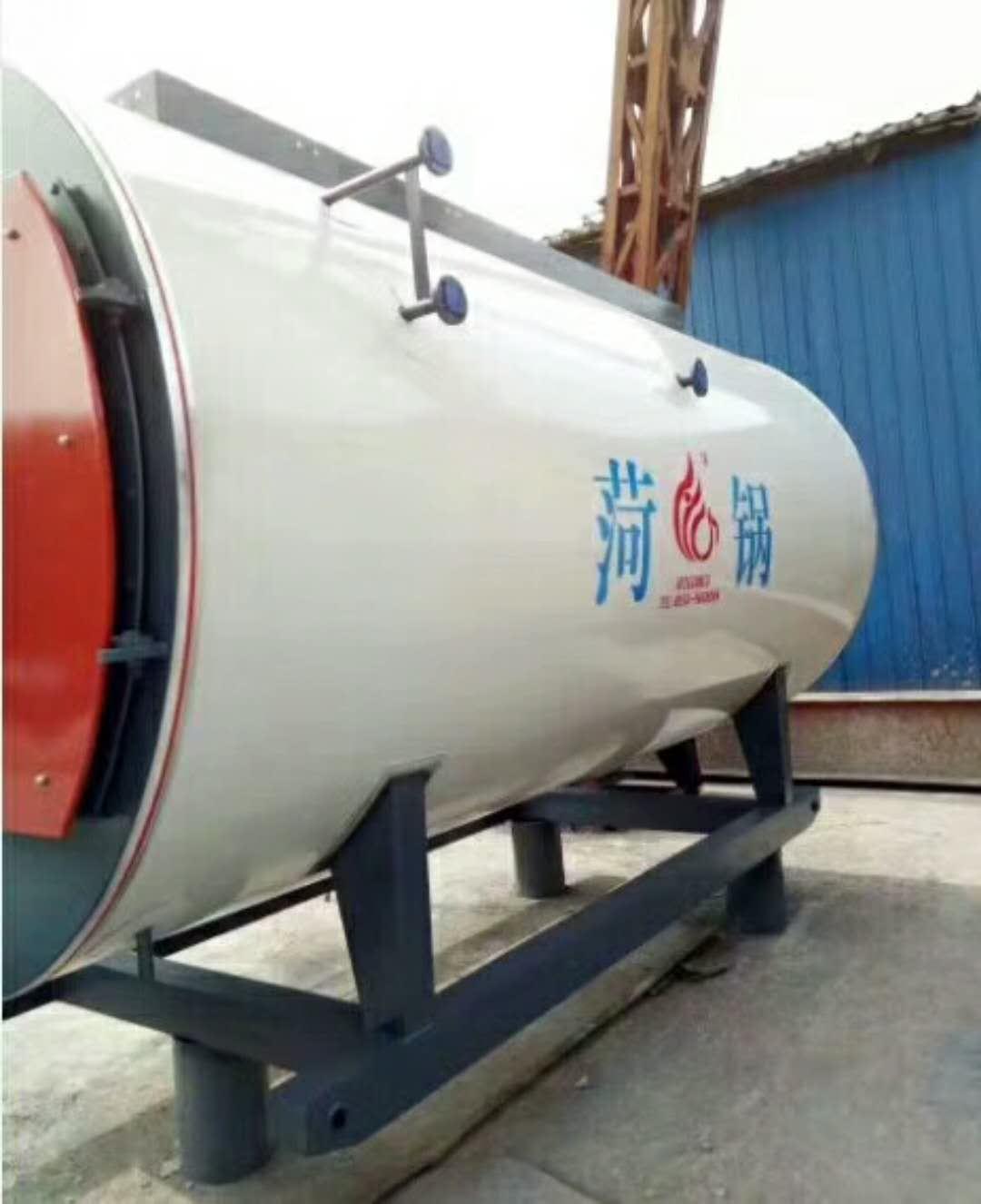
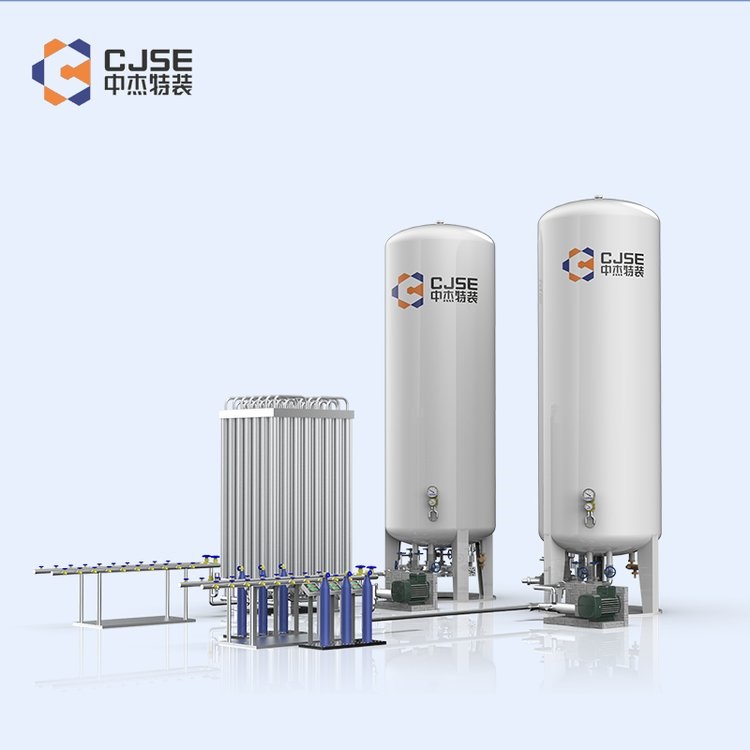


















Shandong Zhongjie Special Equipment (formerly Heze Boiler Factory Co., Ltd.) holds an A-grade boiler manufacturing license, an A2-grade pressure vessel manufacturing license, an A2-grade pressure vessel design license, a B-grade boiler installation license, and GB2/Class, GC2/Class pressure pipeline installation licenses, as well as a mechanical and electrical equipment installation contracting qualification. It is a member of the China Boiler and Water Treatment Association, the China Chemical Equipment Association, and the理事 member of the Shandong Equipment Manufacturing Association. The company has also passed the ISO9001 Quality Management System, ISO14001 Environmental Management System, OHSAS18001 Occupational Health and Safety Management System certifications, and the American ASME/U2 certification.
When cleaning low-temperature liquid storage tanks, the following steps should be taken:
Safety Preparations: Before cleaning, ensure there are no remaining liquids or gases inside the tank, and the tank is completely emptied and vented. Wear appropriate personal protective equipment, such as protective suits, gloves, and safety shoes.
Cleaning Agent Selection: Choose a cleaning agent suitable for low-temperature environments and liquid storage tank materials. Common cleaning agents include acidic and alkaline solutions, organic solvents, or specialized cleaning agents. Select the appropriate cleaning agent based on the tank material and the nature of the contaminants.
Cleaning Process: Inject the cleaning agent into the tank and clean the inner walls using appropriate tools (such as a sprayer, brush, or high-pressure water). Multiple cleanings can be performed as needed to ensure all contaminants are removed.
Washing and Discharging: After cleaning, rinse with fresh water or an appropriate solvent to remove all cleaning agents and residues. Ensure the tank is dry and discharge the rinse water into an appropriate treatment system.
Inspection and Verification: After cleaning, inspect the tank to ensure no residual contaminants are left inside. Appropriate testing equipment or methods, such as optical inspection, chemical analysis, or ultrasonic testing, can be used to verify the cleaning effectiveness.
It's important to adhere to safety standards and operational guidelines when cleaning low-temperature liquid storage tanks. These tanks often possess highly flammable characteristics and low-temperature properties, so operators must strictly follow safe operating procedures to ensure personnel and equipment safety. During cleaning, be cautious to prevent leaks of cleaning agents and contaminants, and take appropriate measures for disposal.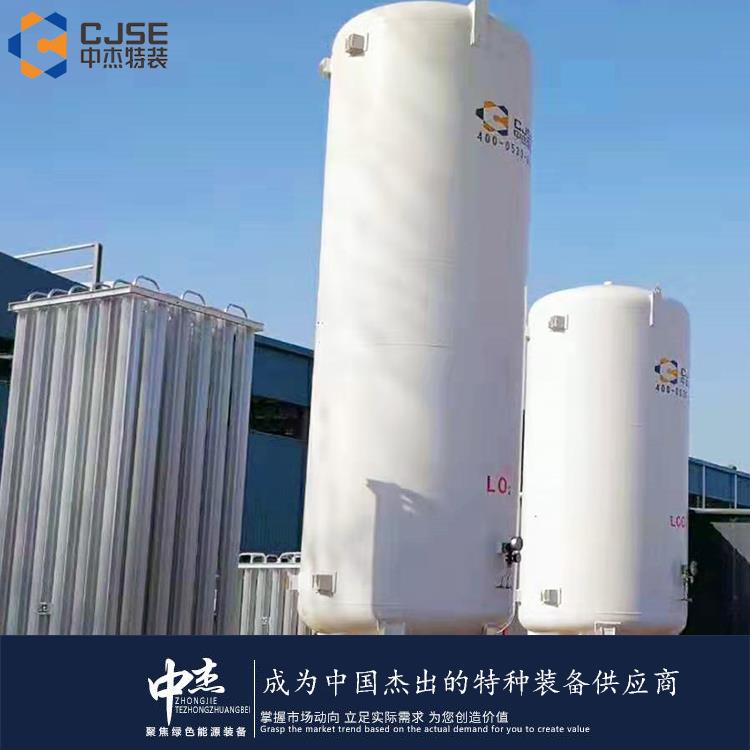
Liquid oxygen tanks are used for storing and supplying liquid oxygen as fuel and oxidizer, playing a crucial role in launching propulsion systems and more. Industrial Production: Liquid oxygen is used as an oxidizer in industrial production for processes such as combustion, oxidation, and oxygen supply. Liquid oxygen tanks are employed to store and supply liquid oxygen to meet the needs of industrial applications like metal cutting, welding, and chemical reactions. Equipment: Liquid oxygen tanks are used to supply oxygen for applications such as oxygen therapy, oxygen inhalation, and operating rooms. These tanks provide high-purity oxygen while maintaining its低温 state to meet the equipment's oxygen requirements. Laboratory Research: Liquid oxygen tanks are utilized in scientific research and laboratories to provide liquid oxygen as experimental materials and reagents. The low temperature and high purity of liquid oxygen make it widely applicable in laboratories for fields such as materials science, chemical reactions, and biomedical research. In summary, liquid oxygen tanks are vital in various fields including industrial production, equipment, and laboratory research, providing storage and supply functions for liquid oxygen at the application sites.
Leakage defects in liquid argon storage tanks may be caused by the following reasons:
Design or Manufacturing Defects: Defects in the design or manufacturing process of the storage tank, such as loose welds, improper material selection, or inadequate sealing, lead to leakage issues in the tank.
Corrosion and Oxidation: Long-term exposure of liquid argon tanks to low temperatures can lead to corrosion and oxidation. These can damage the tank's surface protective layer, causing leakage issues.
Fatigue and stress cracking: Over time, tanks may experience fatigue and stress cracking due to temperature and pressure variations during long-term use. These cracks can lead to a decline in the tank's sealing performance, causing leaks.
Improper Operation: Failure to operate the tank in accordance with specifications, such as overfilling with liquid argon or excessive pressure, can lead to tank damage and leakage.
External Damage: The tank may sustain damage from external factors, such as mechanical impact or objects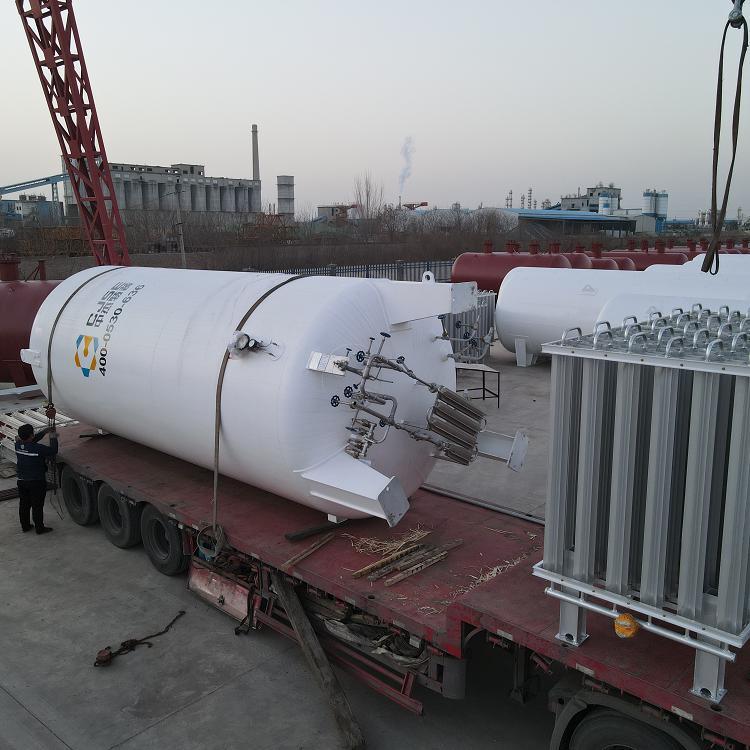
Proper management regulations for the use of low-temperature liquid storage tanks encompass the following aspects:
Tank Selection and Installation: Choose an appropriate low-temperature liquid storage tank and ensure it complies with relevant standards and regulations. The installation should be carried out by personnel and operated in accordance with the manufacturer's instructions and requirements to ensure the tank's stability and safety.
Safety Operating Procedures: Establish and implement safety operating procedures for liquid storage tanks, including start-up, shutdown, filling, venting, and other operational steps. Operators should receive training to understand the characteristics of liquid storage tanks, safety precautions, and emergency response measures.
Safety Equipment and Protective Measures: Tanks should be equipped with necessary safety devices, such as pressure sensors, safety valves, leak detectors, etc., to monitor and control the pressure and temperature of the tank. At the same time, operators should wear appropriate personal protective equipment, such as insulated gloves, protective suits, etc., to ensure their own safety.
Regular Inspections and Maintenance: Regularly inspect and maintain low-temperature liquid storage tanks, including checking the tank's appearance, seal integrity, and corrosion protection. In case of any issues, promptly repair or replace the tank to ensure its proper operation and safety.
Waste Disposal: Abandoned low-temperature liquid storage tanks should be disposed of in accordance with relevant environmental protection regulations. The residual liquids in the abandoned tanks should be properly handled to prevent environmental pollution.
Tank Records and Tracking: Establish a tank usage record, including filling dates, filling quantities, usage status, etc. Additionally, it is recommended to implement a tank tracking system for monitoring and managing tank usage and maintenance.
The above outlines some common management regulations for low-temperature liquid storage tanks. Specific regulations may vary by industry and region. When using low-temperature liquid storage tanks, adhere to relevant laws and standards and establish appropriate management measures based on actual conditions.
Our company attaches great importance to technological innovation and R&D design. We have one municipal-level enterprise technology center in Heze City, equipped with testing facilities for non-destructive testing, physical and chemical testing, welding testing, hydrostatic testing, and more. We have over 600 types of equipment, including CNC machine tools, X-ray flaw detectors, digital ultrasonic flaw detectors, mechanical property testing machines, chemical analyzers, spectrometers, tensile testing machines, plasma welding machines, and others. The key products and technologies we have developed, such as temperature and pressure vessel welding, biomass boiler emission reduction, and waste heat utilization, have successively been included in multiple Shandong Provincial Department of Industry and Information Technology science and technology innovation projects, Shandong Provincial key projects, and Heze City innovation and excellence projects. We have cumulatively obtained 27 authorized utility models, 16 authorized inventions, participated in drafting 2 standards, 2 industry standards, and registered 15 trademarks. Our technical team, in collaboration with Professor Yajiang Li from Shandong University, has developed deep cryogenic container processing technology using the international plasma arc + filler wire tungsten inert gas (PAW-GTAW) welding technology. After being appraised as a provincial-level scientific and technological achievement, our technology level has reached an international standard in the field of deep cryogenic container manufacturing. Choose Zhongjie Special Equipment, and let's create brilliance together!
WeChat Official Account

Scan to follow Official Account



















