


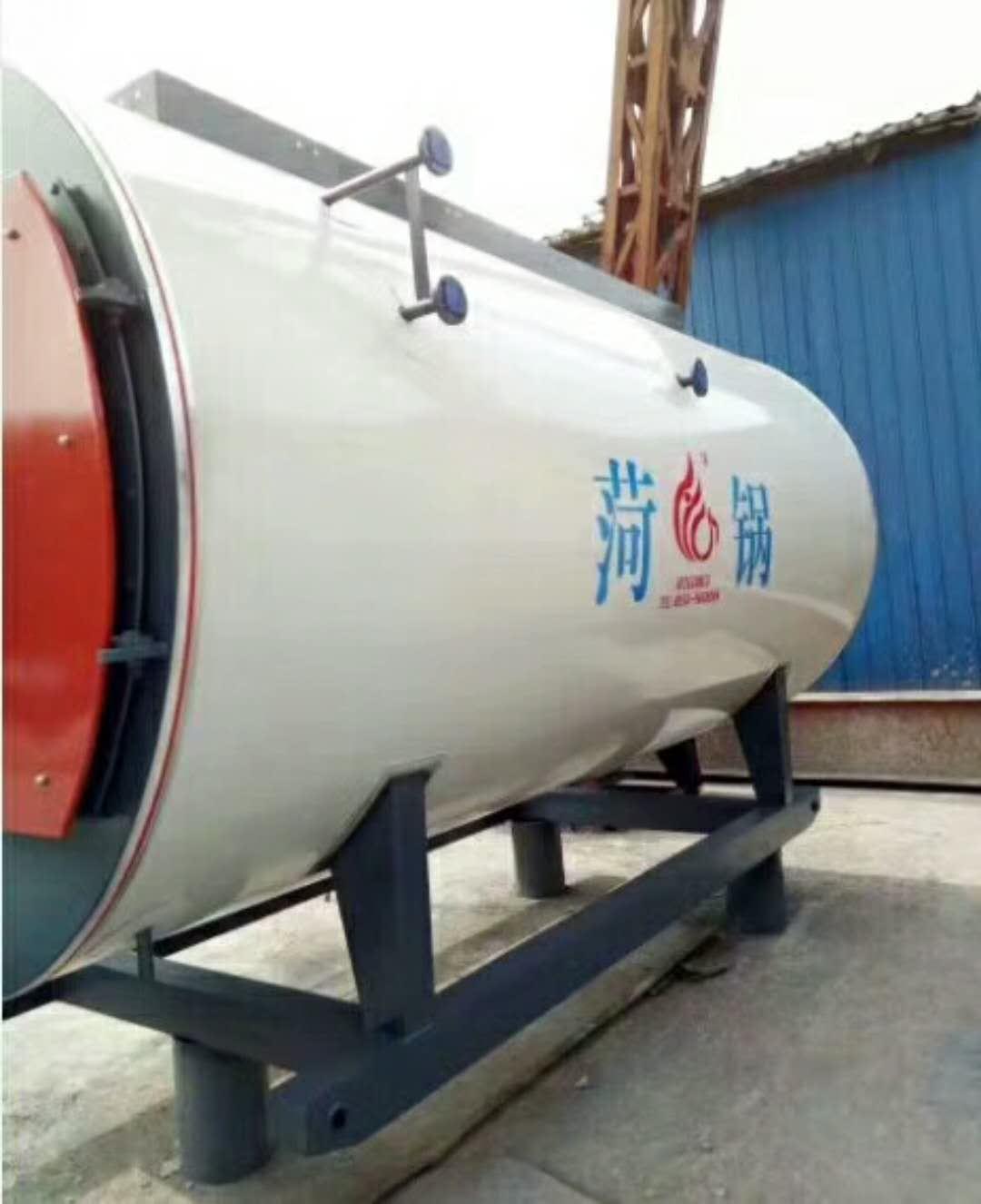


















Shandong Zhongjie Special Equipment's main products include: fuel (gas) boilers, organic heat carrier boilers, biomass boilers, waste heat boilers, and other boiler products; vacuum insulation cryogenic pressure vessels such as LNG tanks, oxygen/nitrogen/argon tanks, and CO2 tanks; pressure vessel products such as denitrification engineering equipment, heat storage and energy storage equipment, and complete chemical equipment sets; central air conditioning and HVAC equipment such as ground (water) source heat pumps, air source units, water-cooled screw units, and air-cooled modular units. Planned products include large-scale energy centers, LNG transport vehicles, LNG tank containers, and other green energy equipment.
The installation of the safety valve in liquid oxygen storage tanks is a crucial component that ensures the tanks can release pressure in a timely manner during overpressure situations, protecting the tank and associated equipment. Below are the steps for installing the safety valve on liquid oxygen storage tanks:
Confirm the rated pressure of the safety valve: Select an appropriate safety valve based on the design pressure and flow requirements of the liquid oxygen storage tank. Ensure the rated pressure of the safety valve meets the tank's specifications and complies with relevant safety standards and regulations.
Valve Installation Location Selection: Choose a suitable location for installing the safety valve. Typically, the safety valve should be mounted on the top or side of the liquid oxygen storage tank to ensure timely pressure release in the event of overpressure.
Prepare installation interfaces: Prepare the corresponding interfaces based on the connection method of the safety valve. This may include welding interfaces, threaded interfaces, or flange interfaces, etc. Ensure the tightness of the interfaces and secure connections.
Install the safety valve: Mount the safety valve onto the prepared interface. Follow the installation instructions for the safety valve to ensure proper connection and secure tightening.
Adjustment and Testing: After installation, adjust and test according to the requirements of the safety valve. Ensure that the opening and closing pressures of the safety valve meet the design specifications, and conduct a leak test to ensure its sealing.
Connect discharge piping: The discharge piping of the safety valve should be properly connected to the outlet of the safety valve. The discharge piping should have sufficient diameter and flow capacity to ensure effective discharge of overpressure gas when the safety valve is opened.
Identification and Record Keeping: Label safety valves and discharge pipes with relevant information such as rated pressure, flow rate, and installation date. Additionally, record the installation details and test results of the safety valves for future reference and maintenance.
When installing safety valves on liquid oxygen storage tanks, it is imperative to adhere to relevant safety regulations and operational guidelines. If lacking relevant experience and knowledge, it is advisable to seek assistance and guidance from professionals to ensure the correct installation and reliable operation of the safety valves.
When selecting a liquid oxygen storage tank with a medical oxygen concentrator, consider the following factors:
Requirement: First, determine the oxygen demand of the institution or individual. Select the appropriate oxygen concentrator model and specification based on the required oxygen flow rate and pressure.
Safety and Reliability: Ensure the selected oxygen concentrator offers high safety and reliability. Choose products that comply with relevant standards and regulations, featuring safety functions such as overpressure protection, leakage protection, and overload protection.
Ease of operation: Select an oxygenator that is simple to operate and user-friendly. Consider the methods of adjusting oxygen flow and concentration, as well as the clarity and readability of the operating interface.
Quality and Reputation: Choose an oxygen concentrator with excellent quality and reliability. Refer to customer reviews, word-of-mouth, and institutional endorsements to select the product.
Maintenance and After-Sales Service: Familiarize yourself with the maintenance requirements and after-sales support for oxygen generators. Ensure timely access to repairs and technical assistance to maintain the normal operation and maintenance of the oxygen generator.
Cost-effectiveness: Considering the price, performance, and features of the oxygenator, choose a product with a good cost-performance ratio. Select the appropriate oxygenator based on actual needs and budget.
Be mindful that when selecting a liquid oxygen tank with a medical oxygen concentrator, adhere to the relevant equipment procurement regulations and standards. It's advisable to consult with equipment suppliers or relevant institutions to ensure the oxygen concentrator meets your requirements and safety standards.
The use and operation of the liquid oxygen storage tank system require attention to the following points:
Safe Operation: When operating the liquid oxygen storage tank system, it is mandatory to follow the relevant safety operating procedures and standards to ensure the safety of the operators.
Tanks Selection: Choose liquid oxygen tanks that comply with regulations and standards, ensuring their quality and safety performance.
Tank Installation: Tanks should be installed on a solid foundation to ensure stability. Additionally, good ventilation should be maintained around the tank, and it should be kept away from flammable materials and heat sources.
Sealability Inspection: Regularly check the sealing performance of the storage tank system to ensure there are no leaks at valve and pipe connections.
Pressure Control: Storage tank systems should be equipped with pressure gauges and safety valves, and undergo regular inspections and maintenance to ensure pressure remains within safe limits.
Fire precautions: Liquid oxygen contains a high concentration of oxygen, which is highly flammable. Install fire barriers around the storage tank system, prohibit smoking and open flames, and ensure safety.
Static Protection: During the operation of the liquid oxygen system, static electricity may cause sparks, increasing the risk of fire. Measures such as using static-conductive materials and anti-static equipment should be taken to reduce the accumulation and release of static electricity.
Regular inspections and maintenance: Conduct regular checks on the tank system and related equipment, including valves, pipelines, pressure gauges, etc. Ensure the equipment is in good condition without damage, and promptly repair or replace any damaged parts.
Waste Gas Treatment: During the operation of the liquid oxygen system, waste gas is produced, which necessitates the adoption of appropriate waste gas treatment measures to minimize environmental impact.
Above are the matters to be noted when using the liquid oxygen storage tank system, ensuring operational safety and the normal operation of the system. During operation, strictly follow the relevant operational procedures and safety requirements to avoid accidents.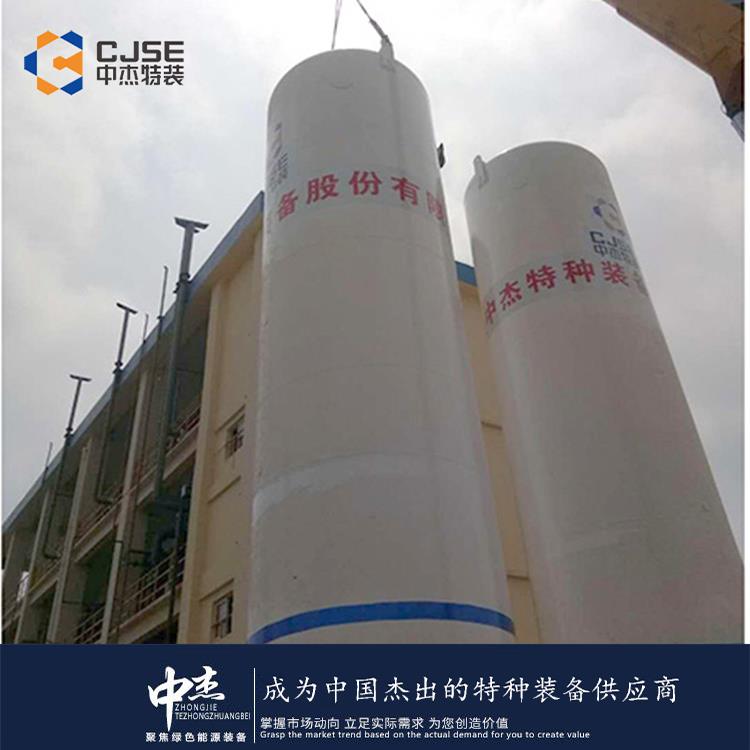
The daily inspection of liquid nitrogen storage tanks mainly includes the following aspects:
Visual Inspection: Check for any visible damage, deformation, or corrosion on the storage tank, including the tank walls, valves, pipes, and joints.
Sealability Inspection: Check the sealing performance of the storage tank, including inspecting for leaks at valve and pipe connections, and verifying that the exhaust valve and safety valve of the tank are functioning properly.
Pressure Check: Verify that the tank's pressure gauge is functioning properly, and that the pressure is within the normal range to ensure the tank operates correctly.
Level Check: Inspect the liquid nitrogen tank's level to ensure it remains within the normal range, avoiding issues caused by levels that are too high or too low.
Insulation Layer Inspection: Verify the integrity of the storage tank's insulation layer for any damage or detachment, ensuring optimal insulation performance and reducing evaporation losses of liquid nitrogen.
Leak Inspection: Check for signs of liquid nitrogen leakage around the storage tank, including frost, ice, or liquid nitrogen stains on the ground.
Safety Equipment Inspection: Verify that the storage tank's safety equipment, such as leak detectors, alarm systems, and safety valves, are functioning properly to ensure the tank's safety.
Cleaning Inspection: Regularly clean the interior of the tank to remove accumulated impurities and dirt, maintaining the tank's cleanliness and hygiene.
The above lists the routine inspection items for liquid nitrogen tanks. Specific inspection items should be adjusted and supplemented based on the tank's model, usage, and relevant regulations. During the inspection, strict adherence to operational procedures and safety standards is required to ensure the safe operation of the tank.
Our company attaches great importance to technological innovation and R&D design. We have one municipal-level enterprise technology center in Heze City, equipped with testing facilities for non-destructive testing, physical and chemical testing, welding testing, hydrostatic testing, etc. We have over 600 types of equipment, including CNC machine tools, X-ray flaw detectors, digital ultrasonic flaw detectors, mechanical property testing machines, chemical analyzers, spectrometers, tensile testing machines, plasma welding machines, and more. The key products we have developed, such as temperature and pressure vessel welding, biomass boiler emission reduction, and waste heat utilization, have successively been included in multiple Shandong Provincial Department of Industry and Information Technology science and technology innovation projects, Shandong Provincial key projects, and Heze City innovation and excellence projects. We have累计 obtained 27 authorized utility models, 16 authorized inventions, participated in drafting 2 standards, 2 industry standards, and registered 15 trademarks. Our technical team, in collaboration with Professor Li Yajiang of Shandong University, has developed deep cryogenic container processing technology using the international plasma arc + filler wire argon arc welding (PAW-GTAW) technology. This technology has been appraised as reaching international standards in the field of deep cryogenic container manufacturing at the provincial level. Choose Zhongjie Special Equipment, and let's create brilliance together!
WeChat Official Account

Scan to follow Official Account



















