


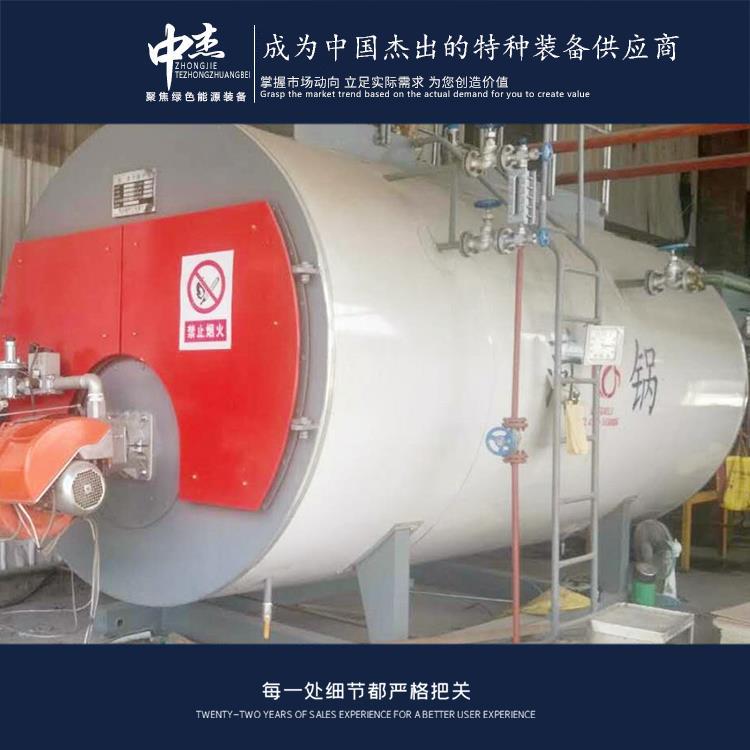


















Shandong Zhongjie Special Equipment (formerly Heze Boiler Factory Co., Ltd.) holds an A-grade boiler manufacturing license, A2-grade pressure vessel manufacturing license, A2-grade pressure vessel design license, B-grade boiler installation license, and GB2/Class and GC2/Class pressure pipeline installation license, as well as mechanical and electrical equipment installation contracting qualifications. It is a member of the China Boiler and Water Treatment Association, the China Chemical Equipment Association, and the理事 unit of the Shandong Equipment Manufacturing Association. The company has also passed ISO9001 Quality Management System, ISO14001 Environmental Management System, OHSAS18001 Occupational Health and Safety Management System certifications, and the American ASME/U2 certification.
Choose a reputable gas boiler supplier, it's crucial. Here are some considerations:
- Reputation: Understand the reputation and market reputation of the gas boiler supplier. Obtain relevant information by reviewing customer reviews, industry reports, and certifications from institutions.
- Quality and Performance: The quality and performance of the gas boiler directly affect its reliability and efficiency. Learn about the supplier's quality control system, product certifications, and technical support capabilities to ensure their products meet standards and fulfill factory requirements.
- Technical Support and After-Sales Service: Selecting a supplier that offers comprehensive technical support and after-sales service is vital. Ensure the supplier can provide training, installation guidance, maintenance, and troubleshooting support to ensure the normal operation of the gas boiler.
- Cost-Effectiveness: In addition to product quality and performance, consider the cost-effectiveness of the gas boiler. Consider the purchase cost, operating cost, and maintenance cost to choose a supplier that offers reasonable pricing and value for money.
Ultimately, selecting a trustworthy gas boiler supplier requires considering these factors and making a decision based on the specific needs and conditions of the factory. It is recommended to communicate and compare with multiple suppliers to gather more information and advice for a wise choice.
After the hot water boiler is shut down, here are some common maintenance measures:
1. Clean the boiler: After shutdown, the boiler should be cleaned first. Dust, dirt, and sediments inside the boiler can be washed with appropriate cleaning tools and detergents. Pay special attention to cleaning the combustion chamber, flue, and heat exchanger, among other critical areas.
2. Drain the water: Empty the water from the boiler to prevent the accumulation of scale and corrosive substances. Open the drain valve to drain the water until the interior of the boiler is completely empty.
3. Corrosion prevention: Before shutdown, apply corrosion prevention measures to prevent internal metal corrosion in the boiler. Use suitable corrosion inhibitors or coatings and apply them to the key areas inside the boiler.
4. Inspection and maintenance: During shutdown, regularly inspect the various components and connections of the boiler to ensure there are no loose, damaged, or leaking issues. If problems are found, repair or replace them promptly.
5. Keep dry: After shutdown, maintain the dryness inside the boiler. Open the ventilation and exhaust ports of the boiler to maintain air circulation, preventing moisture and mold growth.
6. Regular inspections: Regularly check the condition of the boiler to ensure there are no abnormalities. Develop a corresponding inspection plan based on the boiler's usage and requirements, such as a comprehensive check every quarter or year.
7. Preparations before startup: Before restarting the boiler, prepare accordingly. This includes cleaning the boiler, checking the connections of equipment and pipelines, and inspecting fuel supply.
When selecting a steam boiler, several key factors should be taken into account:
- Steam Demand: First, determine the steam requirements of the factory or project, including steam pressure, flow rate, and quality. Choose the appropriate boiler model and specifications based on actual needs to ensure they meet the process and production requirements.
- Boiler Type: There are various types of steam boilers, such as fire-tube boilers, water-tube boilers, and gas boilers. Select the suitable boiler type based on the factory's actual conditions and needs. Also, consider the fuel type of the boiler, such as coal, gas, or biomass, and choose a fuel type that complies with the factory's energy supply and environmental protection requirements.
- Boiler Efficiency: The efficiency of the boiler directly affects energy utilization efficiency and operating costs. Understand the boiler's thermal and combustion efficiency and choose a steam boiler with higher efficiency to reduce energy consumption and operating costs.
- Quality and Reputation: Choose a supplier with a good reputation to ensure the quality and reliability of the steam boiler. Refer to customer reviews, industry certifications, and ratings to understand the supplier's reputation and product quality.
- Technical Support and After-Sales Service: Select a supplier that can provide comprehensive technical support and after-sales service. Ensure the supplier can offer installation guidance, training, maintenance, and troubleshooting support to ensure the normal operation and maintenance of the steam boiler.
- Cost and Budget: Finally, choose a steam boiler that fits within your budget based on economic considerations. Consider the purchase cost, operating cost, and maintenance cost to select a steam boiler with a high cost-performance ratio.
It's important to note that the above factors are just some of the key considerations when purchasing a steam boiler. The specific choice should be determined based on the actual conditions and needs of the factory. It is recommended to communicate and compare with multiple suppliers to gather more information and advice for an informed decision.
During the production welding of thermal oil boilers, the following points should be noted:
- Welder Qualification: Ensure that the welders involved in the welding work have appropriate qualifications and experience, and are familiar with welding processes and operational procedures.
- Welding Material Selection: Choose welding materials suitable for thermal oil boilers, ensuring their compatibility with thermal oil and high-temperature resistance.
- Welding Process Control: Select the appropriate welding process based on the material and design requirements of the thermal oil boiler, such as manual arc welding, gas shielded welding, etc. Control welding parameters like current, voltage, and welding speed to ensure the quality and strength of the weld.
- Welding Area Protection: During the welding process, the welding area must be protected to prevent contamination from thermal oil and welding materials. Use welding barriers, welding shields, and other equipment to ensure the cleanliness and safety of the welding area.
- Post-Welding Treatment: After welding, the weld should be post-treated, such as slag removal, grinding, and cleaning, to ensure the flatness and surface quality of the weld.
- Welding Quality Inspection: Conduct welding quality inspections, including visual examination of the weld, dimensional measurements, and non-destructive testing, to ensure the welding quality meets requirements.
- Safety Measures: Pay attention to safety measures during the welding process, such as wearing protective eyewear, gloves, and fire-resistant clothing, to ensure the safety of the welding operation.
- It is important to follow relevant standards and specifications during the welding process to ensure welding quality and safety. If unsure about how to perform welding or if there are potential safety hazards, seek advice from a welding engineer or consult relevant agencies.
ZJ Special Equipment upholds the grand vision of "realizing employees' dreams, creating value for customers, and striving for the prosperity and strength of our motherland," and is dedicated to the development of the green energy equipment industry. We commit to society with high-quality, cost-effective products and services!
WeChat Official Account

Scan to follow Official Account



















