


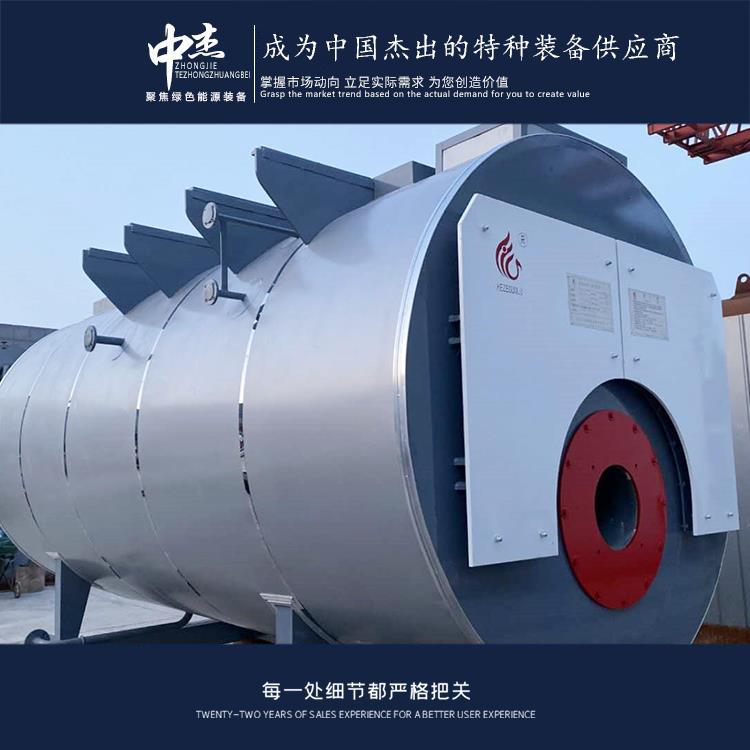

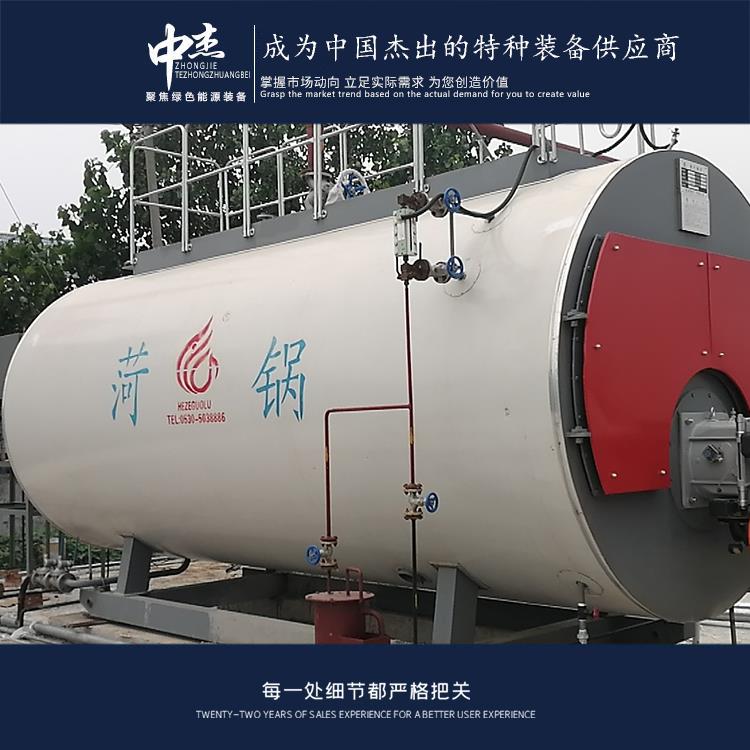


















Shandong Zhongjie Special Equipment (formerly Heze Boiler Factory Co., Ltd.) holds an A-grade boiler manufacturing license, A2-grade pressure vessel manufacturing license, A2-grade pressure vessel design license, B-grade boiler installation license, GB2 and GC2 grade pressure pipeline installation licenses, and mechanical and electrical equipment installation contracting qualifications. It is a member of the China Boiler and Water Treatment Association, the China Chemical Equipment Association, and a director unit of the Shandong Equipment Manufacturing Association. The company has also passed certifications for the ISO9001 Quality Management System, ISO14001 Environmental Management System, OHSAS18001 Occupational Health and Safety Management System, and the U.S. ASME/U2 certification.
Yes, durable thermal oil boilers typically have longer service lives. Here are some reasons:
- Material Quality: Thermal oil boilers are made from high-quality materials such as heat-resistant and corrosion-resistant steel and alloy materials. These materials can withstand high temperatures and pressures, offering good durability and corrosion resistance, thereby extending the boiler's lifespan.
- Design and Manufacturing Process: Long-lasting thermal oil boilers often utilize advanced design and manufacturing techniques. Rational structural design and precise manufacturing processes reduce stress concentration and thermal stress, enhancing the boiler's stability and durability.
- Regular Maintenance and Care: Regular maintenance and care are crucial for extending the lifespan of thermal oil boilers. Regularly cleaning and inspecting the internal pipes, flues, and burners, and promptly replacing worn-out parts, can minimize malfunctions and damage, and extend the boiler's life.
- Proper Operation and Management: Correct operation and management are also vital factors in ensuring the longevity of thermal oil boilers. Operators should follow the operation manual and procedures, avoid overloading and improper operations, to ensure the boiler operates safely and stably.
- Note that even durable thermal oil boilers require regular inspections and maintenance to ensure proper operation and extend their lifespan. Additionally, the boiler's lifespan is affected by factors such as the operating environment, load conditions, and operating methods. Therefore, reasonable use and maintenance are key to ensuring the longevity of thermal oil boilers.
When installing a gas boiler system, the following points should be noted:
Safety: Gas boilers are equipment that uses gas as fuel, so safety must be ensured during installation. Firstly, choose an appropriate installation location, away from flammable materials and combustible gases, ensuring good ventilation. Secondly, install according to relevant safety regulations, including the connection of gas pipes and the installation of gas valves.
Pipe Connections: Gas boilers need to be connected to gas pipes to ensure a smooth gas supply. During the connection process, use appropriate pipes and joints to ensure a firm connection and prevent gas leaks. At the same time, conduct leakage tests to ensure there are no leaks.
Exhaust Ducts: Gas boilers produce exhaust gases during combustion and require an appropriate exhaust duct. Ensure the exhaust duct is unobstructed to avoid indoor accumulation of exhaust gases, which can pose safety hazards and air pollution.
Electrical Connections: Gas boilers typically require electricity, so electrical connections must be made during installation. Ensure the electrical connections are correct and secure, to avoid circuit shorts or other electrical issues.
Water System: Gas boilers usually need to be connected to the water system, including water supply and drain pipes. During the connection process, ensure the water pipes are securely connected to prevent leaks or unstable water pressure.
Commissioning and Testing: After installation, commissioning and testing of the gas boiler should be carried out, including ignition tests, combustion efficiency tests, and temperature control tests, to ensure the normal and safe operation of the boiler.
It is recommended to follow relevant installation specifications and requirements when installing a gas boiler system. If you do not possess the necessary technical knowledge, it is advisable to have a qualified installer perform the operation to ensure the safety and reliability of the installation process.
To ensure proper safety procedures for industrial boilers, attention should be given to the following aspects:
- Adhere to laws and regulations: Understand and comply with relevant laws, regulations, and standards, including those governing boiler safety management and boiler operation and maintenance standards. Ensure compliance with legal requirements throughout the handling process.
- Establish a robust management system: Develop a comprehensive industrial boiler safety management system, clarify responsibilities and authorities, and standardize operational procedures and safety measures. Draft operational guidelines and emergency response plans to ensure orderly handling of safety procedures.
- Training and education: Conduct training and education for personnel involved in the safety handling of industrial boilers to enhance their safety awareness and skill levels. This includes training for boiler operators, maintenance staff, and management personnel.
- Regular inspections and maintenance: Conduct regular inspections and maintenance of industrial boilers to ensure the normal operation and safety performance of the equipment. This includes checking and maintaining critical components such as the combustion system, water level control, safety valves, and pressure gauges.
- Safety equipment and facilities: Equip necessary safety equipment and facilities, such as safety valves, pressure gauges, water level indicators, and burners. Ensure the proper operation and effectiveness of these facilities and equipment.
- Regular inspections and evaluations: Conduct regular inspections and evaluations of industrial boilers to ensure compliance with safety requirements. This includes regular pressure tests, water quality inspections, and combustion efficiency assessments.
- Safety records and document management: Establish a comprehensive safety records and document management system to document the operation, maintenance records, and accident reports of industrial boilers. Ensure timely updates and preservation of relevant safety documents.
- Regular drills and emergency response plans: Organize regular safety drills and emergency response training to enhance the ability to respond to emergencies and improve the efficiency of emergency handling.
The above are some basic points for ensuring the proper handling of industrial boiler safety procedures. Specific operations should be conducted based on actual conditions and relevant requirements.
The flow rate standard for the heat transfer oil in the oil pipes of a thermal oil furnace typically varies depending on the specific application and equipment requirements, with no unified fixed value. However, generally speaking, the flow rate of the heat transfer oil in the pipes should be maintained within a reasonable range to ensure the normal operation of the equipment and the effectiveness of heat transfer. Excessive flow rates of the heat transfer oil may lead to the following issues: increased pressure loss in the system, higher power consumption by the pump. Increased friction loss in the pipes, resulting in energy loss. Increased noise and vibration in the system. Low flow rates of the heat transfer oil may cause the following problems: insufficient heat transfer, affecting the thermal efficiency of the equipment. Extended residence time of the heat transfer oil in the pipes, leading to oxidation and thermal decomposition, which can reduce the lifespan of the oil. Formation of carbon deposits in the pipes, increasing resistance and affecting fluid flow. Therefore, when designing and operating the thermal oil furnace system, it is necessary to consider specific equipment parameters, the properties of the heat transfer oil, and pipeline layout factors to determine an appropriate flow rate. Generally, the flow rate of the heat transfer oil should be within the range of 0.5-2.0 m/s, but the specific value needs to be adjusted and optimized based on the actual situation. In practice, the flow rate of the heat transfer oil can be controlled by monitoring and adjusting the pump flow and pipeline resistance to meet the thermal energy demands and operational requirements of the equipment.
Our company attaches great importance to technological innovation and research and development, boasting one city-level enterprise technology center in Heze City. We have established testing facilities for non-destructive testing, physical and chemical testing, welding testing, hydrostatic testing, and more. Equipped with over 600 types of instruments and equipment, including CNC machine tools, X-ray flaw detectors, digital ultrasonic flaw detectors, mechanical property testing machines, chemical analyzers, spectrometers, tensile testing machines, plasma welding machines, and others. The key products we have developed, such as welding for temperature and pressure vessels, emissions reduction for biomass boilers, and waste heat recovery, have successively been included in multiple Shandong Province Ministry of Industry and Information Technology science and technology projects, key provincial projects, and Heze City innovative and excellent projects. We have accumulated 27 authorized utility model patents, 16 authorized invention patents, participated in drafting 2 standards, 2 industry standards, and registered 15 trademarks. Our technical team, in collaboration with Professor Yajiang Li of Shandong University, has developed deep cryogenic container processing technology, utilizing the international plasma arc + filler wire tungsten inert gas (PAW-GTAW) welding technology. After provincial-level scientific and technological achievement evaluation, the technology level has reached an international standard in the field of deep cryogenic container manufacturing.
Choose ZJET's customized solutions, let's create brilliance together!
WeChat Official Account

Scan to follow Official Account



















