


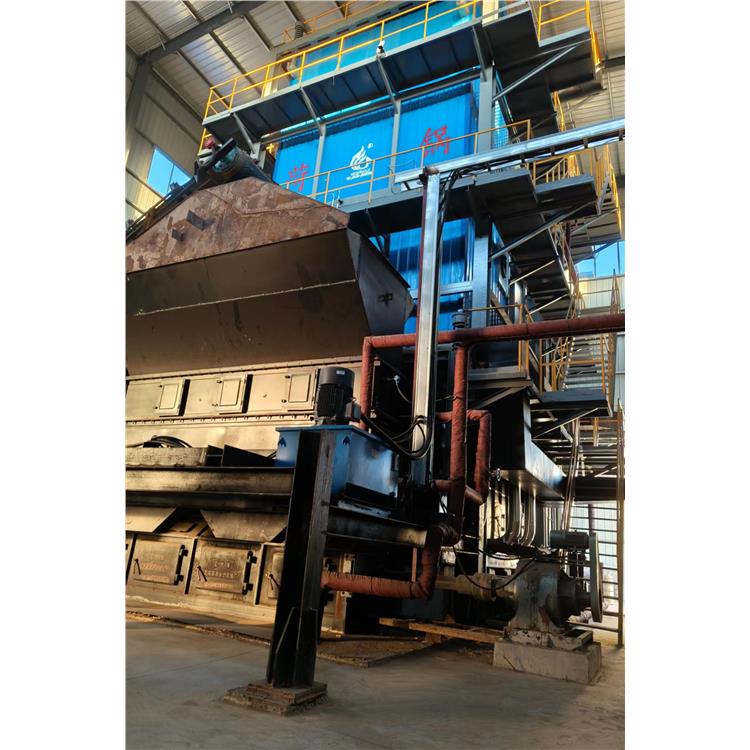


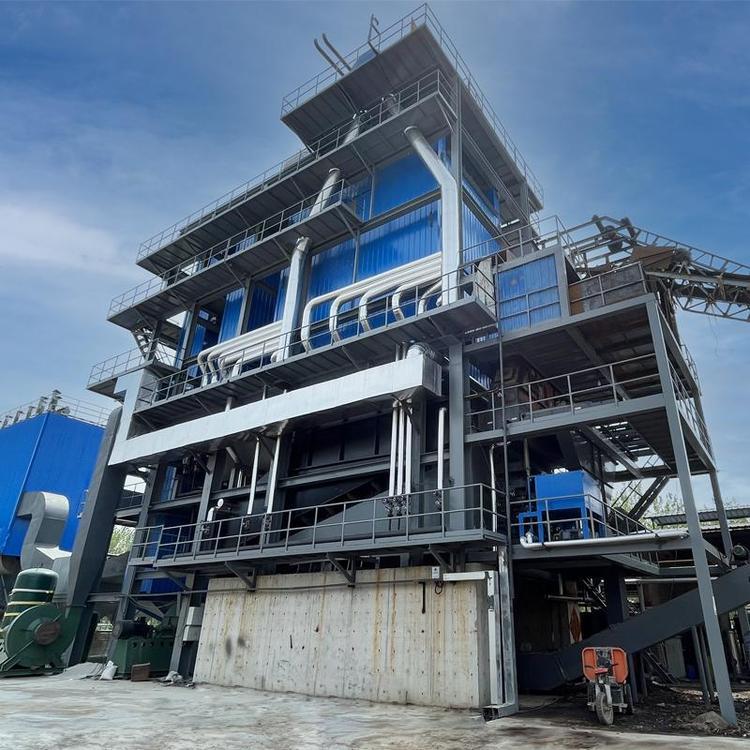


















Shandong Zhongjie Special Equipment (formerly Heze Boiler Factory Co., Ltd.) was established in 2001, located at No. 2218 Jinnan Road, Economic and Technological Development Zone, Heze City, with a registered capital of 50 million yuan and total assets of 500 million yuan. The company has 7 business centers: boilers, deep-freeze containers, pressure vessels, central air conditioning, engineering installation, international trade, and Internet of Things. It has three factory sites on Jinnan Road, East Yangtze Road, and Bohai Road, covering a total area of 200,000 square meters, with the main workshop spanning 83,000 square meters. It currently employs 710 staff, including 247 engineers and technicians, and 82 intermediate-level technical personnel. In December 2016, it was recognized as a "High-Tech Enterprise" by the Science and Technology Department. In June 2021, it was identified as a "Specialized and New Enterprise in Shandong Province" by the Ministry of Industry and Information Technology. In June 2022, it was recognized as a "Gazelle Enterprise in Shandong Province" and in August 2022, it was identified as a "Specialized and New Small Giant Enterprise" by the Ministry of Industry and Information Technology.
Biomass fuel boilers feature the following product characteristics:
Fuel Diversity: Biomass fuel boilers can accommodate a variety of biomass fuels, such as wood chips, straw, rice husks, etc. This diversity makes biomass fuel boilers more flexible and sustainable in energy utilization.
Eco-friendly Low Emission: Biomass fuel boilers burn biomass fuel, resulting in relatively low emissions during combustion, such as particulates and nitrogen oxides. Therefore, biomass fuel boilers have lower carbon emissions and environmental pollution.
Energy-saving: The biomass fuel boiler utilizes advanced combustion technology and heat recovery techniques, enabling efficient combustion and heat utilization. High combustion and thermal efficiency ensure maximum energy extraction from biomass fuel.
Automated Control: The biomass fuel boiler is equipped with an automated control system that accurately controls and adjusts parameters such as temperature, pressure, and fuel supply. The control system features safety protection functions to ensure the safe operation of the boiler.
High reliability and stability: The materials and processes used in biomass fuel boilers offer excellent durability and stability. Rigorous quality control and testing ensure the boiler's high reliability and long-term stable operation.
Flexible Application: Biomass fuel boilers are widely applicable in industrial, commercial, and residential sectors, such as for heating, heating systems, and steam generators. They offer flexible installation methods and capacity options to meet diverse customer needs.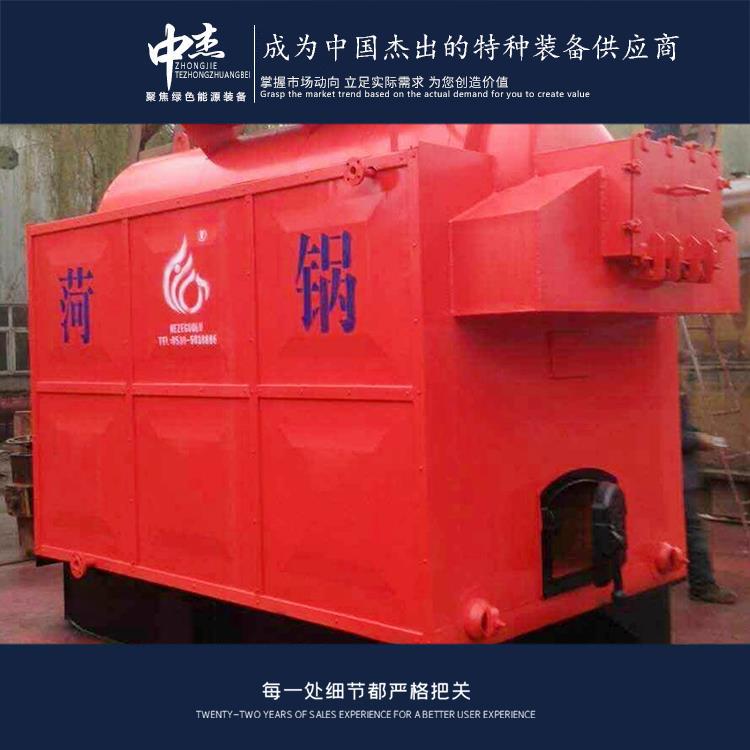
During the operation of biomass hot water boilers, the following aspects should be noted:
Fuel Quality: Select biomass fuel in the appropriate quantity to ensure the moisture content and particle size meet the boiler's requirements. Low-quality fuel can lead to incomplete combustion and blockages.
Combustion Effect: Pay attention to the monitoring and adjustment of the combustion effect to ensure the stability and completeness of the combustion process. Adjust the combustion parameters, such as combustion temperature and time, in accordance with the boiler's operating status and fuel characteristics.
Clean Combustion System: Regularly clean the combustion system, including the combustion chamber, burner, and burner nozzle. Remove soot, deposits, and dirt to maintain the system's unobstructed flow and prevent issues such as incomplete combustion and unstable flames.
Water Treatment: Pay attention to the water treatment of the boiler, including water hardness, alkalinity, and impurities in the water. Take appropriate water treatment measures based on the water quality to prevent scale and corrosion, and protect the boiler's heat exchangers and pipes.
Regular Maintenance: Perform regular maintenance on biomass hot water boilers, including cleaning, lubricating, and securing. Check all parts and connections of the boiler to ensure they are functioning properly and in good working condition.
Safe Operation: Adhere to the boiler operation procedures and safety guidelines to ensure safe boiler operation. Monitor and control parameters such as pressure and temperature, and promptly address any abnormal conditions.
In summary, pay attention to fuel quality, combustion efficiency, combustion system cleanliness, water treatment, regular maintenance, and safety.
Biofuel boilers may produce scale during operation, affecting their thermal efficiency and operational stability. Here are several methods to reduce scale in biofuel boilers:
Fuel Pretreatment: Pre-treat biomass fuel, such as drying and sieving. Reducing the moisture and impurity content of the fuel can help minimize the formation of dirt.
Combustion Control: Utilizes a combustion control system that monitors and adjusts parameters such as temperature and oxygen content in real-time during the combustion process. By optimizing combustion parameters, incomplete fuel combustion can be reduced, thereby minimizing soot generation.
Clean combustion chamber: Regularly clean the soot inside the combustion chamber, including the chamber walls and the accumulated dust within. Regular cleaning prevents the buildup of soot and maintains the chamber's airflow.
Regularly Clean Heat Exchangers: The heat exchangers of biomass boilers are prone to dirt buildup, affecting heat transfer efficiency. Regular cleaning of heat exchangers removes dirt and dust, enhancing their heat transfer efficiency.
Water Treatment: The quality of water in biomass boilers also affects the formation of scale. Appropriate water treatment measures, such as water softening and deoxygenation, can reduce the formation of scale and sediment.
Regular Maintenance: Regular maintenance of biomass boilers includes cleaning, inspection, and replacement of parts. Early detection and resolution of issues can minimize the formation and accumulation of dirt.
By implementing these measures collectively, the formation of scale in biomass boilers can be effectively reduced, ensuring the boiler's operation and stability.
High evaporation rates in biomass pellet boiler fuel may lead to the following issues:
Incomplete combustion: High-volatile fuel releases a large amount of steam during combustion, which lowers the combustion temperature and affects the completeness of the combustion. Incomplete combustion leads to heat loss and increased emissions, reducing the boiler's thermal efficiency and environmental performance.
Poor combustion stability: Fuels with high volatility are prone to instability in the combustion process, which may result in flameout and uneven combustion. This can lead to unstable operation of the boiler and affect the stability of hot water supply.
To address the issues caused by high-evaporation fuel, the following measures can be taken:
Combustion System Optimization: Optimize the combustion system of biomass pellet boilers, encompassing aspects such as combustion chamber design, air supply, and mixing. Enhance combustion completeness and stability through measures like increasing combustion temperature and oxygen supply.
Combustion Adjustment Control: Utilizes a combustion adjustment control system that monitors and adjusts parameters such as temperature and oxygen content in real-time during the combustion process. Adjusts the supply of combustion air based on actual conditions to maintain stability and completeness of combustion.
Fuel Pretreatment: Pre-treat biomass pellet fuel with high volatile content, such as drying and crushing. By reducing the moisture content and particle size of the fuel, the content of volatile matter is decreased, enhancing the efficiency and stability of combustion.
Burn Parameter Adjustment: Adjust the boiler's burn parameters based on actual conditions, such as burn temperature and duration. Through reasonable parameter adjustments, make the burn process more adaptable to the characteristics of high evaporation fuel.
Shandong Zhongjie Special Equipment, welcome customers to visit our factory for business discussions.
WeChat Official Account

Scan to follow Official Account



















