



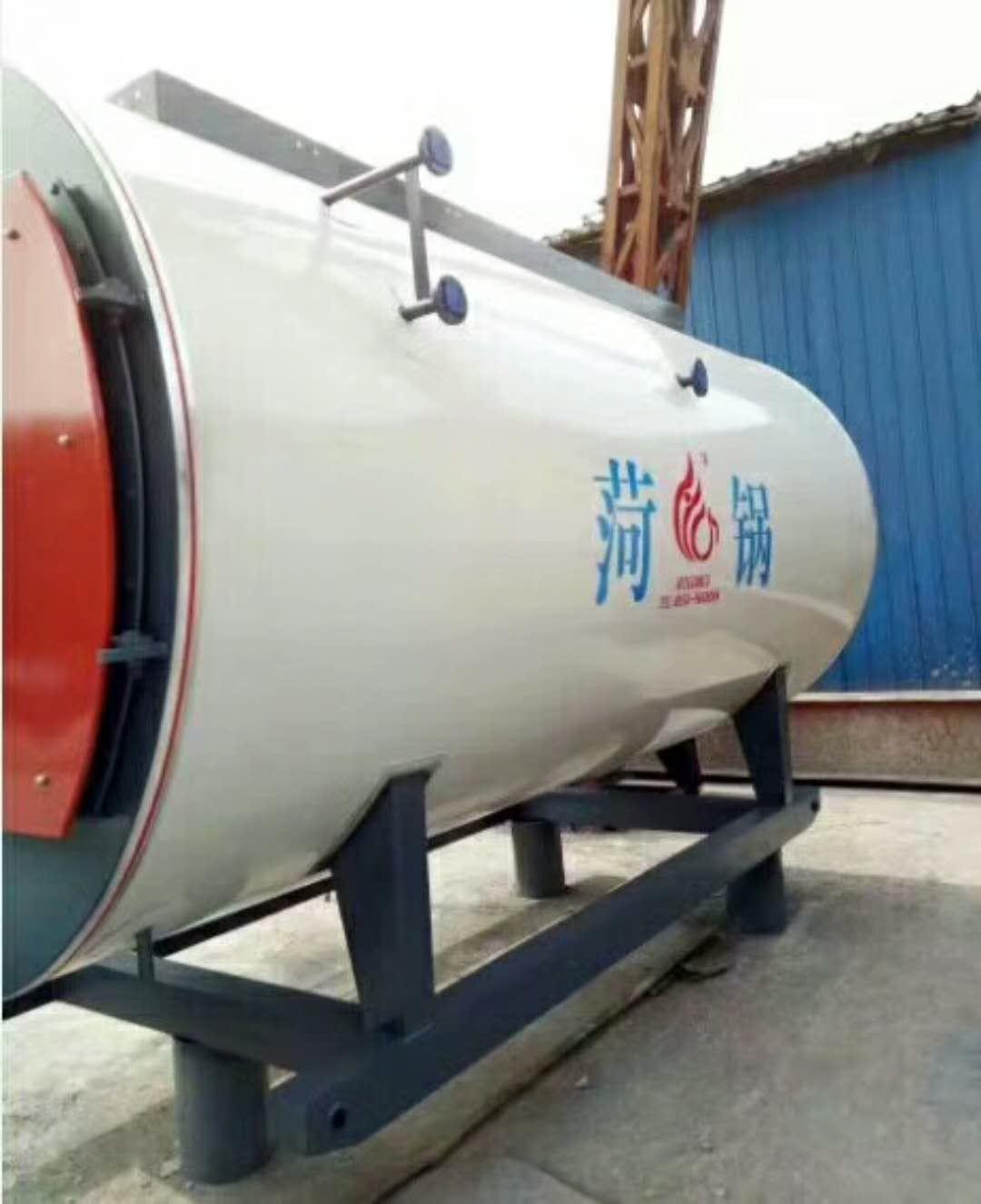


















Shandong Zhongjie Special Equipment's main products include: fuel (gas) boilers, organic heat carrier boilers, biomass boilers, waste heat recovery boilers, and other boiler products; vacuum insulated cryogenic pressure vessels such as LNG tanks, oxygen/nitrogen/argon tanks, and CO2 tanks; pressure vessel products like denitrification engineering equipment, heat storage and energy storage equipment, and complete chemical equipment; central air conditioning and ventilation equipment such as ground (water) source heat pumps, air source units, water-cooled screw units, and air-cooled modular units. Planned products include large-scale energy centers, LNG transport vehicles, LNG tank containers, and other green energy equipment.
Chongjie Special Equipment Co., Ltd. is a company engaged in the manufacturing of low-temperature liquid storage tanks. They offer low-temperature liquid storage tanks in various specifications and capacities, including liquid nitrogen tanks, liquid oxygen tanks, liquid argon tanks, and more.
The Zhongjie low-temperature liquid storage tank is made with high-quality materials and advanced manufacturing techniques, ensuring the tank's strength and sealing. The internal design incorporates special insulation materials and structure, effectively reducing liquid evaporation loss.
The low-temperature liquid storage tank from Zhongjie features the following characteristics:
High safety: Tanks are made of materials with excellent pressure resistance and sealing properties, capable of safely storing low-temperature liquids.
Low Evaporation Loss: Insulating materials and structural design used inside the tank effectively reduce the evaporation loss of the liquid, enhancing the economic efficiency of the storage tank.
A variety of specifications and capacities available: Zhongjie provides a range of low-temperature liquid storage tanks in various specifications and capacities to meet different customer requirements.
Customized Design: Based on our clients' specific requirements, ZJ Specialties offers customized design and manufacturing services to cater to various application scenarios.
Manufacturing Process: With state-of-the-art manufacturing equipment and a skilled technical team, Zhongjie is equipped to ensure the quality and performance of the storage tanks.
In summary, ZJET's low-temperature liquid storage tanks for custom manufacturing offer high safety, low evaporation loss, and a variety of specifications, making them suitable for storage and transportation needs for low-temperature liquids.
Liquid Oxygen Storage Tanks Feature the Following Safety Technical Characteristics:
High-pressure Vessels: Liquid oxygen tanks are high-pressure vessels capable of withstanding high pressure. Their design and manufacture must comply with relevant standards and specifications to ensure the tank's strength and密封性 (sealing property).
Low Temperature Storage: Liquid oxygen tanks are used for storing liquid oxygen, with operating temperatures typically around -183 degrees Celsius. The materials and insulation of the tanks must withstand low-temperature conditions to prevent evaporation of the liquid oxygen and the penetration of external heat.
Fireproof Design: Liquid oxygen contains a high oxygen concentration, which is prone to cause fires. The design of liquid oxygen storage tanks must incorporate fire prevention measures, such as installing firewalls and using fire-resistant coatings, to prevent the occurrence and spread of fires.
Leakage Control: Leaks in liquid oxygen tanks can lead to increased oxygen concentrations, raising the risk of fire and explosion. Tanks must be equipped with leak detection and alarm systems to promptly identify and control leaks, and to implement appropriate emergency measures.
Electrostatic Protection: Electrostatic buildup in liquid oxygen tanks may cause sparks, increasing the risk of fire. Tanks must be equipped with electrostatic conductive materials and anti-static devices to reduce the accumulation and release of static electricity.
Safety valves and pressure control: Liquid oxygen storage tanks must be equipped with safety valves and pressure control devices to ensure the internal pressure of the tank remains within a safe range. When the pressure exceeds the set value, the safety valve will automatically release pressure to protect the tank's safety.
Regular inspections and maintenance: Liquid oxygen tanks require regular inspections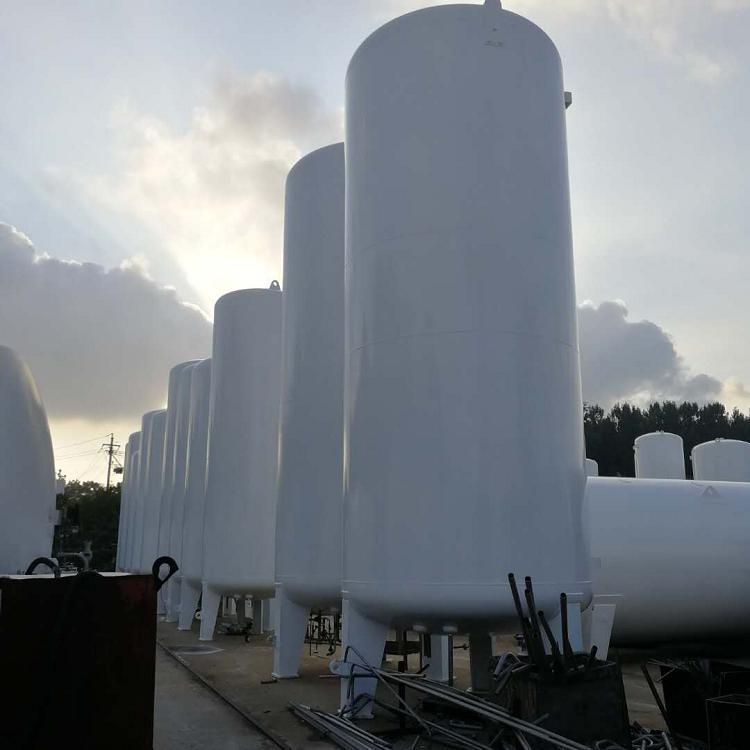
One of the common drawbacks of pressure vessels during use is corrosion. Corrosion refers to the reaction between the metal surface and chemicals in the environment, leading to damage to the metal surface and thinning of the material. The following are common corrosion drawbacks of pressure vessels:
Pitting Corrosion: Pitting corrosion refers to localized indentations or holes appearing on the surface of a metal. This type of corrosion usually occurs due to corrosive substances present in the local environment, such as acids, salts, etc.
Bacterial Corrosion: Bacterial corrosion is a type of corrosion caused by microorganisms. These organisms can form biofilms inside pressure vessels and produce acidic substances, leading to corrosion of the metal surface.
Punch Corrosion: Punch corrosion refers to the piercing corrosion phenomenon on the metal surface. This type of corrosion usually occurs due to the damage or defect of the protective layer on the metal surface, allowing corrosive substances to directly contact the metal surface.
Stress Corrosion Cracking: Stress corrosion cracking occurs when a metal surface is subjected to both stress and a corrosive environment, leading to the formation and propagation of cracks. This type of corrosion is commonly found in pressure vessels operating under high stress and corrosive conditions.
Corrosion can lead to material thinning and reduced strength in pressure vessels, even causing severe consequences like leaks or ruptures. Therefore, to address the corrosion issue in pressure vessels, the following measures should be taken:
Regularly inspect and assess the corrosion of pressure vessels, including visual inspections and non-destructive testing methods.
Implement corrosion prevention measures such as coating protection, cathodic protection, and selecting appropriate materials to minimize the occurrence and progression of corrosion.
Regularly clean and maintain pressure vessels to remove dirt and impurities that may cause corrosion.
Comply with relevant safety regulations and operational guidelines to ensure the normal and safe operation of pressure vessels.
For severely corroded pressure vessels, repairs or replacements may be necessary to ensure their safety and reliability.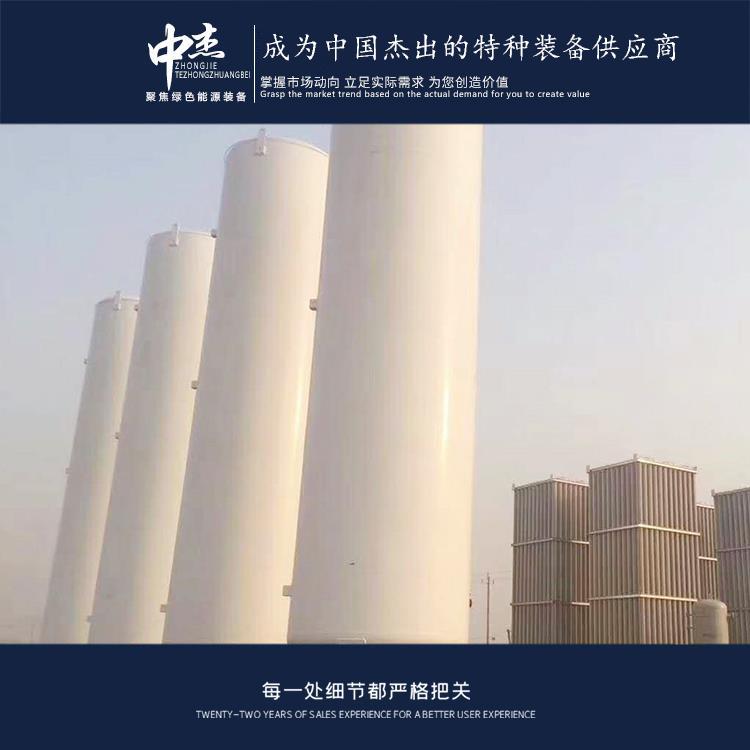
To extend the service life of liquid argon storage tanks, the following measures can be taken:
Regular Inspections and Maintenance: Conduct regular visual inspections of liquid argon tanks, checks on valves and connections, and leak detection and pressure testing, etc. Detect and repair potential issues promptly to ensure the normal operation of the tanks.
Maintain Insulation: Insulation is crucial for the thermal insulation of liquid argon storage tanks. Regularly inspect the integrity and insulating properties of the insulation, repair or replace damaged insulation materials to ensure the tank's insulating effectiveness.
Regulate Liquid Argon Temperature: Maintain the liquid argon within an appropriate temperature range to prevent damage to the storage tank from excessive or low temperatures. Implement suitable cooling or heating measures to ensure stable liquid argon temperature.
Corrosion Protection: The outer shell and internal structure of the liquid argon storage tank should be protected against corrosion and oxidation. Regularly inspect and maintain the protective coating to ensure its integrity.
Avoid excessive pressure and over-filling: Prevent excessive internal pressure or low pressure in the tank, as well as over-filling with liquid argon. Excessive pressure and over-filling can lead to structural破裂 or damage to the tank.
Regular Cleaning and Drainage: Conduct regular internal tank cleaning to remove accumulated impurities and dirt. Regularly drain to prevent contaminants and sediments in liquid argon from damaging the tank.
Safety Operation and Training: Ensure operators are knowledgeable and skilled in the safe operation of liquid argon tanks. Enhance safety training to boost operators' safety awareness and emergency response capabilities.
Manage records and documents: Establish comprehensive management records and documents, including tank usage, inspection, and maintenance records. Regularly review and update the management records to ensure safe management and maintenance of the tanks.
These measures can help extend the service life of liquid argon storage tanks, but specific operations and management are required based on the type and application of the tank. When performing maintenance and operation, please adhere to relevant regulations and standards, and consult with experts to ensure safety and effectiveness.
ZJ Special Equipment adheres to the grand vision of "realizing employees' dreams, creating customer value, and striving for the prosperity and strength of our motherland," focusing solely on the development of green energy equipment, and dedicating high-value products and services to society!
WeChat Official Account

Scan to follow Official Account



















