


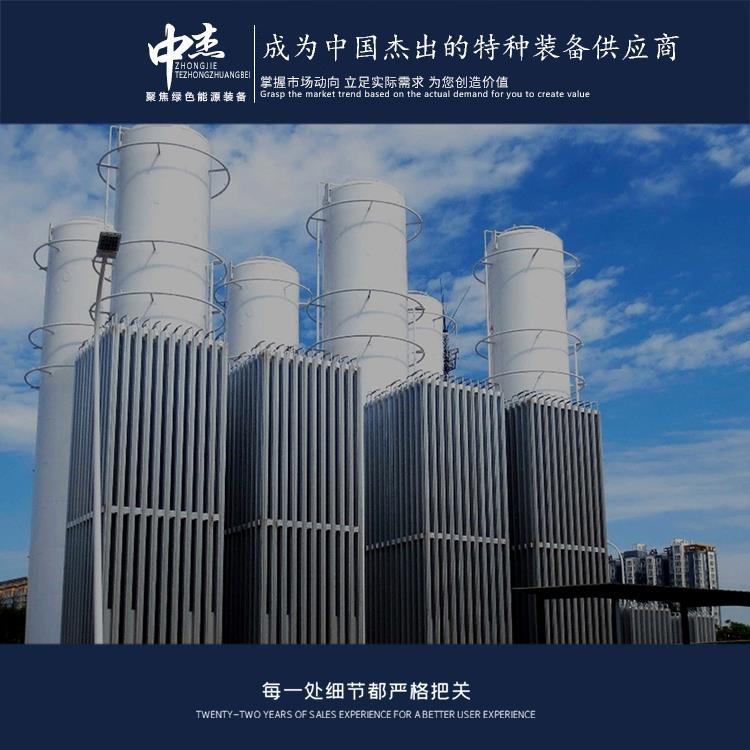


















Shandong Zhongjie Special Equipment Co., Ltd. specializes in: fuel (gas) boilers, organic heat carrier boilers, biomass boilers, waste heat recovery boilers, and other boiler products; vacuum insulation cryogenic pressure vessels such as LNG tanks, oxygen/nitrogen/argon tanks, and CO2 tanks; pressure vessel products including denitrification engineering equipment, heat storage and energy storage equipment, and complete chemical equipment sets; central air conditioning and ventilation equipment such as ground (water) source heat pumps, air source units, water-cooled screw units, and air-cooled modular units. Planned products include large-scale energy centers, LNG transport vehicles, LNG tank containers, and other green energy equipment.
Carbon dioxide synthesis is a chemical reaction that utilizes carbon dioxide to create compounds. This process has several applications:
1. Fertilizer production: It is an essential raw material for manufacturing fertilizers, and carbon dioxide synthesis represents a sustainable production method. By reacting with carbon dioxide, it can synthesize compounds used in nitrogen fertilizers, such as urea. This approach reduces dependence on fossil fuels used in traditional production methods and lowers greenhouse gas emissions.
2. Energy storage: Carbon dioxide synthesis can also serve as a form of energy storage. By reacting with carbon dioxide, energy can be stored in the form of chemical bonds. When energy is needed, the reverse reaction can decompose the compounds back into carbon dioxide and, releasing the stored energy.
3. Fuel cells: It can act as a clean fuel for fuel cells. By synthesizing carbon dioxide with the reaction and then using it in fuel cells, electricity can be generated, with only water and nitrogen as byproducts, reducing environmental pollution.
4. Chemical synthesis: It is an important raw material for the synthesis of many chemicals. Carbon dioxide synthesis can provide a sustainable supply for the chemical industry, used to synthesize other chemicals, such as etc.
The development of carbon dioxide synthesis technology aims to reduce dependence on fossil fuels used in traditional production methods, lower greenhouse gas emissions, and promote the development of sustainable energy and the chemical industry. However, this technology is still in continuous development and research, requiring further technological breakthroughs and practical verification to achieve large-scale application.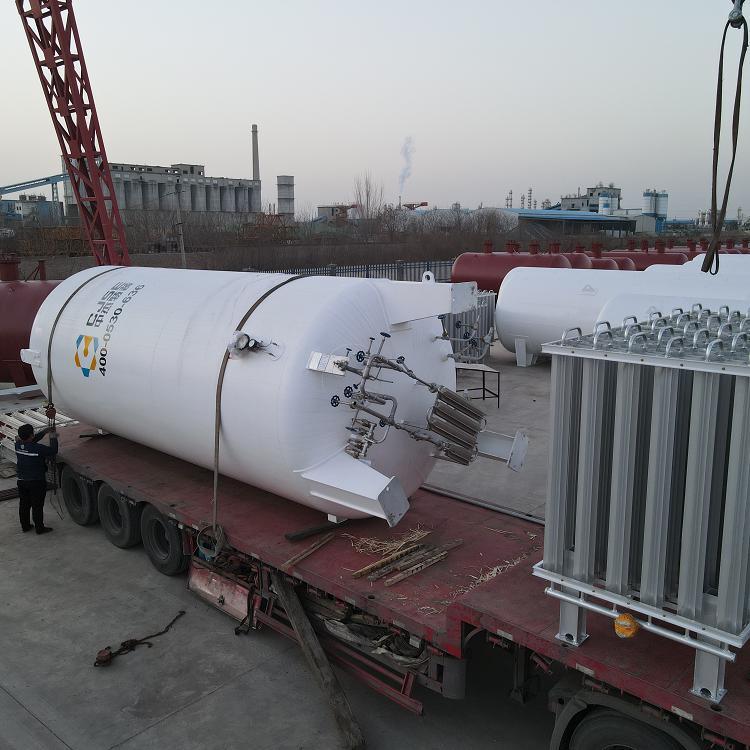
Carbon dioxide has several main applications in the battery industry:
- Solvent in Electrolytes: Carbon dioxide can act as one of the solvents in battery electrolytes. In certain battery types, it can be mixed with organic solvents to enhance the performance and stability of the electrolyte.
- Protective Gas in Battery Manufacturing: During the battery manufacturing process, carbon dioxide can be used as a protective gas. For instance, during assembly and encapsulation, it can replace air to prevent oxidation and corrosion of battery materials due to oxygen and moisture in the battery.
- Battery Performance Enhancement: Carbon dioxide can improve battery performance by altering the atmosphere within the battery. For example, by injecting carbon dioxide gas into the battery, pressure and temperature can be regulated to increase the battery's cycle life and safety.
- Carbon Dioxide Capture and Storage: The production of batteries generates carbon dioxide emissions. Carbon dioxide capture and storage technologies can be employed to reduce these emissions. By capturing and storing carbon dioxide, atmospheric emissions can be decreased, minimizing environmental impact.
- Note: The application of carbon dioxide in the battery industry is continuously evolving and being researched. With technological advancements and innovation, there may be more breakthroughs and developments in the field of carbon dioxide utilization in batteries.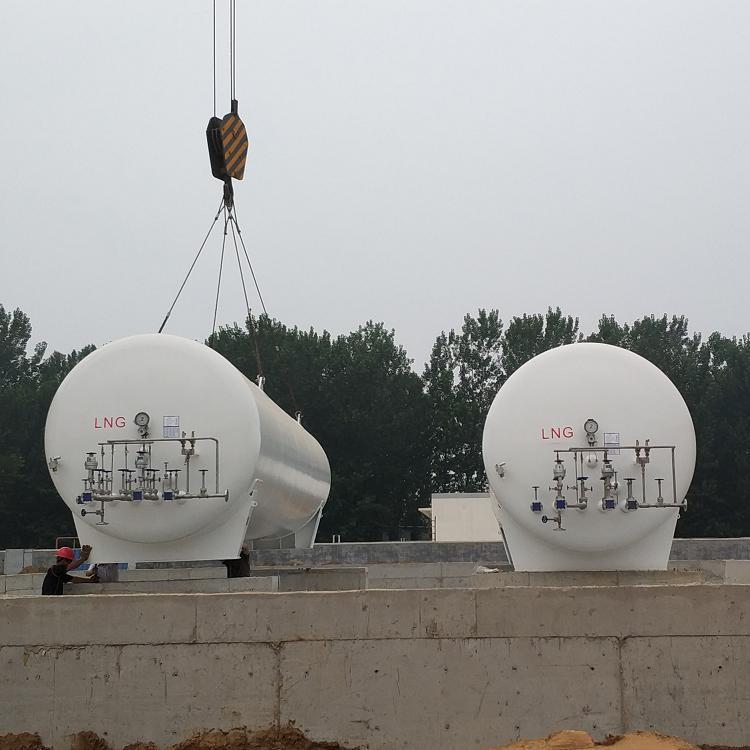
The reasons for not allowing a carbon dioxide tank to remain empty for extended periods are primarily as follows:
1. Safety Risks: Carbon dioxide is a high-pressure gas and must maintain a certain pressure within the tank to remain in liquid form. If carbon dioxide in the tank is released into the atmosphere for a prolonged period, it can cause a drop in tank pressure, potentially leading to structural failure or explosions.
2. Resource Wastage: Carbon dioxide is a valuable resource with widespread applications in industry and other sectors. Allowing the carbon dioxide tank to remain empty for long durations is a waste of resources and does not align with sustainable development principles.
3. Environmental Impact: Carbon dioxide is a greenhouse gas, and releasing it into the atmosphere for an extended period can increase its concentration, exacerbating climate change and environmental issues.
Therefore, to ensure safety, conserve resources, and protect the environment, carbon dioxide tanks should be used and managed according to established procedures and requirements, avoiding prolonged emptiness. When carbon dioxide in the tank is no longer needed, appropriate disposal methods such as recycling, reuse, or safe discharge should be employed.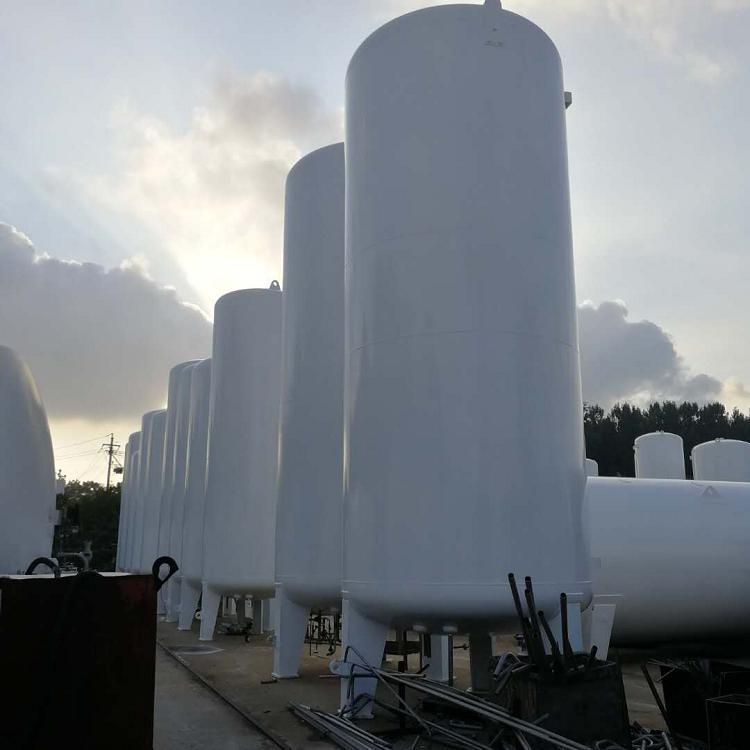
Low-temperature CO2 storage tanks are equipment used for storing and transporting low-temperature liquid CO2. Here are some knowledge points related to low-temperature CO2 storage tanks:
- Tank Structure: Low-temperature CO2 storage tanks typically feature a double-wall design, with the inner wall for liquid CO2 storage and the outer wall for insulation. The interior is usually made of stainless steel or aluminum alloy, offering excellent corrosion resistance.
- Storage Temperature: The storage temperature of low-temperature CO2 storage tanks usually ranges from -40°C to -196°C, depending on specific application requirements. Temperature control is crucial to ensure the stability and safety of the liquid CO2.
- Storage Capacity: The capacity of low-temperature CO2 storage tanks can be selected based on actual needs, generally ranging from a few thousand to tens of thousands of liters. The capacity selection should consider storage requirements, supply frequency, and space limitations.
- Safety Protection: Low-temperature CO2 storage tanks must be equipped with safety devices, such as pressure relief valves, pressure sensors, and temperature sensors, to ensure internal pressure and temperature remain within safe limits.
- Transportation: Low-temperature CO2 storage tanks can be transported via road, rail, or ship. Proper insulation measures must be taken during transportation to maintain the low-temperature state of the liquid CO2 inside.
- Safe Operation: The operation of low-temperature CO2 storage tanks requires training and adherence to safety operation procedures. Operators should understand the tank's characteristics and safety precautions to ensure safe and effective operation.
- Regular Inspection and Maintenance: Low-temperature CO2 storage tanks need regular inspections and maintenance, including external inspections, valve and pipeline checks, and pressure relief device checks. Regular maintenance ensures the tank operates normally and safely.
- The above points are some knowledge related to low-temperature CO2 storage tanks. When using and operating low-temperature CO2 storage tanks, it is essential to follow relevant safety specifications and standards, and consult with experts to ensure safety and effectiveness.
Shandong Zhongjie Special Equipment, welcome customers to visit our factory for business discussions.
WeChat Official Account

Scan to follow Official Account



















