


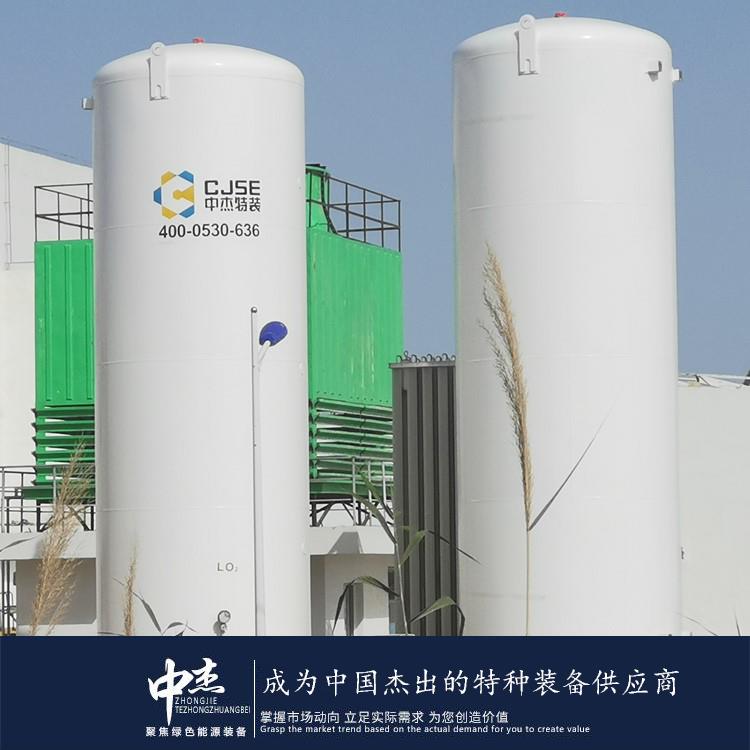


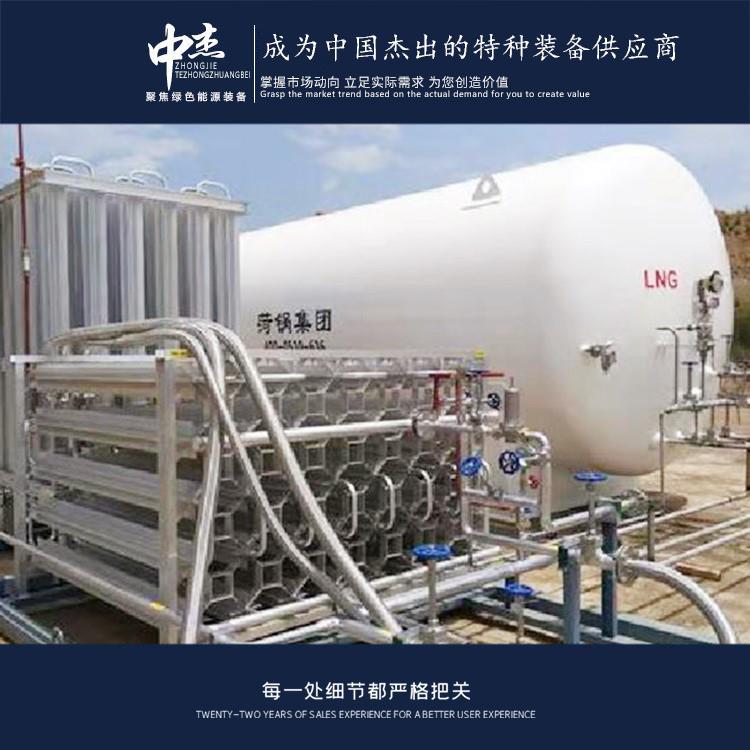


















Shandong Zhongjie Special Equipment (formerly Heze Boiler Factory Co., Ltd.) was established in 2001, located at No. 2218 Jinnan Road, Development Zone, Heze City, with a registered capital of 50 million yuan and total assets of 500 million yuan. The company has 7 business centers: boilers, deep-freeze containers, pressure vessels, central air conditioning, engineering installation, international trade, and Internet of Things. It has three factory sites on Jinnan Road, East Changjiang Road, and Bohai Road, covering a total of 200,000 square meters, with the main workshop spanning 83,000 square meters. It currently employs 710 people, including 247 engineers and technicians, and 82 intermediate-level technicians. In December 2016, it was recognized as a "High-tech Enterprise" by the Science and Technology Department. In June 2021, it was identified as a "Specialized and New Enterprise in Shandong Province" by the Ministry of Industry and Information Technology. In June 2022, it was recognized as a "Gazelle Enterprise in Shandong Province" and in August 2022, it was identified as a "Specialized and New Small Giant Enterprise" by the Ministry of Industry and Information Technology.
For accessories of CO2 storage tanks, such as valves, pipelines, pressure relief devices, etc., maintenance and protection are crucial. Here are some suggestions:
Regular Inspection: Periodically check the appearance and operational condition of the accessories to ensure no damage, loose fittings, or leaks. Pay special attention to the sealing performance and operational flexibility of the valves.
Cleaning and Maintenance: Regularly clean the accessories, removing dirt and impurities on the surface. Use appropriate cleaning agents and tools, avoiding corrosive substances.
Lubrication Maintenance: For accessories requiring lubrication, such as the pistons and rods of valves, perform regular lubrication maintenance. Use suitable lubricants to ensure the normal operation and sealing performance of the valves.
Sealing Inspection: Regularly inspect the sealing performance of the accessories, such as the sealing rings and sealing surfaces of the valves. Replace any damaged or aging seals promptly.
Corrosion Protection: For accessories prone to corrosion, such as pipelines and valves, implement corrosion protection measures, such as applying corrosion-resistant coatings or using protective materials for wrapping.
Regular Calibration: Calibrate measuring devices like level sensors and pressure sensors regularly to ensure their accuracy and reliability.
Regular Maintenance: Develop a regular maintenance plan based on the usage and requirements of the accessories, including cleaning, lubrication, and repairs, to ensure long-term stable operation.
Storage and Transportation Notes: When storing or transporting spare parts or replacement accessories, be mindful of moisture, vibration, and damage prevention to avoid affecting their normal use.
The above suggestions are for the maintenance and protection of CO2 storage tank accessories. Specific operations should be conducted according to the characteristics and requirements of the accessories and in accordance with relevant regulations.
When applying coatings to carbon dioxide storage tanks, attention should be given to the following issues: Surface Preparation: Prior to coating, thorough surface preparation of the tank is essential. This includes cleaning the surface, removing oils, dirt, and old coatings to ensure proper adhesion and quality of the coating. Selection of Appropriate Paint: Choosing the right paint for carbon dioxide storage tanks is crucial. The paint should possess corrosion-resistant, high-temperature, and chemical-resistant properties to protect the tank surface from corrosion and damage. Spray Technique: The choice and operation of spray techniques are critical for the quality and evenness of the coating. Appropriate spray equipment and methods should be selected to ensure uniform coverage of the entire tank surface and avoid drips and sagging of the paint. Coating Thickness: The thickness of the coating is crucial for the protective effectiveness of the tank. The thickness should be controlled according to the paint requirements and the tank's operating environment to ensure the protective performance and lifespan of the coating. Drying and Curing: After the coating is applied, sufficient time must be allowed for drying and curing. Follow the correct drying time and conditions as specified by the paint to ensure the quality and performance of the coating. Safety Measures: Appropriate safety measures must be taken during the spraying process, including wearing protective eyewear, respirators, and protective clothing to ensure the safety of the operators. Quality Inspection: After coating is completed, a quality inspection should be conducted, including the appearance, adhesion, and thickness of the coating. Any issues or defects should be addressed and repaired promptly. It should be noted that coating carbon dioxide storage tanks should be carried out by professionals.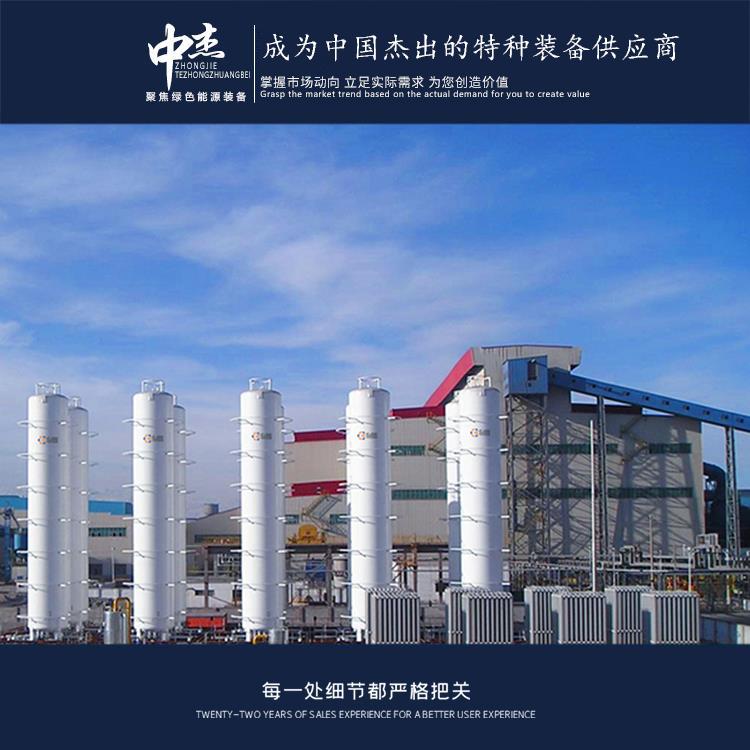
When cooling carbon dioxide storage tanks, be mindful of the following considerations and familiarize yourself with the basic steps of the cooling process:
**Considerations:**
- **Safety:** Pay attention to safety during the cooling process to ensure the safety of operators and the surrounding environment. Adhere to relevant safety operating procedures and standards, and use appropriate personal protective equipment.
- **Equipment Selection:** Choose the appropriate cooling equipment and tools, such as cooling media (e.g., liquid nitrogen), coolers, and cooling systems. Select the suitable cooling equipment based on the tank's size and requirements.
- **Temperature Control:** Control the temperature during the cooling process to avoid overcooling or insufficient cooling. Determine the appropriate cooling temperature range based on the tank's design requirements and operating conditions.
**Cooling Process Analysis:**
- **Preparation:** Ensure there are no residual gases or impurities inside the tank to avoid affecting the cooling effect. Check the tank's sealing and the operation of the safety valve.
- **Cooling Media Injection:** Inject the cooling media (e.g., liquid nitrogen) into the tank to lower the tank's temperature. Control the injection speed and amount during the process to avoid overinjection leading to excessive pressure.
- **Cooling Time:** Determine the cooling time based on the tank's size and requirements. The cooling time typically needs to be long enough to ensure the carbon dioxide inside the tank is fully cooled and liquefied.
- **Temperature Monitoring:** Regularly monitor the tank's temperature during the cooling process to ensure it remains within the appropriate range. Use temperature sensors or infrared thermometers for monitoring.
- **Cooling Completion:** The cooling process is complete when the tank's temperature reaches the predetermined cooling requirements. At this point, the carbon dioxide inside the tank should be in a liquid state.
**Note:** The specific cooling process and steps may vary depending on different tank designs and usage scenarios. When performing cooling operations, follow relevant safety operating procedures and standards to ensure safety and effectiveness.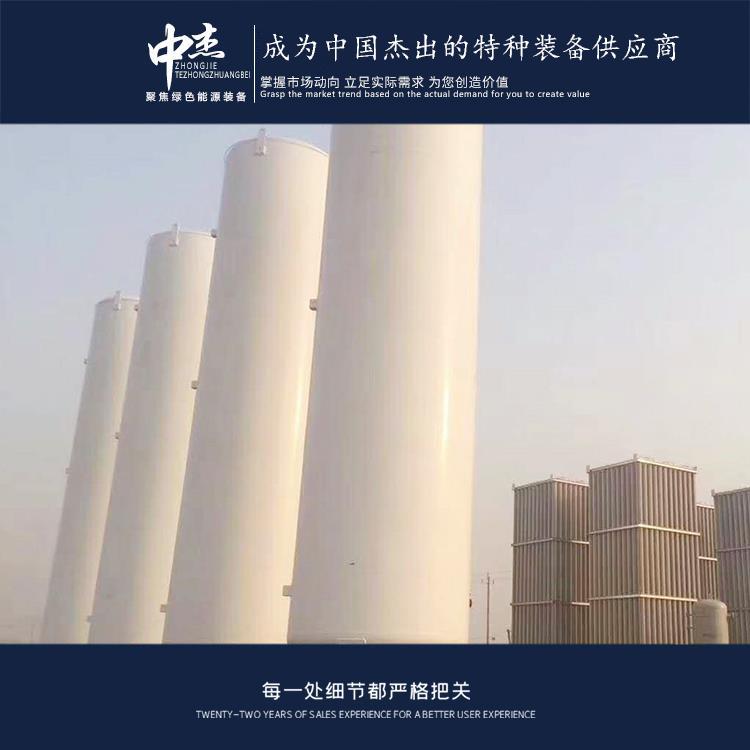
Proper installation of a CO2 storage tank requires the following steps:
Site Preparation: Select an appropriate site for installation, ensuring it is level, stable, and meets safety distance requirements. Clear the site of any obstructions and fire sources.
Foundation Construction: Construct a foundation based on the tank's size and weight. The foundation must be sufficiently strong and stable to support the tank's weight and pressure.
Tank Installation: Place the tank on the foundation, ensuring proper bedding and fastening between the tank and foundation. Connect and secure the tank according to its design specifications.
Pipe Connection: Connect the tank to the piping system as needed. Ensure good seals at the connection points to prevent leaks.
Safety Equipment Installation: Install the required safety equipment for the tank, such as safety valves, pressure sensors, and temperature sensors. Ensure proper installation and connection of these devices.
System Testing: Conduct system tests after installation, including pressure and leak tests, to ensure the normal and safe operation of the tank and piping system.
Identification and Warning Signs: Set up necessary identification and warning signs on the tank and piping system, including tank capacity and pressure information, to remind operators of safety precautions.
Tank Maintenance: Perform regular maintenance and upkeep on the tank after installation, including cleaning, lubricating, and inspections, to ensure normal operation and extend the tank's lifespan.
Installation of CO2 storage tanks should be carried out by qualified installers and in accordance with relevant safety operating procedures and standards. Seek advice and guidance from experts.
Shandong Zhongjie Special Equipment, welcome customers to visit our factory for business discussions.
WeChat Official Account

Scan to follow Official Account



















