



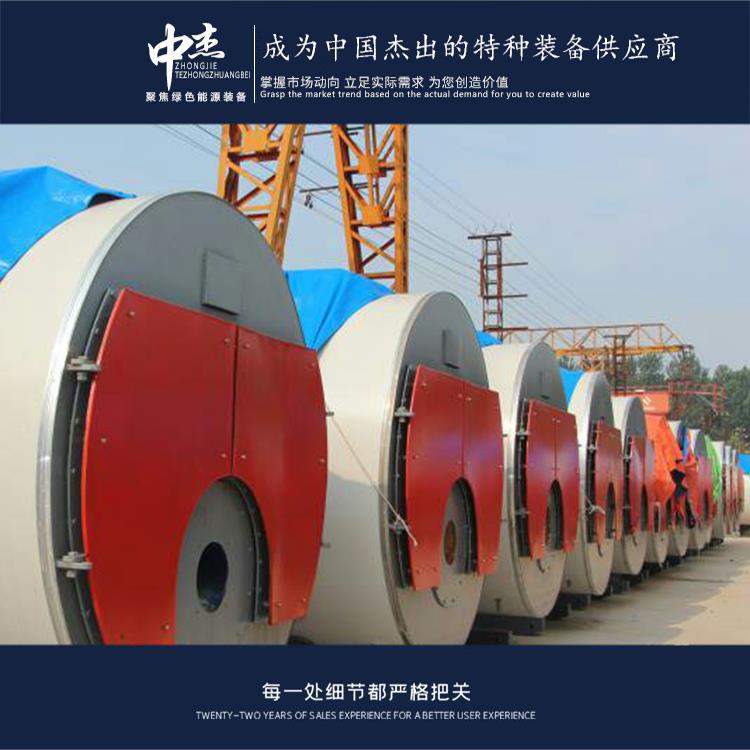
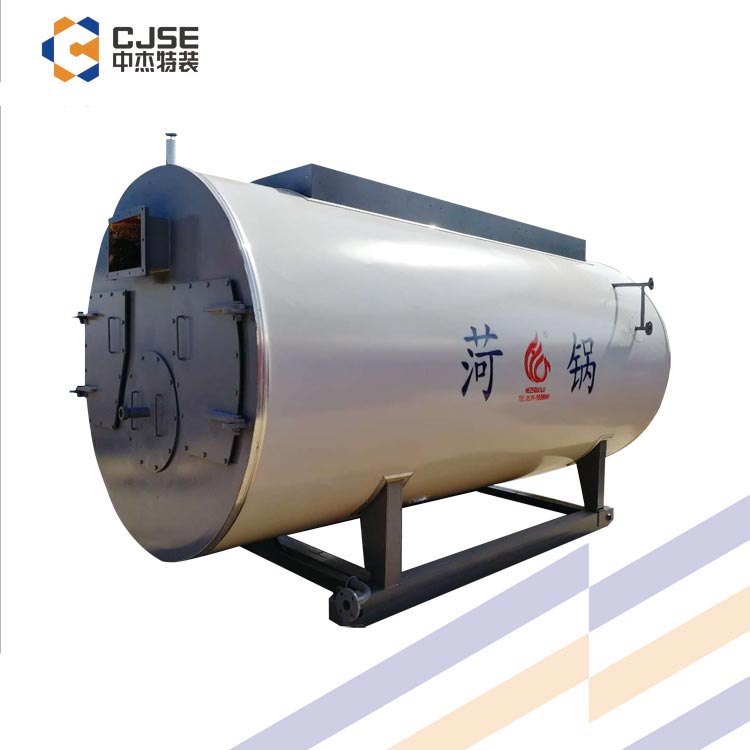


















Shandong Zhongjie Special Equipment (formerly Heze Boiler Factory Co., Ltd.) holds an A-grade boiler manufacturing license, an A2-grade pressure vessel manufacturing license, an A2-grade pressure vessel design license, B-grade boiler installation and GB2, GC2 class pressure pipeline installation licenses, as well as a qualification for the installation of electromechanical equipment. It is a member of the China Boiler and Water Treatment Association, the China Chemical Equipment Association, and a director unit of the Shandong Equipment Manufacturing Association. The company has also passed certifications for the ISO9001 Quality Management System, ISO14001 Environmental Management System, OHSAS18001 Occupational Health and Safety Management System, and the American ASME/U2 certification.
For the maintenance of industrial gas-fired boilers, here are some common methods and precautions: Clean the burner: Regularly clean the interior and nozzle of the burner to ensure normal combustion of the gas, and avoid carbon accumulation and blockage. Inspect the gas supply system: Regularly check the gas supply system, including gas pipes, valves, and pressure regulators, to ensure normal gas supply without leaks or blockages. Clean the flue and heat exchanger: Regularly clean the flue and heat exchanger to remove dust and dirt, maintain heat exchange efficiency, and avoid overheating and energy loss. Check water level and pressure: Regularly inspect the boiler's water level and pressure to ensure safe operation within the specified range. Refill water and adjust pressure to avoid issues caused by low or high water levels. Inspect safety devices: Regularly check the boiler's safety devices, including safety valves, pressure switches, and water level controllers, to ensure they are functioning properly and guarantee safe boiler operation. Inspect the control system: Regularly check the boiler's control system, including automatic controllers, sensors, and instruments, to ensure accuracy and reliability, and to detect and repair faults in a timely manner. Scheduled maintenance: Conduct regular maintenance, including lubricating parts, replacing worn components, and checking electrical connections, to extend the boiler's lifespan and stability. Keep records: Record the boiler's operating parameters, maintenance records, and fault situations to help identify problems and analyze operating conditions promptly. Train operators: Ensure that operators have sufficient
Hot water boilers and steam boilers are two common types of boilers, differing in working principles, application scenarios, and operating parameters:
- Working Principle: Hot water boilers provide heat by heating water and transporting the hot water to the heating system. Steam boilers generate steam by heating water and transport the steam to the heating system.
- Operating Temperature and Pressure: The operating temperature of hot water boilers typically ranges from 60°C to 100°C, with lower pressure. Steam boilers usually operate at temperatures between 100°C to 200°C, with higher pressure, typically between 0.7MPa to 2.5MPa.
- Heating Method: Hot water boilers circulate hot water through the heating system using a pump, with heating primarily through conduction and convection. Steam boilers transport steam through pipelines to the heating system, with heating mainly through steam convection.
- Application Scenarios: Hot water boilers are suitable for heating, bathing, swimming pool heating, and other scenarios requiring hot water in industrial production processes. Steam boilers are used in industrial applications that require steam, such as power plants, chemical factories, and textile mills.
- Equipment Structure: Hot water boilers are generally simpler and smaller in structure, occupying less space. Steam boilers are typically more complex, larger in structure, and take up more space.
- It's important to note that hot water and steam boilers may overlap in some specialized application scenarios, such as industrial processes that require both hot water and steam. Therefore, when selecting a boiler type, it's necessary to consider the specific needs and application scenarios.
When a gas steam boiler experiences overpressure, the following immediate measures must be taken:
1. Shut off gas supply: First, immediately shut off the gas supply to cut off the fuel source and stop the combustion process to prevent further increase in steam pressure.
2. Open the pressure relief device: Open the boiler's pressure relief device, typically a safety valve. The safety valve is an essential safety feature of the boiler; it automatically opens when the internal pressure exceeds the set value, releasing overpressure steam to lower the boiler pressure.
3. Reduce burner load: If the overpressure is caused by an excessive burner load, reduce the burner load to decrease steam production and thus lower the boiler pressure. Adjust the gas supply to the burner or the burner's adjustment method to accommodate the current load requirements.
4. Inspection and maintenance: After an overpressure event, inspect and maintain the boiler to identify the cause of the overpressure and make repairs. Possible causes include burner malfunctions, control system failures, and valve failures. If necessary, hire a boiler maintenance technician for inspection and maintenance.
It is important to note that overpressure is a dangerous condition during boiler operation and must be addressed promptly. When dealing with overpressure, operators should remain calm and follow safety procedures to ensure their safety. If unsure how to handle an overpressure situation, contact a boiler maintenance technician or relevant technical support personnel immediately for assistance.
Prior to initiating the heating gas hot water boiler, the following proper procedures must be carried out:
- Inspect the gas supply system: Ensure the gas supply system is operating properly, check gas pipelines, valves, and pressure regulators, etc., to confirm there are no leaks or blockages in the gas supply.
- Check the water system: Inspect the water circulation system of the heating system, including pumps, valves, and pipes, to ensure the waterways are clear of leaks and blockages.
- Inspect the electrical system: Check the electrical system of the boiler, including power connections, controllers, and sensors, to ensure electrical equipment is functioning normally.
- Verify safety devices: Check the safety devices of the boiler, including safety valves, pressure switches, and water level controllers, to ensure they are operating correctly and guarantee the safe operation of the boiler.
- Prepare for ignition: According to the boiler's operating instructions, prepare the tools and equipment required for ignition, including an igniter and ignition electricity.
- Open the gas valve: Slowly open the gas valve to ensure a steady gas supply and avoid gas surges.
- Ignite and start: Follow the boiler's operating instructions to ignite and start the boiler. Perform the appropriate operations according to the boiler model and control system to ensure a smooth ignition process.
- Monitor operating status: After startup, closely monitor the boiler's operating status, including combustion, water level, and pressure, to ensure normal operation without any anomalies.
- Adjust parameters: Adjust the boiler's parameters as needed, including temperature, pressure, and water level, to meet the requirements of the heating system.
- Regular maintenance: After startup, perform regular maintenance, including cleaning the burner, checking water level and pressure, and replacing worn parts, to ensure normal and safe operation of the boiler.
- It is recommended to refer to the boiler's operation manual and manufacturer's guidelines before starting the heating gas hot water boiler to ensure correct and safe operation. If necessary, personnel may be requested for operation and maintenance.
Zhongjie Special Equipment upholds the grand vision of "realizing employees' dreams, creating value for customers, and striving for the prosperity and strength of our motherland," focusing solely on the development of green energy equipment. We dedicate products and services with high cost-performance to society!
WeChat Official Account

Scan to follow Official Account



















