


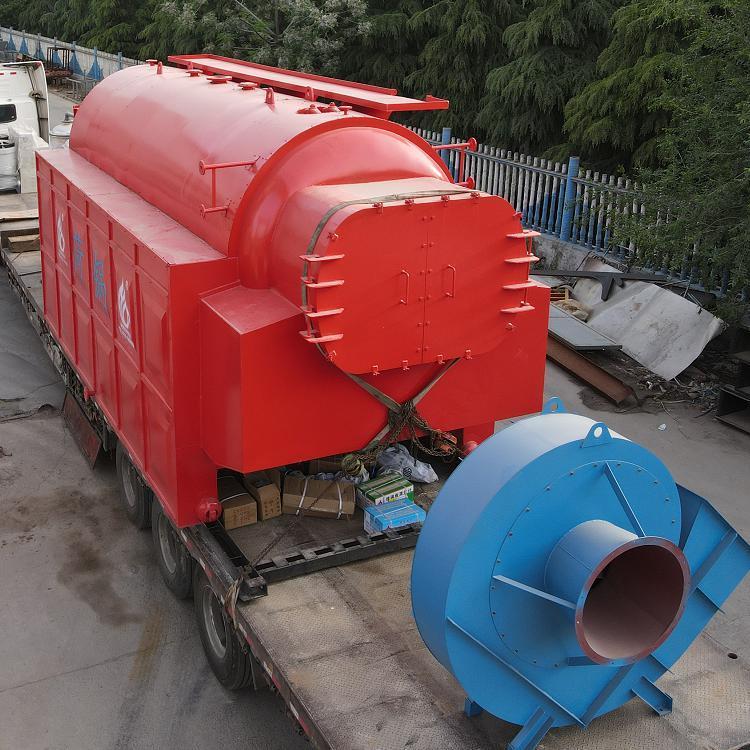

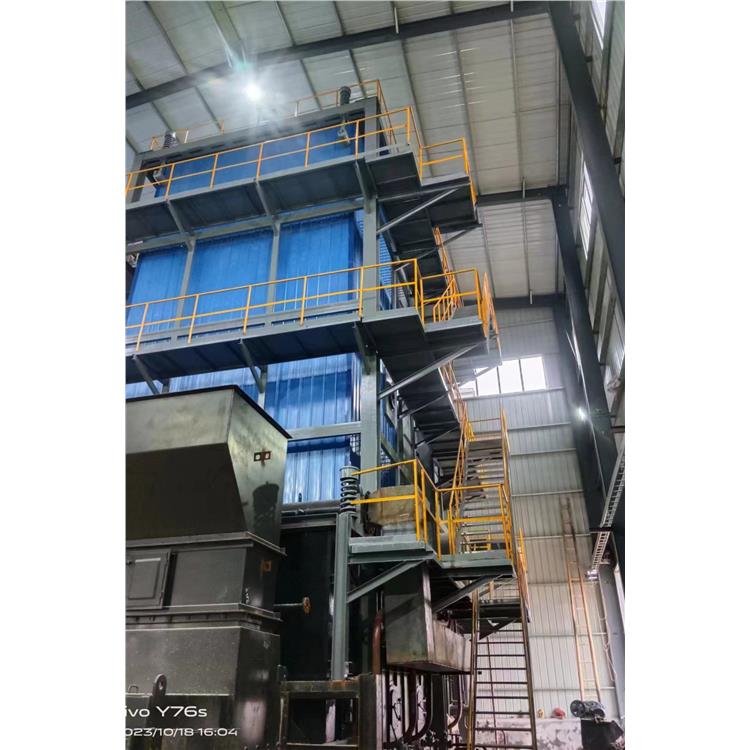
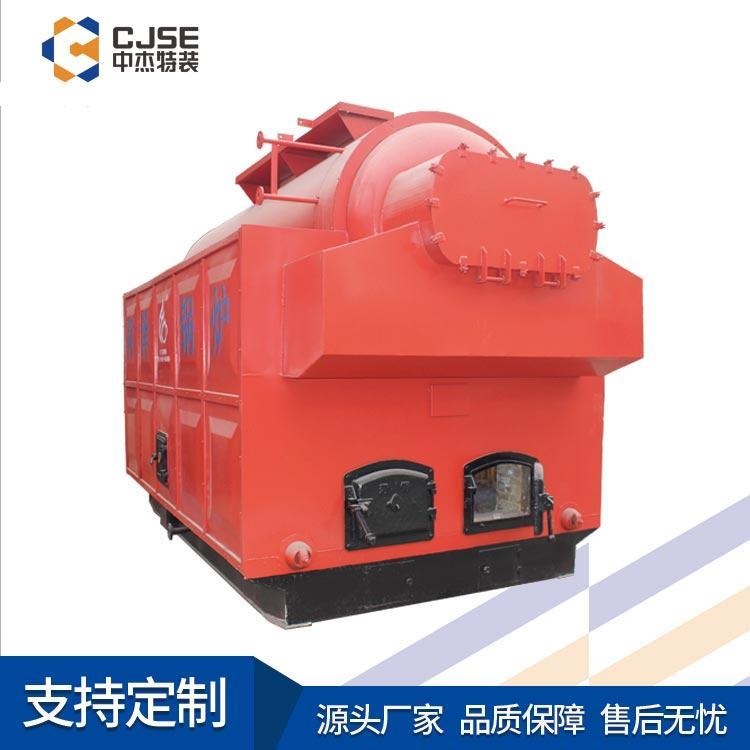


















Shandong Zhongjie Special Equipment's main products include: fuel (gas) boilers, organic heat carrier boilers, biomass boilers, waste heat boilers, and other boiler products; vacuum insulation cryogenic pressure vessels such as LNG tanks, oxygen/nitrogen/argon tanks, and CO2 tanks; pressure vessel products such as denitrification engineering equipment, heat storage and energy storage equipment, and complete chemical equipment; central air conditioning and ventilation equipment such as ground (water) source heat pumps, air source units, water-cooled screw units, and air-cooled modular units. Planned products include large-scale energy centers, LNG transport vehicles, LNG tank containers, and other green energy equipment.
During the operation of biomass hot water boilers, the following aspects should be taken into consideration:
Fuel Quality: Select biomass fuel in specified quantities to ensure the fuel's moisture content and particle size meet the boiler's requirements. Low-quality fuel can lead to incomplete combustion and blockages.
Combustion Effect: Pay attention to monitoring and adjusting the combustion effect to ensure the stability and completeness of the combustion process. Adjust combustion parameters, such as combustion temperature and duration, in accordance with the boiler's operating condition and fuel characteristics.
Clean Combustion System: Regularly clean the combustion system, including the combustion chamber, burner, and burner nozzle, etc. Remove ash, deposits, and dirt to maintain the system's flow and prevent issues such as incomplete combustion and unstable flames.
Water Treatment: Pay attention to the water treatment of the boiler, including water hardness, alkalinity, and impurities in the water. Adopt appropriate water treatment measures based on the water quality to prevent scale and corrosion, and protect the boiler's heat exchangers and pipes.
Regular Maintenance: Perform regular maintenance on biomass hot water boilers, including cleaning, lubricating, and securing. Inspect all parts and connections of the boiler to ensure they are functioning properly and maintain optimal operating condition.
Safety Operation: Adhere to the boiler's operational procedures and safety guidelines to ensure safe operation. Monitor and control parameters such as pressure and temperature, and promptly address any anomalies.
In summary, pay attention to fuel quality, combustion efficiency, cleanliness of the combustion system, water treatment, regular maintenance, and safety.
The extinguishing process and maintenance methods for the fully automatic biomass boiler are as follows:
Extinguishing Process:
Discontinue Fuel Supply: Prior to extinguishing the biomass boiler, cease fuel supply first to ensure the fuel supply pipeline is closed.
Turn off the burner: Switch the burner's switch or the extinguish button on the control panel to the off position to stop the burner from operating.
Wait for Cooling: Allow the boiler to cool to a safe temperature, which usually takes some time. Do not operate during this period to avoid any accidents.
Shut off power: After the boiler has completely cooled down, turn off the power switch of the boiler to ensure the boiler is in a power-off state.
Maintenance Instructions:
Clean combustion chamber: Regularly clean the combustion chamber to remove ash and soot generated during the combustion process. Use appropriate tools and cleaning agents to ensure the chamber remains clear and clean.
Heat Exchanger Cleaning: Regularly clean heat exchangers, particularly those on the flue side. Combustion may produce particulates and slag in the flue gases, which can adhere to the heat exchanger surface, affecting heat transfer efficiency. Appropriate cleaning methods, such as mechanical or chemical cleaning, can reduce the accumulation of dirt.
Inspect and Replace Critical Components: Regularly inspect and replace critical components such as burners, valves, sensors, etc. Ensure these components operate and perform normally to avoid malfunctions and potential safety hazards.
Water Treatment: Proper water treatment for boiler feed to prevent impurities and sediments from depositing inside the boiler. Methods such as water softening, deoxygenation, and scale removal can be employed to maintain the cleanliness and stability of the water supply.
Regular Maintenance: Perform regular maintenance and upkeep, including inspecting and cleaning control systems, checking electrical connections, and lubricating moving parts. Develop a corresponding maintenance schedule based on the boiler's usage and the manufacturer's recommendations.
Above is the extinguishing process and maintenance method for the fully automatic biomass boiler. With proper operation and regular maintenance, the safe operation of the boiler can be ensured and its service life extended.
To reduce the emissions of nitrogen oxides (NOx) from biomass boilers, the following measures can be taken:
Burn Control Optimization: By optimizing the combustion process, controlling the combustion temperature and oxygen supply, and reducing NOx emissions. Adjusting the burner's structure and parameters can make the combustion process more thorough and even, minimizing the formation of local hot spots.
Combustion Chamber Design Enhancement: Improved combustion chamber design for biomass boilers, increasing mixing and residence time within the chamber to ensure better fuel-air mixing, thereby reducing NOx emissions.
SNCR Technology: Selective Non-Catalytic Reduction (SNCR) technology involves adding a reductant, such as urea, during the combustion process to react with NOx and convert it into nitrogen and water. This technique can effectively reduce NOx emissions, but requires system design and adjustment based on specific conditions.
SCR Technology: Selective Catalytic Reduction (SCR) technology is a NOx control method that involves adding a catalyst to flue gas, such as, to react with NOx and convert it into nitrogen and water. SCR technology can achieve high NOx removal efficiency, but requires a significant investment and operating cost.
Flue Gas Recirculation (FGR): Flue gas recirculation technology recycles a portion of flue gas back into the combustion process, reducing combustion temperature and minimizing NOx formation. This technique allows for NOx control by adjusting the recirculation ratio.
Regular maintenance and cleaning: Regular maintenance of biomass boilers
Preventing malfunctions is crucial for maintaining the smooth operation of biomass hot water boilers. Here are some methods for preventive maintenance:
Regular inspections and maintenance: Perform regular checks and maintenance on biomass hot water boilers, including cleaning, lubricating, and tightening. Inspect all parts and connections of the boiler to ensure they are functioning properly and maintain good working condition.
Clean Combustion System: Regularly clean the combustion system, including the combustion chamber, burners, and burner nozzles. Remove soot, deposits, and dirt to maintain the free flow of the combustion system, avoiding incomplete combustion and unstable flames.
Inspect Water Quality: Regularly check the water quality of the biomass hot water boiler, including water hardness, alkalinity, and impurities. Take appropriate water treatment measures based on the water quality to prevent scale and corrosion, and protect the boiler's heat exchangers and pipes.
Cleaning Heat Exchangers: Regularly clean the heat exchangers of biomass hot water boilers to remove dirt and dust. Accumulated dirt and dust can reduce the heat transfer efficiency of the heat exchangers, affecting the boiler's thermal efficiency and operational stability.
Inspect the safety valve and pressure gauge: Regularly inspect and test the biomass hot water boiler's safety valve and pressure gauge to ensure proper operation. The proper functioning of the safety valve and pressure gauge is crucial for ensuring the safety and stability of the boiler.
Maintain records and monitoring: Document operational parameters and fault conditions of biomass hot water boilers, and conduct monitoring and analysis. Identify and resolve issues promptly to prevent faults from occurring or escalating.
Shandong Zhongjie Special Equipment, welcome customers to our factory for business discussions.
WeChat Official Account

Scan to follow Official Account



















