


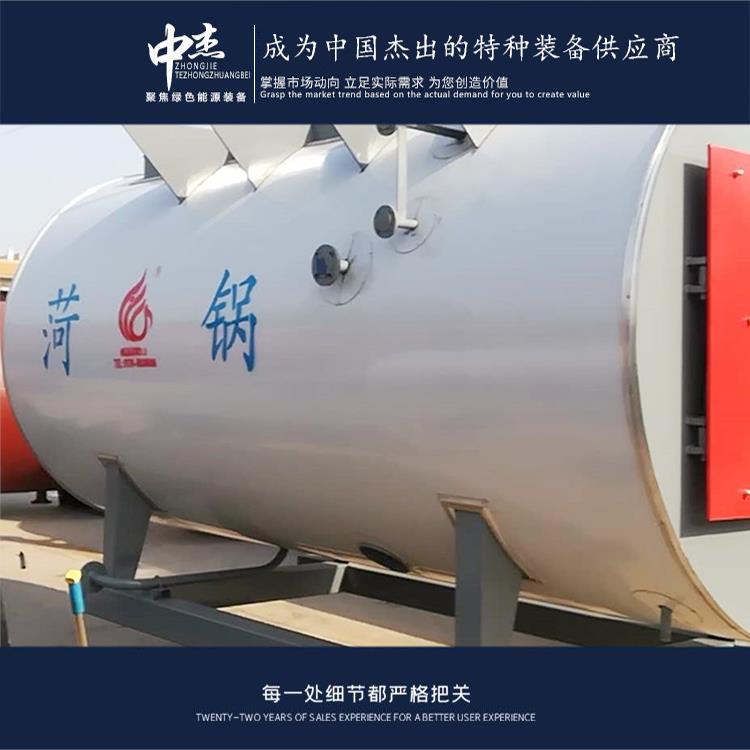

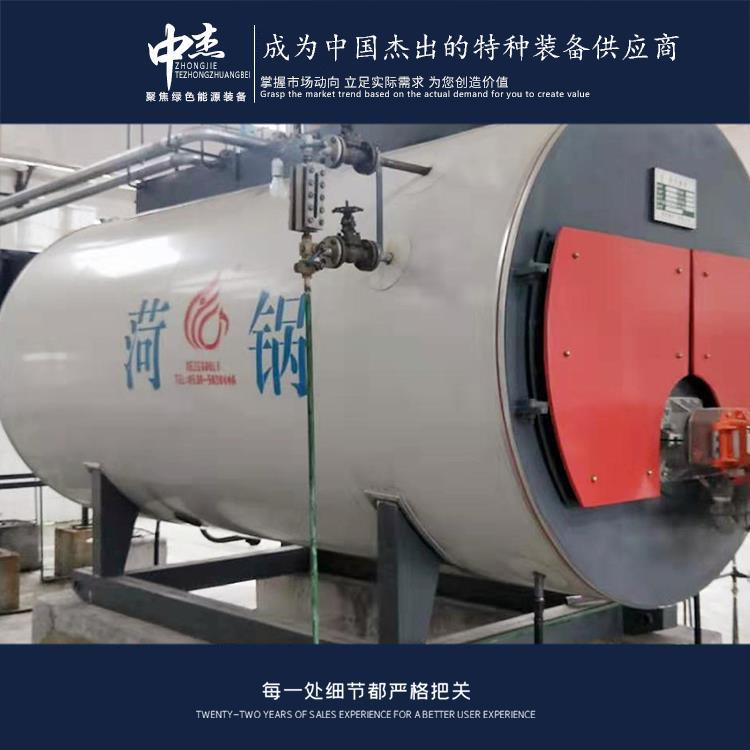
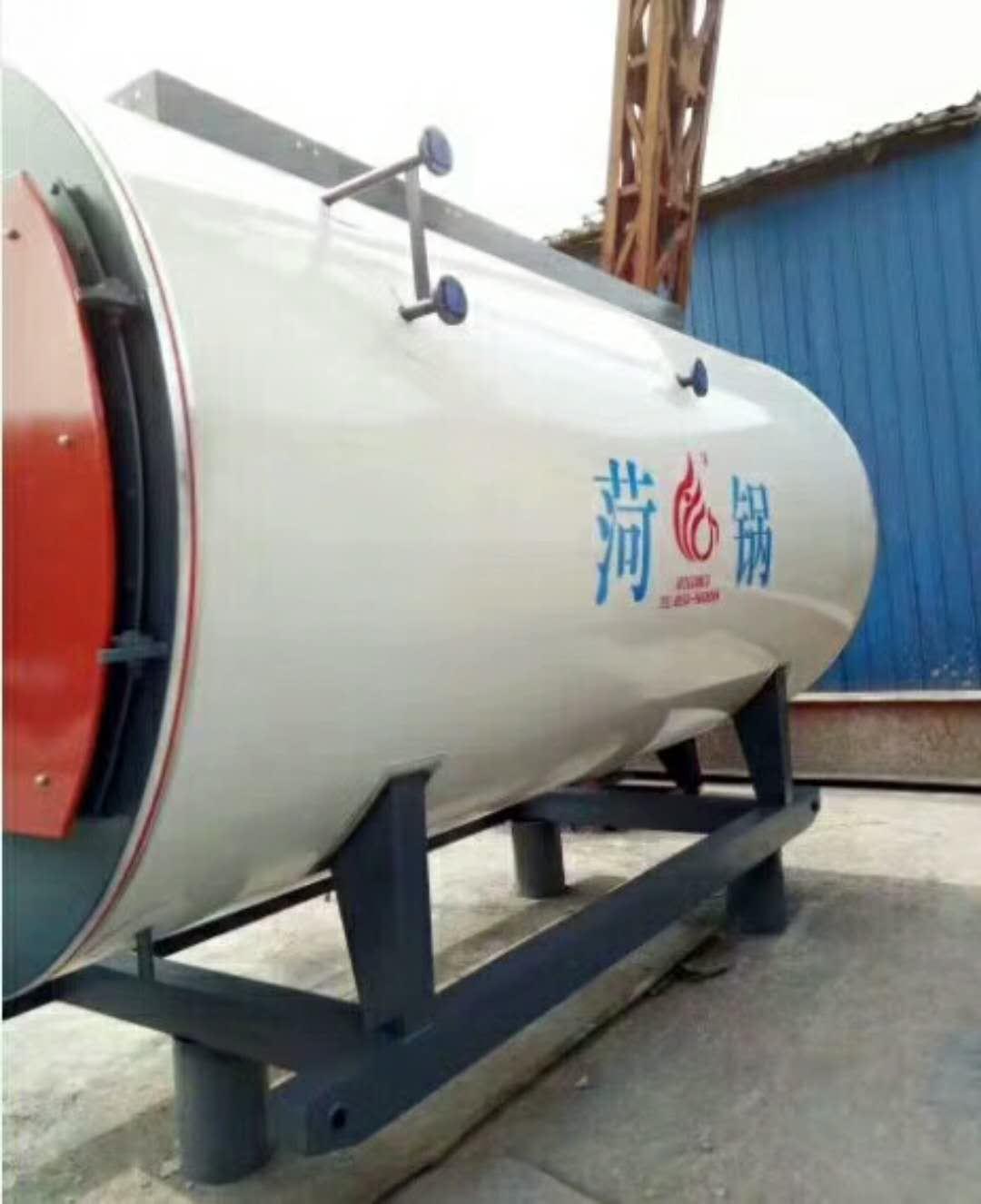


















Shandong Zhongjie Special Equipment's main products include: fuel (gas) boilers, organic heat carrier boilers, biomass boilers, waste heat boilers, and other boiler products; vacuum insulation cryogenic pressure vessels such as LNG tanks, oxygen/nitrogen/argon tanks, and CO2 tanks; pressure vessel products such as denitrification engineering equipment, heat storage and energy storage equipment, and complete chemical equipment; central air conditioning and ventilation equipment such as ground (water) source heat pumps, air source units, water-cooled screw units, and air-cooled modular units. Planned products include large-scale energy centers, LNG transport vehicles, LNG tank containers, and other green energy equipment.
When installing a gas boiler system, the following points should be noted:
Safety: Gas boilers are equipment that uses gas as fuel, so safety must be ensured during installation. First, select an appropriate installation location, away from flammable materials and combustible gases, ensuring good ventilation. Second, install according to relevant safety regulations, including the connection of gas pipes and the installation of gas valves.
Pipe Connection: Gas boilers require connection to gas pipes to ensure a smooth gas supply. During the connection process, use suitable pipes and joints to ensure a secure connection and prevent gas leaks. Additionally, conduct leak tests to ensure no leaks occur.
Exhaust Duct: During the combustion process, gas boilers produce exhaust gases, requiring an appropriate exhaust duct. The exhaust duct must be kept clear to avoid the accumulation of exhaust gases indoors, which can pose safety hazards and air pollution.
Electrical Connection: Gas boilers typically require electricity, so electrical connections must be made during installation. Ensure the electrical connections are correct and secure, avoiding circuit shorts or other electrical issues.
Water System: Gas boilers usually need to be connected to the water system, including supply and drain pipes. During the connection process, ensure the water pipes are securely connected to prevent leaks or unstable water pressure.
Commissioning and Testing: After installation, commissioning and testing of the gas boiler should be conducted. This includes ignition tests, combustion efficiency tests, and temperature control tests to ensure the boiler operates normally and is safe and reliable.
It is recommended to follow relevant installation specifications and requirements when installing a gas boiler system. If you do not possess the necessary technical knowledge, it is best to have a qualified installer perform the operation to ensure the installation process is safe and reliable.
In the burner of a thermal oil furnace, adjusting the air shutter during low flame conditions is crucial. Here are some common knowledge and precautions:
The function of the air shutter: The air shutter is a key component in the burner that controls the supply of combustion air. By adjusting the opening of the air shutter, the flow of combustion air can be controlled, thereby affecting the oxygen supply and combustion effect during the combustion process.
Adjustment during low flame conditions: In low flame conditions, the burner needs to maintain stable combustion to ensure combustion efficiency and heat output. In this case, it is necessary to adjust the opening of the air shutter appropriately to maintain a suitable supply of combustion air. Generally, the opening of the air shutter is relatively small during low flame conditions to maintain an appropriate oxygen supply and avoid incomplete combustion or instability.
Ratio of combustion air to fuel: In low flame conditions, it is necessary to ensure that the ratio of combustion air to fuel is appropriate. Excessive combustion air can lead to incomplete combustion and energy waste, while insufficient combustion air can cause instability in combustion and the production of harmful gases. By adjusting the opening of the air shutter, the ratio of combustion air to fuel can be controlled to achieve a stable combustion effect.
Burner tuning and optimization: During the installation and tuning of the burner of a thermal oil furnace, appropriate tuning and optimization are required. Through actual operation and monitoring, adjust the opening of the air shutter and other parameters to achieve the best combustion effect and energy efficiency performance. This requires...
For the maintenance of industrial gas-fired boilers, here are some common methods and precautions:
- Clean the burner: Regularly clean the interior and nozzle of the burner to ensure normal combustion of the gas, avoiding carbon buildup and blockages.
- Inspect the gas supply system: Regularly check the gas supply system, including gas pipes, valves, and pressure regulators, to ensure normal gas supply, no leaks, or blockages.
- Clean the flue and heat exchanger: Regularly clean the flue and heat exchanger to remove dust and dirt, maintaining heat exchange efficiency and avoiding overheating and energy loss.
- Check water level and pressure: Regularly inspect the boiler's water level and pressure to ensure safe operation within the specified range. Refill water and adjust pressure to avoid issues caused by low or high water levels.
- Inspect safety devices: Regularly check the boiler's safety devices, including safety valves, pressure switches, and water level controllers, to ensure proper functioning and safe operation.
- Check the control system: Regularly inspect the boiler's control system, including automatic controllers, sensors, and instruments, to ensure accuracy and reliability, and to promptly detect and repair faults.
- Scheduled maintenance: Regularly perform maintenance, including lubricating parts, replacing worn components, and checking electrical connections, to extend the boiler's lifespan and stability.
- Keep records: Record the boiler's operating parameters, maintenance records, and fault situations to help promptly identify problems and analyze operating conditions.
- Train operators: Ensure operators have sufficient
Possible reasons for uneven heat distribution in steam boilers may include the following aspects:
- Uneven combustion: During the combustion process, an uneven mixture of fuel and air, or an unreasonably designed and adjusted burner, can lead to uneven combustion. This results in some areas producing more heat while others produce less.
- Pipe blockage: In the transmission pipes of steam boilers, the presence of blockages or scale can cause uneven heat transfer. Blockages or scale impede steam flow, limiting heat transfer in some areas while allowing it to flow relatively freely in others.
- Heat exchanger issues: If the heat exchanger in a steam boiler has scaling, corrosion, or blockage problems, it can lead to uneven heat transfer. These issues affect the heat conduction efficiency of the heat exchanger, impacting heat transfer in certain areas.
- Water level issues: Inaccurate or unstable water level control in steam boilers can lead to uneven steam generation. Both high and low water levels can affect steam generation and distribution, causing uneven heat distribution.
- Boiler load changes: Variations in boiler load can also result in uneven heat distribution. Sudden increases or decreases in load may not allow the boiler's heat generation and distribution to adjust promptly, leading to uneven heat distribution.
To address the issue of uneven heat distribution in steam boilers, regular inspection and maintenance of the boiler equipment are necessary to ensure normal operation of the combustion and heat exchange processes. Additionally, reasonable adjustments to the burner and control systems, maintaining stable water levels, cleaning pipes and heat exchangers, and other measures should be taken to improve...
ZJ Special Equipment adheres to the grand vision of "realizing employees' dreams, creating customer value, and striving for the prosperity and strength of our motherland," focusing solely on the development of green energy equipment, and dedicating high-quality products and services with competitive prices to society!
WeChat Official Account

Scan to follow Official Account



















