


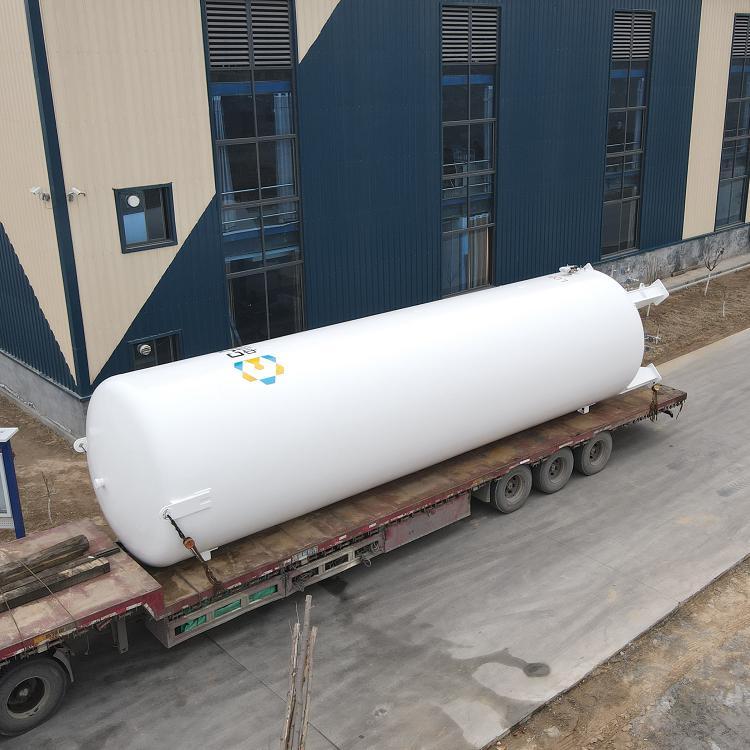

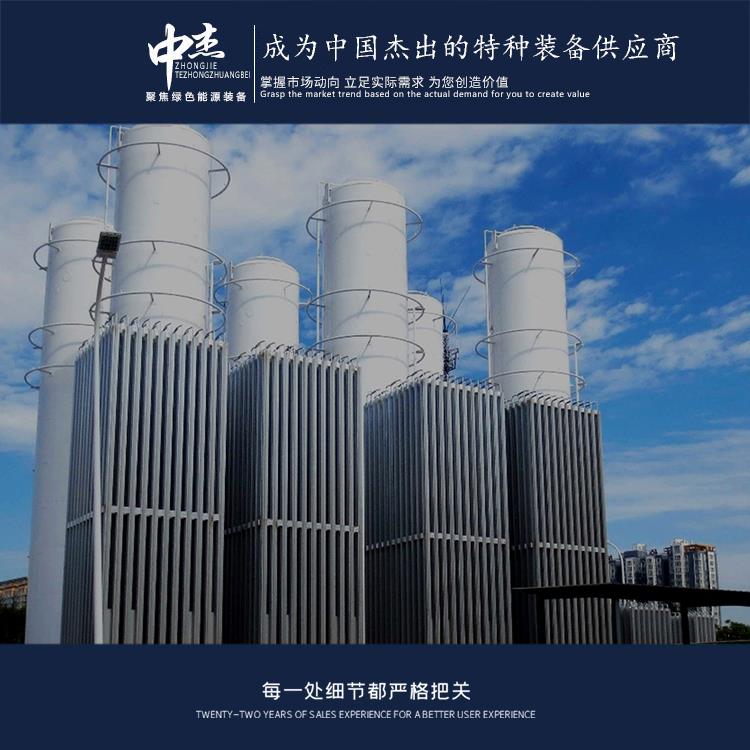
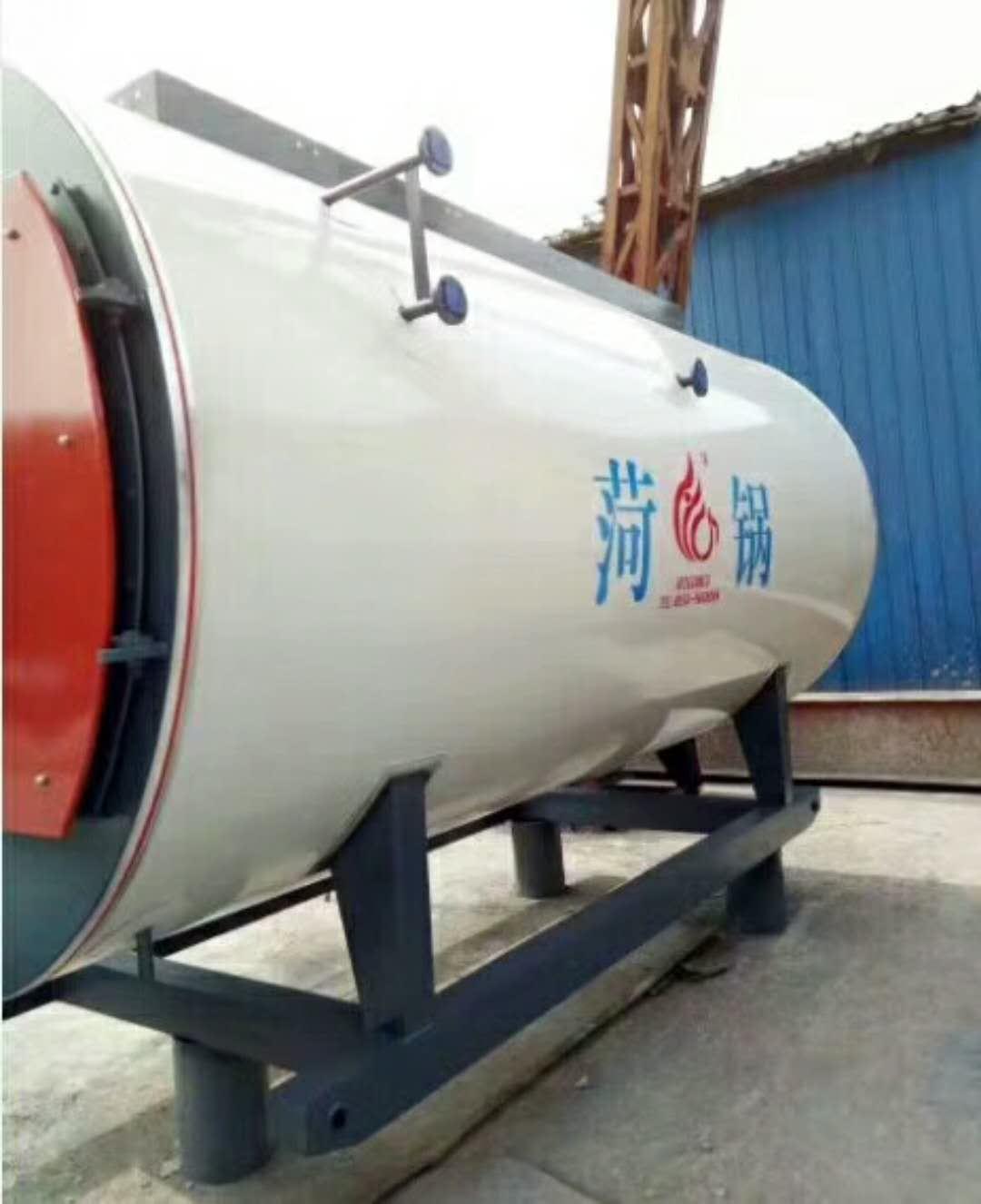


















Shandong Zhongjie Special Equipment (formerly Heze Boiler Factory Co., Ltd.) was established in 2001, located at No. 2218 Jinnan Road, Development Zone, Heze City, with a registered capital of 50 million yuan and total assets of 500 million yuan. The company has 7 business centers: boiler, deep-freezing container, pressure vessel, central air conditioning, engineering installation, international trade, and Internet of Things. It has three factory areas on Jinnan Road, East Changjiang Road, and Bohai Road, covering a total of 200,000 square meters. The main workshop is 83,000 square meters, with 710 employees, including 247 engineers and technicians, and 82 intermediate-level technical personnel. In December 2016, it was recognized as a "High-Tech Enterprise" by the Science and Technology Department. In June 2021, it was identified as a "Specialized and New Enterprise in Shandong Province" by the Ministry of Industry and Information Technology. In June 2022, it was recognized as a "Gazelle Enterprise in Shandong Province" and in August 2022, as a "Specialized and New Small Giant Enterprise" by the Ministry of Industry and Information Technology.
In the event of a CO2 storage tank leak, immediate action should be taken as follows: Ensure personnel safety: First, ensure that people evacuate the leak area quickly and stay away from potential dangers. If necessary, use appropriate personal protective equipment, such as respirators and protective suits. Cut off the gas source: As soon as possible, cut off the CO2 supply source to stop further leakage. Close related valves or switches, or disconnect from the tank. Prevent ignition sources: Ensure there are no open flames or other heat sources that could cause a fire in the leak area. If there is a fire risk, take appropriate fire-fighting measures immediately. Ventilation treatment: Open ventilation equipment to increase air circulation, which helps dilute and expel the leaked CO2 gas. Ensure that ventilation equipment is operating properly and that the ventilation system does not introduce CO2 gas to other areas. Seal the leak point: If possible, attempt to seal the leak point with suitable materials or methods to reduce or stop the leakage. This may require assistance from personnel. Notify relevant departments: Promptly notify relevant emergency departments, environmental protection departments, or related agencies, report the leak situation, and act according to their instructions. Please note that handling CO2 storage tank leaks is a dangerous task and should be carried out by trained and experienced personnel. Follow relevant safety operating procedures and guidelines during the process.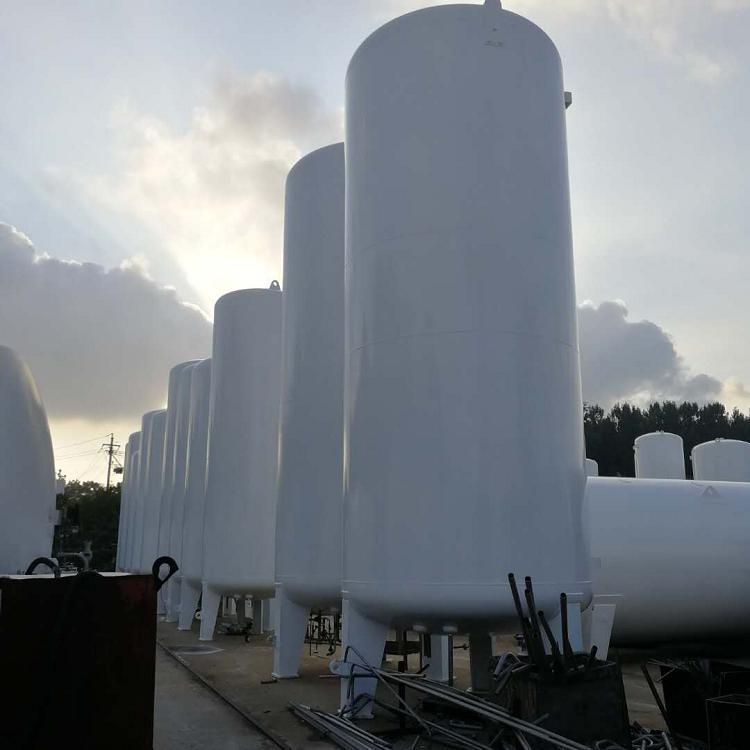
Installation and operation of low-temperature carbon dioxide storage tanks must comply with the following requirements:
Installation Location Selection: When choosing the installation location for the tank, consider its weight and dimensions to ensure a solid and stable foundation. Additionally, keep it away from flammable, explosive materials, and high-temperature sources to ensure safety.
Safety Distance: Maintain a certain safety distance around the tank for routine inspections, maintenance, and emergency response. The safety distance should meet relevant safety regulations and standards.
Connection Pipes: Use appropriate connection methods between the tank and pipes to ensure tight and reliable connections with no leaks. The connection pipes should comply with relevant standards and specifications.
Pressure Relief Devices: The tank should be equipped with pressure relief devices, such as safety valves, to control internal pressure. The set pressure of the pressure relief devices should meet relevant requirements and be inspected and maintained regularly.
Sealability Inspection: Regularly check the tank's sealing performance to ensure no leaks. Pay special attention to the valves, pipe connections, and the tank's own sealability.
Temperature Control: Low-temperature carbon dioxide storage tanks require temperature control to maintain the internal low-temperature state. Ensure the surrounding environmental temperature is suitable and take appropriate insulation measures.
Safety Protection: Set up appropriate safety protection facilities around the tank, such as guardrails and warning signs, to remind personnel of safety and prevent unauthorized access to the tank.
Storage Capacity Control: Control the storage capacity of the tank according to actual needs to avoid exceeding the rated capacity. Exceeding the rated capacity may cause excessive pressure in the tank, increasing safety risks.
Storage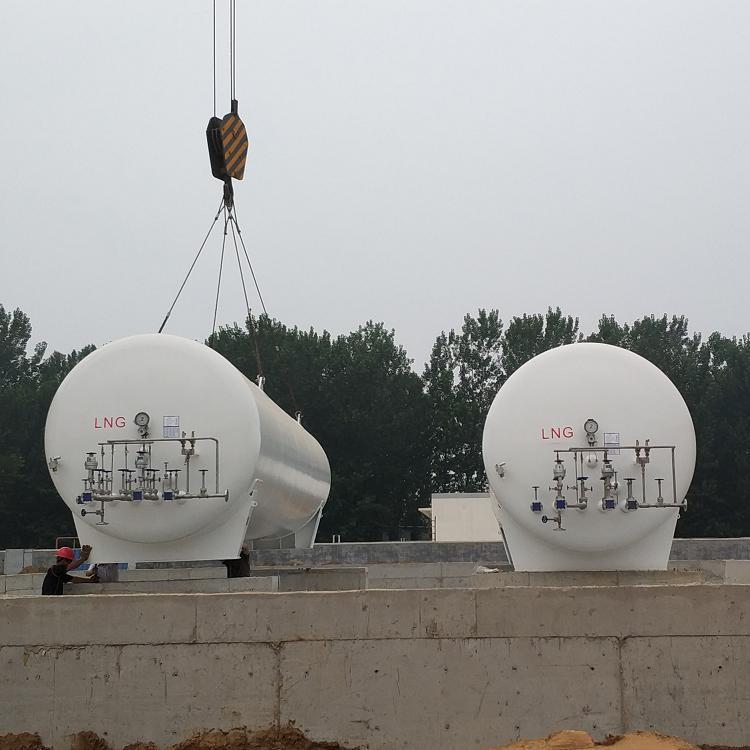
Carbon dioxide is widely used as a protective gas in metal welding processes during welding. The following are the main applications of carbon dioxide in welding:
Gas Metal Arc Welding (GMAW): Carbon dioxide is commonly used as the protective gas in the GMAW welding process. In GMAW welding, the arc generates high temperatures in the welding area, which can also cause oxidation reactions with oxygen and water vapor, leading to a decrease in weld quality. By injecting carbon dioxide gas into the welding area, a protective atmosphere is formed, preventing oxygen and water vapor from entering, thereby improving the quality and strength of the weld.
Mixed Gas Metal Arc Welding (GMAW): Carbon dioxide is also often mixed with other gases (such as argon) to form mixed gas protective welding. The use of mixed gases can adjust the arc stability, molten pool formation, and weld quality during the welding process, enhancing the welding results.
Gas Shielded Brazing: Carbon dioxide can also be used in the gas shielded brazing process. During brazing, carbon dioxide gas provides a protective atmosphere, preventing oxidation and contamination in the brazing area, ensuring the quality of the brazed joint.
Gas Shielded Cutting: Carbon dioxide can also be used in the gas shielded cutting process. In gas shielded cutting, by injecting carbon dioxide gas into the cutting area, a protective atmosphere is formed, preventing oxidation and contamination in the cutting area, improving the quality and speed of the cut.
It is important to note that the application of carbon dioxide in welding needs to be adjusted and optimized according to specific welding materials, methods, and requirements. When using carbon dioxide for welding, it is necessary to follow relevant safety operating procedures and guidelines to ensure the safety and quality of the welding process.
Common Guidelines for Carbon Dioxide Cylinder Management:
Safety Management: Establish a comprehensive safety management system, including operational procedures, emergency response plans, and incident handling procedures. Ensure that operators have the necessary safety knowledge and skills, and conduct regular safety training and drills.
Cylinder Inspection and Maintenance: Regularly inspect the cylinder's appearance, valves, and connections to ensure they are intact. Conduct regular leak detection and pressure tests to ensure the cylinder's safety performance meets requirements.
Level Monitoring and Control: Regularly monitor the cylinder's liquid level to ensure adequate carbon dioxide is inside. Perform filling or emptying operations as needed to maintain an appropriate level.
Waste Gas Treatment: Treat waste gases produced by the carbon dioxide cylinder to prevent environmental pollution. Take appropriate waste gas treatment measures, such as collecting and treating waste gases.
Fire and Explosion Prevention Measures: Implement fire and explosion prevention measures to ensure the safety of the environment around the cylinder. Keep away from fire sources, high-temperature areas, and flammable materials, and regularly inspect and maintain fire prevention facilities.
Identification and Warning Signs: Clearly label the cylinder with information such as the type of gas stored and pressure. Set up warning signs around the cylinder to remind personnel of its presence and related safety precautions.
Storage Records: Record the cylinder's usage, including filling dates, quantities, and inspection records. Regularly conduct cylinder inspections and maintenance, and retain relevant records.
Regular Reviews and Improvements: Regularly review the cylinder management system and operational procedures to identify and address issues promptly. Conduct risk assessments and management based on actual conditions to enhance management levels and safety performance.
It should be noted that specific management guidelines may vary depending on the type and application of the cylinder. When managing carbon dioxide cylinders, operate in accordance with relevant regulations and standards and consult experts to ensure safety and effectiveness.
Our company attaches great importance to technological innovation and research and development. We have one municipal-level enterprise technology center in Heze City, equipped with testing facilities such as non-destructive testing, physical and chemical testing, welding testing, and hydrostatic testing. We have over 600 various instruments and equipment, including CNC machine tools, X-ray flaw detectors, digital ultrasonic flaw detectors, mechanical property testing machines, chemical analyzers, spectrometers, tensile testing machines, and plasma welding machines. Our key products, such as welding for temperature and pressure vessels, biomass boiler emission reduction, and waste heat utilization, have successively been included in multiple Shandong Provincial Department of Industry and Information Technology science and technology projects, key provincial projects, and Heze City innovation and excellence projects. We have cumulatively obtained 27 authorized utility models, 16 authorized inventions, participated in drafting 2 standards, 2 industry standards, and registered 15 trademarks. Our technical team, in collaboration with Professor Li Yajiang of Shandong University, has developed deep cryogenic container processing technology using the international plasma arc + wire filling argon arc welding (PAW-GTAW) technology. The provincial-level scientific and technological achievement identification has confirmed that our technology level in deep cryogenic container manufacturing has reached international standards. Choose Zhongjie Special Equipment, and let's create brilliance together!
WeChat Official Account

Scan to follow Official Account



















