


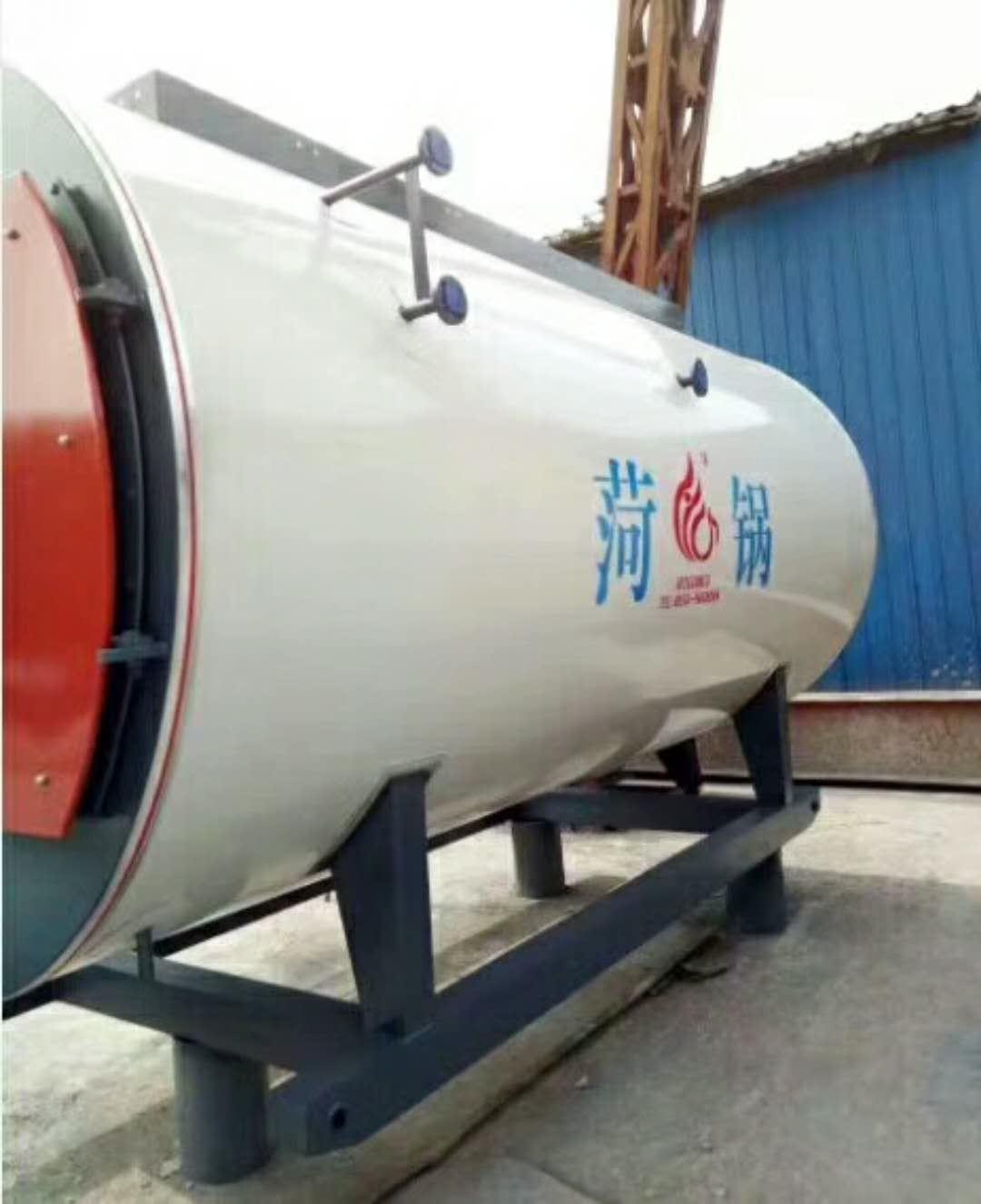

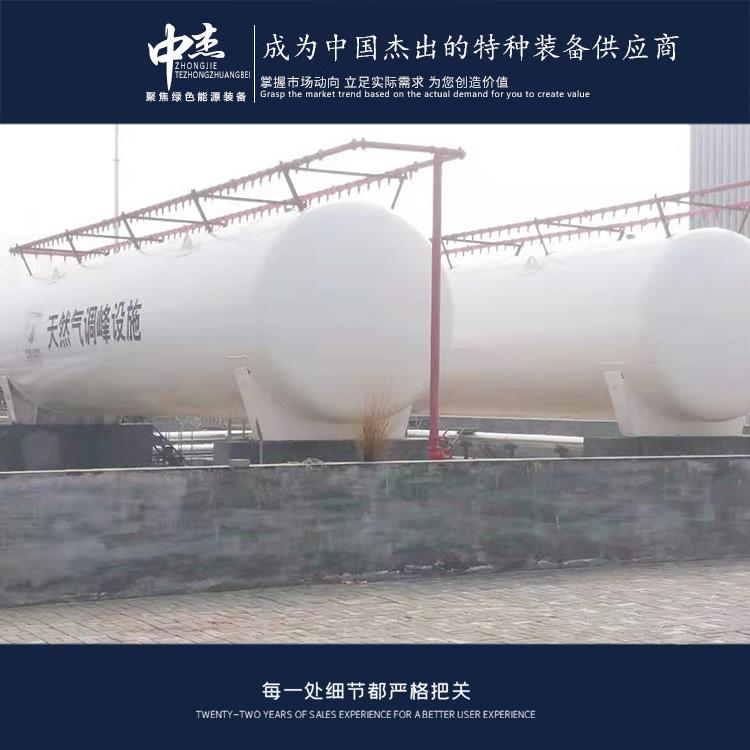
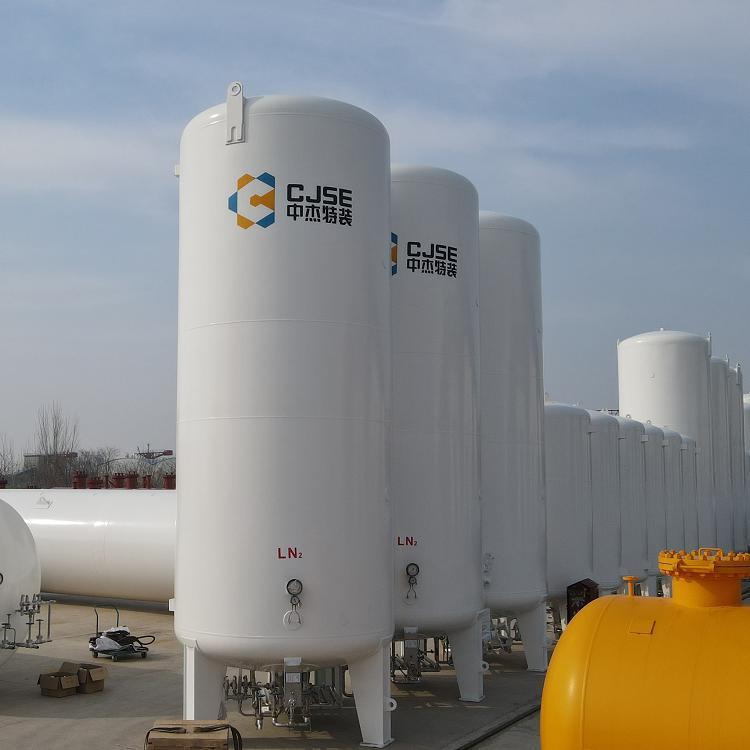


















Shandong Zhongjie Special Equipment specializes in: fuel (gas) boilers, organic heat carrier boilers, biomass boilers, waste heat recovery boilers, and other boiler products; vacuum insulation cryogenic pressure vessels such as LNG tanks, oxygen/nitrogen/argon tanks, CO2 tanks; pressure vessel products including denitrification engineering equipment, heat storage and energy storage equipment, and complete chemical equipment sets; central air conditioning and HVAC equipment such as ground (water) source heat pumps, air source units, water-cooled screw units, and air-cooled modular units. Planned products include large-scale energy centers, LNG transport vehicles, LNG tank containers, and other green energy equipment.
Liquid nitrogen storage tanks feature the following characteristics during the construction process:
Low-Temperature Construction: The construction of liquid nitrogen tanks must be carried out in low-temperature conditions, as the boiling point of liquid nitrogen is low, approximately -196 degrees Celsius. Construction personnel must take appropriate protective measures, such as wearing thermal protective clothing and gloves, to protect themselves from low-temperature injuries.
Welding Technology: A significant amount of welding work is required during the manufacturing process of liquid nitrogen tanks, including the joining of wall panels, bottom plates, top plates, and weld seams. Welding technology is crucial for the quality and safety of the tanks, necessitating the use of appropriate welding methods and materials to ensure the strength and密封ity of the welds.
Insulation Layer Installation: Liquid nitrogen tanks must have excellent insulation properties to minimize heat conduction and maintain the low temperature of the liquid nitrogen. The installation of the insulation layer requires materials such as polyester foam and glass wool, ensuring the thickness and quality of the insulation layer.
Proper installation steps for liquid nitrogen tanks are as follows:
Site Preparation: Select an appropriate site for tank installation, ensuring it is level, sturdy, and has adequate load-bearing capacity. The site should be located away from flammable, explosive materials, and other hazardous sources.
Foundation Construction: Construction of the foundation based on the tank's dimensions and weight, including excavation of the foundation pit and pouring of concrete foundation. The design and construction of the foundation should comply with relevant standards and specifications.
Tanks Installation: Transport the tank to the site and perform a vertical installation. Suitable lifting equipment and safety measures are required during the installation process to ensure the stability and safety of the tank.
Pipe connections: Connect the storage tank to the relevant pipeline system as required, including intake pipes, exhaust pipes, and liquid supply pipes, etc. Sealing and testing must be performed during the connection process to ensure the safety of the pipes.
Safety operation and transportation of liquid oxygen storage tanks should be mindful of the following points:
Safe Application Methods:
Tanks Selection: Choose liquid oxygen tanks that meet specifications and standards, ensuring their quality and safety performance.
Tank Installation: Tanks should be installed on a sturdy foundation to ensure stability. Additionally, good ventilation should be maintained around the tank, and it should be kept away from flammable materials and heat sources.
Sealability Inspection: Regularly check the tank's sealing performance to ensure there are no leakage issues at valve and pipeline connections.
Pressure Control: Tanks should be equipped with pressure gauges and safety valves, with regular inspections and maintenance to ensure pressure remains within safe limits.
Fire Prevention Measures: Liquid oxygen contains a high oxygen content and is highly flammable. Install fire barriers around the storage tanks, prohibit smoking and open flames, and ensure safety.
Static protection: During the transportation and use of liquid oxygen, static electricity may cause sparks, increasing the risk of fire. Measures such as using static-conductive materials and anti-static equipment should be taken to reduce the accumulation and release of static electricity.
Shipping Precautions:
Transportation Vehicle Selection: Choose transportation vehicles that meet the requirements for liquid oxygen transport, ensuring their safety and seal integrity.
Loading and Unloading: During the transportation of liquid oxygen, appropriate loading and unloading procedures should be adopted.
Routine inspections of liquid nitrogen tanks should include the following aspects:
Level Check: Regularly inspect the liquid nitrogen tank's level to ensure it's within the normal range. This can be done using a level gauge or a level scale, etc.
Pressure Check: Inspect the tank's pressure to ensure it remains within the safe range. Pressure gauges or pressure sensors can be used for the inspection.
Insulation Layer Inspection: Verify that the tank's insulation layer is intact with no damage or detachment. The integrity of the insulation layer is crucial for reducing heat transfer and the evaporation of liquid nitrogen.
Leakage Inspection: Check for signs of liquid nitrogen leakage around the tank, such as vapor mist, frosting, or freezing. If a leak is detected, take prompt measures to repair it.
Valve and Pipe Inspection: Verify that the valves and pipes of the tank are functioning properly, with no gas leaks or blockages. Ensure the tightness and openness of the valves and pipes.
Safety Device Inspection: Check the storage tank's safety devices, such as pressure relief valves, temperature sensors, and level alarms, to ensure they are functioning properly.
Tank External Cleaning: Regularly clean the external surface of the tank to remove dust, dirt, and debris. Maintain the tank's appearance for easy inspection and maintenance.
Tank Records and Documentation: Timely record the inspection results and maintenance records of the tank, including liquid levels, pressure, insulation status, and leakage conditions. These records aid in monitoring the tank's operational status and identifying issues promptly.
Above are the daily inspection items for liquid nitrogen tanks. Regularly performing these checks ensures the safe operation and effective use of the tanks. At the same time, follow relevant safety regulations and operational guidelines to ensure the safety of personnel and equipment.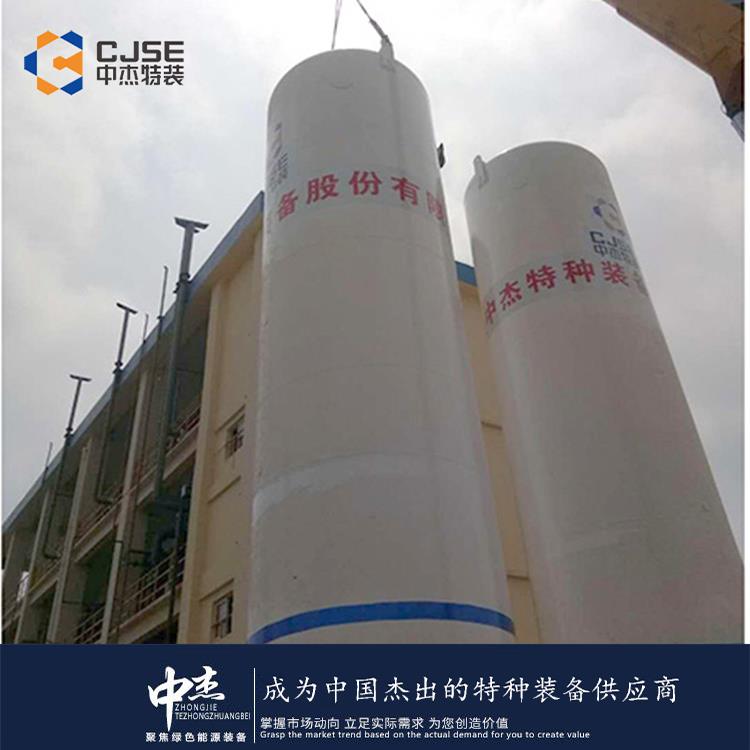
The use of liquid nitrogen storage tanks in the rapid freezing technology offers several advantages:
Rapid Freezing Speed: The temperature of liquid nitrogen is low, around -196 degrees Celsius. Using a liquid nitrogen tank for rapid freezing can quickly lower the surface temperature of food, achieving rapid freezing. Compared to traditional freezing methods, liquid nitrogen rapid freezing can significantly reduce freezing time while preserving the quality and texture of the food.
Uniformly Frozen Effect: The liquid nitrogen quick-freezing technique enables rapid and even freezing of food. Liquid nitrogen is喷射 onto the food surface in gaseous form, quickly absorbing heat and turning into a liquid, thereby achieving even freezing of the food, avoiding crystallization and lumping during the freezing process.
Maintain Food Quality: Rapid freezing with liquid nitrogen can quickly chill food, reducing crystallization and caking during the freezing process, thereby preserving the quality and texture of the food. During the rapid freezing process, liquid nitrogen rapidly lowers the surface temperature of the food, forming tiny frozen structures that effectively retain the food's moisture and nutrients.
Flexibility and Adaptability: Liquid nitrogen tanks can be adjusted and controlled according to different food types and freezing requirements. The injection speed and angle of liquid nitrogen can be modified based on the size, shape, and freezing needs of the food to achieve optimal freezing results.
Environmental protection and energy saving: The rapid freezing technology with liquid nitrogen is more energy and resource-efficient compared to traditional freezing methods. Liquid nitrogen evaporates quickly during the freezing process, causing environmental pollution and generating waste water and gas.
Note that when using liquid nitrogen tanks for rapid freezing, it is essential to follow the relevant safety operating procedures and guidelines. Ensure that operators are equipped with the necessary safety awareness and operational skills to prevent accidents. Additionally, consult
Our company attaches great importance to technological innovation and R&D design. We possess 1 municipal-level enterprise technology center in Heze City, equipped with non-destructive testing, physical and chemical testing, welding testing, hydrostatic testing, and other testing facilities. We have over 600 pieces of equipment, including CNC machine tools, X-ray flaw detectors, digital ultrasonic flaw detectors, mechanical property testing machines, chemical analyzers, spectrometers, tensile testing machines, plasma welding machines, and more. The key products and technologies we have developed, such as temperature and pressure vessel welding, biomass boiler emission reduction, and waste heat utilization, have successively been selected for multiple Shandong Provincial Department of Industry and Information Technology science and technology innovation projects, Shandong Provincial key projects, and Heze City innovative and excellent projects. We have accumulated a total of 27 authorized utility models, 16 authorized inventions, participated in drafting 2 standards, 2 industry standards, and registered 15 trademarks. Our technical team, in collaboration with Professor Yajiang Li of Shandong University, has jointly developed deep cryogenic vessel processing technology using the international plasma arc + filler wire tungsten inert gas arc welding (PAW-GTAW) technology, which has been appraised as an internationally competitive level in the deep cryogenic vessel manufacturing field by the provincial-level science and technology achievement evaluation. Choose Zhongjie Special Equipment, and let's create brilliance together!
WeChat Official Account

Scan to follow Official Account



















