


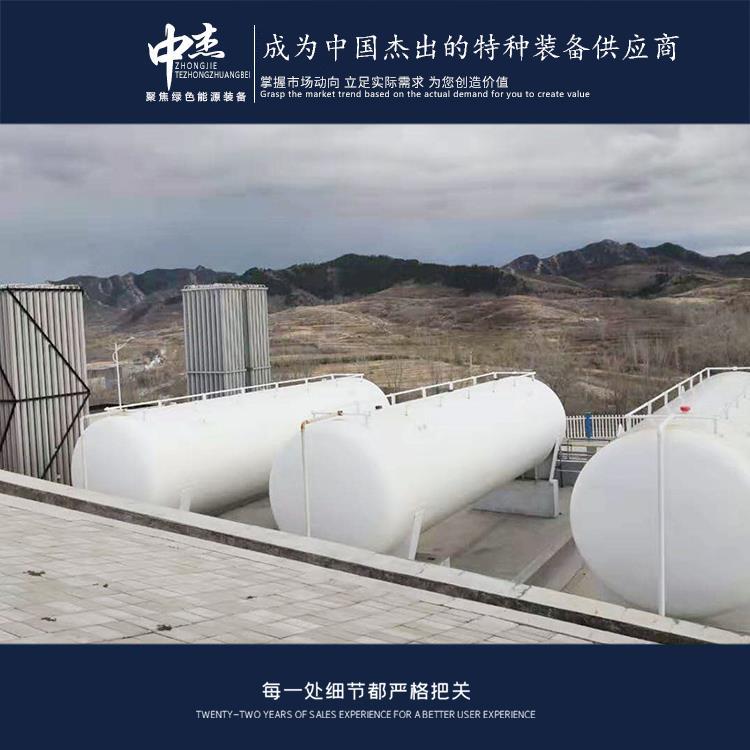

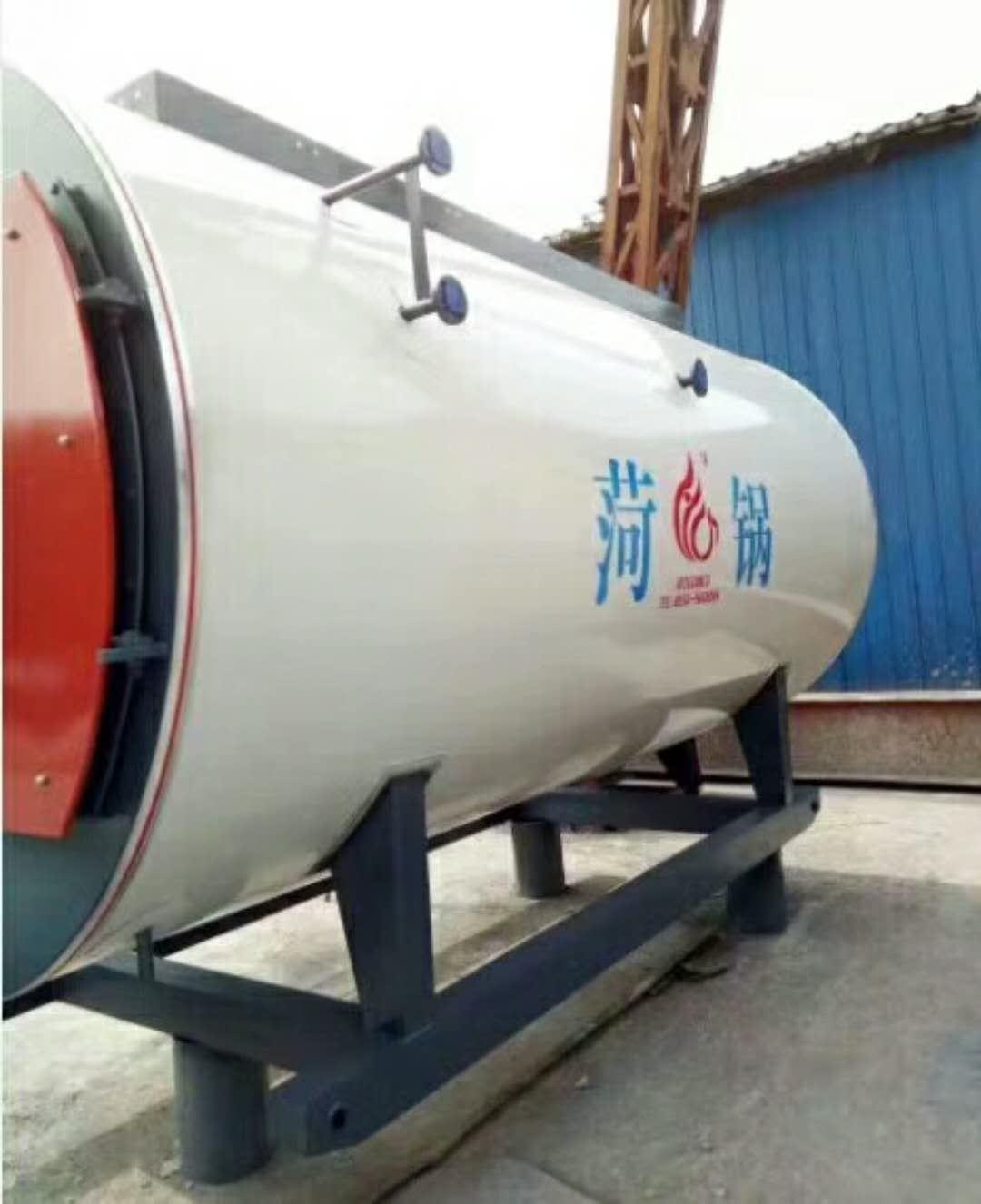


















Shandong Zhongjie Special Equipment (formerly Heze Boiler Factory Co., Ltd.) holds an A-grade boiler manufacturing license, an A2-grade pressure vessel manufacturing license, an A2-grade pressure vessel design license, a B-grade boiler installation license, and GB2/Class, GC2/Class pressure pipeline installation licenses, as well as a mechanical and electrical equipment installation contracting qualification. It is a member of the China Boiler and Water Treatment Association, the China Chemical Equipment Association, and the理事 unit of the Shandong Equipment Manufacturing Association. The company has also passed certifications for the ISO9001 Quality Management System, ISO14001 Environmental Management System, OHSAS18001 Occupational Health and Safety Management System, and the American ASME/U2 certification.
Tanks are specialized storage equipment that requires regular inspections and maintenance to ensure safe operation. Here are common tank inspection methods:
Appearance Inspection: Regularly inspect the exterior of the storage tank, checking for leaks, corrosion, deformation, cracks, and other issues. Pay special attention to the integrity of the tank's joints, welds, and valves.
Pressure Test: Conduct pressure tests to check the tank's sealing performance and pressure resistance. Use a pressure gauge or pressure sensor to perform pressure tests on the tank to ensure it can withstand the designed pressure.
Ultrasonic Testing: Ultrasonic testing can be used to detect corrosion and cracks in tank walls. By scanning the tank with ultrasonic detection equipment, potential defects and issues are identified.
Magnetic Particle Inspection: Magnetic particle inspection can be used to detect cracks in storage tank walls and the quality of welds. By applying magnetic particles to the surface of the tank and then using a magnetic particle inspection device to observe for any particle accumulation, it can be determined if there are any cracks or weld issues.
Environmental Monitoring: Regularly conduct environmental monitoring around the storage tanks, including the detection of gas concentrations and temperatures, to ensure the safety of the surrounding environment.
Note that tank inspections should be conducted by a certified inspection agency or qualified inspectors. The frequency and methods of inspection should be determined based on the tank's usage, size, and relevant regulatory requirements. Regular inspections and maintenance can help identify potential issues early on, ensuring the safe operation of the tank.
The manufacturing process for the heads and cylinders of low-temperature storage tanks typically includes the following steps:
Material Preparation: Select suitable materials, such as low-temperature alloy steel or stainless steel, based on design requirements and specifications. Inspect and accept the materials to ensure their quality meets the standards.
Sheet Cutting: Sheets are cut according to design dimensions and shapes. Common cutting methods include flame cutting, plasma cutting, or laser cutting, etc.
Bending and Shaping: Cut sheets are bent and shaped to form heads and cylindrical shapes. Common shaping methods include cold bending, hot bending, or hydraulic forming, etc.
Welding: The formed sheets are welded together to form the structure of the head and cylinder. Common welding methods include manual arc welding, gas shielded welding, or laser welding, etc.
Weld Seam Treatment: Processes the weld seams after welding, such as sanding, polishing, or applying anti-corrosion coatings, to enhance the quality and appearance of the seams.
Inspection and Acceptance: Inspect and accept the finished heads and cylinders to ensure quality and compliance with design requirements. Common inspection methods include ultrasonic testing, X-ray testing, or liquid penetrant testing, etc.
Reinforcement and Support: Process and install reinforcement and support on the head and cylinder as required to enhance structural strength and stability.
Surface Treatment: The heads and cylinders are subject to surface treatment, such as coating with anti-corrosion paint, hot-dip galvanizing, or polishing, to enhance their corrosion resistance and aesthetic quality.
It is important to note that the manufacturing process of low-temperature storage tanks must comply with relevant standards and regulations to ensure the quality and safety of the production process. During manufacturing, strict adherence to safety operation procedures and the implementation of necessary protective measures are required to ensure the safety of the operators.
Carbon dioxide and liquid oxygen storage tanks are containers used for storing different gases, and they have some distinct physical properties:
Physical State: Carbon dioxide is a gas at room temperature and pressure, and it must be cooled and compressed to become a liquid. Liquid oxygen is a liquid at room temperature, and it needs to be cooled further to solidify.
Boiling and Freezing Points: The boiling point of carbon dioxide is -78.5°C, and its freezing point is -56.6°C. The boiling point of liquid oxygen is -183°C, and its freezing point is -218.8°C. The boiling and freezing points of liquid oxygen are significantly lower than those of carbon dioxide.
Density: The density of liquid oxygen is relatively high, at about 1.14 grams per cubic centimeter. Carbon dioxide has a lower density, approximately 0.00198 grams per cubic centimeter. The density of liquid oxygen is about 570 times that of carbon dioxide.
Pressure: Liquid oxygen has a higher pressure, typically ranging from tens to hundreds of MPa (Megapascals). Carbon dioxide has a lower pressure, usually within a few MPa (Megapascals).
Safety: Liquid oxygen contains a high concentration of oxygen, which is prone to cause fires and explosions. Carbon dioxide also poses asphyxiation risks at certain concentrations.
Note that carbon dioxide and liquid oxygen are both highly flammable and explosive substances. Strict adherence to relevant safety operating procedures and standards, along with necessary safety measures, is required for storage and use to ensure the tank's safety and stability.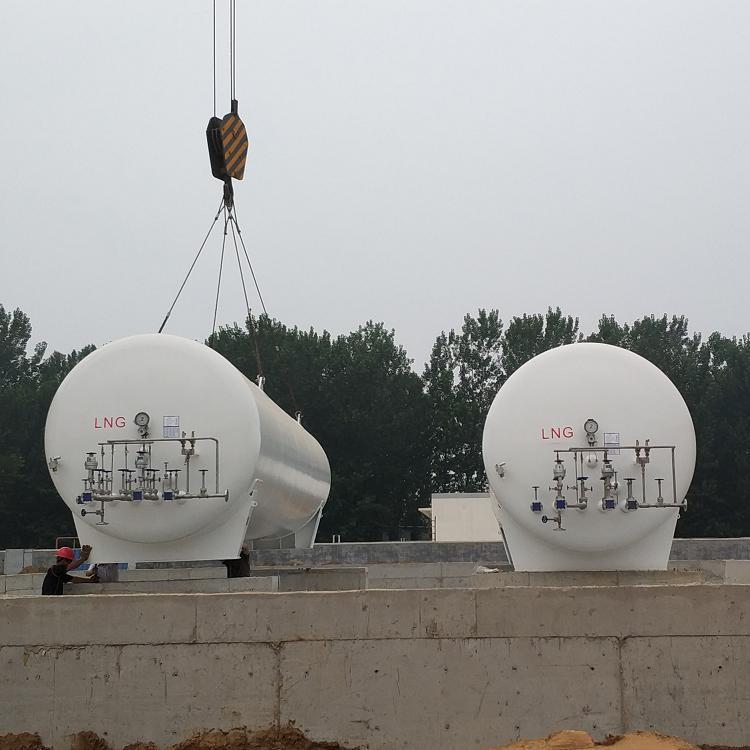
To prevent risks associated with liquid oxygen storage tanks, the following precautions can be taken:
Safety Operations and Management: Establish and enforce stringent safety operations and management systems, including proper use of storage tanks, operational procedures, and safety training. Ensure operators have the necessary safety awareness and skills, adhere to operational procedures, and minimize the likelihood of operational errors and accidents.
Regular inspections and maintenance: Conduct regular checks and maintenance on liquid oxygen tanks, including visual inspections, pressure tests, and leak detection. Promptly identify and address any issues with the tanks to ensure their safety and reliability.
Safety devices and protective equipment: Tanks should be equipped with necessary safety devices, such as pressure relief valves, level alarms, etc., as well as protective equipment, like fire barriers, explosion-proof devices, etc. These devices and equipment can take timely measures in abnormal situations to ensure the safety of the tank.
Fire Prevention Measures: Liquid oxygen contains a high oxygen content, which is prone to causing fires. Therefore, fire prevention measures such as fire barriers and fire extinguishers should be set up around the storage tanks to prevent the spread and expansion of fires.
Leakage Control and Emergency Response Plan: Establish a liquid oxygen tank leakage control and emergency response plan, including leakage control measures, emergency response procedures, and evacuation plans. In the event of a leakage incident, the plan allows for prompt action to control the leak and ensure personnel safety.
Training and Awareness Enhancement: Conduct regular safety training for personnel using liquid oxygen tanks to enhance their safety awareness and emergency response capabilities. Strengthen safety
Our company highly values technological innovation and R&D design. We possess one city-level enterprise technology center in Heze City, with facilities for non-destructive testing, physical and chemical testing, welding testing, hydrostatic testing, and more. We are equipped with over 600 instruments and equipment, including CNC machine tools, X-ray flaw detectors, digital ultrasonic flaw detectors, mechanical property testing machines, chemical analyzers, spectrometers, tensile testing machines, plasma welding machines, and more. Our developed technologies for welding of temperature and pressure vessels, biomass boiler emissions reduction, and waste heat utilization have successively been shortlisted for multiple Shandong Provincial Department of Industry and Information Technology innovation projects, key provincial projects, and Heze City innovation and excellence projects. We have cumulatively obtained 27 authorized utility models, 16 authorized inventions, participated in drafting 2 standards, 2 industry standards, and registered 15 trademarks. Our technical team, in collaboration with Professor Yajiang Li from Shandong University, has developed deep cryogenic container processing technology using the international plasma arc + filler wire tungsten inert gas arc welding (PAW-GTAW) technique. The provincial-level scientific and technological achievement assessment has confirmed that our technology level in deep cryogenic container manufacturing has reached international standards. Choose Zhongjie Special Equipment, and let's create brilliance together!
WeChat Official Account

Scan to follow Official Account



















