


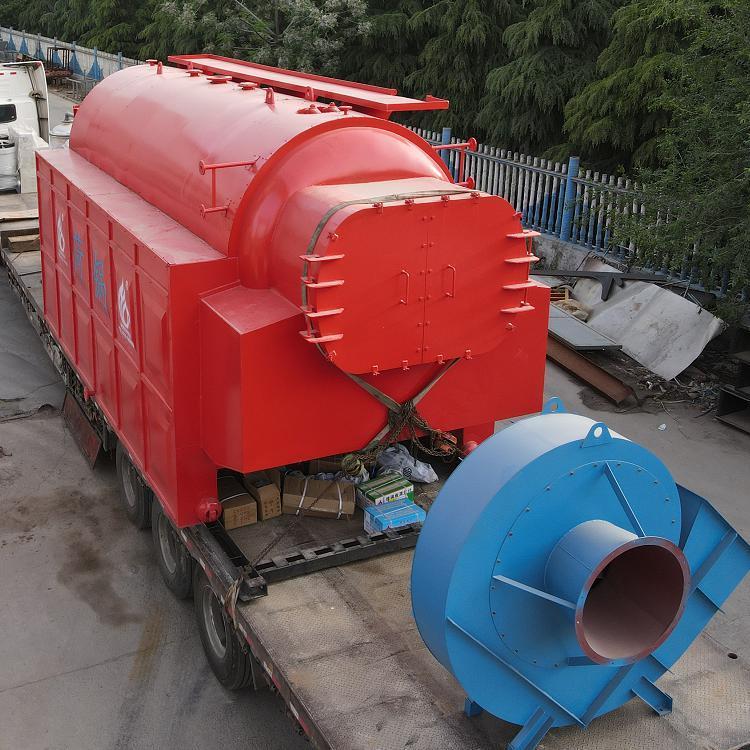

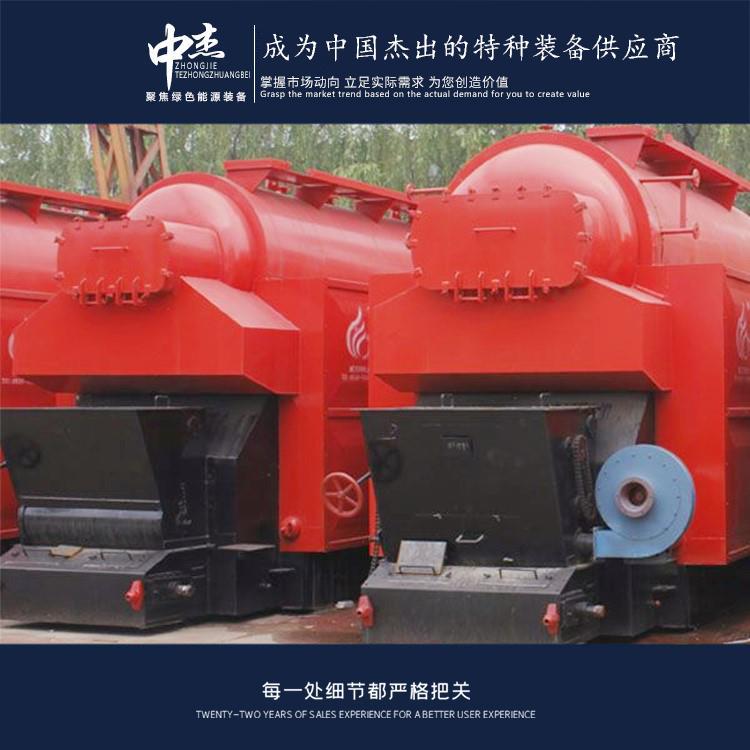
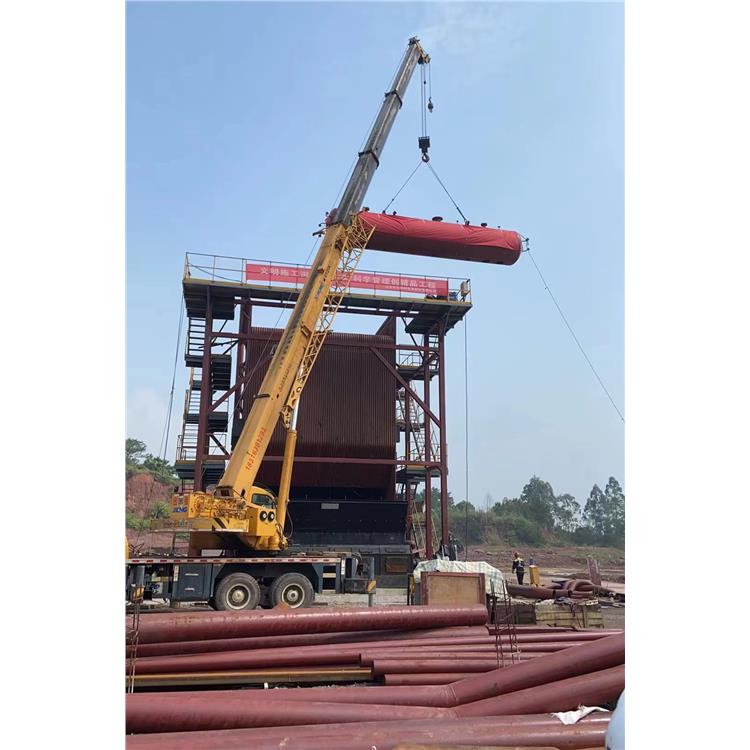


















Shandong Zhongjie Special Equipment (formerly Heze Boiler Factory Co., Ltd.) was established in 2001, located at No. 2218 Jinnan Road, Development Zone, Heze City, with a registered capital of 50 million yuan and total assets of 500 million yuan. The company has 7 business centers: boilers, deep-freeze containers, pressure vessels, central air conditioning, engineering installation, international trade, and Internet of Things. It has three factory sites on Jinnan Road, East Changjiang Road, and Bohai Road, covering a total of 200,000 square meters, with the main workshop spanning 83,000 square meters. Currently, there are 710 employees, including 247 engineers and technicians, and 82 intermediate-level technicians. In December 2016, it was recognized as a "High-tech Enterprise" by the Science and Technology Department. In June 2021, it was identified as a "Specialized and New Enterprise in Shandong Province" by the Ministry of Industry and Information Technology. In June 2022, it was recognized as a "Gazelle Enterprise in Shandong Province" and in August 2022, it was identified as a "Specialized and New Small Giant Enterprise" by the Ministry of Industry and Information Technology.
To enhance the thermal efficiency of biomass boilers, the following measures can be taken:
Optimize the combustion system: Ensure the biomass boiler's combustion system operates effectively and has high combustion efficiency. Adoptable combustion technologies include fluidized bed combustion and chain grate combustion, etc., to enhance combustion efficiency and thermal energy utilization.
Regulate Fuel Quality: Choose biomass fuels in controlled quantities, such as dry wood chips, straw, etc., avoiding fuels with excessive moisture content. High-moisture fuels consume extra heat for water evaporation, reducing combustion efficiency.
Properly Adjust Fuel Supply: Adjust the fuel supply quantity according to actual needs to avoid excess or shortage. Excess supply leads to fuel waste, while insufficient supply affects combustion efficiency.
Control Combustion Temperature: Maintain an appropriate combustion temperature range to avoid excessively high or low temperatures. Excessively high temperatures lead to heat loss of the fuel, while excessively low temperatures can affect the combustion efficiency.
Regular cleaning and maintenance: Regularly clean the combustion chamber, flue, and heat exchanger of biomass boilers to maintain cleanliness and unobstructed flow. Accumulated ash and dirt can affect heat conduction and heat exchange efficiency, thereby reducing thermal efficiency.
Utilize waste heat recovery technology: Employ waste heat recovery units to utilize the excess heat generated from combustion for heating systems or other applications.
Yes, biomass hot water boilers hold significant meaning for energy conservation and emission reduction. Below are some related meanings and advantages:
Energy-saving: Biomass hot water boilers burn renewable biomass fuel, achieving higher energy utilization efficiency compared to traditional coal boilers. The heat generated during the combustion of biomass fuel can be more fully utilized, reducing energy waste, and achieving energy-saving effects.
Reduced emissions: The combustion process of biomass hot water boilers produces relatively low levels of pollutants, such as carbon dioxide, nitrogen oxides, and particulates. Compared to coal-fired boilers, biomass hot water boilers can significantly reduce greenhouse gas emissions and air pollutant releases, which is of great importance for improving the quality of the atmospheric environment.
Sustainability: Biomass fuel is a renewable resource that can be cultivated and recycled through regenerative cycles. Compared to finite coal resources, the sustainability of biomass fuel can meet long-term energy demands.
Supporting Rural Development: The use of biomass hot water boilers can promote the comprehensive utilization of agricultural and forestry waste such as crop straw and wood chips in rural areas. This not only reduces the open burning of crop straw, decreasing environmental pollution, but also provides an additional source of income for farmers, fostering rural economic development.
In summary, the energy-saving and emission-reduction significance of biomass hot water boilers is substantial, as they not only reduce energy consumption and pollutant emissions but also promote sustainable development and the prosperity of rural economies.
Biomass boilers, as equipment that converts thermal energy using biomass fuel, offer the following advantages:
Renewable Energy: Biomass fuel is a renewable energy source that can be continuously replenished through planting and cultivation. Compared to fossil fuels, the use of biomass fuel has a smaller environmental impact, promoting sustainable development.
Environmental Protection & Energy Saving: The biomass combustion process generates relatively little waste gas and slag, with low emissions of pollutants. Biomass fuel inherently features low sulfur and low nitrogen content, and the slag after combustion can be reused as organic fertilizer or biomass fuel, reducing environmental pollution.
Diversity and flexibility: Biomass fuels are varied, including sawdust, straw, etc. Different fuels can be chosen based on actual conditions, enhancing the substitutability and flexibility of the fuel.
Utilization: The biomass boiler employs advanced combustion technology and heat conversion equipment, enabling full utilization of the thermal energy from biomass fuel, enhancing thermal efficiency. Additionally, equipped with economizers and flue gas recirculation systems, further improvements in thermal efficiency are achieved.
Economic Efficiency: Biomass fuel is more stable and less expensive compared to fossil fuels. The investment and operating costs of biomass boilers are relatively low, offering good economic viability.
Widely Applied: Biomass boilers are suitable for various fields, including industrial production, heating, and power generation. They can meet the thermal energy demands in different scenarios.
In summary, biomass boilers offer advantages such as renewable energy, environmental protection, energy efficiency, diversity and flexibility, utilization, cost-effectiveness, and wide application, making them a sustainable thermal energy conversion solution.
Biomass boilers for centralized heating are those applied in the centralized heating systems of cities or large buildings. Below is an analysis of the technical features of biomass boilers for centralized heating:
Combustion Technology: The combustion technology used in biomass boilers for centralized heating, such as fluidized bed combustion and chain grate combustion, can achieve the combustion of biomass fuel and improve energy utilization efficiency.
Multi-fuel adaptability: Central heating biomass boilers exhibit strong fuel adaptability, capable of accommodating various types of biomass fuels such as sawdust, straw, and discarded crops, offering flexible fuel options.
Automated Control System: The automated control system equipped on biomass boilers for centralized heating can automatically regulate and control the boiler's operation, enhancing its stability and safety.
Flue Gas Purification Technology: Flue gas purification equipment, such as dust collectors, desulfurization and denitrification devices, installed on biomass boilers used for centralized heating, can effectively reduce emissions generated during the combustion process and protect the environment.
Heat Recovery Utilization: Biomass boilers for centralized heating are equipped with a heat recovery system, which can utilize the excess heat generated by combustion for the heating system, improving energy efficiency and reducing energy consumption.
Remote Monitoring and Management: Biomass boilers for centralized heating can be monitored and controlled remotely through a real-time monitoring and management system, enhancing operational efficiency and convenience.
Sustainable Development: Biomass boilers for centralized heating utilize renewable biomass fuel, reducing dependence on fossil fuels, with lower carbon emissions and environmental impact, in line with sustainable development requirements.
In summary, centralized heating with biological
Zhongjie Special Equipment upholds the great vision of "Realizing employee dreams, creating customer value, and striving for the prosperity and strength of our motherland," and is dedicated to the development of the green energy equipment industry. We contribute to society with products and services that offer high value for money!
WeChat Official Account

Scan to follow Official Account



















