



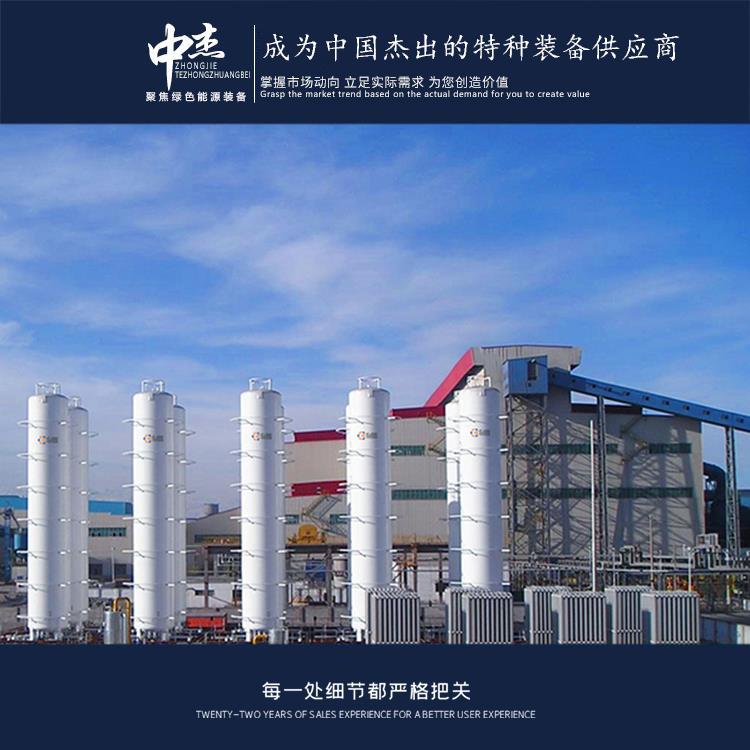
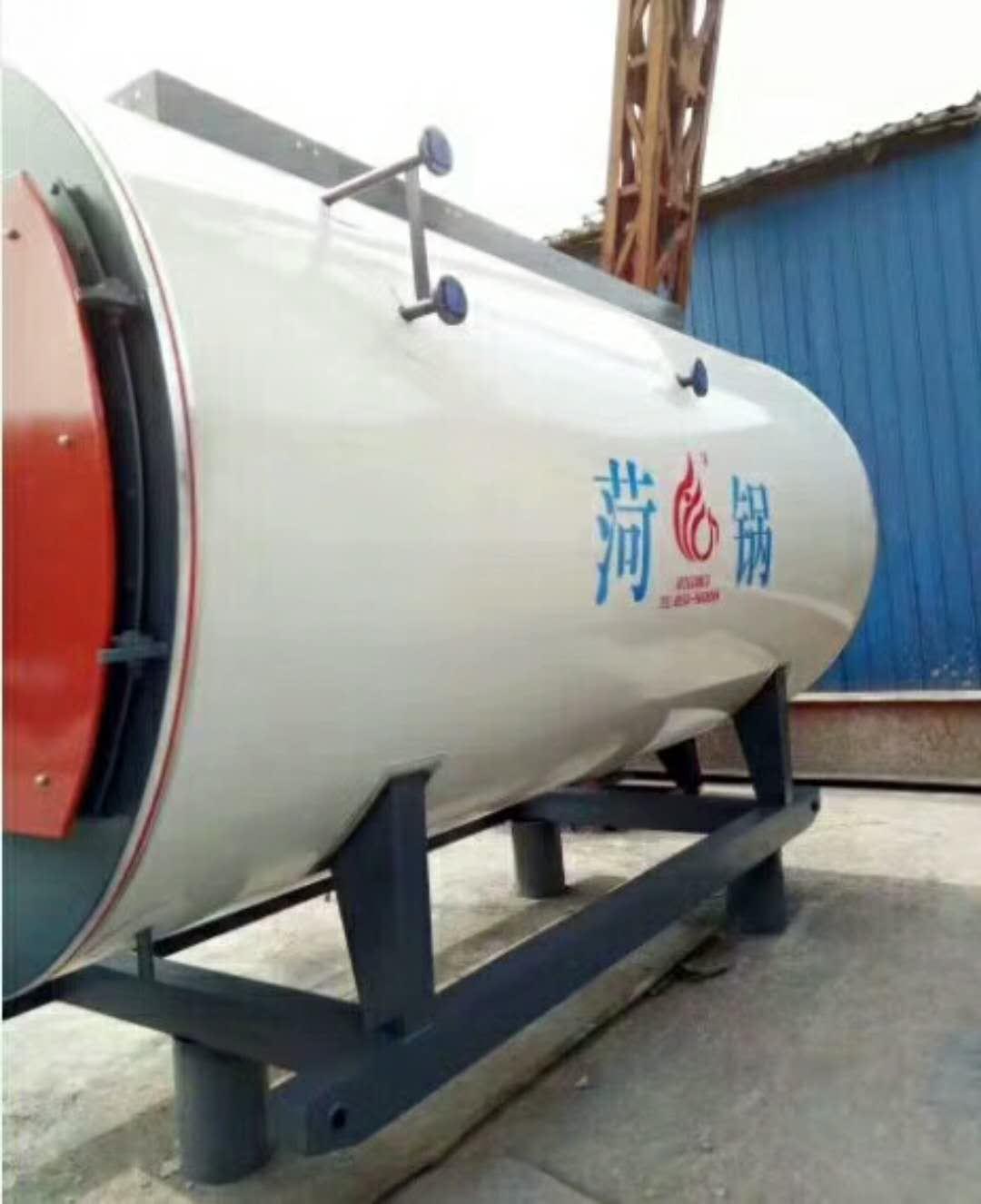


















Shandong Zhongjie Special Equipment specializes in: fuel (gas) boilers, organic heat carrier boilers, biomass boilers, waste heat boilers, and other boiler products; vacuum insulated cryogenic pressure vessels such as LNG storage tanks, oxygen/nitrogen/argon storage tanks, and CO2 storage tanks; pressure vessel products including denitrification engineering equipment, heat storage and energy storage equipment, and complete chemical equipment; central air conditioning and HVAC equipment such as ground (water) source heat pumps, air source units, water-cooled screw units, and air-cooled modular units. Planned products include large-scale energy centers, LNG transport vehicles, LNG tank containers, and other green energy equipment.
Proper management regulations for the use of low-temperature liquid storage tanks encompass the following aspects:
Tank Selection and Installation: Choose an appropriate low-temperature liquid storage tank and ensure it complies with relevant standards and regulations. The installation of the tank should be carried out by personnel, following the manufacturer's instructions and requirements to ensure stability and safety.
Safety Operating Procedures: Establish and implement safety operating procedures for liquid storage tanks, including startup, shutdown, filling, and venting operations. Operators must undergo training to understand the characteristics of liquid storage tanks, safety precautions, and emergency response measures.
Safety Equipment and Protective Measures: Tanks should be equipped with necessary safety devices such as pressure sensors, safety valves, and leak detectors to monitor and control the pressure and temperature of the tank. Additionally, operators should wear appropriate personal protective equipment like insulated gloves and protective suits to ensure their safety.
Regular Inspections and Maintenance: Conduct regular inspections and maintenance on low-temperature liquid storage tanks, including checking the tank's appearance, sealing, and corrosion prevention measures. In case of any issues, address or replace the tank promptly to ensure proper operation and safety.
Waste Management: Abandoned low-temperature liquid storage tanks should be disposed of in accordance with relevant environmental protection regulations. The residual liquids in the abandoned tanks should be handled properly to prevent environmental pollution.
Tank Record and Tracking: Establish tank usage records, including filling dates, filling quantities, usage status, etc. Additionally, it is recommended to set up a tank tracking system for monitoring and managing tank usage and maintenance.
Here are some common management regulations for low-temperature liquid storage tanks. Specific regulations may vary depending on the industry and region. When using low-temperature liquid storage tanks, relevant laws and standards should be adhered to, and appropriate management measures should be established based on the actual situation.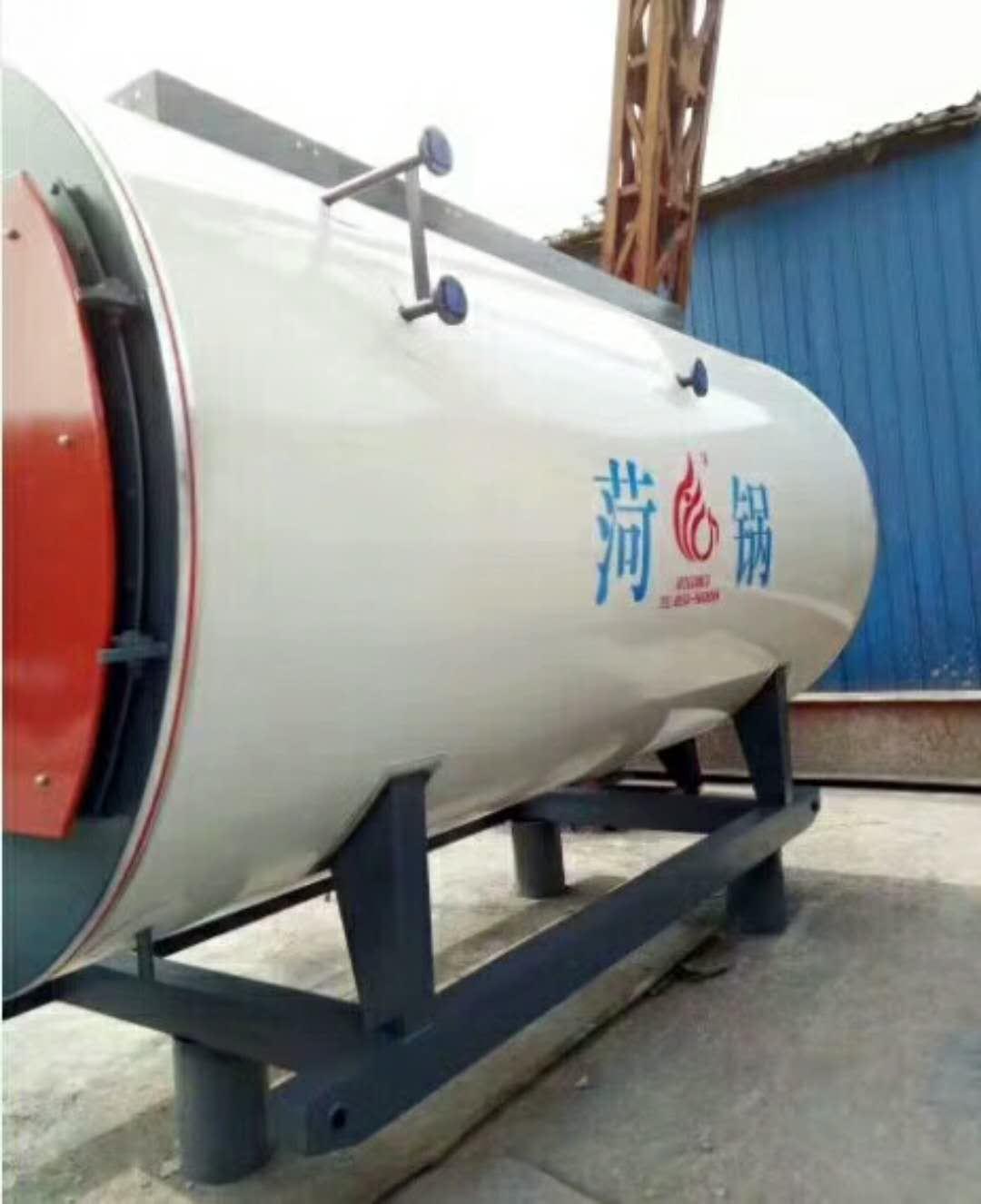
The application of low-temperature liquid storage tanks should pay attention to the following matters:
Safe Operation: Operators must receive training to understand the tank's operational procedures and safety precautions. Adhere to correct operational steps to ensure safe operation.
Protective Gear: Operators must wear appropriate protective gear, such as thermal suits, gloves, etc., to safeguard themselves from harm caused by low-temperature liquids.
Leak Protection: Regularly inspect the tank and associated pipelines for sealing integrity to prevent leakage of low-temperature liquids. Keep the area around the tank clean to avoid debris obstructing leak detection and handling.
Fire Protection: Low-temperature liquids are highly flammable and fire prevention measures must be taken. Maintain a fire-free environment around storage tanks, prohibit smoking and open flames. Equip with appropriate fire-fighting equipment to address fire risks.
Pressure Control: Regularly inspect and maintain the pressure control system of the storage tank to ensure the pressure inside the tank remains within the safe range. Safety valves and pressure sensors, among other equipment, should operate normally and any abnormal pressure conditions should be detected and addressed promptly.
Insulation Protection: Low-temperature liquid storage tanks should be equipped with effective insulation to reduce heat transfer and evaporation of the liquid. The selection and installation of the insulation should comply with relevant standards and requirements.
Regular Inspections and Maintenance: Conduct regular inspections of the tank's exterior and interior, including checking for leaks, corrosion, wear, or other damage. Pay special attention to inspecting the tank's interfaces, valves, and pipelines, ensuring they are functioning properly.
Emergency Preparedness: Develop an emergency response plan including measures for leaks, fires, and other unforeseen incidents. Operators should be familiar with the emergency response plan and be equipped with appropriate emergency equipment and firefighting supplies.
Tanks are specialized storage equipment that require regular inspections and maintenance to ensure safe operation. Here are common inspection methods for tanks:
Appearance Inspection: Regularly inspect the exterior of the tank for any leaks, corrosion, deformation, cracks, and other issues. Pay special attention to the integrity of the tank's joints, welds, and valves.
Pressure Testing: Conduct pressure tests to evaluate the sealing and pressure resistance performance of the tank. Pressure gauges or pressure sensors can be used to perform pressure tests on the tank, ensuring it can withstand the designed pressure.
Ultrasonic Testing: Ultrasonic testing is used to detect issues such as corrosion and cracks in storage tank walls. By scanning the tank with ultrasonic detection equipment, potential defects and problems are identified.
Magnetic Particle Inspection: Magnetic particle inspection is used to detect cracks in storage tank walls and the quality of welds. By applying magnetic particles to the surface of the tank and then using a magnetic particle inspection device to observe for particle accumulation, one can determine the presence of cracks or welding issues.
Environmental Monitoring: Conduct regular environmental monitoring around the storage tanks, including checking gas concentrations and temperatures, to ensure the safety of the surrounding environment.
Note that tank inspections should be conducted by certified inspection agencies or qualified inspectors. The frequency and methods of inspection should be determined based on the tank's usage, size, and relevant regulations. Regular inspections and maintenance can help identify potential issues early on, ensuring the safe operation of the tank.
The reasons for the peak popularity of low-temperature liquid storage tanks in recent years are as follows:
Rising Demand: With the development of industries, scientific research, and other fields, the demand for low-temperature liquids is continuously growing. Low-temperature liquid storage tanks can effectively store and supply liquefied oxygen, nitrogen, and other low-temperature liquids, meeting the needs of various fields.
Technical Advancements: In recent years, the manufacturing technology and material technology for low-temperature liquid storage tanks have seen continuous improvement and innovation. The application of new insulating materials, advanced refrigeration systems, and safety control devices has enhanced the performance and safety of the tanks, making them more reliable and secure.
Rising Environmental Awareness: Low-temperature liquid storage tanks enable efficient storage and utilization of low-temperature liquids, reducing energy waste and environmental pollution. In the context of heightened environmental awareness, low-temperature liquid storage tanks, as an environmentally friendly and energy-saving device, have garnered more attention and applications.
Emerging Application Fields: The demand for low-temperature liquid storage tanks is on the rise in emerging application fields. For instance, the application of liquid nitrogen in frozen food, biopharmaceuticals, and semiconductor manufacturing is becoming increasingly widespread, propelling the development of low-temperature liquid storage tanks.
Policy Support: The government has provided support and encouragement for the development of low-temperature liquid storage tanks. Through policy guidance and financial support, the industry has been promoted and expanded.
In summary, the reasons for the peak popularity of low-temperature liquid storage tanks in recent years include increasing demand, technological advancements, heightened environmental awareness, development in emerging application areas, and policy support. These factors collectively have propelled the rapid growth of the low-temperature liquid storage tank industry.
Chungjie Special Equipment adheres to the great vision of "realizing employee dreams, creating customer value, and striving for the prosperity and strength of our motherland," and is dedicated to the development of the green energy equipment industry. We commit to society with high-quality, cost-effective products and services!
WeChat Official Account

Scan to follow Official Account



















