



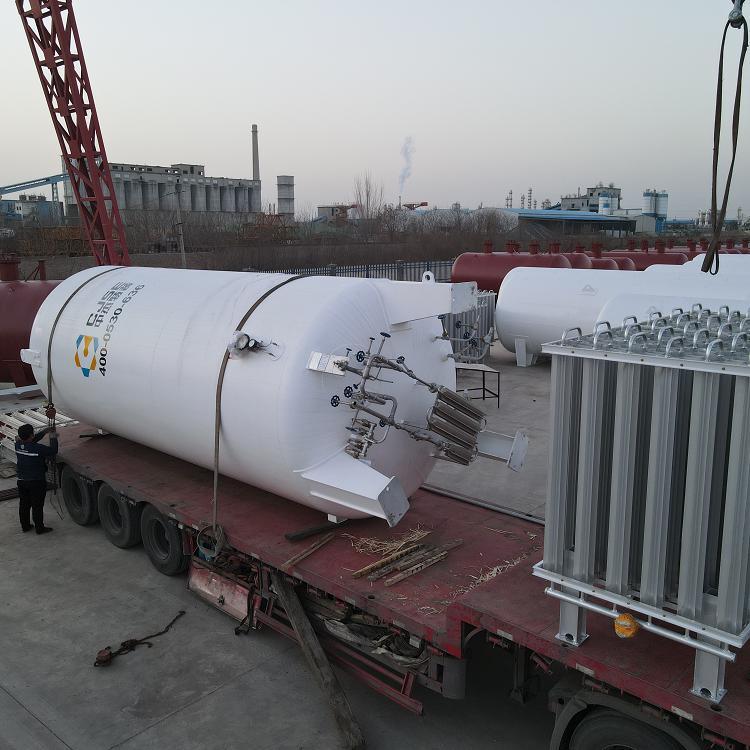
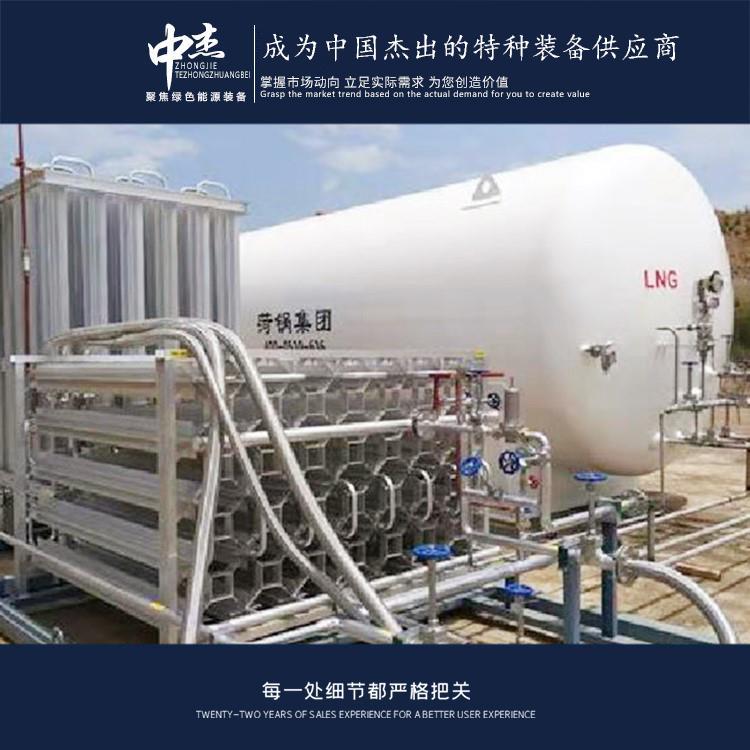


















Shandong Zhongjie Special Equipment (formerly Heze Boiler Factory Co., Ltd.) holds an A-grade boiler manufacturing license, an A2-grade pressure vessel manufacturing license, an A2-grade pressure vessel design license, a B-grade boiler installation license, and GB2/GB3-grade pressure pipeline installation licenses, as well as equipment and mechanical installation contracting qualifications. It is a member of the China Boiler and Water Treatment Association, the China Chemical Equipment Association, and the council unit of the Shandong Equipment Manufacturing Association, and has passed certifications for the ISO9001 Quality Management System, ISO14001 Environmental Management System, OHSAS18001 Occupational Health and Safety Management System, and the U.S. ASME/U2 certification.
Carbon dioxide tanks fall under the category of pressure vessels. Pressure vessels are sealed containers capable of withstanding internal pressure, used for storing and transporting gases, liquids, or mixtures. A carbon dioxide tank is a pressure vessel specifically designed for storing and transporting carbon dioxide, featuring unique design and structure to ensure safe storage and usage. Depending on design and application, carbon dioxide tanks can be either vertical or horizontal, with varying capacities and pressure ratings. When using carbon dioxide tanks, it is necessary to comply with relevant regulations and standards to ensure their safe operation and usage.
Carbon dioxide storage tanks are equipment used for storing and transporting carbon dioxide gas, with their operation based on the principles of pressure vessels and the physical properties of carbon dioxide. Pressure Vessel Principle: Carbon dioxide storage tanks are pressure vessels capable of withstanding the pressure of the internal gas. They are typically made of high-strength materials such as steel. The design and structure of the tanks can withstand high pressure, ensuring safe storage and transport of the gas. Compressed Gas Storage: Carbon dioxide is a gas at room temperature but can be compressed into a liquid under high pressure. Carbon dioxide storage tanks utilize high pressure to compress the gas into a liquid, achieving a higher storage density. The volume occupied by liquid carbon dioxide is relatively small, allowing for more gas to be stored. Level Control: The tanks are equipped with a level control system for monitoring and controlling the level of liquid carbon dioxide. The level control system usually includes level sensors and control valves, ensuring the tank's level remains within a safe range. Pressure Control: The tanks also have a pressure control system for monitoring and controlling the gas pressure inside. The pressure control system typically includes pressure sensors and safety valves, ensuring the pressure within the tank remains within a safe range to prevent damage or safety risks due to excessive or insufficient pressure. Through these principles, carbon dioxide storage tanks can safely store and transport carbon dioxide gas to meet the needs of various fields, such as food processing, beverage manufacturing, and fire suppression. When using carbon dioxide storage tanks, it is necessary to follow relevant safety operating procedures and guidelines to ensure safe operation and use.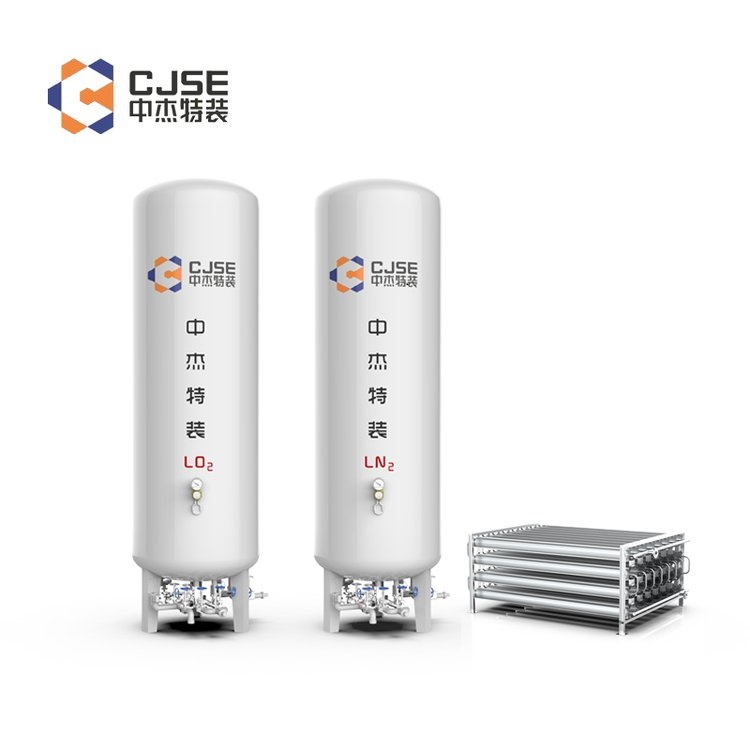
Installation and Operation Requirements for Low-Temperature Carbon Dioxide Storage Tanks:
Installation Location Selection: When choosing the installation site for the storage tank, consider the weight and dimensions of the tank to ensure a solid and stable foundation. Additionally, maintain a safe distance from flammable and explosive materials and high-temperature sources to ensure safety.
Safety Distance: Maintain a certain safety distance around the tank for routine inspections, maintenance, and emergency response. The safety distance should comply with relevant safety regulations and standards.
Connecting Pipes: Use appropriate connection methods between the tank and the pipes to ensure tight, reliable connections with no leaks. The connecting pipes should adhere to relevant standards and regulations.
Pressure Relief Devices: The tank should be equipped with pressure relief devices, such as safety valves, to control internal pressure. The set pressure of the pressure relief devices should meet relevant requirements and be checked and maintained regularly.
Sealability Inspection: Regularly inspect the tank's sealing performance to ensure there are no leaks. Pay special attention to the sealing of valves, pipe connections, and the tank itself.
Temperature Control: Temperature control is required for low-temperature carbon dioxide storage tanks to maintain the internal low-temperature state. Ensure the surrounding environment temperature is suitable and take appropriate insulation measures.
Safety Protection: Set up appropriate safety protection facilities around the tank, such as guardrails and warning signs, to remind personnel of safety and prevent unauthorized access to the tank.
Storage Capacity Control: Control the storage capacity of the tank according to actual needs to avoid exceeding the rated capacity. Exceeding the rated capacity may cause excessive pressure in the tank, increasing safety risks.
Storage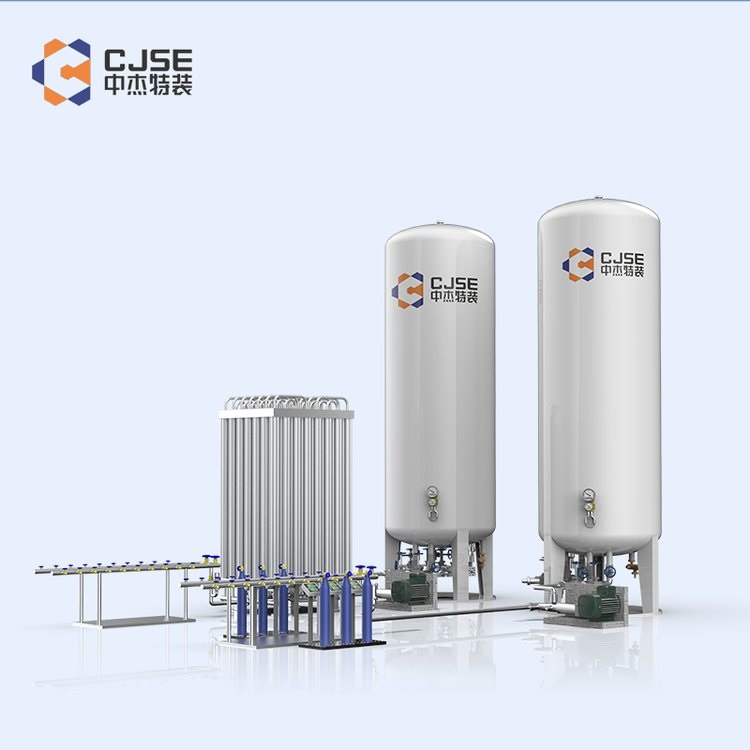
In the event of a CO2 cylinder leak, the following measures should be taken immediately for handling:
Ensure personnel safety: First, ensure that people evacuate the leak area quickly and move away from any potential dangers. If necessary, use appropriate personal protective equipment, such as respirators and protective suits.
Cut off the gas source: As soon as possible, shut off the CO2 supply source to stop further leakage. Close related valves or switches, or disconnect from the cylinder.
Prevent ignition sources: Ensure there are no open flames or other heat sources that could cause a fire in the leak area. If there is a fire risk, take immediate appropriate fire-fighting measures.
Ventilation: Activate ventilation equipment to increase air flow, which helps dilute and expel the leaked CO2 gas. Ensure that ventilation equipment is operating properly and that the ventilation system does not introduce CO2 gas to other areas.
Seal the leak point: If possible, attempt to seal the leak point using suitable materials or methods to reduce or stop the leakage. This may require assistance from personnel.
Notify relevant departments: Promptly inform emergency, environmental protection departments, or related agencies of the leak situation and follow their instructions.
Please note that handling CO2 cylinder leaks is a dangerous task and should be performed by trained and experienced personnel. Always follow relevant safety operating procedures and guidelines during the handling process.
Zhongjie Special Equipment upholds the grand vision of "realizing employees' dreams, creating customer value, and striving for the prosperity and strength of our motherland," wholeheartedly devoting itself to the development of green energy equipment, and offering society products and services with high performance and cost-effectiveness!
WeChat Official Account

Scan to follow Official Account



















