


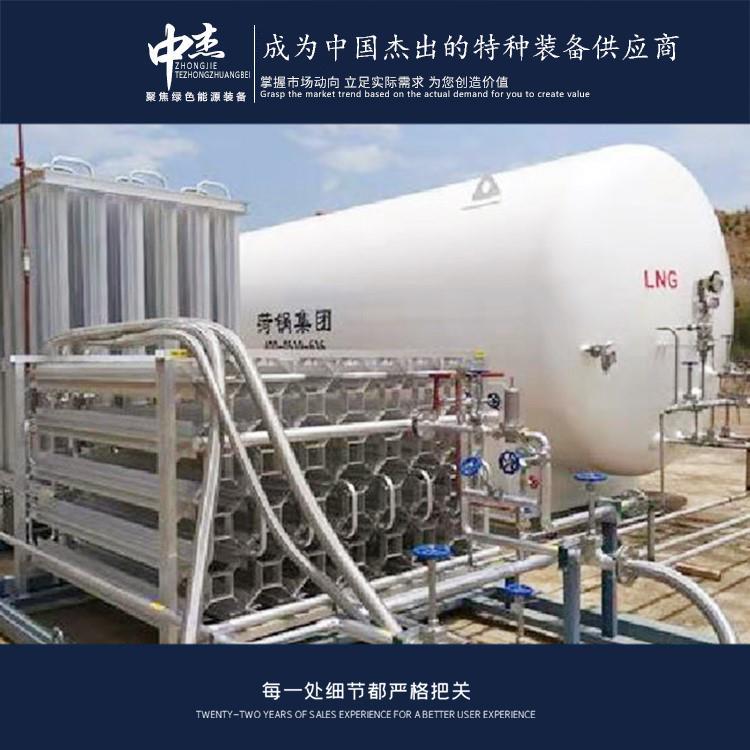

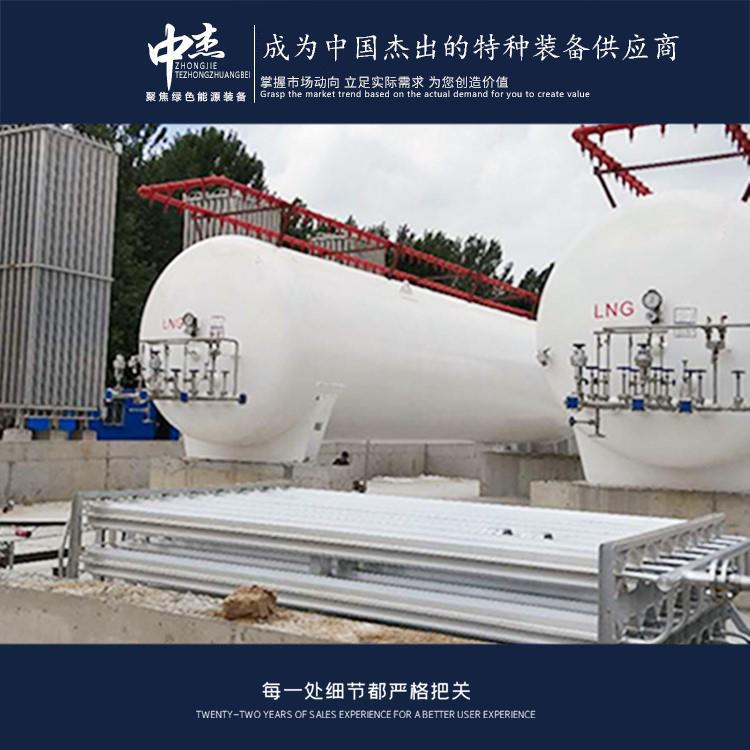
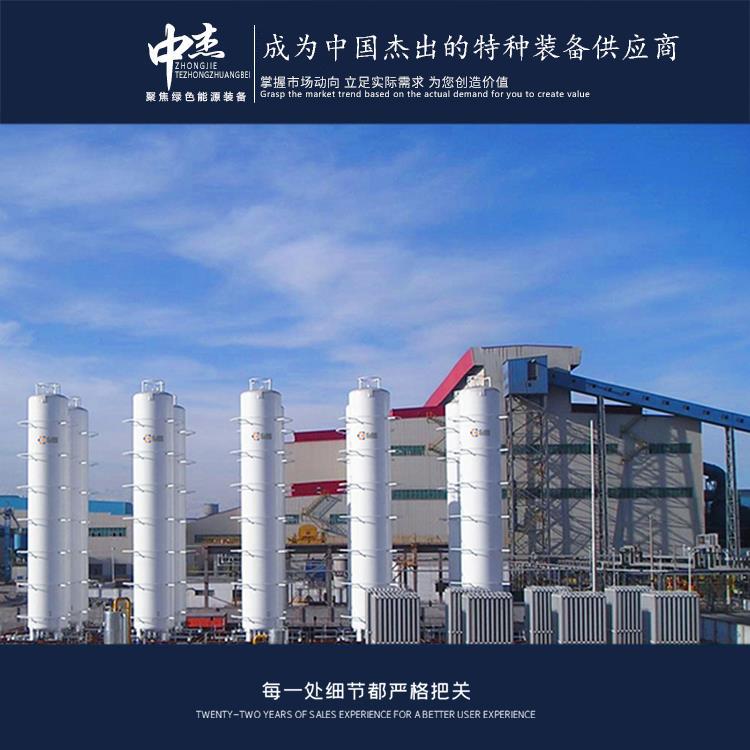


















Shandong Zhongjie Special Equipment's main products include: fuel (gas) boilers, organic heat carrier boilers, biomass boilers, waste heat recovery boilers, and other boiler products; vacuum insulation cryogenic pressure vessels such as LNG tanks, oxygen/nitrogen/argon tanks, and CO2 tanks; pressure vessel products like denitrification engineering equipment, heat storage and energy storage equipment, and complete chemical equipment sets; central air conditioning and HVAC equipment such as ground (water) source heat pumps, air source units, water-cooled screw units, and air-cooled modular units. Planned products include large-scale energy centers, LNG transport vehicles, LNG tank containers, and other green energy equipment.
For the maintenance and care of low-temperature liquid storage tanks, here are some tips and precautions:
Regular Inspections: Conduct regular checks of the tank's exterior, internal lining, valves, and pipe connections. Pay attention to signs of corrosion, cracks, or oil leaks.
Cleaning and Draining: Regularly clean the interior of the tank to remove accumulated impurities and sediments. Also, regularly drain the tank to remove liquid and gas impurities.
Corrosion Prevention Measures: The exterior shell and inner lining of low-temperature liquid storage tanks should be treated for corrosion resistance. Regularly inspect and maintain the protective layer or coating to ensure its integrity and effectiveness.
Temperature and Pressure Control: The temperature and pressure of the low-temperature liquid storage tank should be controlled within the design limits. Avoid extreme temperatures and pressures that could damage the tank.
Safety Component Inspection: Check the tank's safety components, such as relief valves, pressure and temperature sensors, to ensure they are functioning properly. Verify that their set parameters meet requirements.
Maintenance of Level Measurement System: Regularly inspect and calibrate the level measurement system to ensure accuracy and reliability. As needed, clean or replace level sensors.
Fire Prevention Measures: Fire prevention measures are crucial for low-temperature liquid storage tanks. Ensure that fire protection equipment around the tank is in good condition and conduct fire drills regularly.
Regular Assessments and Monitoring: Regularly assess and monitor the tank, including structural integrity, corrosion, and safety. Take appropriate maintenance and repair actions based on assessment results.
Operator Training: Operators should receive training to understand the characteristics, operational requirements, and safety measures of low-temperature liquid storage tanks. Training should include safe operation, leak management, and emergency response procedures.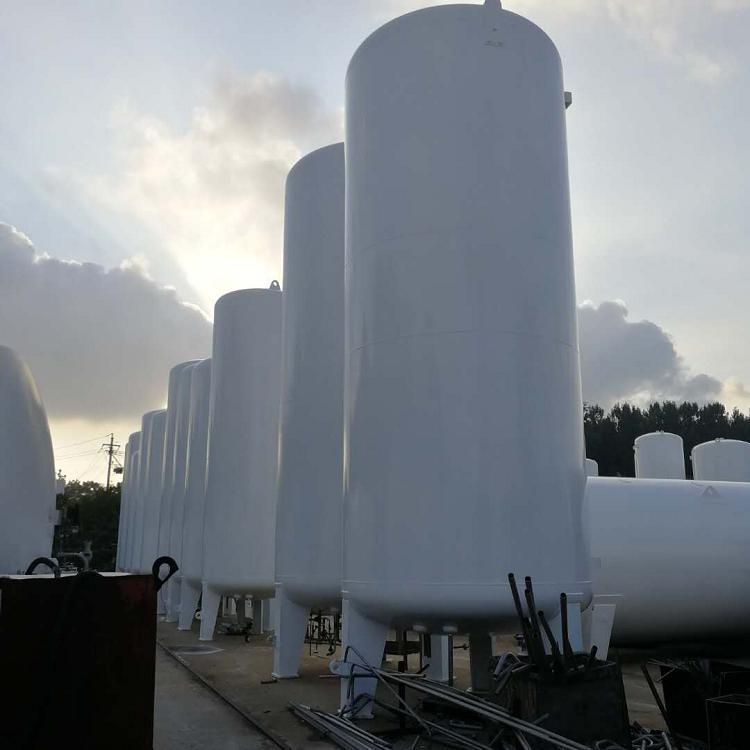
Carbon dioxide cylinder hydrostatic testing is a common quality inspection method used to verify the cylinder's sealing and pressure resistance. Below are the general steps for conducting a hydrostatic test on a carbon dioxide cylinder:
Preparation: Ensure the cylinder interior is clean and the cylinder is empty. Check the cylinder's valves, pipes, and connections to ensure they are sealed properly.
Filling with Water: Fill the cylinder interior with water, using tap water or another clean water source. Ensure even water filling to avoid bubbles or dead spots.
Applying Pressure: Use a pressure pump or other pressure device to gradually increase water pressure until reaching the predetermined test pressure. The test pressure is typically determined based on the cylinder's design requirements and relevant standards.
Pressure Holding: After reaching the test pressure, maintain it for a period, usually 15-30 minutes. During this time, observe for any leakage and check for leaks at the valves and connection points.
Pressure Release: Release the water pressure inside the cylinder, ensuring a slow and even release to avoid sudden pressure release causing shock.
Inspection and Evaluation: After pressure release, inspect the cylinder's exterior and interior for any leakage. Evaluate the test results to ensure the cylinder's sealing and pressure resistance meet requirements.
It is important to note that when conducting hydrostatic tests, follow relevant safety operation procedures and standards to ensure safety and reliability during the testing process. Additionally, based on the cylinder's design and usage requirements, other types of tests can be conducted, such as gas pressure tests, ultrasonic inspections, etc., to comprehensively assess the cylinder's quality and performance. Seek advice and guidance from experts.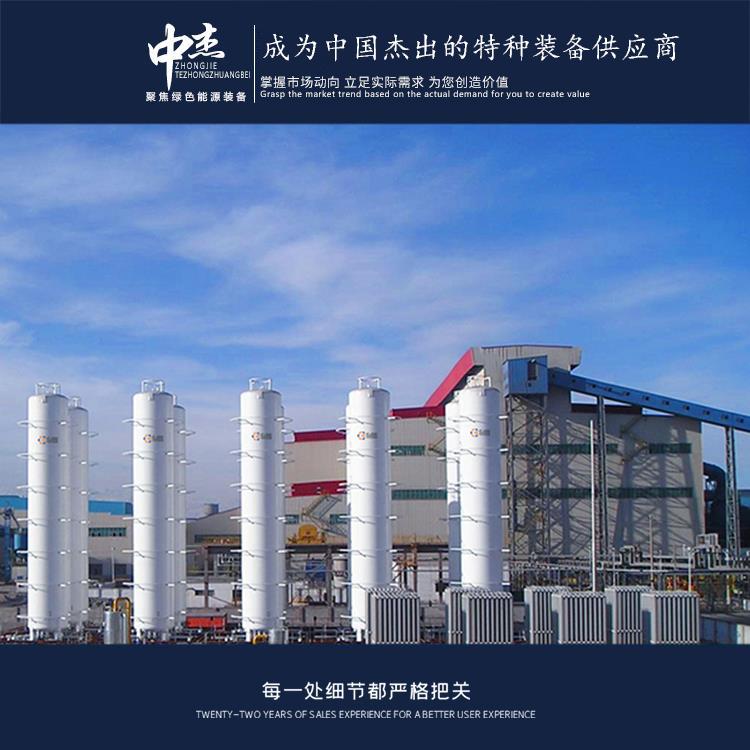
Carbon dioxide storage tanks are classified as pressure vessels. Pressure vessels are sealed containers designed to withstand internal pressure, used for storing and transporting gases, liquids, or mixtures. Carbon dioxide storage tanks are pressure vessels specifically designed for storing and transporting carbon dioxide, featuring unique designs and structures to ensure safe storage and usage of the gas. Depending on design and application, these tanks can be vertical or horizontal, with varying capacities and pressure ratings. When using carbon dioxide storage tanks, it is essential to comply with relevant regulations and standards to ensure safe operation and usage.
Construction features of CO2 storage tanks mainly include the following aspects: Material Selection: CO2 storage tanks are typically made of carbon steel or stainless steel to ensure their corrosion and pressure resistance. Welding Process: The welding process of the tank is crucial for its quality and safety. The welding process should comply with relevant standards and specifications to ensure the quality and strength of the welds. Corrosion Protection Measures: Due to the corrosive nature of CO2, both the internal and external surfaces of the tank should be treated with corrosion protection. Common measures include applying corrosion-resistant paint, coating with protective layers, or using corrosion-resistant coatings. Safety Valves and Pressure Sensors: The tank should be equipped with safety valves and pressure sensors for monitoring and controlling internal pressure to ensure safe operation. Steps for Proper Installation of CO2 Storage Tanks: Site Preparation: Choose a suitable site for installation, ensuring it is level, stable, and meets safety distance requirements. Clear the site to ensure there are no obstacles or fire sources. Foundation Construction: Construct the foundation according to the tank's size and weight. The foundation should have sufficient strength and stability to support the tank's weight and pressure. Tank Installation: Place the tank on the foundation, ensuring there are appropriate bedding and fastening devices between the tank and the foundation. Connect and fasten the tank according to its design requirements. Piping Connections: Connect the tank to the piping system as needed. Ensure the seals at the connection points are tight to prevent leaks. Safety Equipment Installation: Install the required safety equipment for the tank, such as safety valves, pressure sensors, temperature sensors, etc. Ensure these devices are properly installed and connected.
Shandong Zhongjie Special Equipment, welcome customers to our factory for business discussions.
WeChat Official Account

Scan to follow Official Account



















