


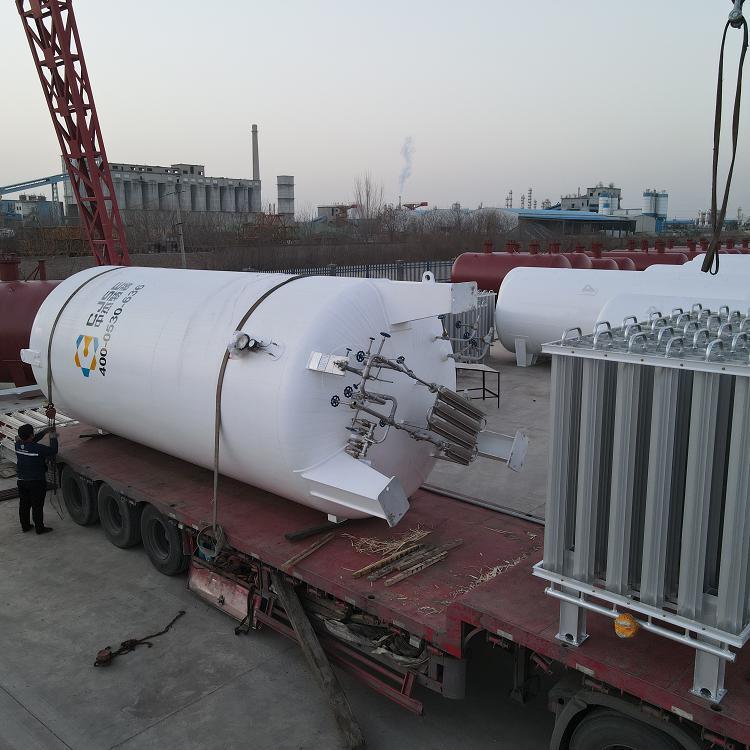

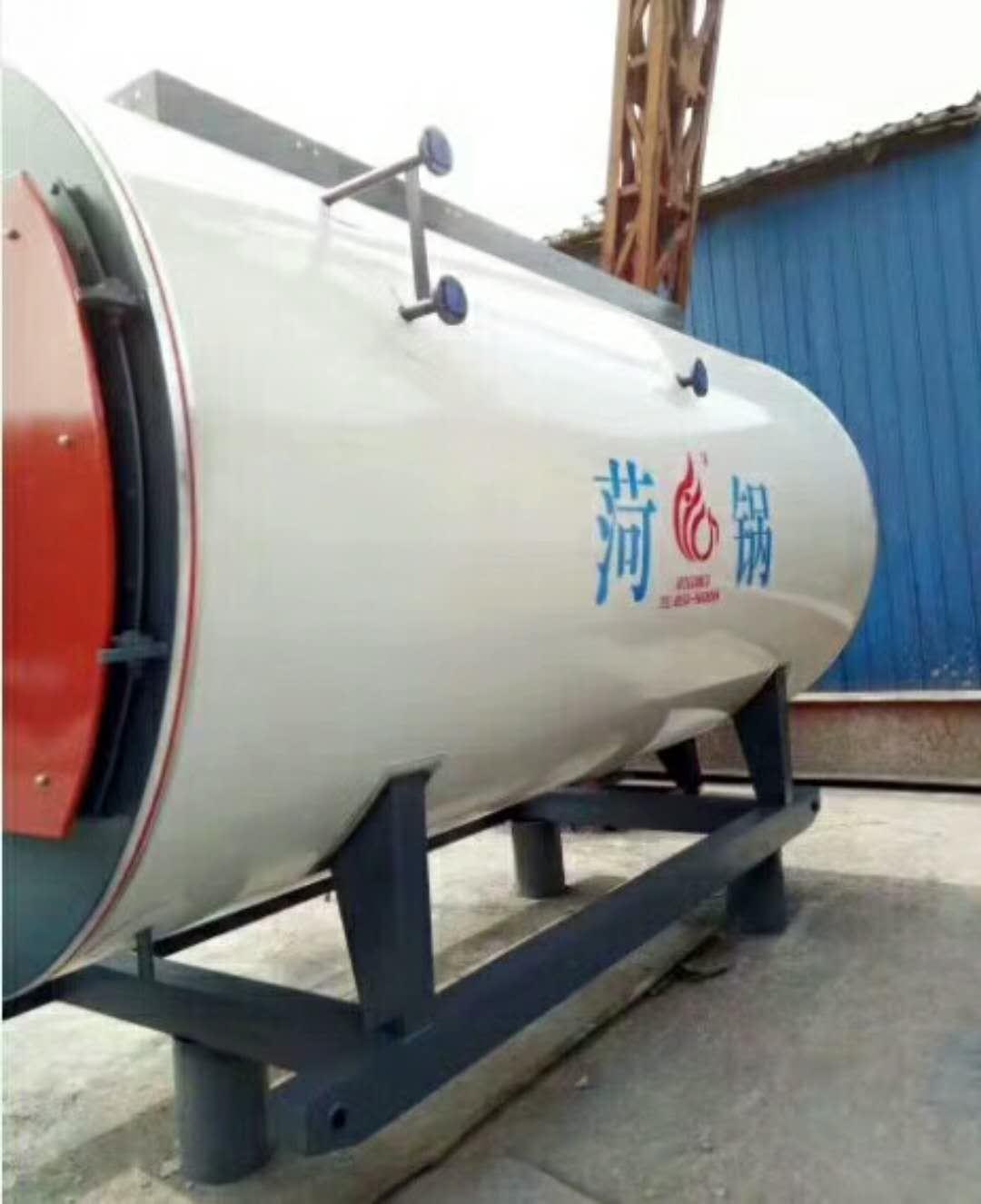
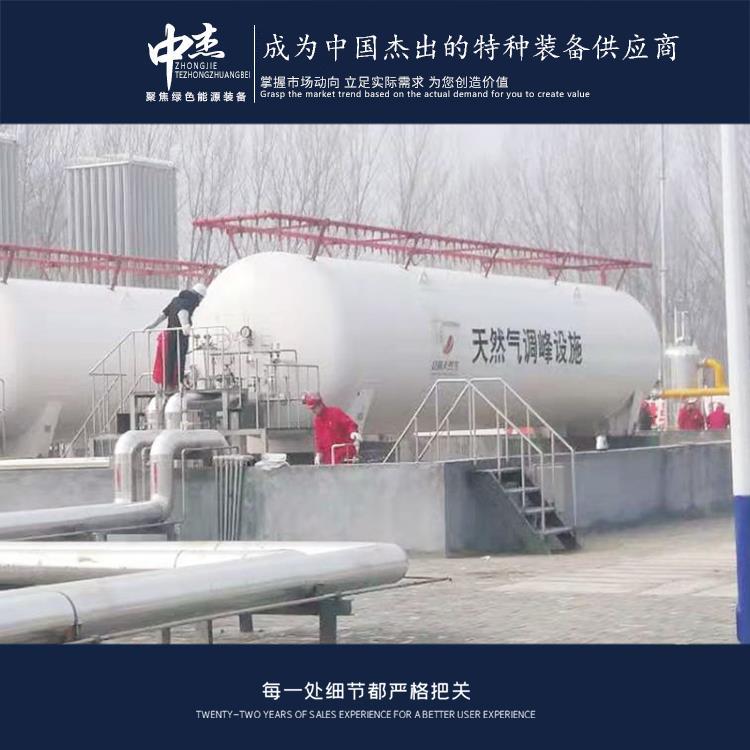


















Shandong Zhongjie Special Equipment Co., Ltd. specializes in the following products: fuel (gas) boilers, organic heat carrier boilers, biomass boilers, waste heat recovery boilers, and other boiler products; vacuum insulation cryogenic pressure vessels such as LNG tanks, oxygen/nitrogen/argon tanks, and CO2 tanks; pressure vessel products including denitrification engineering equipment, heat storage and energy storage equipment, and complete chemical equipment sets; central air conditioning and HVAC equipment such as ground (water) source heat pumps, air source units, water-cooled screw units, and air-cooled modular units. Planned products include large-scale energy centers, LNG transport vehicles, LNG tank containers, and other green energy equipment.
Proper management regulations for the use of low-temperature liquid storage tanks encompass the following aspects:
Tank Selection and Installation: Choose a suitable low-temperature liquid storage tank and ensure it complies with relevant standards and regulations. Installation of the tank should be carried out by personnel and operated according to the manufacturer's instructions and requirements to ensure stability and safety.
Safety Operating Procedures: Establish and implement safety operating procedures for liquid storage tanks, including startup, shutdown, filling, and venting procedures. Operators must receive training to understand the characteristics, safety precautions, and emergency response measures for liquid storage tanks.
Safety Equipment and Protection Measures: Tanks should be equipped with necessary safety devices such as pressure sensors, safety valves, and leak detectors to monitor and control the tank's pressure and temperature. Additionally, operators should wear appropriate personal protective equipment like insulating gloves and protective suits to ensure their own safety.
Regular Inspections and Maintenance: Conduct regular checks and maintenance on low-temperature liquid storage tanks, including inspecting the tank's appearance, sealing, and corrosion prevention measures. In case of any issues, promptly repair or replace the tank to ensure its proper operation and safety.
Waste Management: Abandoned low-temperature liquid storage tanks should be disposed of in accordance with relevant environmental protection regulations. The residual liquids in the abandoned tanks should be handled properly to prevent environmental pollution.
Tank Record and Tracking: Establish tank usage records, including filling dates, quantities, and usage status. Additionally, it is recommended to set up a tank tracking system for monitoring and managing tank usage and maintenance.
The above outlines some common management regulations for low-temperature liquid storage tanks. Specific regulations may vary by industry and region. When using low-temperature liquid storage tanks, adhere to relevant laws and standards and establish appropriate management measures based on actual circumstances.
The oxygen-filling process for liquid oxygen tanks must adhere to specific operational procedures and safety measures. Here are the steps for filling a liquid oxygen tank:
Preparation: Ensure the storage tank and oxygenation equipment are in good working condition, and check the tank's seal integrity and the normal operation of the safety valve.
Connect equipment: Link the oxygenation equipment to the storage tank, ensuring the connection is sealed reliably.
Prepare liquid oxygen: Transfer liquid oxygen from the storage container to the oxygen storage tank of the filling equipment. During the transfer, be cautious to avoid any leakage or contact with the liquid oxygen.
Oxygen Filling Operation: Open the valve of the oxygen filling equipment and fill liquid oxygen into the storage tank. During the filling process, control the filling speed and pressure to avoid excessive tank pressure and temperature rise.
Monitoring and Control: During the aeration process, the tank's pressure and temperature must be monitored to ensure they remain within safe limits. In case of any abnormalities, the aeration should be stopped immediately and appropriate measures taken.
Oxygen Filling Completed: Close the valve of the oxygen filling equipment and cease the filling operation once the storage tank reaches the required oxygen level or pressure.
Safety Handling: After the oxygenation is complete, safety handling is required, including closing relevant valves and draining any remaining liquid oxygen from the oxygenation equipment.
Note that liquid oxygen is highly oxidizing and flammable. The oxygen-filling process must strictly adhere to relevant safety operational procedures and standards. Operators should receive training and strictly follow the operational procedures and safety measures to ensure the safety and reliability of the oxygen-filling process.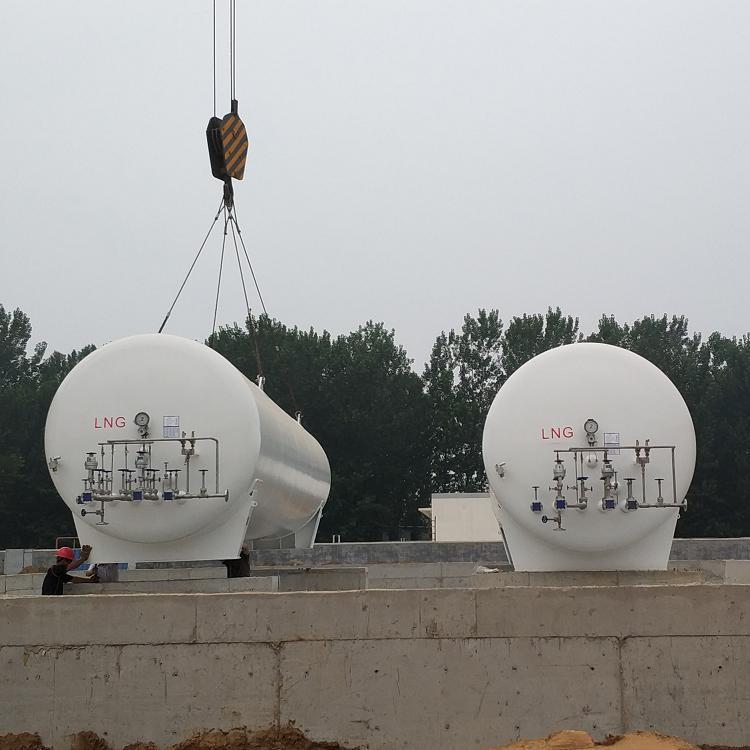
Maintenance and protection of liquid argon tank accessories are crucial for ensuring the normal operation and extending the service life of the tank. The following are general methods for maintaining and protecting liquid argon tank accessories:
Valve Maintenance: Regularly inspect and maintain valves within the tank accessories, including intake valves, exhaust valves, and safety valves. Ensure the valves operate smoothly and reliably with no leaks or jamming. Regularly lubricate the valves and clean any debris or dirt on them.
Pressure Relief Device Maintenance: The pressure relief devices (such as safety valves) in the liquid argon storage tank accessories are critical components for ensuring the internal pressure of the tank is safe. Regularly inspect and test the operational status of the pressure relief devices to ensure they are functioning properly. Clean and repair as necessary.
Sensor and Instrument Maintenance: Sensors and instruments in the liquid argon storage tank accessories are used to monitor and control parameters such as the tank's temperature and pressure. Regularly calibrate and inspect the accuracy and reliability of the sensors and instruments. Keep the sensors and instruments clean and functioning properly.
Insulation Protection: The insulation layer of liquid argon storage tank accessories is crucial for maintaining the low-temperature state of liquid argon. Regularly inspect the integrity and insulation performance of the insulation layer, and repair or replace damaged insulation materials. Avoid mechanical damage or contamination to the insulation layer.
Cleaning and Corrosion Protection: Regularly clean the accessories of the tank, removing impurities and dirt from the surface. Regularly inspect and maintain the anti-corrosion coating on the accessories to prevent rust and oxidation.
Regular inspections and maintenance: Conduct comprehensive inspections and maintenance of liquid argon cylinder accessories on a regular basis, including the exterior, fittings, and seals. Promptly identify and address any damage, leaks, or other issues with the accessories.
Record and Document Management: Document each maintenance and service outcome, including the service date, content, identified issues, and corrective measures. Establish comprehensive management records and documents for tracking and managing the operation of attachments.
Please note that maintenance and protection of liquid argon tank accessories should be carried out by trained personnel, following relevant specifications and standards. Ensure safety during maintenance and operation, and consult with experts for accurate guidance.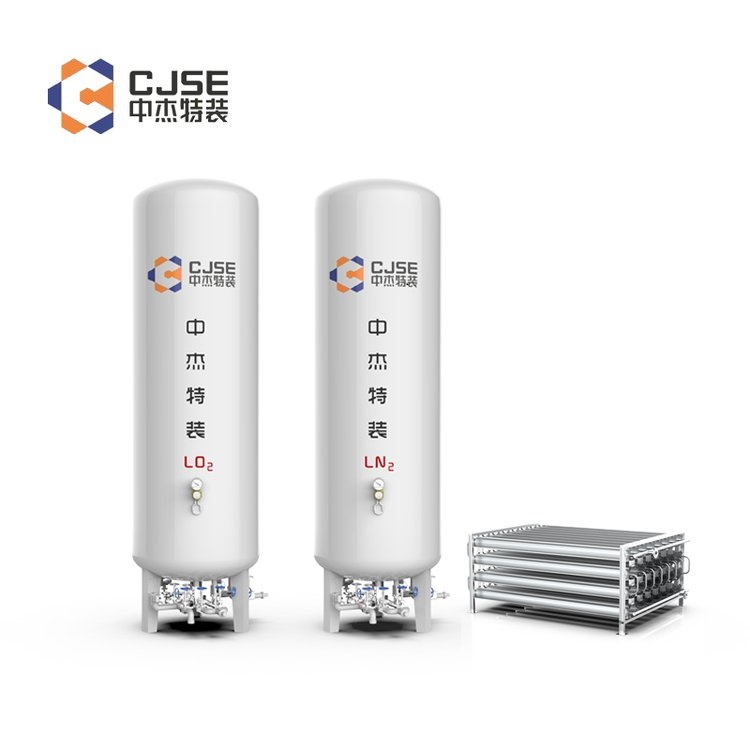
The primary reason for pre-cooling a liquid oxygen tank before use is to lower the tank's internal temperature to below the boiling point of liquid oxygen, facilitating the conversion of oxygen into a liquid state.
The boiling point of liquid oxygen is -183°C; at room temperature, oxygen exists in a gaseous state. To store and supply it, the oxygen must be cooled below its boiling point to become liquid.
The pre-cooling process typically includes the following steps:
Clean Storage Tanks: First, the tank must be thoroughly cleaned to ensure there are no impurities or contaminants inside, to avoid any impact on liquid oxygen.
Drainage and Exhaust: To empty the gas from the tank and expel it through the exhaust system to reduce the gas content within the tank.
Add Liquid Nitrogen: Inject liquid nitrogen into the storage tank, which can quickly cool the air inside the tank and the walls, thereby reducing the tank's temperature.
Wait for cooling: The liquid nitrogen inside the tank will gradually lower the temperature of the tank through the process of heat conduction until it reaches below the boiling point of liquid oxygen.
The purpose of pre-cooling is to ensure that the tank's temperature is sufficiently low to meet the storage and supply requirements of liquid oxygen. Pre-cooling can reduce the evaporation and loss of liquid oxygen, while also contributing to maintaining the safety and stability of the tank.
Our company attaches great importance to technological innovation and R&D, boasting 1 municipal-level enterprise technology center in Heze City. We have established testing facilities for non-destructive testing, physical and chemical testing, welding testing, hydrostatic testing, and more. We are equipped with over 600 types of equipment, including CNC machine tools, X-ray flaw detectors, digital ultrasonic flaw detectors, mechanical property testing machines, chemical analyzers, spectrometers, tensile testing machines, plasma welding machines, and others. The key products we have developed, such as welding technology for temperature and pressure vessels, emissions reduction in biomass boilers, and waste heat recovery, have successively been included in multiple Shandong Provincial Department of Industry and Information Technology science and technology innovation projects, key projects in Shandong Province, and innovative and excellent projects in Heze City. We have accumulated 27 authorized utility models, 16 authorized inventions, participated in drafting 2 standards, 2 industry standards, and registered 15 trademarks. Our technical team, in collaboration with Professor Yajiang Li from Shandong University, has developed deep cryogenic container processing technology using the international plasma arc + wire feeding argon arc welding (PAW-GTAW) technique, which has been appraised as internationally competitive at the provincial level. Choose Zhongjie Special Equipment, and let's create brilliance together!
WeChat Official Account

Scan to follow Official Account



















