


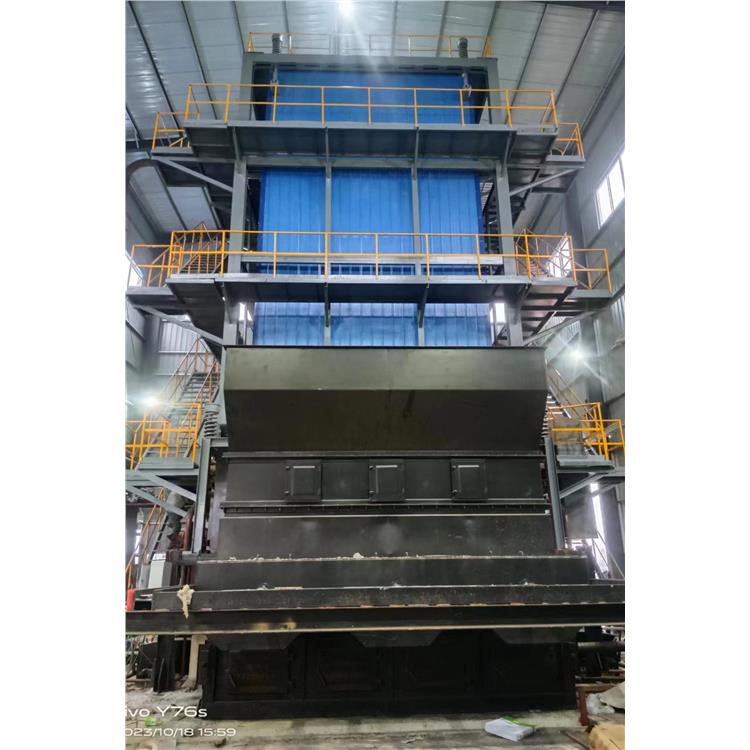

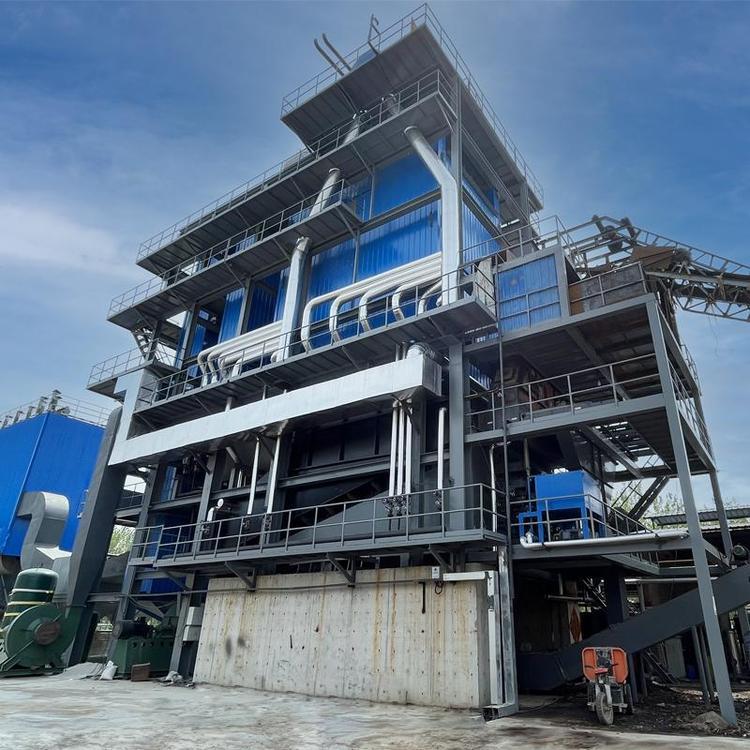
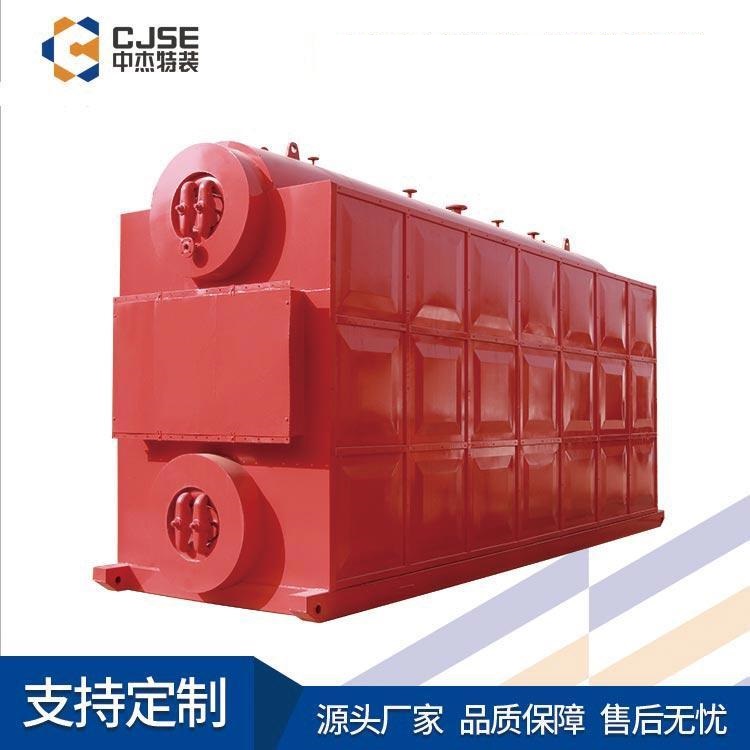


















Shandong Zhongjie Special Equipment specializes in: fuel (gas) boilers, organic heat carrier boilers, biomass boilers, waste heat recovery boilers, and other boiler products; vacuum insulated cryogenic pressure vessels such as LNG storage tanks, oxygen/nitrogen/argon storage tanks, CO2 storage tanks; pressure vessel products including denitrification engineering equipment, heat storage and energy storage equipment, complete chemical equipment sets; central air conditioning and HVAC equipment such as ground (water) source heat pumps, air source units, water-cooled screw units, and air-cooled modular units. Planned products include large-scale energy centers, LNG transport vehicles, LNG tank containers, and other green energy equipment.
Possible reasons for incomplete combustion in biomass boilers may include the following aspects:
Poor fuel quality: Low-quality biomass fuel, such as high moisture content and uneven particle size, can affect the combustion process. Fuel with high moisture content can lead to reduced combustion temperature and incomplete combustion.
Insufficient air supply: Air is essential during the combustion process. If there is insufficient air supply, the fuel cannot react fully with oxygen, resulting in incomplete combustion. Possible causes include a blocked air inlet and fan failure.
Unstable Combustion System: The instability of the combustion system may also lead to incomplete combustion. For instance, improper adjustment of the burner or an不合理 design of the combustion chamber can both affect the stability of the combustion process.
Insufficient combustion temperature: Low combustion temperature can lead to incomplete combustion. Possible causes include improper adjustment of the burner and unstable fuel supply.
Ash accumulation in combustion chamber: Ash buildup in the combustion chamber can affect the combustion process, impeding fuel and oxygen contact, leading to incomplete combustion.
Burning Time Insufficient: Insufficient burning time can also lead to incomplete combustion. If the fuel doesn't stay in the combustion chamber long enough, it can't burn completely, resulting in unburnt fuel residues.
Inadequate combustion chamber design: An improperly designed combustion chamber, such as one that is too large or too small, hinders the full mixing of fuel and oxygen, leading to incomplete combustion.
Above are some possible causes of incomplete combustion in biomass boilers, which require analysis and resolution based on the specific situation. Regular maintenance, reasonable fuel selection, and optimizing the combustion system, etc.
The promotion of biomass boilers in environmental protection is mainly reflected in the following aspects:
Renewable Energy Utilization: Biomass boilers utilize biomass fuels such as wood chips, straw, wheat straw, fruit shells, and more. These fuels are renewable resources. Compared to fossil fuels, biomass fuels emit less carbon dioxide during combustion, resulting in a smaller impact on climate change.
Reducing greenhouse gas emissions: The carbon dioxide produced during the combustion of biomass boilers can be reabsorbed through the regeneration process of biomass, forming a cycle. This helps reduce greenhouse gas emissions and has a cumulative effect on slowing down climate change.
Low Pollution Emission: The combustion of biomass boilers results in relatively low emissions of pollutants in the flue gas. By employing reasonable combustion adjustments and supplementary pollution control equipment, such as dust collectors and nitrogen oxide control devices, the emission of pollutants like particulates and nitrogen oxides in the flue gas can be further reduced.
Recycling Waste: Biomass boilers can utilize waste and by-products as fuel, such as crop straw and wood processing waste. This facilitates the recycling of waste, reducing issues related to waste accumulation and disposal.
Energy Efficiency Enhancement: The combustion process of biomass boilers can be improved through technologies such as heat recovery and waste heat utilization, enhancing energy utilization efficiency. This aids in reducing energy consumption and diminishing reliance on conventional energy sources.
Overall, biomass boilers, as a renewable energy utilization technology, offer advantages such as low carbon and low pollution emissions, as well as waste recycling, which positively promote environmental protection and sustainable development.
Biomass boilers may experience issues with ash accumulation and slagging during prolonged operation. These problems can impact the boiler's combustion efficiency and safety. Here are methods for dealing with ash accumulation and slagging in biomass boilers:
Regular Cleaning: Regularly cleaning the ash and soot from the boiler is crucial for preventing ash buildup and coking. A cleaning schedule can be established based on the boiler's usage, including cleaning the combustion chamber, flue, and heat exchanger, etc. During the cleaning process, appropriate tools and cleaning agents should be used to ensure the removal of ash and soot.
Adjust combustion parameters: Properly adjusting the combustion parameters of biomass boilers can reduce the occurrence of ash accumulation and slagging. For instance, adjusting the combustion temperature, oxygen supply, and combustion time to enhance combustion efficiency and minimize ash and slag production.
Additives Usage: During biomass combustion, special additives such as ash inhibitor and slagging inhibitor can be added. These additives help reduce the formation of ash and carbon deposits, enhancing the boiler's cleanliness and combustion efficiency. The use of additives should be based on specific conditions and manufacturer recommendations.
Regular Inspections and Maintenance: Regularly inspect and maintain all components of the biomass boiler, including burners, fans, flues, and heat exchangers, to promptly identify and address issues like ash buildup and coking. During inspections, you can clear clogged parts and repair damaged components, ensuring the boiler operates smoothly.
Note that dealing with biomass boiler ash and slagging issues should be tailored to specific circumstances. Consultation with boiler maintenance personnel or manufacturers can provide more detailed and accurate advice. Additionally, regular cleaning and maintenance are crucial measures for preventing ash and slagging problems.
Biomass fuel boilers may encounter the following issues during use:
Fuel quality inconsistency: The quality of biomass fuel is affected by factors such as raw material source, processing methods, and storage conditions, leading to inconsistent fuel quality. Inconsistent fuel quality may impact combustion efficiency and the stable operation of boilers.
Ash disposal issue: Biomass fuel produces a large amount of ash during combustion, including waste, ash content, and unburned materials. The handling and disposal of ash may lead to environmental pollution and processing costs.
High-Temperature Corrosion: Ash and elements such as chlorine in biomass fuel are prone to cause corrosion at high temperatures, damaging the metal components of boilers. Measures need to be taken to protect and treat high-temperature corrosion issues.
Low combustion efficiency: Biomass fuel has different combustion characteristics from traditional fossil fuels, which may result in lower combustion efficiency. It is necessary to optimize the combustion system and control strategies to improve combustion efficiency and reduce energy waste.
Gases Emitted from Combustion: The combustion of biomass fuel produces certain gas emissions, such as carbon dioxide, nitrogen oxides, and particulates. These emissions have an impact on the environment and air quality, and appropriate control measures must be taken.
Transport and storage costs: The transportation and storage costs of biomass fuel are higher, particularly for areas far from the supply source. This may increase the operational costs of biomass fuel boilers.
In summary, biomass fuel boilers face issues such as inconsistent fuel quality, ash and slag disposal, and high temperatures.
Zhongjie Special Equipment adheres to the grand vision of "realizing employees' dreams, creating value for customers, and striving for the prosperity and strength of our motherland," and is dedicated to the development of the green energy equipment industry. We offer society products and services with high cost-performance!
WeChat Official Account

Scan to follow Official Account



















