


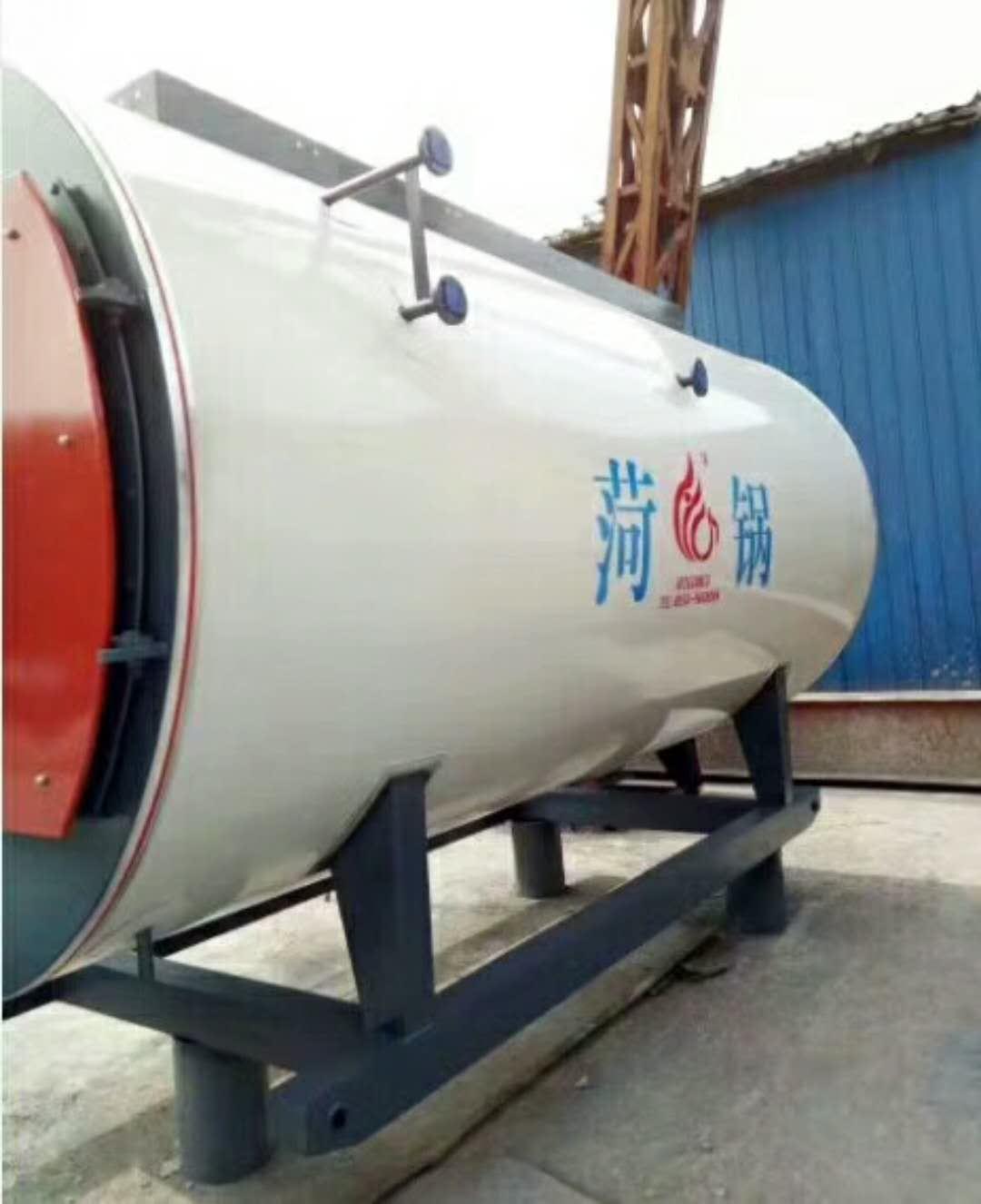

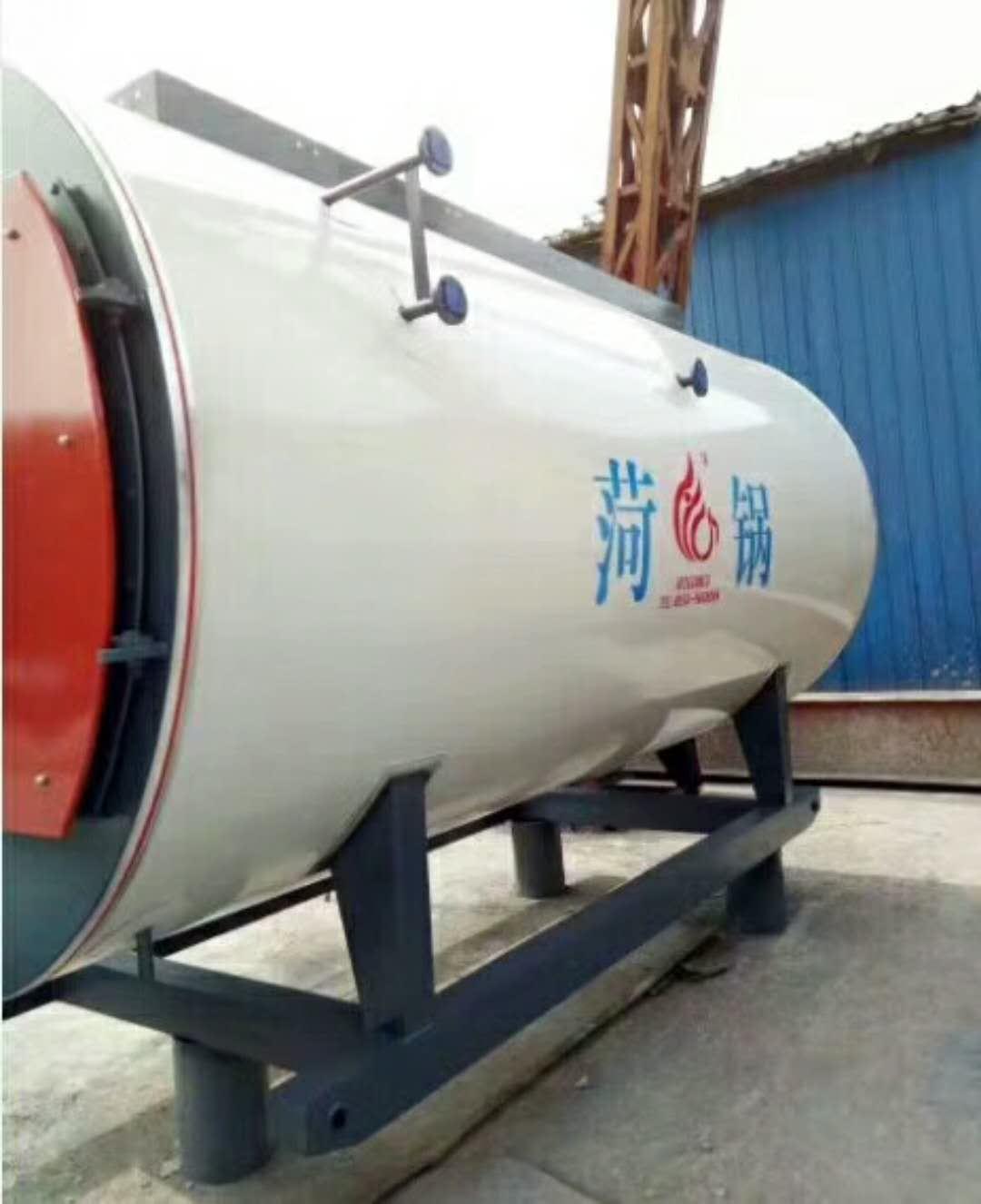


















Shandong Zhongjie Special Equipment Co., Ltd. (formerly Heze Boiler Factory Co., Ltd.) was established in 2001, located at No. 2218 Jinan Road, Development Zone, Heze City, with a registered capital of 50 million yuan and total assets of 500 million yuan. The company has 7 business centers: boiler, deep-freezing vessel, pressure vessel, central air conditioning, engineering installation, international trade, and Internet of Things. It has three factory sites on Jinan Road, East Yangtze Road, and Bohai Road, covering a total area of 200,000 square meters, with the main workshop spanning 83,000 square meters. Currently, there are 710 employees, including 247 engineering and technical personnel and 82 middle-level technical personnel. In December 2016, it was recognized as a "High-tech Enterprise" by the Science and Technology Department. In June 2021, it was identified as a "Specialized and New Enterprise in Shandong Province" by the Department of Industry and Information Technology. In June 2022, it was recognized as a "Gazelle Enterprise in Shandong Province" and in August 2022, as a "Specialized and New Small Giant Enterprise" by the Ministry of Industry and Information Technology.
Prior to filling the liquid nitrogen tank, the following checks must be conducted:
Tank exterior inspection: Check for any obvious damage, deformation, or corrosion on the tank's exterior, including the tank wall, valves, pipes, and joints.
Sealability Inspection: Check the sealing performance of the storage tank, including inspecting for any leakage at valves and pipe connections, to ensure the tank maintains good sealing integrity.
Pressure Check: Verify that the tank's pressure gauge is functioning properly and that the pressure is within the normal range to ensure the tank operates normally.
Level Check: Inspect the tank's liquid level to ensure it remains within the normal range, avoiding issues caused by excessive or insufficient levels.
Insulation Layer Inspection: Check for any damage or detachment in the tank's insulation layer to ensure proper insulation and minimize evaporation loss of liquid nitrogen.
Leakage Inspection: Check for signs of liquid nitrogen leakage around the storage tank, including frost, ice, or liquid nitrogen stains on the ground.
Safety Equipment Inspection: Check that the storage tank's safety equipment, such as leak detectors, alarm systems, and safety valves, are functioning properly to ensure the tank's safety.
Clean Inspection: Ensure the interior of the tank is clean, free of accumulated impurities and dirt, to maintain the tank's cleanliness and sanitation.
The above lists the checks required prior to filling the liquid nitrogen tank, ensuring the safe operation of the tank and proper storage of liquid nitrogen. During the inspection, strictly adhere to the relevant operational procedures and safety requirements to ensure operational safety.
The safety distance for liquid oxygen tanks refers to the distance that must be maintained around the tank to ensure the safety of personnel and equipment. Specific requirements for safety distances may vary depending on different regions and application sites. Here are some common principles for safety distances:
- Buildings and equipment: Liquid oxygen tanks should be kept at a certain safety distance from buildings, equipment, and other storage tanks to prevent the spread of fires, explosions, and leaks. The specific safety distance requirements should be assessed and determined according to local regulations and standards.
- Ignition and heat sources: Liquid oxygen is highly oxidizing and can easily cause fires and explosions. Therefore, liquid oxygen tanks should be kept at a sufficient safety distance from ignition sources, heat sources, and flammable materials to prevent fires and explosions.
- Ventilation and exhaust: Good ventilation and exhaust should be maintained around liquid oxygen tanks to prevent the accumulation of vapor and the formation of explosive mixtures. The design and operation of the ventilation and exhaust systems should comply with relevant safety standards and specifications.
- Personnel and traffic: Personnel and traffic around liquid oxygen tanks should be restricted and controlled to ensure personnel safety and the normal operation of the tank. Warning signs, safety fences, and restricted areas should be established to prevent unauthorized personnel from entering the tank area.
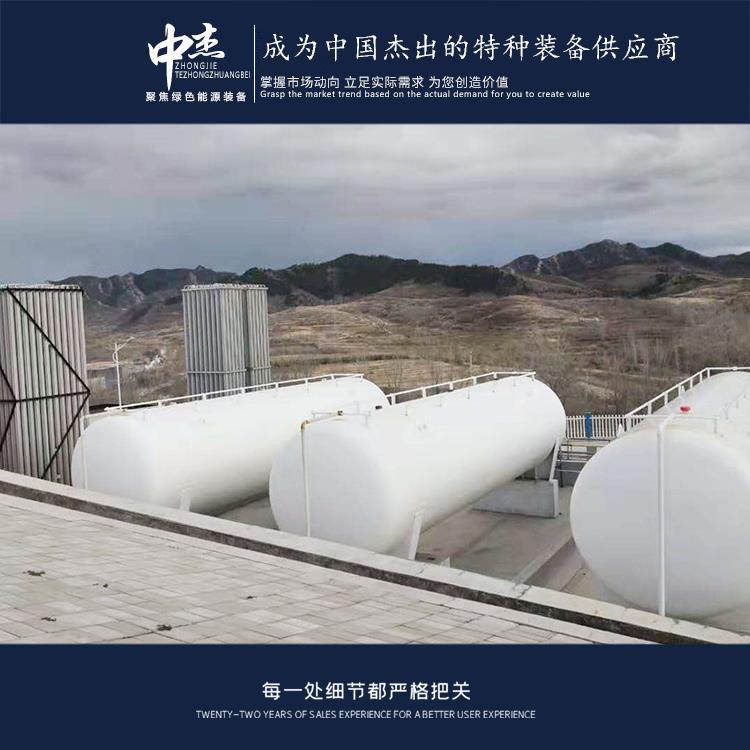
It is important to note that the safety distance for liquid oxygen tanks should be assessed and determined based on the specific application site and safety requirements. When designing, installing, and operating liquid oxygen tanks, relevant regulations, standards, and safety guidelines should be followed to ensure the safety and reliability of the tank.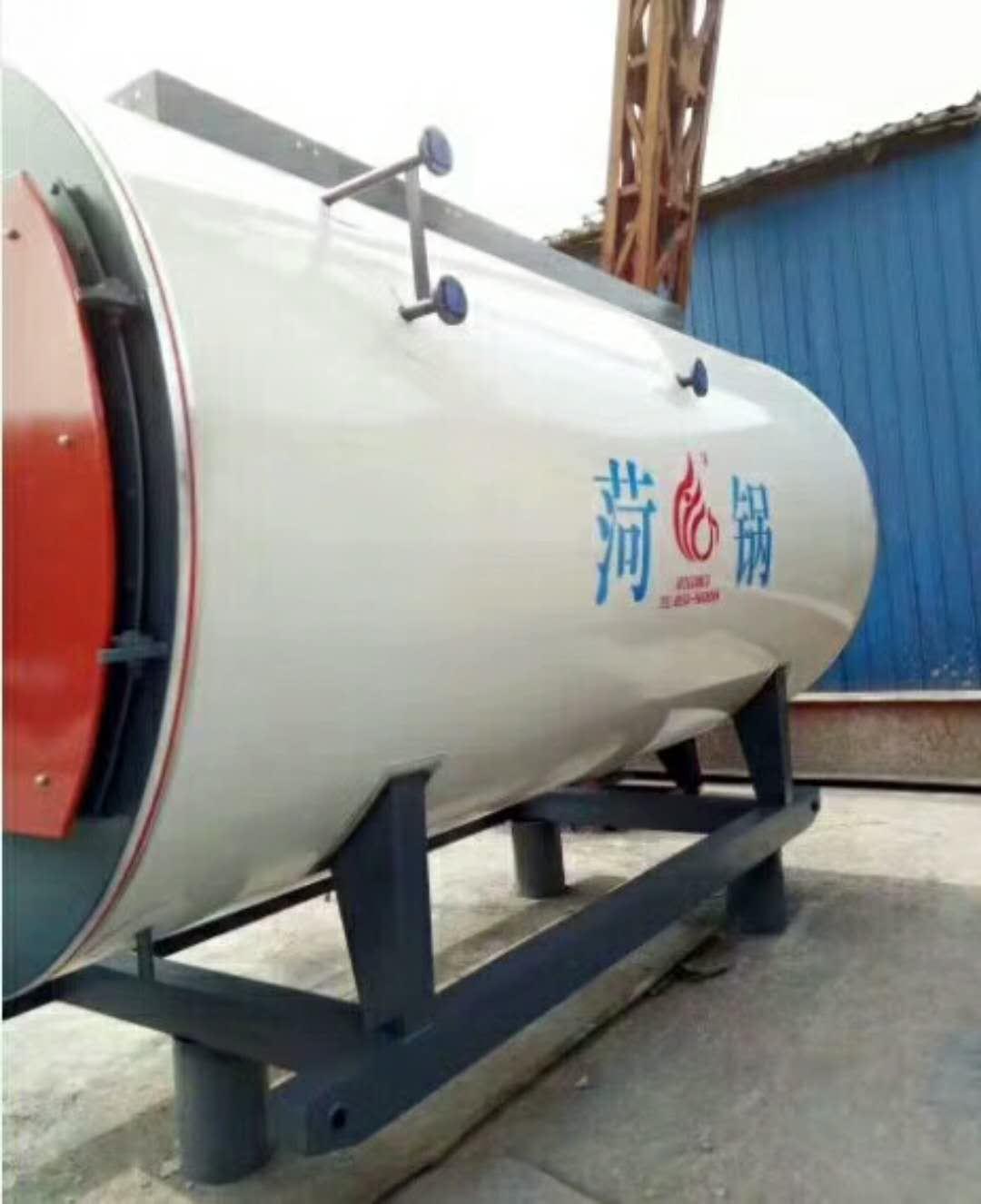
The filling process for liquid nitrogen tanks typically includes the following steps:
Preparation: Ensure the storage tank and filling equipment are in good condition, free from damage or leaks. Check that the insulation layer of the tank is intact and undamaged.
Safety Inspection: Check the tank and its surrounding environment for safety. Ensure there are no flammable materials or other hazardous items around the tank.
Connect equipment: Link the filling equipment to the storage tank. Ensure the connection is securely fastened and leak-free.
Prepare Liquid Nitrogen: Ready for liquid nitrogen supply, ensuring the quality and purity meet the requirements.
Open valves: Follow the operational instructions for the filling equipment, gradually open the corresponding valves to allow liquid nitrogen to flow from the supply source into the storage tank.
Regulate Flow: Adjust the flow control valve of the filling equipment as needed to control the inflow rate of liquid nitrogen. Ensure the flow rate is moderate, avoiding too fast or too slow.
Level Monitoring: Real-time monitoring of liquid nitrogen level within the storage tank through a level gauge or other level monitoring devices. Ensure the level is maintained within a safe range.
Cease Filling: Close the valve of the filling equipment when liquid nitrogen is filled to the tank or reaches the desired level, stopping the inflow of liquid nitrogen.
Disconnect connection: Disconnect the filling equipment from the storage tank and ensure there are no leaks at the connection point.
Safety Inspection: Conduct another check of the tank and its surrounding environment to ensure there are no leaks or other safety hazards.
This procedure is for general reference only; the actual filling process may vary depending on the specific type of storage tank and filling equipment. When performing filling operations on liquid nitrogen tanks, please adhere to relevant operational specifications and safety requirements, and ensure that the operators have received the necessary safety training and skills.
To extend the service life of liquid argon storage tanks, the following measures can be taken:
Regular inspections and maintenance: Conduct regular visual inspections of the liquid argon tank, checks on valves and fittings, as well as leak detection and pressure testing. Promptly identify and repair potential issues to ensure the tank operates normally.
Maintain the insulation layer: The insulation is crucial for the thermal preservation of liquid argon tanks. Regularly inspect the integrity and insulating performance of the insulation layer, repair or replace any damaged insulation material to ensure the tank's insulating effectiveness.
Control Liquid Argon Temperature: Maintain the liquid argon temperature within an appropriate range to prevent damage to the storage tank from excessive or low temperatures. Implement suitable cooling or heating measures to ensure stable liquid argon temperature.
Corrosion Protection: The outer shell and internal structure of the liquid argon tank should be protected against corrosion and oxidation. Regularly inspect and maintain the protective coating to ensure it remains intact.
Avoid excessive pressure and overfilling: Prevent the internal pressure of the tank from being too high or too low, as well as overfilling with liquid argon. Excessive pressure and overfilling can lead to structural rupture or damage of the tank.
Regular cleaning and waste removal: Clean the interior of the tank regularly to remove accumulated impurities and dirt. Regularly remove waste to prevent contaminants and sediments in liquid argon from damaging the tank.
Safety Operation and Training: Ensure operators are equipped with the knowledge and skills for safe handling of liquid argon tanks. Enhance safety training to boost operators' safety awareness and emergency response capabilities.
Establish comprehensive management records and documents, including tank usage, inspection, and maintenance records. Regularly review and update these records to ensure safe management and maintenance of the tanks.
These measures can help extend the service life of liquid argon storage tanks, but specific operations and management are required based on the tank type and application. When performing maintenance and operation, follow relevant regulations and standards, and consult with experts to ensure safety and effectiveness.
Zhongjie Special Equipment upholds the grand vision of "realizing the dreams of our employees, creating value for our customers, and striving for the prosperity and strength of our motherland," wholeheartedly devoting ourselves to the development of green energy equipment. We offer society products and services with high performance and affordability!
WeChat Official Account

Scan to follow Official Account



















