


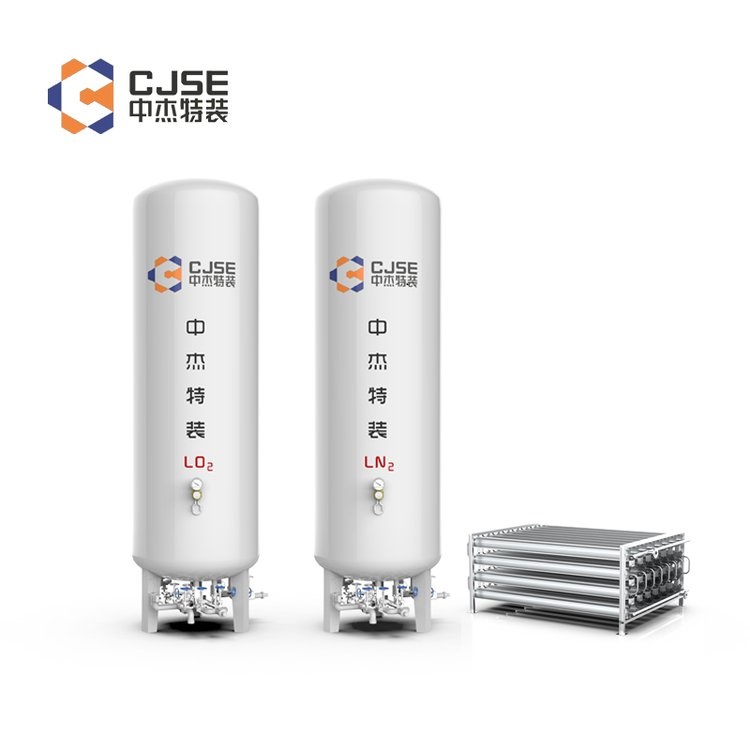

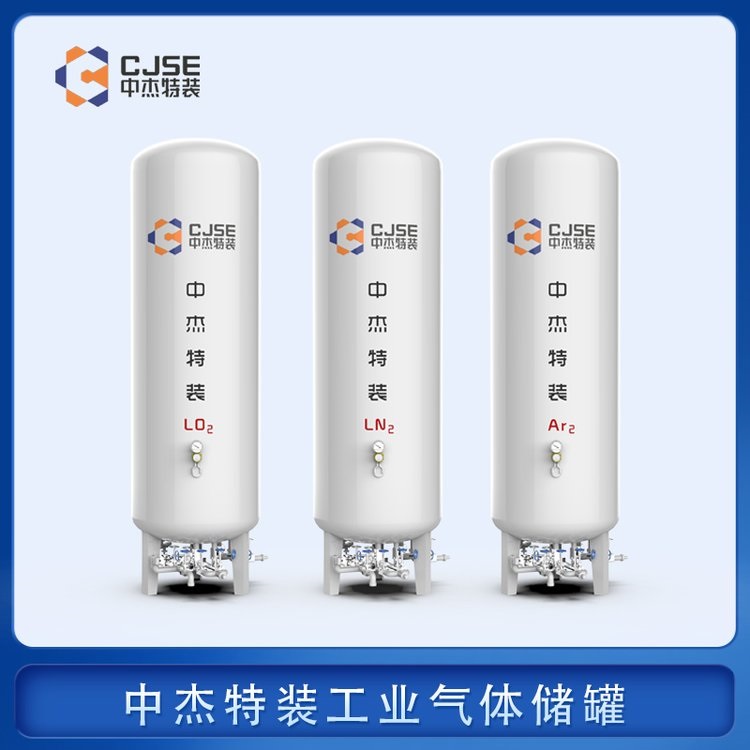
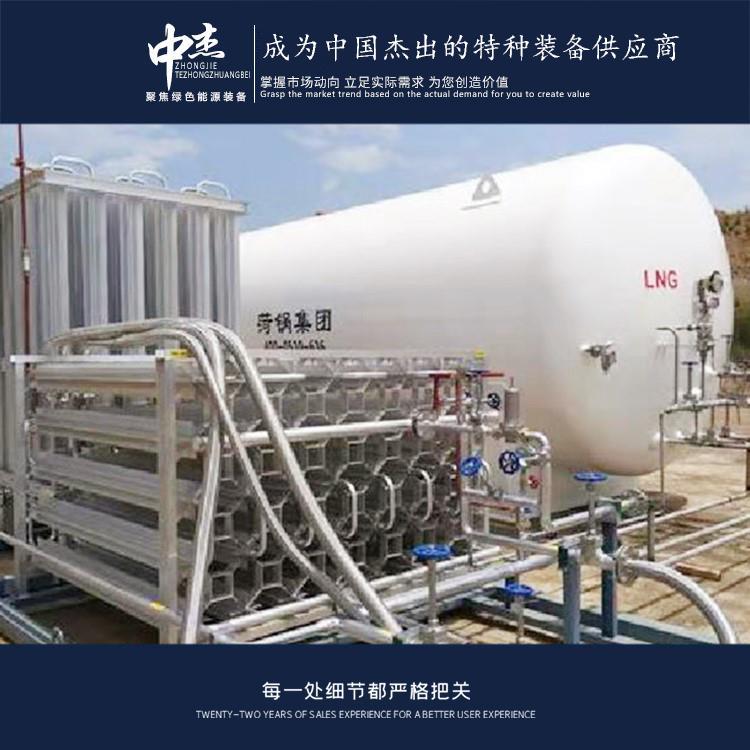


















Shandong Zhongjie Special Equipment Co., Ltd. (formerly Heze Boiler Factory Co., Ltd.) was established in 2001, located at No. 2218 Jinnan Road, Economic and Technological Development Zone, Heze City, with a registered capital of 50 million yuan and total assets of 500 million yuan. The company has 7 business centers: boilers, deep-freezing containers, pressure vessels, central air conditioning, engineering installation, international trade, and the Internet of Things. It operates three factories on Jinnan Road, East Changjiang Road, and Bohai Road, with a total area of 200,000 square meters, the main workshop covering 83,000 square meters. It currently employs 710 staff, including 247 engineers and technicians and 82 intermediate-level technicians. In December 2016, it was recognized as a "High-tech Enterprise" by the Science and Technology Department. In June 2021, it was identified as a "Specialized and New Enterprise in Shandong Province" by the Department of Industry and Information Technology. In June 2022, it was named a "Gazelle Enterprise in Shandong Province" and in August 2022, it was recognized as a "Specialized and New Small Giant Enterprise" by the Ministry of Industry and Information Technology.
The primary reason for pre-cooling a carbon dioxide tank before use is to ensure that the carbon dioxide inside remains in a liquid state and maintains a stable temperature during storage and supply. The pre-cooling process typically involves the following steps:
Tank Cooling: Before the tank is put into service, it must be cooled internally to a sufficiently low temperature to convert the carbon dioxide from a gas to a liquid. This can be achieved by injecting a cooling medium (such as liquid nitrogen) into the tank or by using an external cooling unit.
Tank Pre-filling: After the tank has been cooled, liquid carbon dioxide must be pre-filled into the tank to fill it and maintain a certain pressure. The purpose of pre-filling is to provide an adequate supply of carbon dioxide during storage and supply, and to keep the tank pressure stable.
By pre-cooling, the liquid state of the carbon dioxide inside the tank is ensured, preventing premature evaporation and energy loss. Additionally, pre-cooling helps to lower the tank temperature in advance, reducing carbon dioxide evaporation and pressure fluctuations, thereby improving the tank's operational efficiency and safety.
It should be noted that the specific methods and requirements for pre-cooling may vary depending on the tank design and application scenario. When performing pre-cooling operations, it is essential to follow relevant safety operation procedures and standards to ensure the safety and effectiveness of the operation.
Common defects in carbon dioxide storage tanks during use include deformation. Some possible causes of tank deformation are: Overpressure: When the internal pressure of the tank exceeds its design pressure, it may lead to deformation. This could be due to operational errors, system failures, or other reasons. Temperature changes: Carbon dioxide storage tanks expand and contract with temperature changes, and if the temperature change is too large or too rapid, it may cause tank deformation. Internal corrosion: If there is internal corrosion in the tank, it will damage the structural integrity of the tank, leading to deformation. External damage: External impacts, compressions, or other physical damages can cause tank deformation. Incorrect installation or use: Incorrect installation or usage methods can lead to uneven stress on the tank, causing deformation. Tank deformation can reduce the structural integrity of the tank and even pose risks of leakage or rupture. Therefore, it is important to regularly inspect and maintain the integrity of the tank, as well as to follow proper operational and installation procedures. If tank deformation or other defects are suspected, the tank should be immediately stopped from use and professional assistance should be sought for inspection and repair. Do not attempt to repair or continue using a defective tank to ensure operational safety.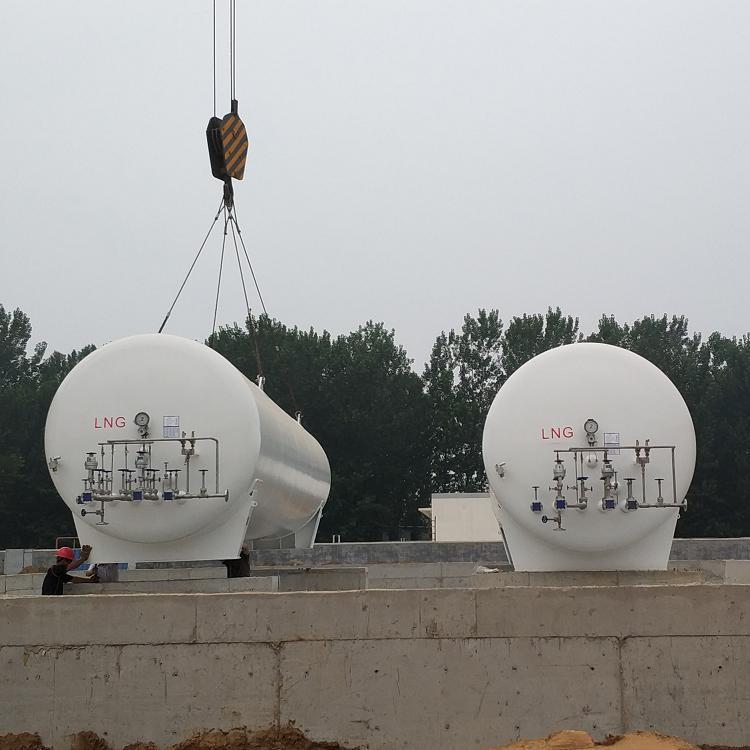
二氧化碳储罐在使用过程中可能会遇到一些常见问题,需要进行维修和处理。以下是一些常见的问题和相应的维修方法: 泄漏问题:储罐可能出现泄漏,导致二氧化碳的损失和安全隐患。维修方法包括检查和更换密封件、修复或更换泄漏的管道和阀门等。 腐蚀问题:储罐的外壁和内壁可能会受到腐蚀,影响储罐的结构和安全性。维修方法包括清洗和修复腐蚀部位,涂覆防腐涂层,或者更换受损的部件。 压力问题:储罐的压力可能出现异常,过高或过低,影响储罐的正常运行。维修方法包括检查和调整压力控制系统,修复或更换压力传感器、安全阀等。 温度问题:储罐的温度可能出现异常,过高或过低,影响二氧化碳的储存和使用。维修方法包括检查和调整温度控制系统,修复或更换温度传感器、冷却设备等。 控制系统问题:储罐的控制系统可能出现故障,导致无常控制和监测储罐的运行状态。维修方法包括检查和修复控制系统的电气元件、传感器、仪表等。 需要注意的是,对于二氧化碳储罐的维修和处理,应由的技术人员进行操作,并遵循相关的安全操作规程和标准。在维修过程中,应确保储罐的安全性和稳定性,以及维修过程的安全性。好咨询工程师或储罐制造商的建议和指导。
The testing and maintenance of liquid oxygen storage tanks are crucial for ensuring safe operation and extending their lifespan. Below is a general breakdown of the testing and maintenance procedures for liquid oxygen storage tanks:
- **Visual Inspection**: Conduct regular visual inspections of the liquid oxygen storage tank, checking for signs of corrosion, wear, and cracks on the surface. Any abnormalities found should be addressed promptly with repairs or replacements.
- **Internal Cleaning**: Regularly clean the interior of the liquid oxygen storage tank to remove accumulated debris and dirt. Pay attention to using appropriate cleaning agents and tools to avoid damaging the tank.
- **Level Measurement**: Regularly measure the liquid level to ensure it remains within safe limits within the tank. Use level gauges or other measuring devices for the measurement and record the results.
- **Pressure Testing**: Conduct regular pressure tests to verify the tank's pressure-bearing capacity. Be mindful of controlling pressure and time during testing to ensure safety and accuracy.
- **Leak Detection**: Regularly perform leak detection to ensure the tank's integrity. Use leak detection equipment such as gas detectors or foam leak detection agents.
- **Valve and Pipe Inspection**: Regularly check the valves and pipe connections on the liquid oxygen storage tank to ensure proper sealing and no leakage. Address any issues promptly with repairs or replacements.
- **Maintenance Records**: Document the testing and maintenance activities of the liquid oxygen storage tank, including inspection dates, contents, and outcomes. Records aid in tracking maintenance history and issue resolution.
- **Scheduled Maintenance**: Develop a scheduled maintenance plan based on the tank's usage and requirements. Maintenance activities include lubrication, bolt tightening, and replacement of seals to ensure normal operation.
Our company attaches great importance to technological innovation and R&D design. We have one municipal-level enterprise technology center in Heze City, equipped with non-destructive testing, physical and chemical testing, welding testing, hydrostatic testing, and other testing facilities. We have over 600 types of equipment, including CNC machine tools, X-ray flaw detectors, digital ultrasonic flaw detectors, mechanical property testing machines, chemical analyzers, spectrometers, tensile testing machines, plasma welding machines, etc. The key products and technologies we have developed, such as temperature and pressure vessel welding, biomass boiler emission reduction, and waste heat utilization, have successively been selected for multiple Shandong Provincial Department of Industry and Information Technology science and technology innovation projects, Shandong Provincial key projects, and Heze City innovation and excellence projects. We have accumulated a total of 27 authorized utility models, 16 authorized inventions, participated in drafting 2 standards, 2 industry standards, and registered 15 trademarks. The technical team of our company, in collaboration with Professor Li Yajiang of Shandong University, has developed deep cryogenic container processing technology using the international plasma arc + filler wire tungsten inert gas arc welding (PAW-GTAW) technology. After the provincial-level scientific and technological achievement appraisal, the technology level has reached an international standard in the field of deep cryogenic container manufacturing. Choose Zhongjie Special Equipment, let's create brilliance together!
WeChat Official Account

Scan to follow Official Account



















