


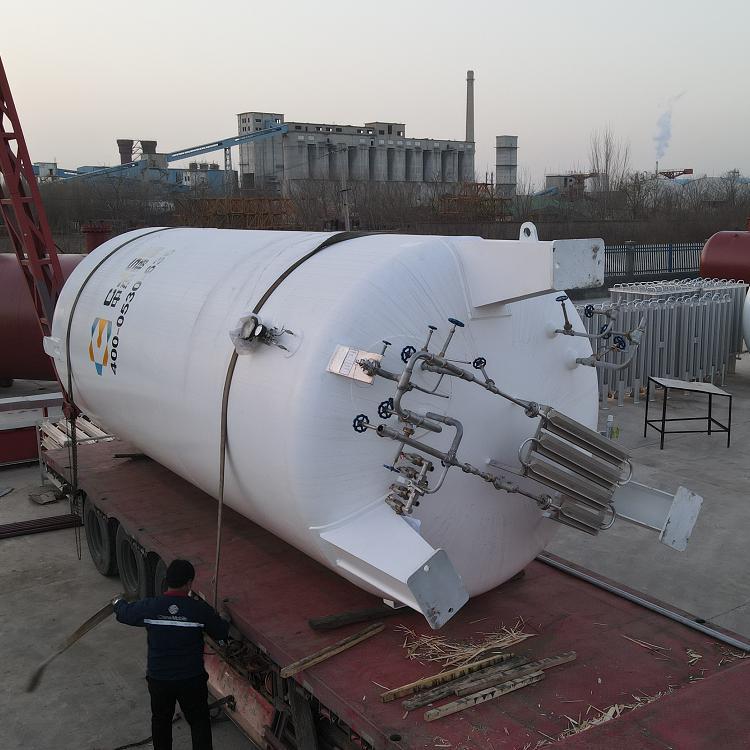

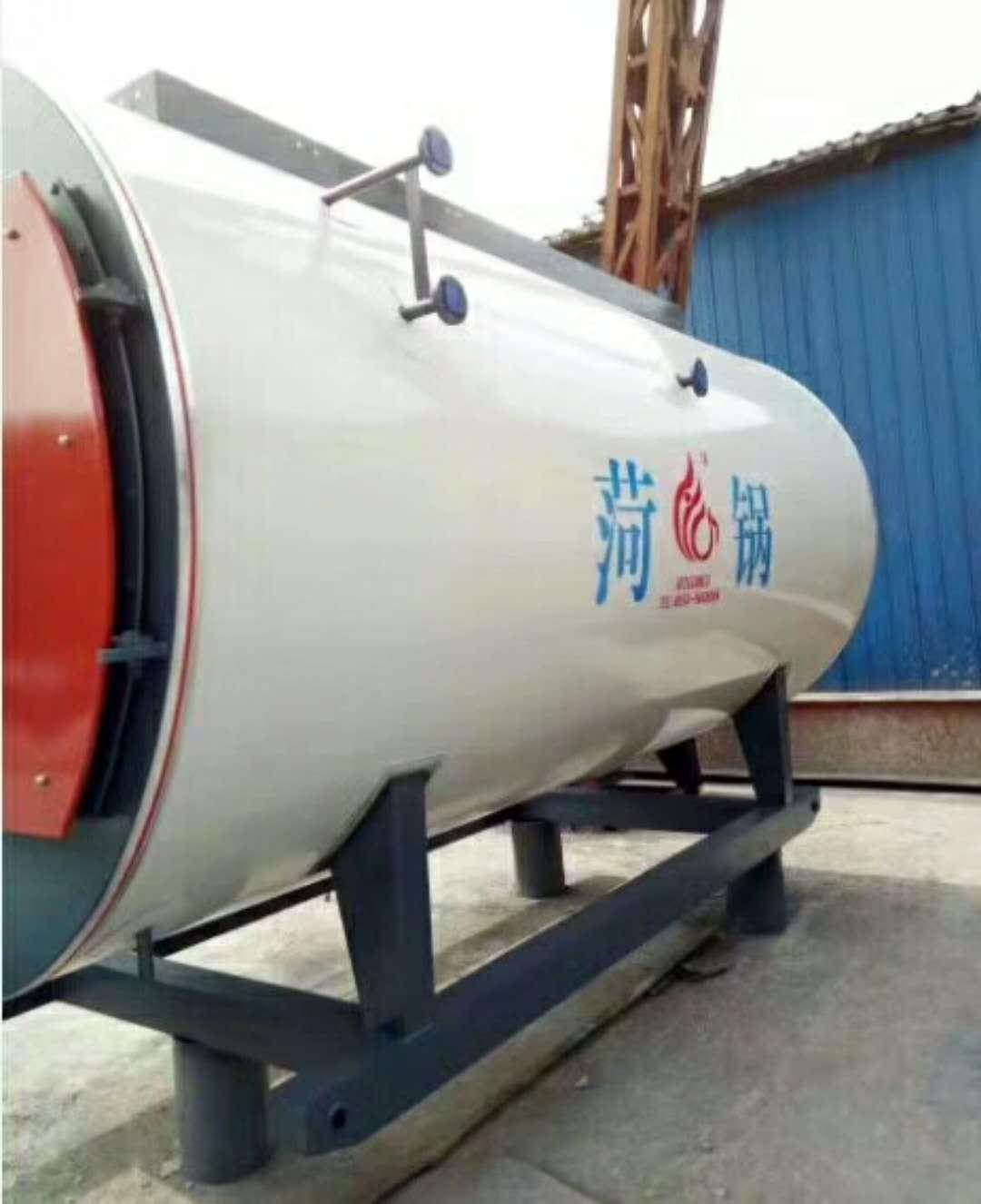


















Shandong Zhongjie Special Equipment (formerly Heze Boiler Factory Co., Ltd.) holds an A-grade boiler manufacturing license, an A2-grade pressure vessel manufacturing license, an A2-grade pressure vessel design license, B-grade boiler installation and GB2, GC2 class pressure pipeline installation licenses, as well as equipment and electrical installation contracting qualifications. It is a member of the China Boilers and Water Treatment Association, the China Chemical Equipment Association, and the Council Unit of the Shandong Equipment Manufacturing Association. The company has also passed ISO9001 Quality Management System, ISO14001 Environmental Management System, OHSAS18001 Occupational Health and Safety Management System certifications, and the American ASME/U2 certification.
Carbon dioxide has a wide range of applications in the food freezing industry. Here are some common uses of carbon dioxide in food freezing:
1. Frozen Food Processing: Carbon dioxide is often used in the processing of frozen foods. By exposing the food to liquid carbon dioxide, temperatures can be rapidly reduced for quick freezing, effectively preserving the quality, texture, and nutritional value of the food.
2. Frozen Storage: Carbon dioxide is also employed in the freezing storage of food. During the storage process, food is placed in a低温 environment, and its temperature is lowered below the freezing point using the refrigerating effect of carbon dioxide, thereby extending the shelf life of the food.
3. Frozen Transportation: Carbon dioxide plays a crucial role in the freezing transportation of food. By utilizing carbon dioxide freezing techniques during transportation, the low-temperature state of the food is maintained, preventing quality and nutritional loss.
4. Frozen Display: In the food retail industry, carbon dioxide is used in frozen display cabinets. By injecting carbon dioxide gas into the cabinets, the low-temperature state of the food is preserved, ensuring freshness and quality while on display.
Compared to traditional freezing techniques, carbon dioxide freezing offers advantages such as faster freezing, better freezing effects, and minimal impact on food quality. However, safety precautions must be taken when using carbon dioxide freezing techniques to avoid leaks and potential harm to humans. Therefore, it is necessary to follow relevant safety operation procedures and guidelines when using carbon dioxide for food freezing.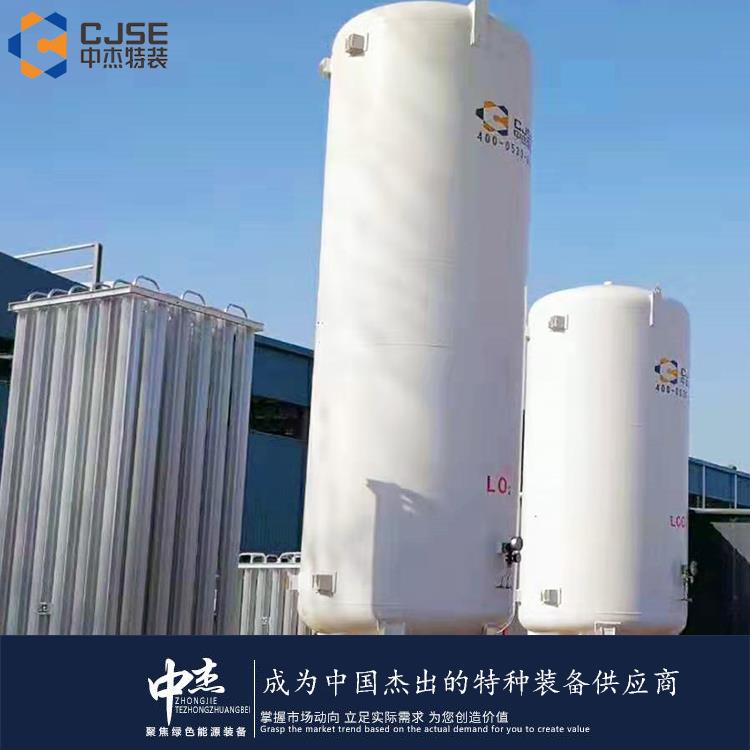
In daily operation, carbon dioxide tanks require protection and maintenance to ensure proper functioning and safety. Here are some common protection and maintenance methods:
- Visual Inspection: Regularly check the tank's exterior for signs of corrosion, wear, and cracks. Address any anomalies promptly by taking corrective measures.
- Seal Integrity Check: Routinely inspect the tank's sealing performance, particularly at valves, pipe connections, and the tank itself. Ensure no leaks are present and address any leaks immediately.
- Temperature Control: Maintain a suitable ambient temperature around the tank and implement appropriate insulation measures to ensure the tank's internal low-temperature state.
- Pressure Relief Device Inspection: Regularly check the tank's pressure relief devices, such as safety valves, to ensure they are operating correctly. Verify that the set pressure meets requirements and perform regular maintenance and replacements.
- Level Monitoring: Regularly monitor the tank's liquid level to ensure accurate measurements. Address any abnormal levels promptly by investigating the cause and taking appropriate actions.
- Regular Cleaning: Regularly clean the interior of the tank to remove accumulated debris and dirt. Exercise safety during cleaning and avoid using flammable and corrosive substances.
- Regular Testing: Conduct regular pressure testing and leak detection on the tank to ensure its safety performance meets requirements. The frequency and methods should adhere to relevant regulations and standards.
- Storage Capacity Control: Control the tank's storage capacity to prevent exceeding the rated capacity. Overfilling can lead to excessive pressure, increasing safety risks.
- Note: Specific protection and maintenance methods may vary depending on the type of tank and its application.
Carbon dioxide tank level gauges are devices used for measuring and monitoring the liquid level of CO2 within the tank. Depending on different working principles and application requirements, common types of CO2 tank level gauges include the following:
- Buoy Level Gauge: Uses the buoyancy of a float to indicate the level of liquid. The level is measured through a mechanical device or electrical signal sensor connected to the float.
- Pressure Level Gauge: Measures the level by utilizing the relationship between liquid pressure and the level. The liquid's pressure on the pressure sensor is measured to calculate the liquid level height.
- Ultrasonic Level Gauge: Measures the level using the propagation time of ultrasound. An ultrasonic transmitter emits waves, and when the beam encounters the liquid surface, part of it is reflected back. The liquid level height is calculated by measuring the reflection time.
- Capillary Level Gauge: Utilizes the capillary principle to measure the level. By inserting a thin tube into the liquid, the liquid rises within the tube, and the level height is calculated based on the rise.
- Level Gauge: Measures the level by reflecting waves. The transmitter emits waves, and when the beam encounters the liquid surface, part of it is reflected back. The liquid level height is calculated by measuring the reflection time.
These level gauges can be selected for application in CO2 tanks based on specific needs and tank design. When selecting and installing level gauges, factors such as liquid properties, working environment, and precision requirements should be considered, ensuring they are compatible with the tank's safe operation and monitoring system.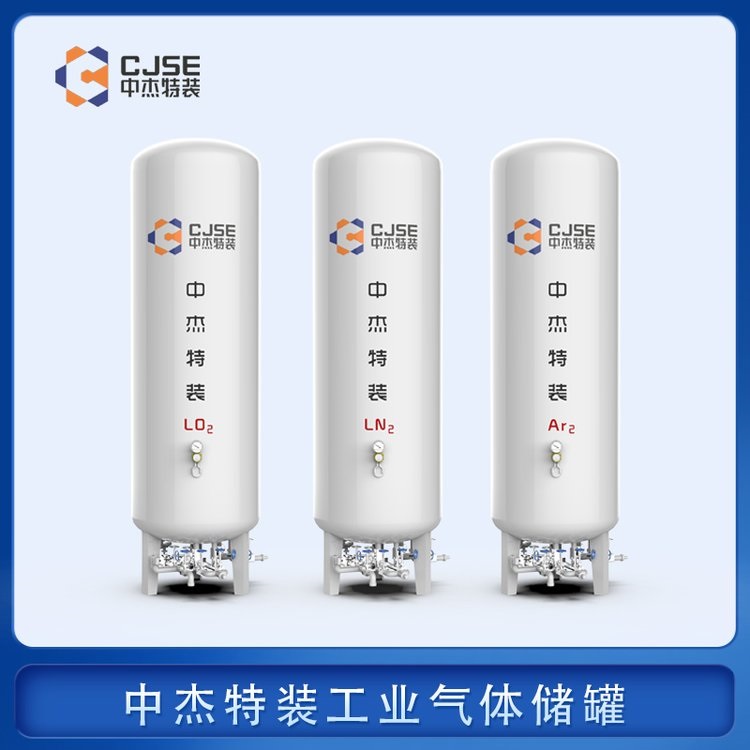
The filling process for carbon dioxide tanks typically includes the following steps:
Preparation: Ensure the tank and filling equipment are in good working order. Check the tank's appearance and valves for any damage or leaks. Inspect the filling equipment's connecting pipes and valves for looseness or leaks.
Prepare liquid carbon dioxide: Extract liquid carbon dioxide from the source and transfer it to the tank of the filling equipment. Ensure the quality and purity of the liquid carbon dioxide meet the requirements.
Connect filling equipment: Link the filling equipment's outlet pipes to the tank's inlet valve. Ensure the connections are secure and there are no leaks.
Open valves: Activate the corresponding valves on the filling equipment and the tank to allow liquid carbon dioxide to flow into the tank. Adjust the valves as needed to control the filling speed and pressure.
Monitor liquid level: Use level sensors or other level measurement devices to continuously monitor the liquid level of carbon dioxide in the tank. Ensure the level is within the safe range and avoid overfilling.
Filling complete: Once the liquid level in the tank reaches the predetermined filling amount, close the valves on the filling equipment and the tank, and stop the filling of liquid carbon dioxide.
Inspection and cleanup: Check the valves and pipe connections during the filling process for leaks. Clean up any remaining liquid carbon dioxide around the filling equipment and tank.
Documentation and reporting: Record relevant information about the filling process, including the filling date, amount, and level monitoring results. If required, submit the filling report to the relevant departments or management personnel.
The above is a general carbon dioxide tank filling process. Specific operations should be carried out according to the tank's characteristics and requirements. When performing filling operations, follow relevant safety procedures and have trained professionals conduct them.
Shandong Zhongjie Special Equipment, welcome customers to visit our factory for business discussions.
WeChat Official Account

Scan to follow Official Account



















