


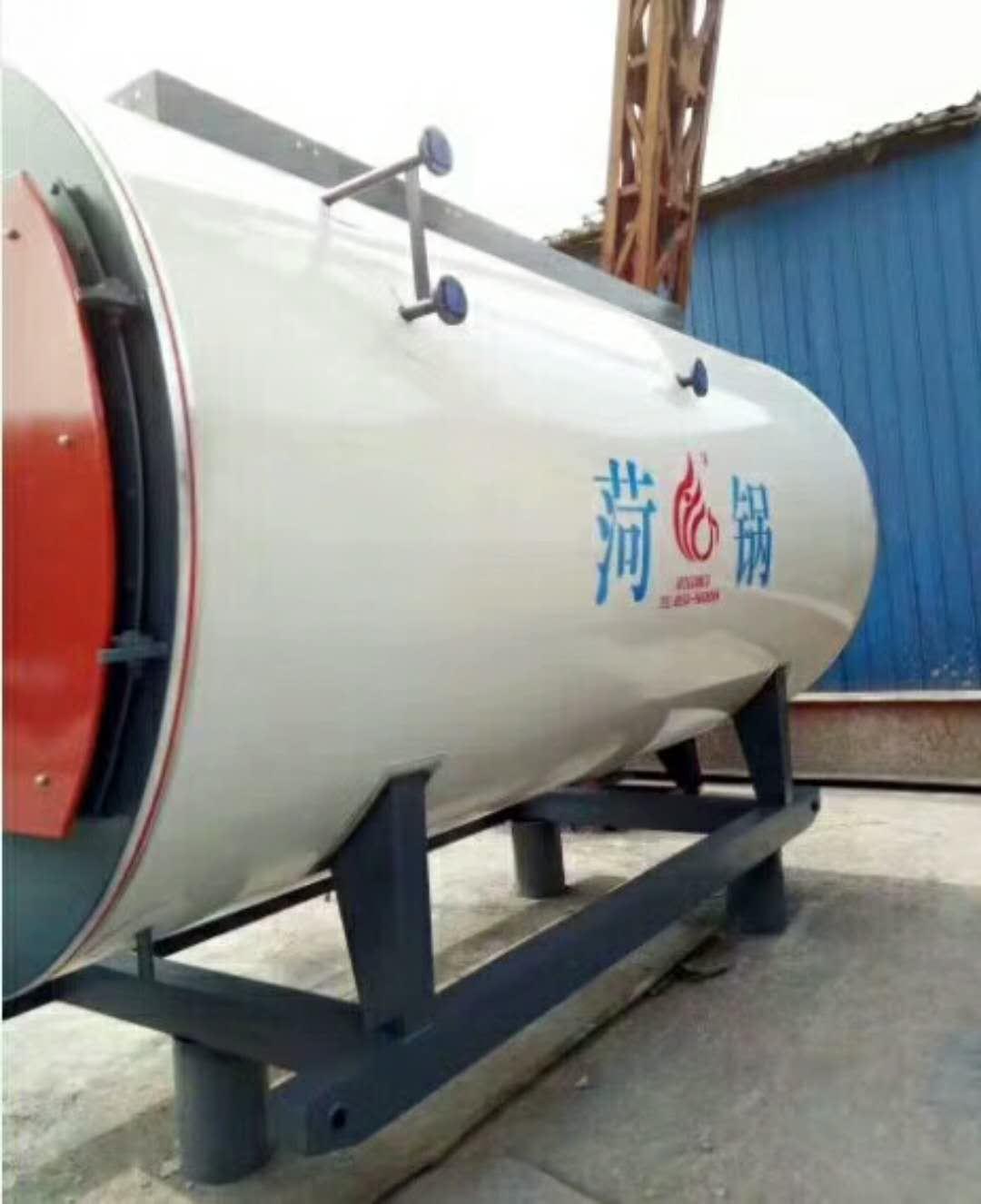

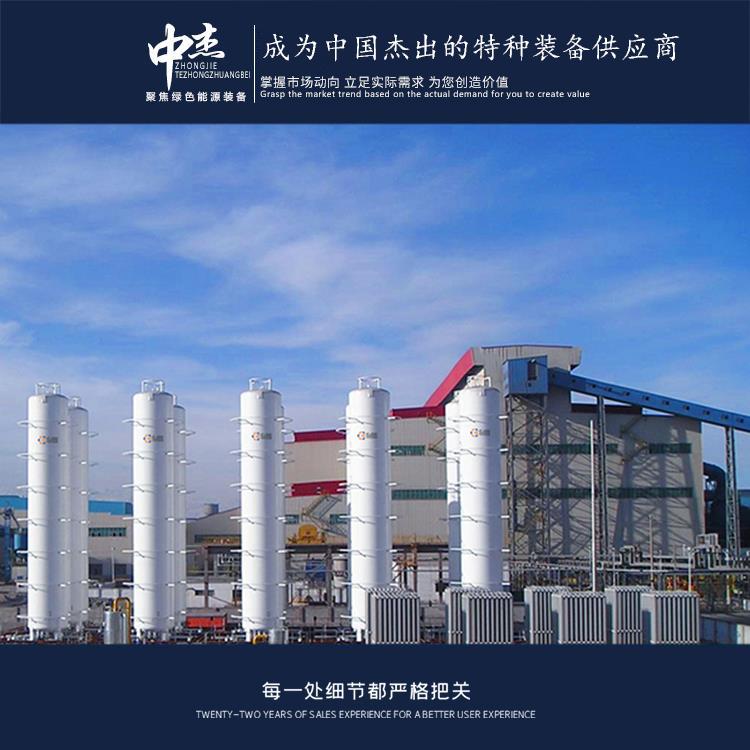
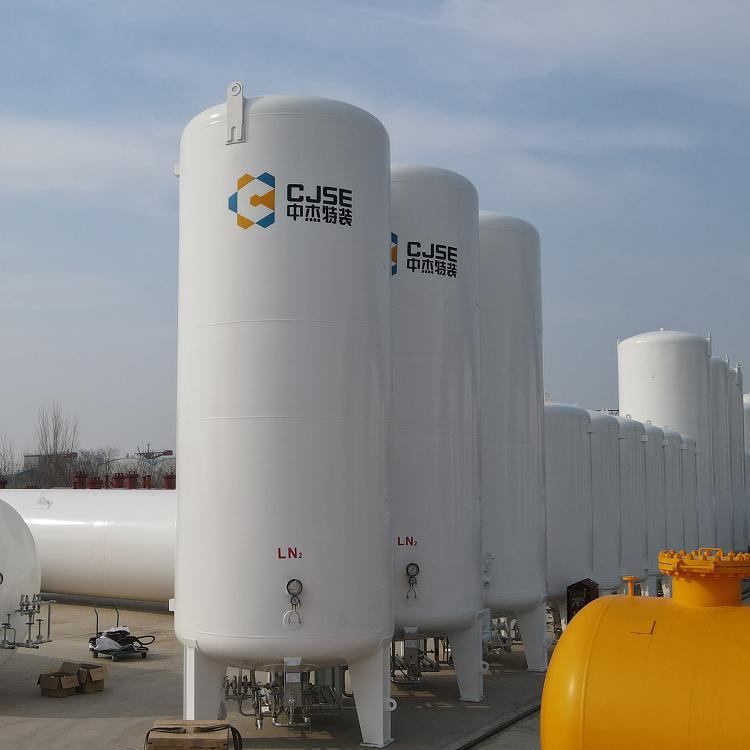


















Shandong Zhongjie Special Equipment (formerly Heze Boiler Factory Co., Ltd.) was established in 2001, located at No. 2218 Jinnan Road, Development Zone, Heze City, with a registered capital of 50 million yuan and total assets of 500 million yuan. The company has 7 business centers: boilers, deep-freeze containers, pressure vessels, central air conditioning, engineering installation, international trade, and Internet of Things. It has three factory sites on Jinnan Road, East Changjiang Road, and Bohai Road, covering a total area of 200,000 square meters, with the main workshop spanning 83,000 square meters. It currently employs 710 staff, including 247 engineers and technicians, and 82 intermediate-level technicians. In December 2016, it was recognized as a "High-tech Enterprise" by the Science and Technology Department. In June 2021, it was identified as a "Specialized and New Enterprise in Shandong Province" by the Ministry of Industry and Information Technology. In June 2022, it was recognized as a "Gazelle Enterprise in Shandong Province" and in August 2022, it was identified as a "Specialized and New Small Giant Enterprise" by the Ministry of Industry and Information Technology.
Carbon dioxide (CO2) and liquid oxygen (LOX) storage tanks are equipment used for storing different gases, with some differences in their physical properties:
- Physical State: CO2 is a gas at room temperature and requires low temperatures and high pressures to convert to a liquid. LOX is a liquid at room temperature and can remain in liquid form without special conditions.
- Storage Temperature: The liquid CO2 storage temperature typically ranges from -40°C to -78.5°C, while the liquid oxygen storage temperature usually ranges from -183°C to -183.15°C. The storage temperature for LOX is lower and requires more stringent insulation measures.
- Storage Pressure: The liquid CO2 storage pressure is generally between 5-20 MPa, while the liquid oxygen storage pressure is typically between 0.2-2 MPa. The storage pressure for LOX is lower.
- Density: The density of liquid CO2 is approximately 0.8 g/cm³, while the density of liquid oxygen is about 1.14 g/cm³. The density of liquid oxygen is greater.
- Safety: LOX has a high oxygen content, making it highly flammable and oxidizing, necessitating stricter safety measures. CO2 is relatively safe but can still pose health risks at high concentrations.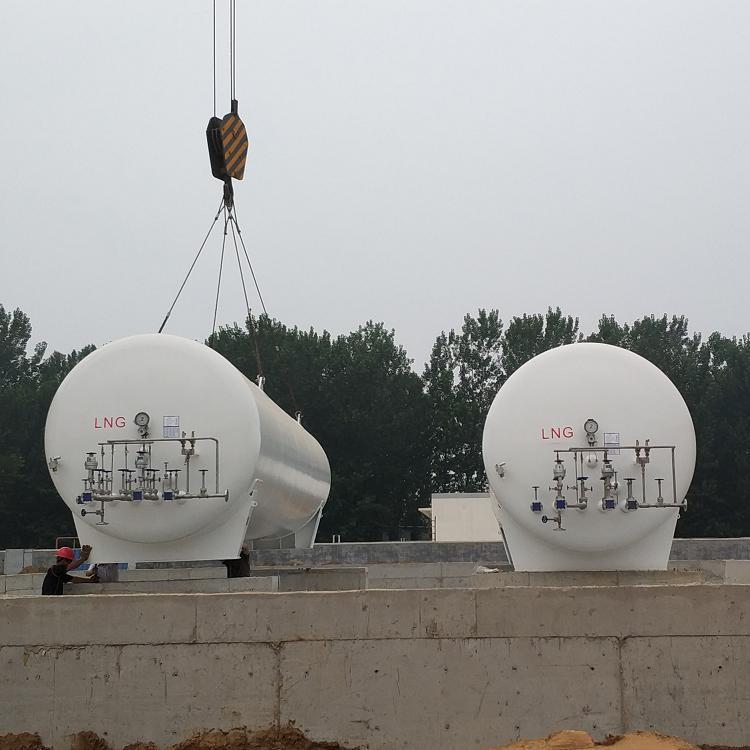
During routine inspections of carbon dioxide storage tanks, follow these steps:
- Visual Inspection: Check for any obvious damage, corrosion, or oil leakage on the tank's exterior. Pay attention to any anomalies in the tank shell, valves, and pipe connections.
- Valve and Pipe Inspection: Verify that the tank's inlets and outlets, as well as pipe connections, are functioning normally, with no leaks or loose fittings. Ensure valves operate smoothly and reliably.
- Pressure Relief Device Inspection: Check that the tank's pressure relief devices (such as safety valves) are functioning correctly. Confirm that the set pressure of the relief devices meets requirements.
- Level Measurement System Inspection: Verify the accuracy and reliability of the level measurement system. Calibrate the level sensors to ensure precise level measurements.
- Pressure and Temperature Inspection: Check that the tank's pressure and temperature sensors are operating correctly. Confirm the accuracy of pressure and temperature measurements.
- Safety Equipment Inspection: Inspect the tank's safety equipment, such as safety valves, pressure sensors, and temperature sensors, to ensure proper operation. Verify that their set parameters meet requirements.
- Fire Protection Equipment Inspection: Ensure that fire protection equipment around the tank is in good condition and that extinguishers, sprinkler systems, etc., are functioning normally.
- Liquid and Gas Quality Inspection: Ensure that the quality of carbon dioxide liquid and gas in the tank meets specifications, with no impurities or contaminants.
- Record and Report: Document the date of inspection, contents of the inspection, any issues found, and actions taken. Submit inspection reports to relevant departments or management as needed.
- These are general steps for routine inspections of carbon dioxide storage tanks. Specific procedures should be based on the tank's characteristics and requirements. During inspections, adhere to relevant safety operating procedures and have trained personnel conduct the operations.
If a leak in the CO2 storage tank is detected, the following steps should be taken immediately:
Confirm the leak location: First, identify the exact location of the leak, which can be done through auditory detection, observation, or using gas detection equipment.
Emergency response: Upon discovering a leak, implement emergency measures to ensure personnel safety. Evacuate staff to a safe area and notify relevant personnel and emergency services.
Cut off the gas supply: As soon as possible, shut off the CO2 supply source by closing valves or cutting off power to stop the supply.
Locate the leak: In a safe environment, use gas detection equipment or visual inspection to find the leak. Apply soap solution or other leak detection agents to potential leak points and observe for bubble formation.
Seal the leaks: Once the leak location is confirmed, take temporary sealing measures using tape, sealant, or other reliable sealing materials for temporary repair. Ensure the sealing is secure and effective in preventing gas leakage.
Repair and restoration: In a safe condition, carry out further repairs and restoration. Depending on the specific situation of the leak, it may be necessary to replace seals, repair or replace valves, etc. These repairs should be performed by trained personnel.
Inspection and testing: After repairs, conduct leak detection and testing to ensure the leak has been fully repaired and the tank's safety performance has returned to normal.
It is important to handle CO2 storage tank leaks with caution and follow relevant safety regulations and procedures. If you lack the necessary knowledge and skills, contact a professional for assistance.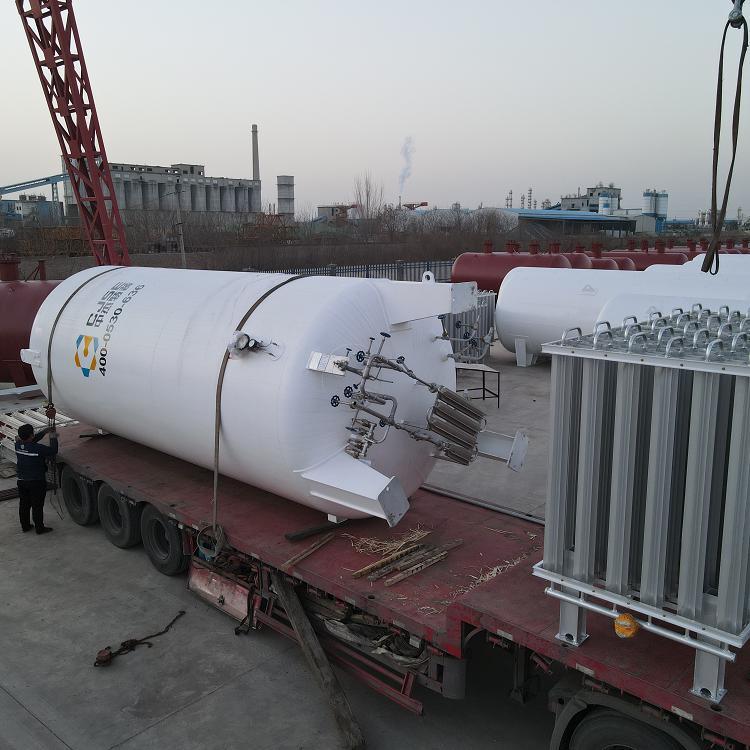
Carbon dioxide storage tanks offer several advantages:
- High storage density: These tanks can compress carbon dioxide gas into a liquid state, significantly increasing storage density. Compared to storing in gas form, liquid carbon dioxide can store more CO2 in a smaller tank, saving space and costs.
- Multiple applications: Carbon dioxide storage tanks are widely used in various fields, including the food and beverage industry, manufacturing, fire suppression, and gas supply. CO2 serves as a preservative, carbonation agent, gas, and extinguishing agent, with extensive applications and market demand.
- Environmental and renewable: Carbon dioxide is an environmentally friendly gas, and its increased concentration in the atmosphere contributes to warming and climate change. By storing and utilizing CO2, we can reduce its emissions into the atmosphere, promoting environmental protection and sustainable development.
- Safe and reliable: During design and manufacturing, carbon dioxide storage tanks typically use high-strength materials (such as carbon steel or stainless steel) with excellent pressure resistance and safety. The tanks are usually equipped with safety valves, pressure gauges, level indicators, and other accessories to ensure safe operation. Additionally, CO2 is non-flammable and non-explosive, making it relatively safe.
- Supply: Carbon dioxide storage tanks provide a stable supply of CO2. Through tank design and control systems, precise measurement and supply of CO2 can be achieved, meeting the needs of various industries and applications.
These advantages make carbon dioxide storage tanks a crucial storage and supply equipment, widely used across multiple industries. However, it is still necessary to follow relevant safety operation procedures and standards when using carbon dioxide storage tanks to ensure safe operation and use.
Zhongjie Special Equipment adheres to the great vision of "Realizing employees' dreams, creating value for customers, and striving for the prosperity and strength of our motherland," and is dedicated to the development of green energy equipment. We contribute to society with products and services that offer high value for money!
WeChat Official Account

Scan to follow Official Account



















