


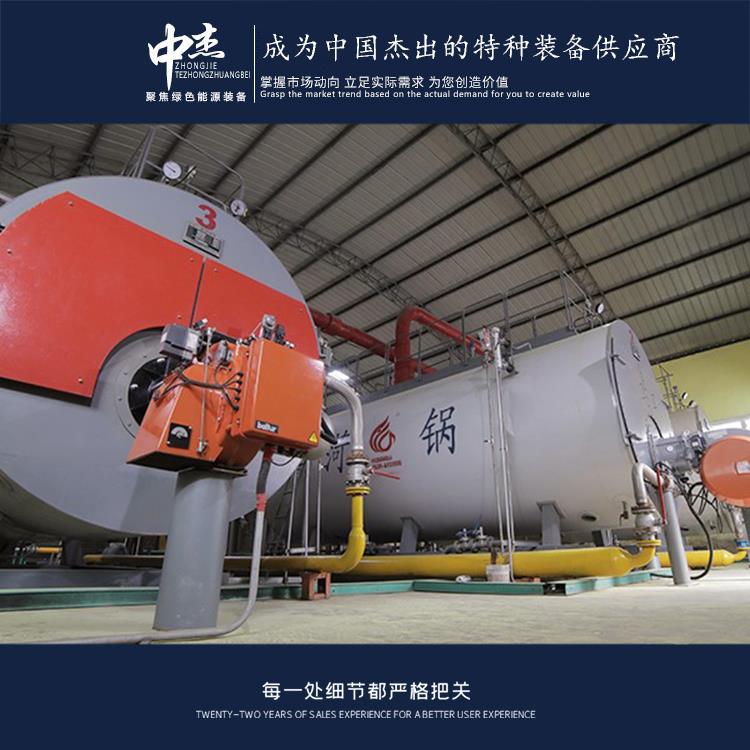

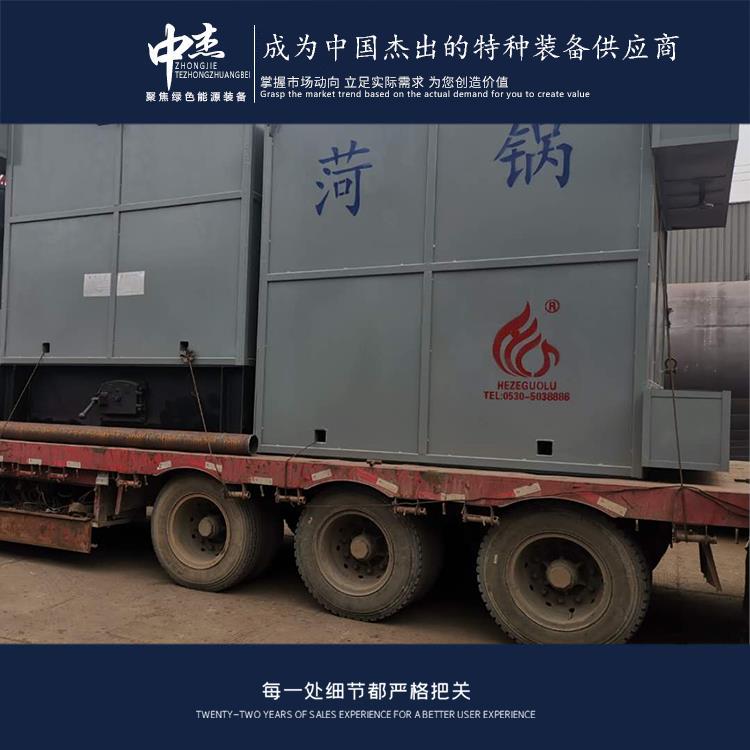
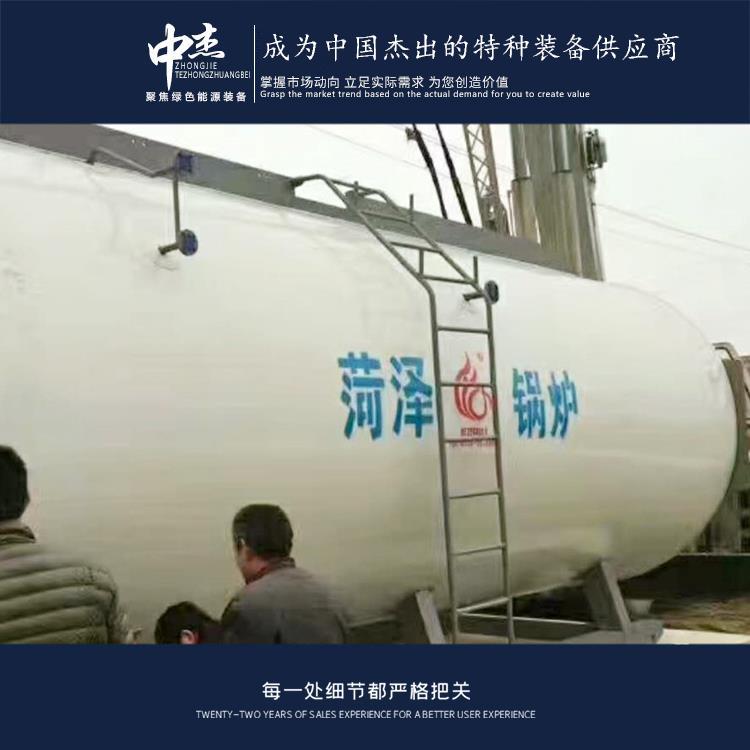


















Shandong Zhongjie Special Equipment Co., Ltd. (formerly Heze Boiler Factory Co., Ltd.) was established in 2001, located at No. 2218 Jinnan Road, Development Zone, Heze City, with a registered capital of 50 million yuan and total assets of 500 million yuan. The company has 7 business centers: boilers, deep-freeze containers, pressure vessels, central air conditioning, engineering installation, international trade, and the Internet of Things. It has three factory sites on Jinnan Road, East Changjiang Road, and Bohai Road, covering a total area of 200,000 square meters, with the main workshop spanning 83,000 square meters. It currently employs 710 people, including 247 engineering and technical staff and 82 intermediate-level technicians. In December 2016, it was recognized as a "High-Tech Enterprise" by the Science and Technology Department. In June 2021, it was identified as a "Specialized and New Enterprise of Shandong Province" by the Ministry of Industry and Information Technology. In June 2022, it was recognized as a "Gazelle Enterprise of Shandong Province" and in August 2022, it was identified as a "Specialized and New Small Giant Enterprise" by the Ministry of Industry and Information Technology.
When using a thermal oil furnace with gas, the following points should be noted:
- Safe Operation: A thermal oil furnace is a high-temperature equipment, and safety must be a priority during operation. Operators should be familiar with the equipment's operation procedures and safety precautions, wear necessary personal protective equipment, and ensure safe operation.
- Gas Supply: A stable gas supply is required for the thermal oil furnace. Before use, check if the gas pipeline is clear and the gas valve is open to ensure normal gas supply.
- Thermal Oil Circulation: The thermal oil furnace needs to circulate the thermal oil to the heat source equipment through a circulating pump. Before use, inspect the pump's operation to ensure it is functioning properly.
- Temperature Control: A thermal oil furnace typically requires a temperature control system to regulate the temperature of the thermal oil. Before use, check the settings and adjustments of the temperature control system to ensure accurate and reliable control.
- Regular Maintenance: Regular maintenance and upkeep are necessary for a thermal oil furnace, including cleaning the burner, checking the sealing of pipes and valves, and replacing worn parts. Regular maintenance ensures the equipment operates smoothly and extends its lifespan.
- Environmental Protection: During combustion, thermal oil furnaces produce exhaust gases, so it's important to ensure proper exhaust emissions. Appropriate exhaust treatment measures, such as flue gas purification equipment, can be taken to minimize environmental impact.
- The above are some safety considerations when using a thermal oil furnace with gas. To ensure safety and proper equipment operation, it is recommended to follow relevant operational procedures and safety requirements, and to conduct regular maintenance and inspections. If necessary, consult with the manufacturer or engineer of the thermal oil furnace.
Yes, thermal oil boilers typically come with some self-protection features to ensure safe operation and prolong their service life. Here are some common self-protection functions: Overheat Protection: Thermal oil boilers are equipped with an overheat protection device that automatically cuts off the burner's gas supply when the thermal oil temperature exceeds the set safe range, preventing overheating of the thermal oil and avoiding equipment damage and safety accidents. Overpressure Protection: Thermal oil boilers also have an overpressure protection device that automatically cuts off the burner's gas supply when the thermal oil pressure exceeds the set safe range, preventing the thermal oil system from exploding or leaking. Burner Automatic Control: The burners of thermal oil boilers are usually equipped with an automatic control system that can automatically adjust gas supply and combustion effects based on set working parameters, maintaining a stable combustion state and avoiding incomplete combustion or excessive combustion. Temperature Control and Adjustment: Thermal oil boilers are typically equipped with temperature control and adjustment devices that can automatically regulate the circulation and heating of the thermal oil based on the set working temperature, maintaining a stable working temperature and avoiding both high and low temperatures. Water Level Protection: Some thermal oil boilers, especially water tube boilers, also have water level protection devices that can monitor the water levels of the thermal oil and water. When water levels are abnormal, the protection device automatically cuts off the burner's gas supply to prevent dry burning and thermal oil leakage. It is important to note that while thermal oil boilers have self-protection features, they still require regular inspections and maintenance to ensure the normal operation and reliability of these protection devices. Additionally, operators need to understand and master the working principles and operation methods of these self-protection features to ensure safe operation.
When designing a fuel-gas boiler room, the following points should be taken into consideration:
Safety Considerations: Ensure that the boiler room design complies with relevant safety standards and regulations. Consider fire risks and install appropriate firewalls, fire doors, and fire isolation equipment. Ensure good ventilation in the boiler room with suitable ventilation equipment and flue systems to expel harmful gases produced by combustion.
Space and Layout: Plan the space and layout of the boiler room based on the number and size of the boilers. Ensure there is ample space for operation, maintenance, and cleaning. Arrange the boilers, fuel storage equipment, flue systems, and pipe layouts in a way that facilitates operation and maintenance.
Fuel Supply and Storage: Consider the requirements for fuel supply and storage. Ensure the safety and reliability of fuel supply pipelines and equipment to avoid leaks and contamination. Plan the capacity and location of fuel storage equipment rationally to ensure sufficient fuel supply and compliance with safety requirements.
Emission and Exhaust Gas Treatment: Consider the emissions and treatment of exhaust gases produced by combustion. Install appropriate flue systems and exhaust gas treatment equipment to reduce the impact of emissions on the environment. Ensure that the design and layout of the flue system are reasonable and can effectively expel smoke and exhaust gases.
Control and Monitoring Systems: Design appropriate control and monitoring systems to ensure the safety and operation of the boiler. This includes monitoring and control equipment for parameters such as temperature, pressure, and flow, as well as alarm and automatic shutdown devices. Ensure that operators can promptly understand the operating status of the boiler and take necessary actions.
In textile processing factories, common types of boilers include the following:
- Steam Boilers: Steam boilers are one of the most commonly used types in textile processing. They produce high-pressure, high-temperature steam, which is used for thermal treatments, dyeing, boiling, and other processes in textile manufacturing. Steam boilers offer advantages such as rapid heating, high efficiency, and stability.
- Hot Water Boilers: Hot water boilers are suitable for low-temperature textile processing techniques like washing and drying. They provide a stable supply of hot water with high temperature control accuracy and low energy consumption.
- Hot Air Furnaces: Hot air furnaces are used for drying processes in textile manufacturing. They transfer heat energy to textiles through the hot air produced by combustion, achieving quick drying. Hot air furnaces have the advantages of fast heating and high thermal efficiency.
When selecting the appropriate boiler type for a textile processing factory, consider the following factors:
- Processing Requirements: Determine the required heat medium (steam, hot water, hot air) and parameters such as working temperature and pressure based on the specific processing needs of the factory.
- Energy Costs and Efficiency: Consider the energy consumption and efficiency of different boiler types to choose one that meets processing requirements and has high energy utilization efficiency.
- Environmental Requirements: Pay attention to the emission standards and environmental performance of the boilers, and select the appropriate type accordingly.
Maintenance:
Shandong Zhongjie Special Equipment, welcome customers to our factory for business discussions.
WeChat Official Account

Scan to follow Official Account



















