





















Shandong Zhongjie Special Equipment Co., Ltd. (formerly Heze Boiler Factory Co., Ltd.) was established in 2001, located at No. 2218 Jinnan Road, Development Zone, Heze City, with a registered capital of 50 million yuan and total assets of 500 million yuan. The company has 7 business centers: boilers, deep-freezing vessels, pressure vessels, central air conditioning, engineering installation, international trade, and the Internet of Things. It has three factory sites on Jinnan Road, East Changjiang Road, and Bohai Road, covering a total of 200,000 square meters. The main workshop spans 83,000 square meters. There are currently 710 employees, including 247 engineering and technical personnel and 82 intermediate-level technicians. In December 2016, it was recognized as a "High-tech Enterprise" by the Science and Technology Department. In June 2021, it was identified as a "Specialized and New Enterprise in Shandong Province" by the Ministry of Industry and Information Technology. In June 2022, it was recognized as a "Gazelle Enterprise in Shandong Province" and in August 2022, as a "Specialized and New Small Giant Enterprise" by the Ministry of Industry and Information Technology.
A biomass organic heat carrier boiler is a boiler equipment that utilizes biomass as fuel and transfers heat energy through an organic heat carrier. Compared to traditional steam boilers, the biomass organic heat carrier boiler has the following performance advantages:
High thermal efficiency: The biomass organic thermal carrier boiler uses organic thermal carriers as heat transfer mediums, offering high heat transfer efficiency. Organic thermal carriers can achieve liquid heat transfer at low temperatures, resulting in minimal heat loss and allowing for more efficient utilization of fuel's thermal energy, thereby enhancing thermal efficiency.
Flexibility: The biomass organic heat carrier boiler is suitable for various biomass fuels, such as sawdust, straw, etc. Due to the abundance of biomass resources, different biomass fuels can be selected according to actual conditions, enhancing the substitutability and flexibility of the fuel.
Environmental Protection: The biomass organic heat carrier boiler produces relatively less waste gas and slag during the combustion process, with low levels of pollutants emitted. The biomass fuel itself has low nitrogen content. The waste slag from combustion can be reused as organic fertilizer or biomass fuel, reducing environmental pollution.
Safety: The biomass organic heat carrier boiler uses organic heat carriers as the heat transfer medium, featuring lower working pressure, thereby reducing safety risks during the boiler's operation. Additionally, compared to fossil fuels, biomass fuel has a lower risk of explosion and fire during combustion.
Renewability: Biomass organic thermal carrier boilers use biomass as fuel, which is a renewable resource that can be continuously replenished through planting and cultivation. Compared to fossil fuels, the use of biomass fuel has a smaller environmental impact, promoting sustainable development.
Biomass boiler combustion offers the following energy-saving features compared to traditional fuel boilers:
Combustion: The combustion technology and design of biomass boilers enable the combustion of biomass fuel. Compared to traditional fuel boilers, biomass boilers offer higher combustion efficiency, fully utilizing the energy of the fuel and reducing energy waste.
Heat Recovery Utilization: Biomass boilers are equipped with a heat recovery system that can utilize the excess heat produced by combustion for heating systems, enhancing energy efficiency. The heat from flue gases in traditional fuel boilers is often wasted, but biomass boilers can recover and utilize the heat from flue gases, reducing energy waste.
Renewable Energy Utilization: Biomass boilers utilize renewable biomass fuels such as wood chips, straw, and discarded crops, reducing dependence on finite fossil fuel resources. Compared to traditional fuel boilers, biomass boilers have a more sustainable fuel source, enabling the sustainable use of energy.
Carbon Emission Reduction: The combustion of biomass fuel results in lower carbon emissions compared to traditional fuel boilers. The use of biomass boilers reduces carbon emissions and is more environmentally friendly, as it cuts down on greenhouse gas emissions.
Waste Utilization: Biomass boilers can use agricultural residues like straw and wood waste as fuel, effectively utilizing waste resources and reducing resource waste. Compared to traditional fuel boilers, biomass boilers have a more diverse fuel source and can achieve effective utilization of waste.
Control methods for biomass boiler combustion systems can include the following aspects:
Fuel Supply Control: Regulate the supply volume and speed of biomass fuel to ensure stable fuel supply. This can be achieved by controlling the speed of the feeding machine or adjusting the opening of the feeding valve.
Air Supply Control: Regulate the air supply during the combustion process to ensure complete fuel combustion. Air supply can be controlled by adjusting the speed of the fan or the opening of the air gate.
Combustion Temperature Control: Monitor and control the furnace temperature during the combustion process to maintain the combustion temperature within an appropriate range. The combustion temperature can be controlled by adjusting the air flow rate, fuel supply, and fuel distribution.
Combustion Process Monitoring: By installing temperature, pressure, and oxygen content sensors, etc., we can monitor parameters such as temperature, pressure, and oxygen content in real-time during the combustion process, promptly detect any anomalies, and make adjustments.
Flue Gas Emission Control: Monitor and control pollutants in flue gas emissions to ensure environmental protection during the combustion process. This can be achieved by installing flue gas analyzers and emission control devices, adjusting combustion parameters and flue gas treatment equipment, thereby reducing pollutant emissions.
Automated Control Systems: Our systems employ an automated control system for comprehensive control and monitoring of biomass boiler combustion. Utilizing PLC controllers, touchscreens, and other equipment, we achieve automatic parameter adjustment and operational status monitoring, enhancing the stability and efficiency of the combustion system.
In summary, through the provision of reasonable fuel supply, air supply, control of combustion temperature, as well as monitoring and automated control of the combustion process, the stable operation of the biomass boiler combustion system can be achieved.
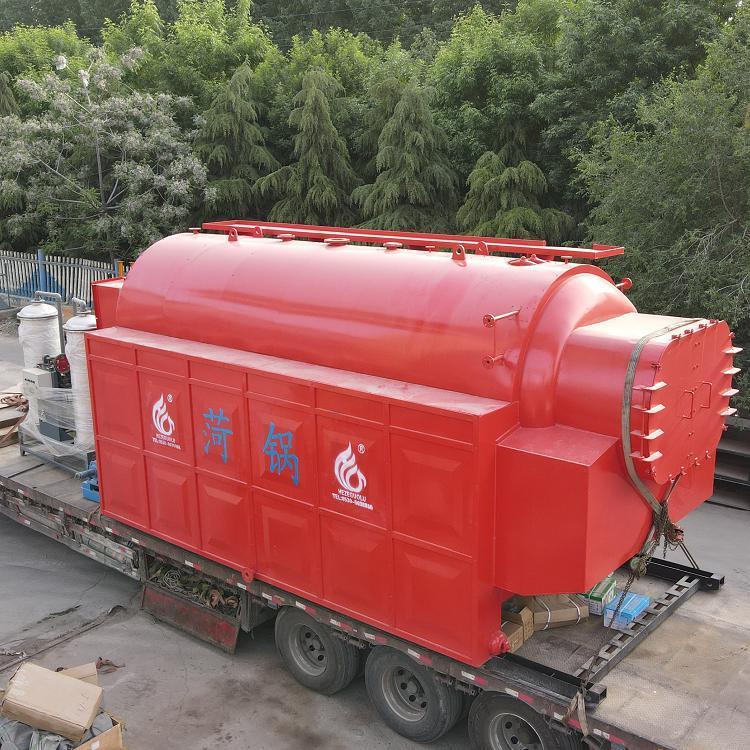
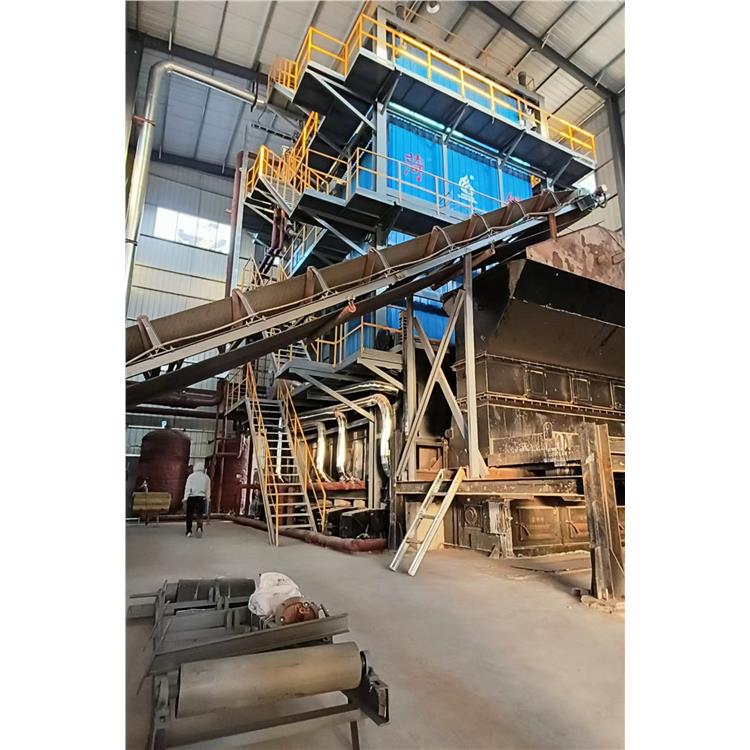
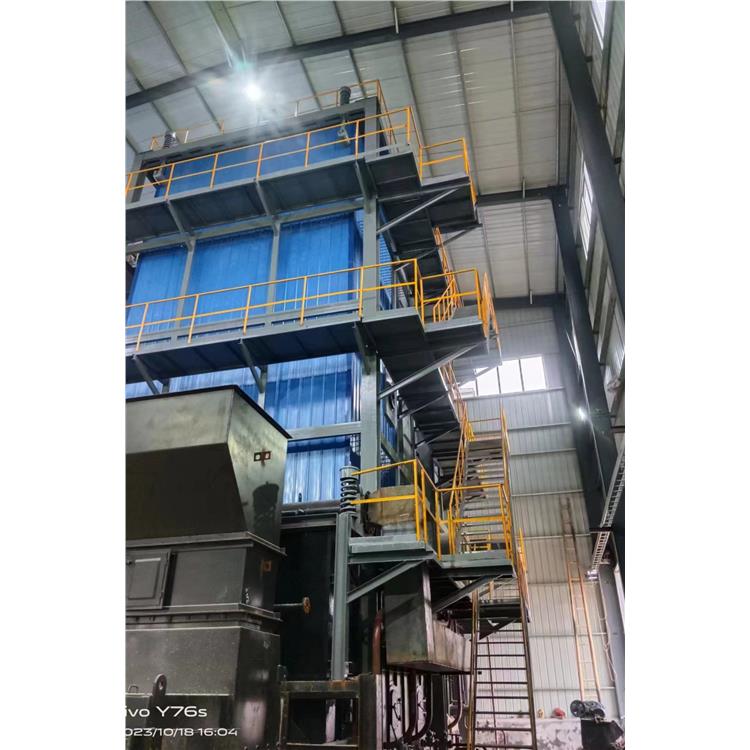
The Zhongjie special-purpose biomass boiler body boasts the following technical advantages:
Our combustion technology: The Zhongjie biomass boiler utilizes advanced combustion technologies such as fluidized bed combustion and chain grate combustion, enabling the combustion of biomass fuel. It boasts high combustion efficiency and high thermal energy utilization, reducing energy waste.
Multiple Fuel Compatibility: The Zhongjie customized biomass boiler is adaptable to various biomass fuels such as wood chips, straw, and waste crops, showcasing strong fuel versatility. Suitable fuels can be chosen based on actual conditions to achieve diversified energy utilization.
Heat Exchanger Design: The heat exchangers for Zhongjie's biomass boiler installations feature a design that maximizes the utilization of flue gas heat energy, enhancing thermal efficiency. The material and structural design of the heat exchangers have been optimized for enhanced heat conduction and exchange.
The control system: The control system of the Zhongjie biomass boiler equipped with advanced technology ensures precise control and adjustment of parameters such as temperature, pressure, and fuel supply. It features safety protection functions, including overheat protection and low water level protection, to ensure the safe operation of the boiler.
Low Emission Environmental Protection: The Zhongjie special-purpose biomass boiler utilizes advanced combustion and purification technologies, effectively controlling emissions such as particulates and nitrogen oxides during the combustion process. It boasts lower carbon and environmental pollutant emissions.
High reliability and stability: The materials and processes used in ZJET's biomass boiler assembly offer excellent durability and stability. Rigorous quality control and testing ensure the boiler's high reliability and long-term stable operation.
Our company highly values technological innovation and R&D design. We have one city-level technical center in Heze City, equipped with non-destructive testing, physical and chemical testing, welding testing, hydrostatic testing, and other testing facilities. We have over 600 pieces of various equipment such as CNC machine tools, X-ray flaw detectors, digital ultrasonic flaw detectors, mechanical property testing machines, chemical analyzers, spectrometers, tensile testing machines, and plasma welding machines. Our key products and technologies, such as temperature and pressure vessel welding, biomass boiler emission reduction, and waste heat utilization, have successively been included in multiple Shandong Provincial Department of Industry and Information Technology innovation projects, Shandong Provincial key projects, and Heze City innovation and excellence projects. We have accumulated a total of 27 authorized utility models, 16 authorized inventions, participated in drafting 2 standards, 2 industry standards, and registered 15 trademarks. Our technical team, in collaboration with Professor Yajiang Li from Shandong University, has developed deep cryogenic vessel processing technology using the international plasma arc + filler wire tungsten inert gas arc welding (PAW-GTAW) technique. After provincial technological achievement identification, our technology level has reached international standards in the field of deep cryogenic vessel manufacturing. Choose Zhongjie Special Equipment, let's join hands to create brilliance!
WeChat Official Account

Scan to follow Official Account



















