


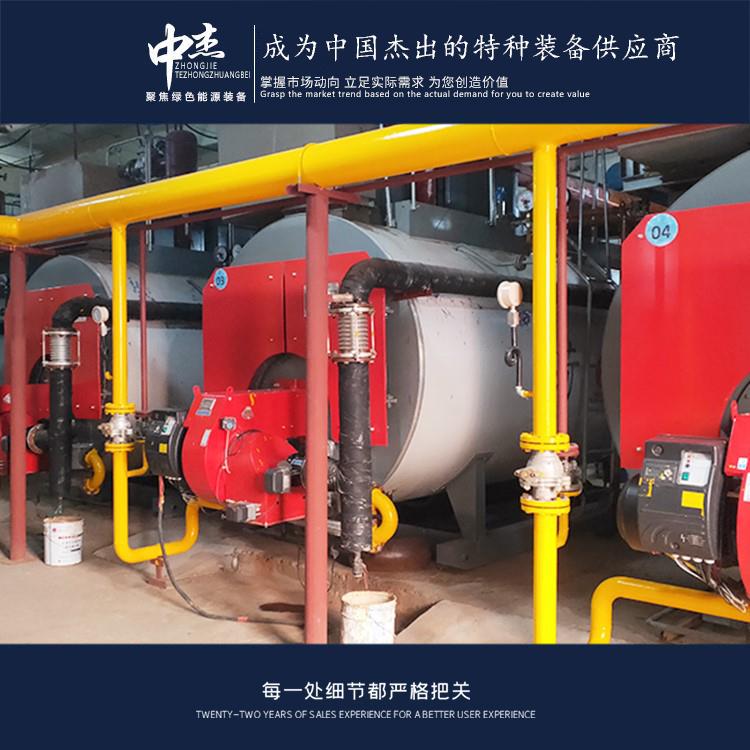

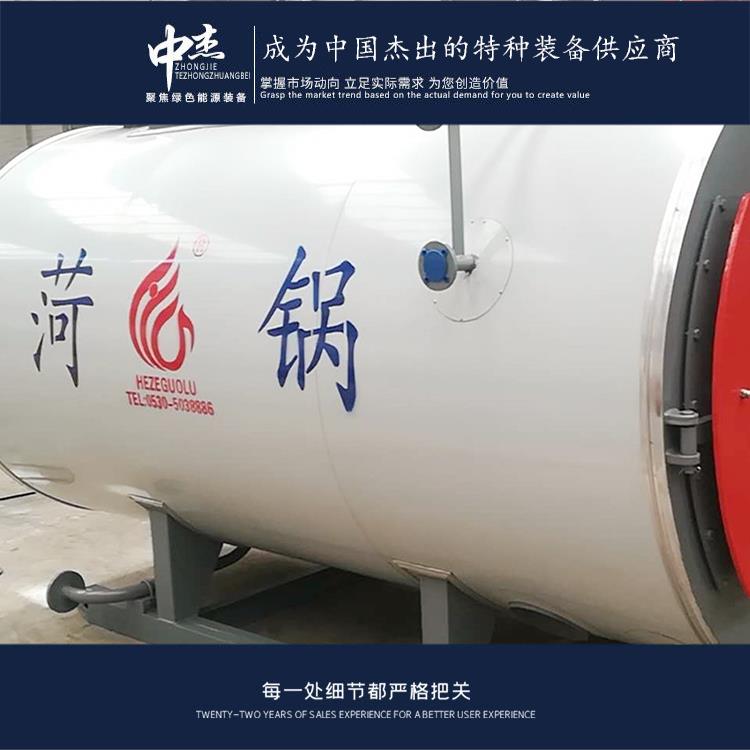
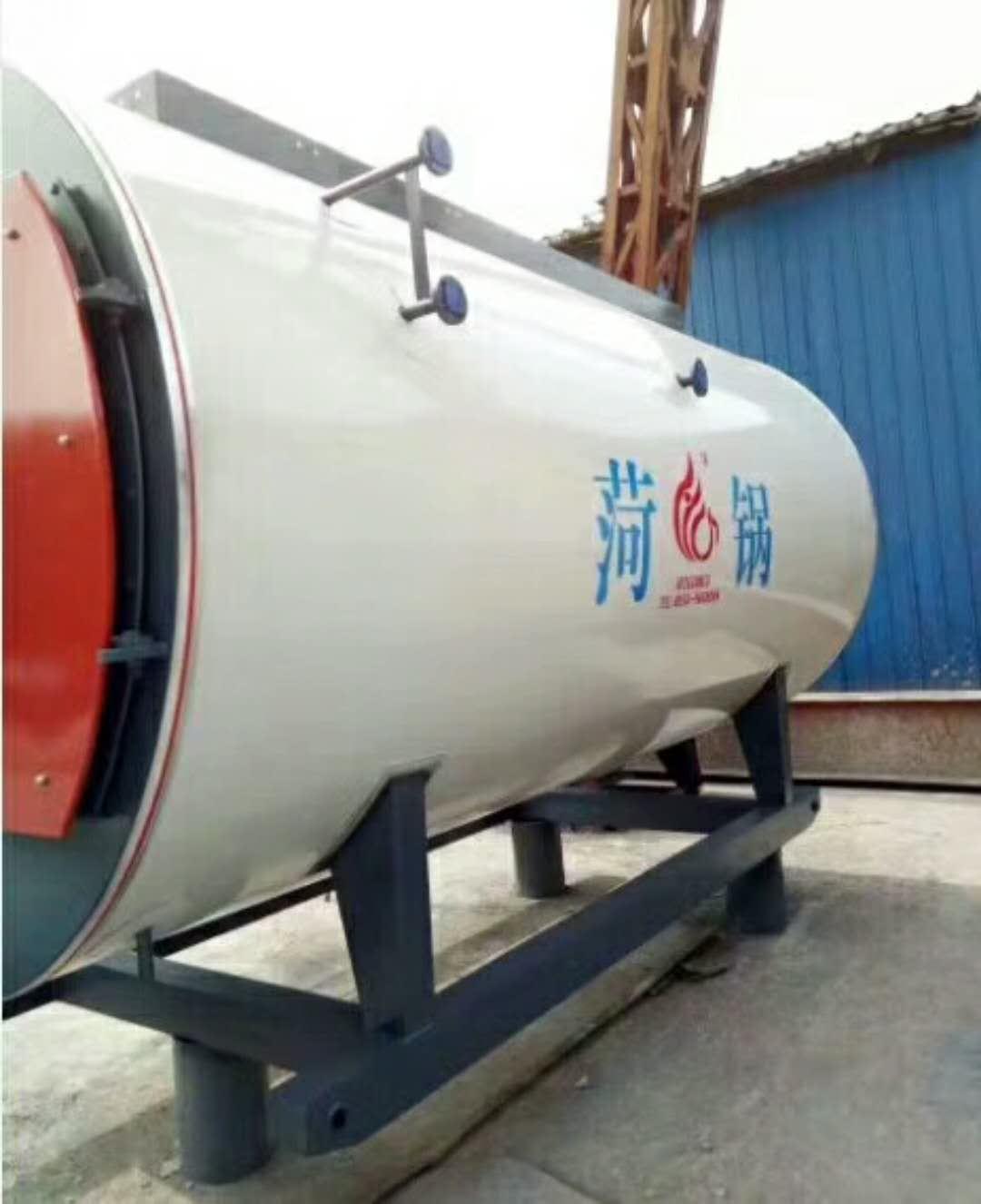


















Shandong Zhongjie Special Equipment (formerly Heze Boiler Factory Co., Ltd.) was established in 2001, located at No. 2218 Jinnan Road, Economic and Technological Development Zone, Heze City, with a registered capital of 50 million yuan and total assets of 500 million yuan. The company has 7 business centers: boilers, deep-freeze containers, pressure vessels, central air conditioning, engineering installation, international trade, and Internet of Things. It has three factory sites on Jinnan Road, East Changjiang Road, and Bohai Road, covering a total area of 200,000 square meters, with the main workshop area being 83,000 square meters. It currently employs 710 people, including 247 engineering technicians and 82 middle-level technicians. In December 2016, it was recognized as a "High-tech Enterprise" by the Science and Technology Department. In June 2021, it was identified as a "Specialized and New Enterprise in Shandong Province" by the Ministry of Industry and Information Technology. In June 2022, it was recognized as a "Gazelle Enterprise in Shandong Province" and in August 2022, it was identified as a "Specialized and New Small Giant Enterprise" by the Ministry of Industry and Information Technology.
After the hot water boiler is shut down, here are some common maintenance measures:
1. Clean the boiler: After shutdown, the boiler should be cleaned first. Dust, dirt, and sediments inside the boiler can be washed with appropriate cleaning tools and detergents. Pay special attention to cleaning the combustion chamber, flue, and heat exchanger, among other critical areas.
2. Drain the water: Empty the water from the boiler to prevent the accumulation of scale and corrosive substances. Open the drain valve to release the water until the interior of the boiler is completely drained.
3. Corrosion prevention: Before shutdown, apply corrosion prevention to the boiler's internal metal materials to prevent corrosion. Use suitable corrosion inhibitors or coatings and apply them to the key areas of the boiler.
4. Inspection and maintenance: During shutdown, regularly inspect the various components and connections of the boiler to ensure there are no loose, damaged, or leaking issues. If problems are found, repair or replace them promptly.
5. Keep dry: After shutdown, maintain the dryness inside the boiler. Open the ventilation and exhaust ports of the boiler to ensure air circulation, preventing dampness and the growth of mold.
6. Regular inspections: Regularly check the boiler's condition to ensure there are no abnormalities. Develop a corresponding inspection plan based on the boiler's usage and requirements, such as a comprehensive check every quarter or year.
7. Preparations before startup: Before restarting the boiler, perform the necessary preparatory work. This includes cleaning the boiler, checking the connections of equipment and pipelines, and inspecting the fuel supply.
The necessity of flow control in thermal oil heaters is primarily reflected in the following aspects:
1. Heat Transfer Efficiency: The heat transfer efficiency of thermal oil heaters is closely related to the flow rate of the thermal oil. An appropriate flow rate ensures that heat is fully transferred in the heat exchanger, enhancing the efficiency of heat utilization. An excessively low flow rate may lead to insufficient heat exchange and affect the heat transfer effect; conversely, an overly high flow rate will increase energy consumption and operating costs.
2. Temperature Control: Flow control in thermal oil heaters is also closely linked to temperature control. By adjusting the flow rate of the thermal oil, the temperature inside the furnace can be controlled, ensuring stable operation within the set working temperature range. An excessively low flow rate may cause temperatures to rise too high, while an overly high flow rate may result in temperatures falling too low, both of which can affect the normal operation of the equipment.
3. System Stability: Appropriate flow rates of thermal oil can improve system stability. Through flow control, the supply and demand of heat can be balanced, avoiding overheating or cooling, and maintaining stable system operation. Stable operation helps extend the service life of the equipment and reduce the frequency of malfunctions and repairs.
4. Safety: Flow control in thermal oil heaters is also closely related to safety. Appropriate flow control can prevent excessive accumulation of thermal oil in the system, reducing the risk of leaks and explosions. Additionally, flow control ensures that the system pressure remains within a safe range, avoiding overpressure and other safety issues.
In summary, flow control in thermal oil heaters is essential for improving heat transfer efficiency, temperature control, system stability, and safety. Rational flow control can optimize the operation of thermal oil heaters, enhance energy utilization efficiency, reduce operating costs, and ensure safe and stable equipment operation.
The inspection of the heat-conducting oil boiler tube plates is to ensure the safe operation of the boiler and prevent potential issues. The following are general steps for the inspection of heat-conducting oil boiler tube plates:
- Visual Inspection: Conduct a visual examination to check for any obvious corrosion, cracks, deformation, or other anomalies on the surface of the tube plate. Pay special attention to checking for cracks or leaks at the welds and joints.
- Clean the Tube Plate: Thoroughly clean the surface of the tube plate to remove dirt and deposits for easier inspection.
- Ultrasonic Testing: Use an ultrasonic testing instrument to inspect the tube plate to detect any possible cracks or other defects. Ultrasonic testing can help determine the integrity and reliability of the tube plate.
- Pressure Test: Perform a pressure test to verify the sealing and pressure resistance of the tube plate. Gradually increase the pressure during the test, observe for any leakage, and ensure the tube plate can withstand the design pressure.
- Tube Plate Thickness Measurement: Use an ultrasonic thickness gauge to measure the thickness of the tube plate to determine if it meets the design requirements. Pay particular attention to the corrosion condition, ensuring it remains within safe limits.
- Weld Inspection: Inspect the welds of the tube plate to ensure the quality of the welds meets relevant standards and specifications. Check the integrity of the welds, the quality of the weld, and whether the welding process meets requirements.
- Documentation and Reporting: Document and report the inspection results of the tube plate, including any issues found, corrective measures, and recommendations. These records and reports can serve as references for future maintenance and management.
Note that the inspection of heat-conducting oil boiler tube plates should be carried out by qualified personnel and performed strictly in accordance with relevant standards and specifications. If any issues or anomalies are found, appropriate repair and maintenance measures should be taken promptly to ensure the safe operation of the boiler.
When addressing issues with gas boilers during the heating process, consider the following aspects:
- Check the gas supply: Ensure the gas supply is normal and inspect for any blockages or leaks in the gas pipelines. If problems are found, repair or replace the gas pipeline promptly.
- Clean the burners and combustion chamber: Regularly clean the burners and combustion chamber to remove dust and grime. This improves combustion efficiency and reduces gas waste.
- Check and adjust the gas-to-air ratio: Ensure the gas-to-air ratio is appropriate for optimal combustion. An incorrect ratio can lead to incomplete combustion or excessive exhaust.
- Inspect and clean the heat exchanger: Regularly inspect and clean the heat exchanger to remove dust and grime. This enhances heat exchange efficiency and ensures effective heat transfer to the heating system.
- Check and maintain the circulating pump and valves: Ensure the circulating pump and valves operate properly to allow smooth flow of hot water or steam to the heating system.
- Inspect and maintain the control system: Ensure the control system of the gas boiler operates correctly, allowing accurate control of parameters such as temperature, pressure, and flow. If issues arise, repair or replace the controller promptly.
- Regular maintenance: Conduct regular maintenance on the gas boiler, including cleaning, lubricating, and securing bolts. This extends the boiler's lifespan and reduces the occurrence of malfunctions.
- Training and awareness enhancement: Provide staff training to strengthen awareness of operating and maintaining gas boilers. Enhanced knowledge and skills contribute to better management and problem-solving during the heating process.
- If issues cannot be resolved or there are safety
Zhongjie Special Equipment upholds the grand vision of "realizing employees' dreams, creating value for customers, and striving for the prosperity and strength of our motherland," and is dedicated to the development of the green energy equipment industry. We commit to society with high-quality, cost-effective products and services!
WeChat Official Account

Scan to follow Official Account



















