


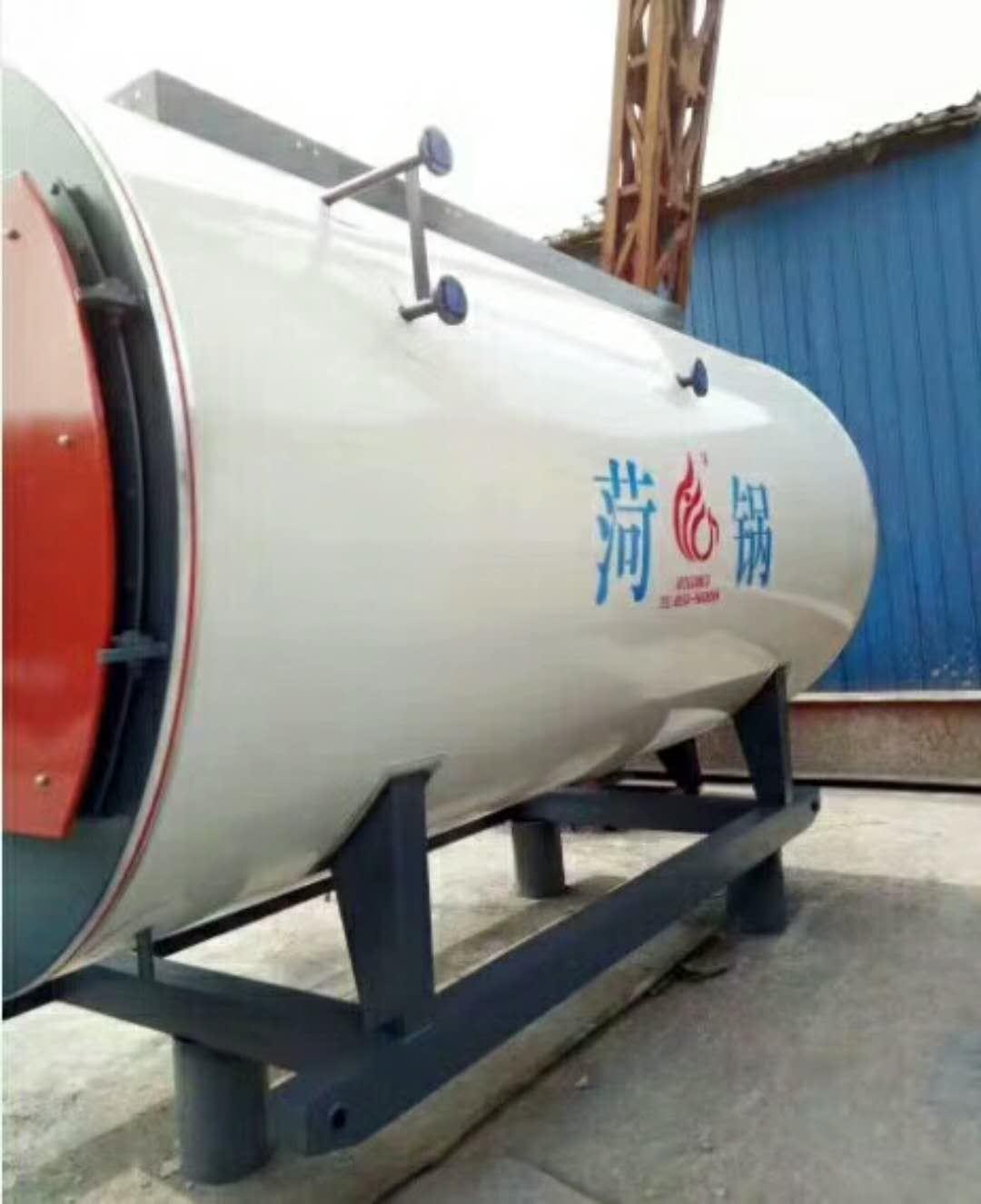

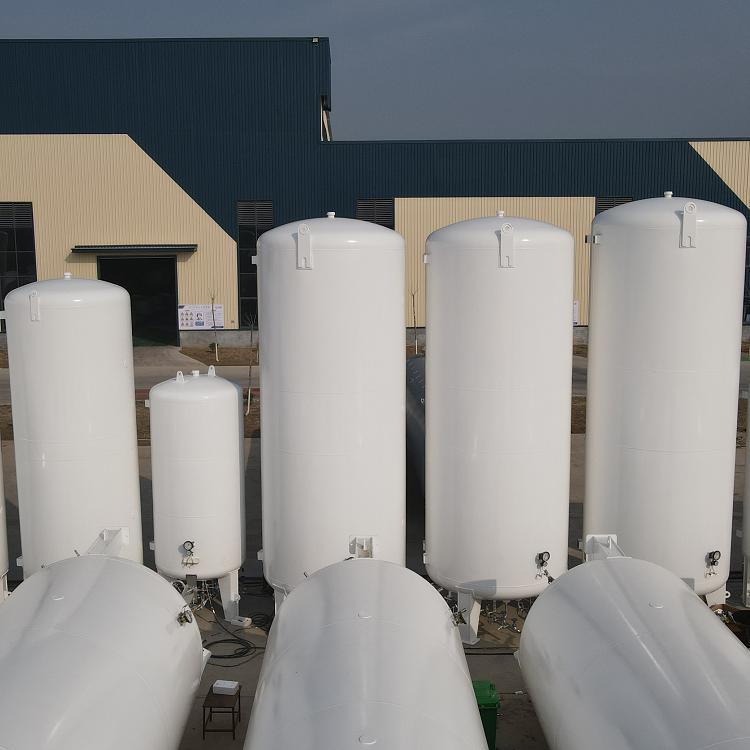
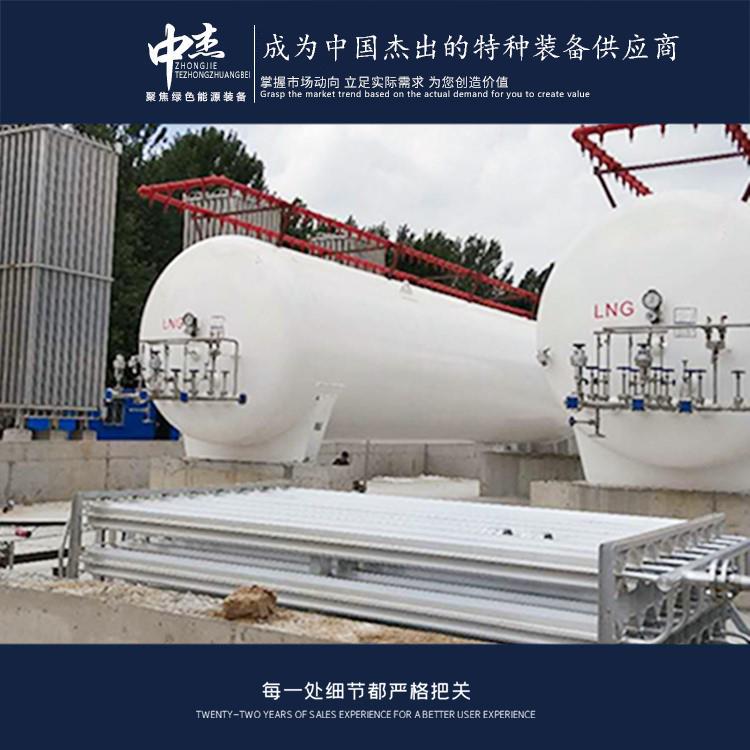


















Shandong Zhongjie Special Equipment (formerly Heze Boiler Factory Co., Ltd.) was established in 2001, located at No. 2218 Jinnan Road, Development Zone, Heze City, with a registered capital of 50 million yuan and total assets of 500 million yuan. The company has 7 business centers: boilers, deep-freeze containers, pressure vessels, central air conditioning, engineering installation, international trade, and the Internet of Things. It has three factory areas on Jinnan Road, East Changjiang Road, and Bohai Road, covering a total of 200,000 square meters, with the main workshop area at 83,000 square meters. It currently employs 710 people, including 247 engineering technicians and 82 middle-level technicians. In December 2016, it was recognized as a "High-tech Enterprise" by the Science and Technology Department. In June 2021, it was identified as a "Specialized and New Enterprise in Shandong Province" by the Department of Industry and Information Technology. In June 2022, it was recognized as a "Gazelle Enterprise in Shandong Province" and in August 2022, it was identified as a "Specialized and New Small Giant Enterprise" by the Ministry of Industry and Information Technology.
When selecting welding materials for pressure vessels, several factors should be considered:
Material Matching: The selection of welding materials should match the base material of the pressure vessel to ensure the strength and corrosion resistance of the weld joints. Common material matches include carbon steel welding materials with carbon steel base materials, stainless steel welding materials with stainless steel base materials, etc.
Strength requirements: Select welding materials with adequate strength based on the design requirements and operating conditions of the pressure vessel. The strength of the welding material should match the base material to ensure that the strength of the weld joint does not become a weakness of the vessel.
Corrosion Resistance: Select welding materials with excellent corrosion resistance based on the working environment and medium of the pressure vessel. For instance, pressure vessels operating in corrosive media may require the use of stainless steel welding materials with superior corrosion resistance.
Welding Performance: The selection of welding material should consider its welding performance, including penetration depth, weld bead shape, and crack resistance. The chosen material should meet the requirements of the welding process and ensure the quality of the weld joint.
Relative Standards and Regulations: When selecting welding materials, refer to relevant standards and regulations, such as the ASME Boiler and Pressure Vessel Code, AWS (American Welding Society) standards, etc. These standards and regulations provide guidance and requirements for the selection of welding materials.
It should be noted that the selection of welding materials should be carried out by a welding engineer or a certified welder. They can choose the appropriate materials based on specific application requirements, working conditions, and safety standards, in conjunction with relevant specifications and guidelines. Moreover, manufacturers and suppliers often provide recommendations and technical support for welding material selection.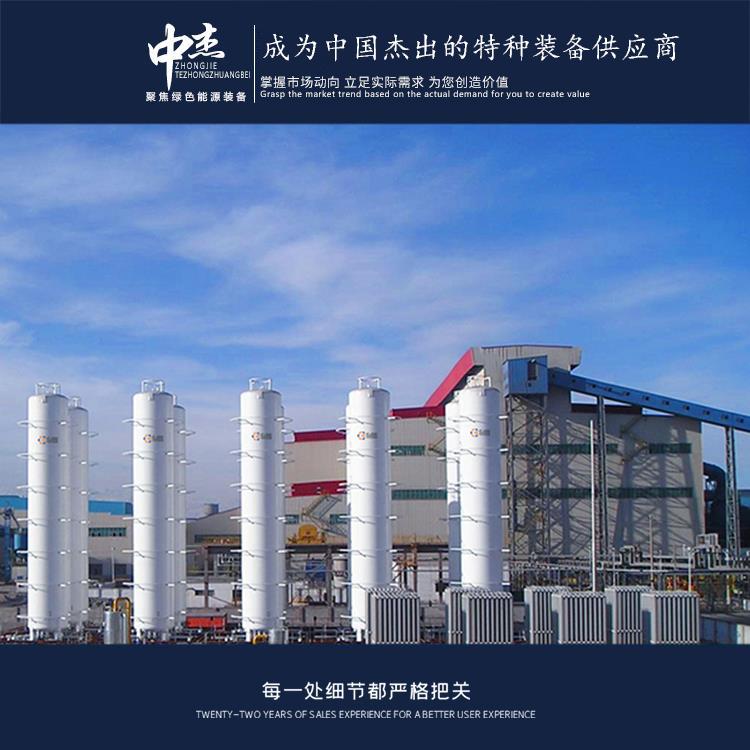
Liquid Argon Storage Tanks are equipment designed for storing and transporting liquid argon, featuring the following characteristics:
Low-temperature retention performance: The liquid argon tank is equipped with special insulation materials and structural design, effectively maintaining the low-temperature state of liquid argon. The tank is internally lined with insulation to minimize heat conduction and loss, ensuring long-term storage of liquid argon.
High sealing performance: The liquid argon storage tank features excellent sealing capabilities, effectively preventing leaks and evaporation of liquid argon. The tank's valves, connectors, and seals, among other components, are precisely designed and manufactured to ensure reliable sealing performance.
High strength and corrosion resistance: The liquid argon storage tank is manufactured with high-strength materials, capable of withstanding the high pressure and low temperature of liquid argon. The internal and external surfaces of the tank are treated specially, offering excellent corrosion resistance and resistance to corrosion and oxidation by liquid argon.
Safety Performance: The liquid argon storage tank is equipped with multiple safety protection measures, including safety valves, pressure sensors, and level monitoring devices. These devices can monitor and control the tank's pressure, temperature, and level, ensuring the tank operates within a safe range.
Reliability and Stability: The liquid argon storage tank has been designed, manufactured, and tested rigorously, ensuring excellent reliability and stability. The tank is capable of storing and transporting liquid argon for extended periods without compromising its quality and performance.
Ease of Operation and Maintenance: The operation and maintenance of liquid argon tanks are relatively simple, equipped with valves and fittings that are easy to operate. The maintenance tasks primarily include regular inspections, cleaning, and repairs, which can extend the service life of the tank.
The performance characteristics of liquid argon tanks make them essential for the storage and transportation of liquid argon, widely used in scientific research, industry, and other fields. When using liquid argon tanks, it is crucial to strictly adhere to the relevant operational specifications and safety requirements to ensure safe use.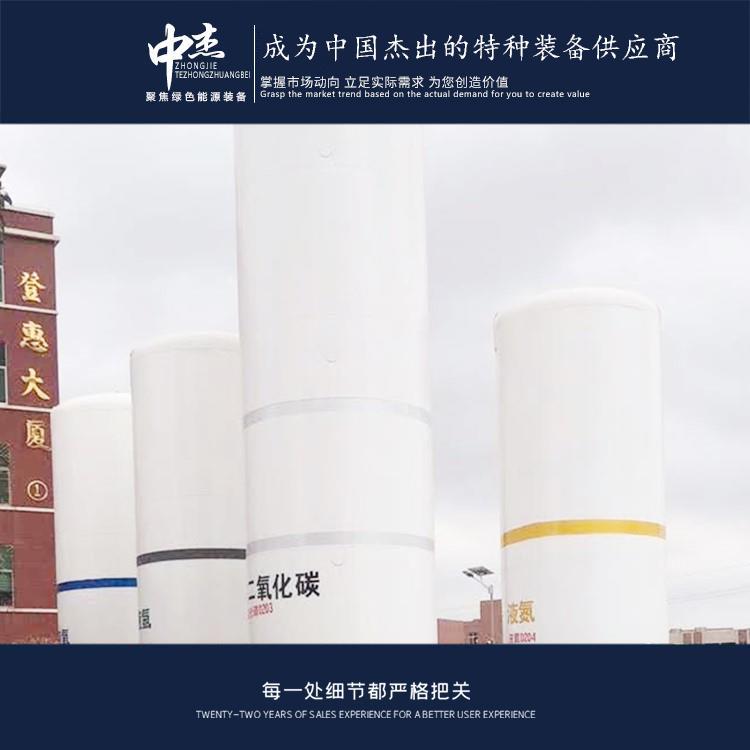
When first using a liquid nitrogen tank, there are several precautions to consider for safe and effective operation. Here are some suggested precautions:
Safe Operation: Liquid nitrogen is a cryogenic liquid with strong refrigerating and asphyxiating properties. When handling liquid nitrogen tanks, appropriate personal protective equipment, such as insulated gloves and protective suits, must be worn. Avoid direct contact with liquid nitrogen to prevent injury or harm.
Ventilation Environment: Liquid nitrogen, upon evaporation, produces a large amount of gas that may displace other gases, leading to a decrease in oxygen content in the air. Therefore, when using liquid nitrogen tanks, it is essential to ensure adequate ventilation in the operating area to prevent oxygen deficiency.
Tank Inspection: Before first use of the liquid nitrogen tank, carefully inspect the tank's appearance and seal. Ensure there are no obvious damages, leaks, or other safety hazards. If any issues are found, they should be repaired or the tank replaced promptly.
Tank Filling: Prior to the first use of the liquid nitrogen tank, it is necessary to fill it with liquid nitrogen. During the filling process, adhere to the correct operational steps and safety protocols to ensure the process is safe and reliable. Additionally, pay attention to controlling the filling speed and pressure to avoid excessive tank pressure and temperature rise.
Labeling and Record Keeping: Prior to the initial use of the liquid nitrogen tank, relevant information should be labeled on the tank, such as the storage medium, capacity, manufacturing date, etc. It is also recommended to establish a tank usage record, including filling dates, filling quantities, usage details, etc., for future tracking and management.
Note that the use of liquid nitrogen tanks involves safety risks such as low temperatures and high pressures. Operators should receive training and strictly adhere to the relevant operational procedures and safety measures. If unfamiliar with the operation or have doubts, it is recommended to consult experts or relevant institutions.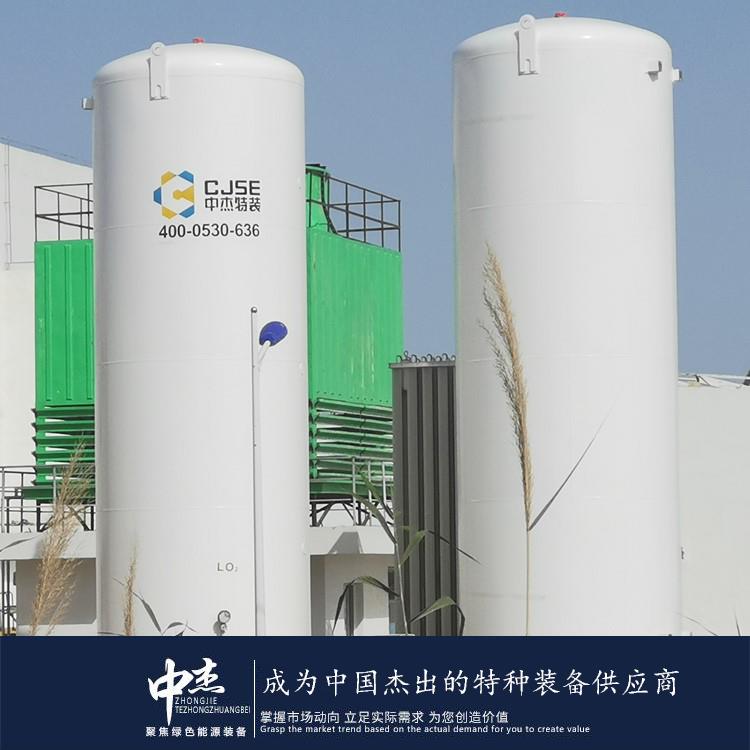
Liquid nitrogen storage tanks are equipment used for storing and transporting liquid nitrogen. To ensure safe operation, here are some common protective procedures for the use of liquid nitrogen storage tanks:
Tank Installation: Tanks should be installed on a solid and level foundation, away from fire sources and flammable materials. Good ventilation around the tank is required to prevent gas accumulation. The tank should maintain a safe distance from other equipment and buildings.
Nitrogen Filling: Use appropriate nitrogen transport equipment when filling liquid nitrogen to avoid direct contact. During the filling process, monitor and control the flow and pressure of liquid nitrogen to prevent over-filling and excessive tank pressure.
Tank Pressure Control: Tanks should be equipped with pressure control devices to ensure the internal pressure of the tank stays within a safe range. Regular inspections and maintenance of the pressure control devices are required to ensure proper functioning.
Leak Detection and Alarm Systems: Tanks should be equipped with leak detection and alarm systems to promptly detect and alert of any tank leaks. Regularly inspect and maintain the leak detection equipment to ensure proper functioning.
Fire and Explosion Prevention Measures: A fire-resistant isolation area should be established around the storage tank, away from ignition sources and flammable materials. The tank itself should adopt fire and explosion prevention measures, such as fire-resistant coatings and explosion-proof devices, to prevent fires and explosions.
Regular inspections and maintenance: Regularly inspect the tank's exterior, valves, and fittings to ensure they are undamaged. Conduct regular leak detection and pressure tests to ensure the tank's safety performance meets requirements.
Safety Training and Awareness Enhancement: Conduct safety training for operators to enhance their awareness and ability to handle liquid nitrogen tanks safely. Regularly hold safety training and drills to respond to emergencies.
Manage records and documents: Establish comprehensive management records and documents, including tank usage, inspection, and maintenance records. Regularly review and update the records to ensure safe management and maintenance of the tanks.
Note that the above are some common protective procedures, which may vary depending on the type of tank and application. When using liquid nitrogen tanks, operate according to relevant specifications and standards, and consult with experts to ensure safety and effectiveness.
Shandong Zhongjie Special Equipment, welcome customers to our factory for business discussions.
WeChat Official Account

Scan to follow Official Account



















