


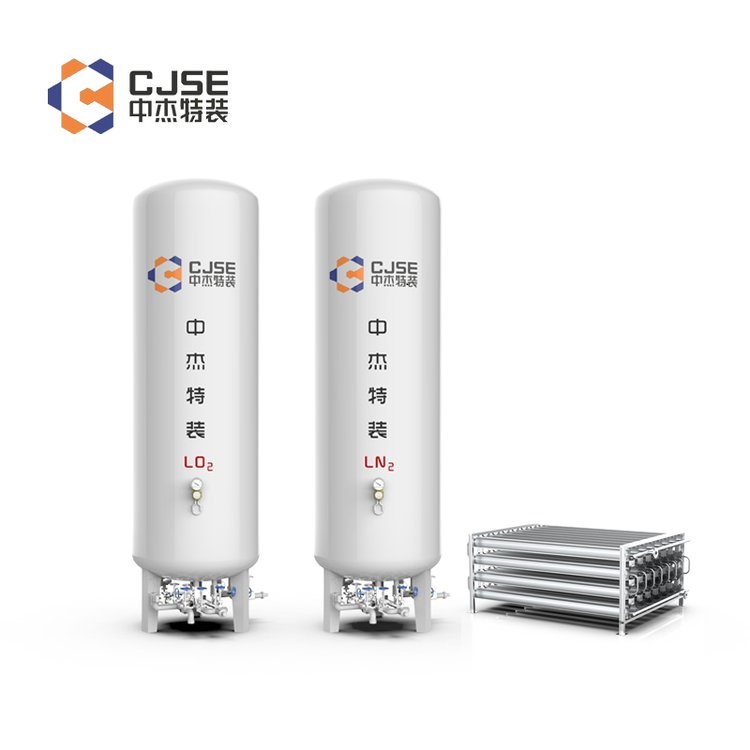

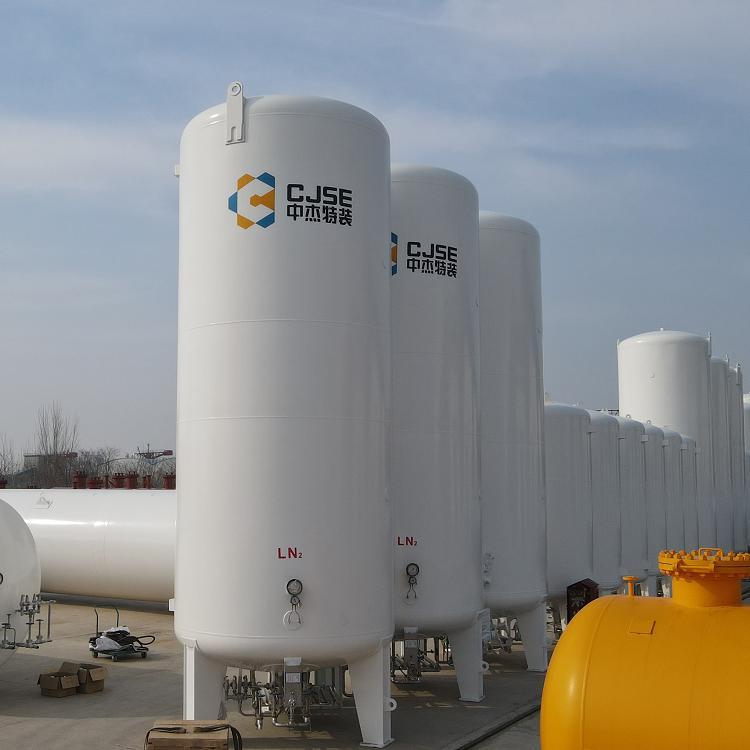
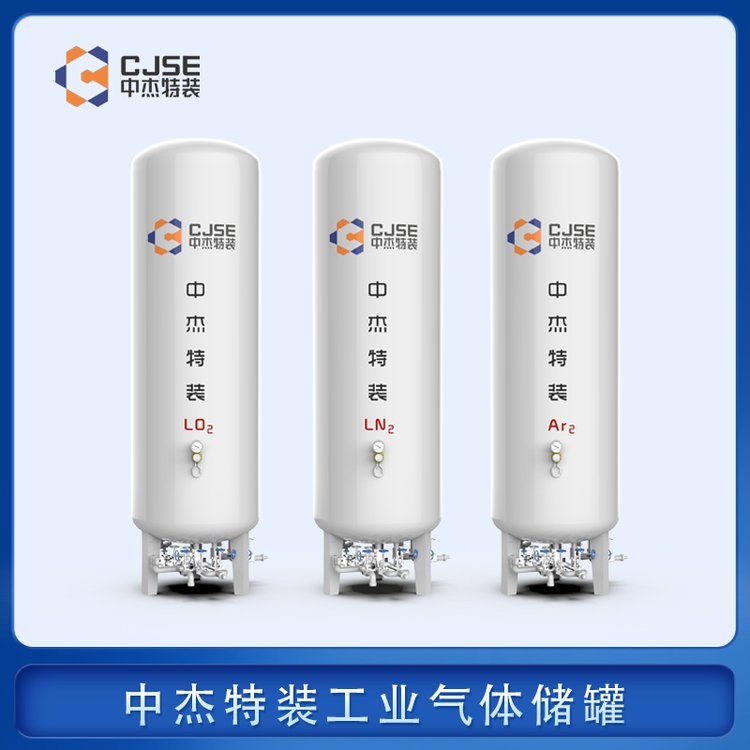


















Shandong Zhongjie Special Equipment specializes in products such as fuel (gas) boilers, organic heat carrier boilers, biomass boilers, waste heat boilers, and other boiler products; vacuum insulation cryogenic pressure vessels like LNG tanks, oxygen-nitrogen-argon tanks, CO2 tanks; pressure vessel products including denitrification engineering equipment, heat storage and energy storage equipment, complete chemical equipment sets; central air conditioning and ventilation equipment such as ground (water) source heat pumps, air source units, water-cooled screw units, and air-cooled modular units. Planned products include large-scale energy centers, LNG transport vehicles, LNG tank containers, and other green energy equipment.
Daily inspections of liquid nitrogen tanks should include the following aspects:
Level Check: Regularly inspect the liquid nitrogen tank's level to ensure it is within the normal range. This can be done using a level gauge or a level scale, etc.
Pressure Check: Inspect the tank's pressure to ensure it remains within the safe range. Devices such as pressure gauges or pressure sensors can be used for this inspection.
Insulation Layer Inspection: Verify that the tank's insulation layer is intact, without any damage or detachment. The integrity of the insulation layer is crucial for reducing heat transfer and the evaporation of liquid nitrogen.
Leakage Inspection: Check for signs of liquid nitrogen leakage around the storage tank, such as vapor mist, frosting, or freezing. If a leak is detected, immediate measures should be taken for repair.
Valve and Pipeline Inspection: Verify that the valves and pipelines of the storage tank are functioning properly without any leaks or blockages. Ensure the tightness and unobstructed flow of the valves and pipelines.
Safety Device Inspection: Check the safety devices of the storage tank, such as pressure relief valves, temperature sensors, and level alarms, to ensure they are functioning properly.
External Tank Cleaning: Regularly clean the exterior surface of the tank to remove dust, dirt, and debris. Maintain the tank's appearance for easy inspection and maintenance.
Record and Documentation: Timely record the inspection results and maintenance records of the storage tank, including liquid levels, pressure, insulation layer status, and leakage conditions. These records aid in monitoring the tank's operational status and in identifying issues promptly.
The above lists the daily inspection items for liquid nitrogen tanks. Regularly conducting these checks ensures the safe and efficient operation of the tanks. At the same time, adhere to relevant safety regulations and operating guidelines to ensure the safety of personnel and equipment.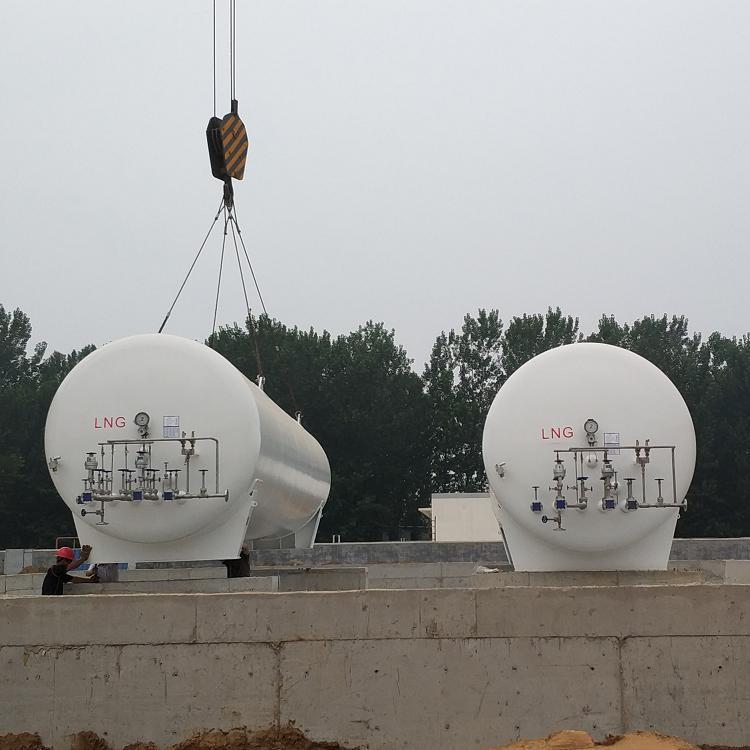
The maintenance and protection of liquid argon cylinder accessories are crucial for ensuring the normal operation and extending the service life of the cylinder. The following are general methods for the maintenance and protection of liquid argon cylinder accessories:
Valve Maintenance: Regularly inspect and maintain valves in the tank accessories, including intake valves, exhaust valves, safety valves, etc. Ensure the valves operate smoothly and reliably, with no leaks or jamming. Regularly lubricate the valves and clean away any debris and dirt.
Pressure Relief Device Maintenance: The pressure relief devices (such as safety valves) within the liquid argon storage tank accessories are crucial components for ensuring the safety of the internal pressure. Regularly inspect and test the operational status of the pressure relief devices to ensure proper functioning. Clean and repair as necessary.
Sensor and Instrument Maintenance: Sensors and instruments in the liquid argon storage tank accessories are used to monitor and control parameters such as the tank's temperature and pressure. Regularly calibrate and inspect the accuracy and reliability of the sensors and instruments. Keep the sensors and instruments clean and functioning properly.
Insulation Protection: The insulation layer of liquid argon storage tank accessories is crucial for maintaining the low temperature state of liquid argon. Regularly inspect the integrity and insulating performance of the insulation layer, and repair or replace any damaged insulation materials. Avoid mechanical damage or contamination to the insulation layer.
Cleaning and Corrosion Protection: Regularly clean the accessories of the tank, removing any impurities and dirt from the surface. Regularly inspect and maintain the corrosion protection layer of the accessories to prevent corrosion and oxidation.
Regular inspections and maintenance: Conduct comprehensive inspections and maintenance of liquid argon cylinder accessories on a regular basis, including appearance, fittings, and seals. Promptly identify and address any damage, leaks, or other issues with the accessories.
Record and Document Management: Document each maintenance and service result, including the maintenance date, service content, issues found, and measures taken. Establish comprehensive management records and documents for tracking and managing the operation of the attachments.
Note that the maintenance and protection of liquid argon tank accessories should be carried out by trained personnel and in accordance with relevant specifications and standards. Ensure safety during maintenance and operation, and consult with experts for accurate guidance.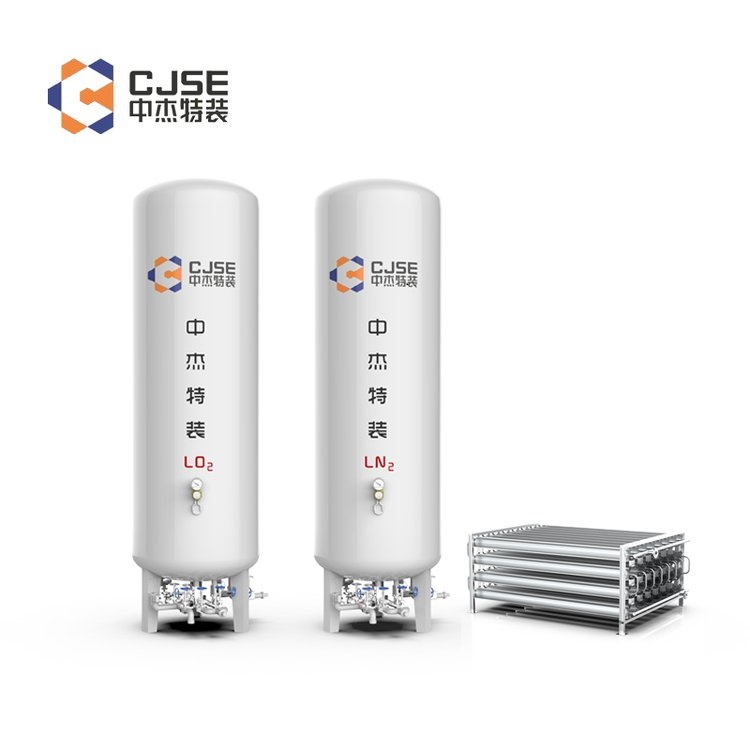
Standard specifications for liquid oxygen storage tanks may vary by region. Here are examples of some common standards:
- U.S. Standards: The American National Standards Institute (ANSI) and the American Petroleum Institute (API) have issued a series of standards for liquid oxygen storage tanks, such as ANSI/API Standard 2510 "Design and Construction of Liquid Oxygen Storage Tanks" and ANSI/API Standard 2510A "Supplement to the Design and Construction of Liquid Oxygen Storage Tanks."
- European Standards: The European Committee for Standardization (CEN) has published a series of standards for liquid oxygen storage tanks, including EN 13458 "Liquid Oxygen Storage Tanks. Design and Construction" and EN 14015 "Vertical Welded Steel Fixed Storage Tanks. Design and Construction."
- Chinese Standards: The Standardization Administration of the People's Republic of China (SAC) has issued a series of standards for liquid oxygen storage tanks, such as GB/T 18442 "Design Specification for Liquid Oxygen Storage Tanks" and GB/T 18443 "Construction and Acceptance Specification for Liquid Oxygen Storage Tanks."
These standards typically cover requirements for the design, manufacturing, installation, operation, maintenance, and inspection of liquid oxygen storage tanks. They encompass provisions related to the tank's structure, materials, safety valves, insulation, leak control, fire precautions, and safety distances to ensure the safety and reliability of the storage tanks.
When designing, manufacturing, and using liquid oxygen storage tanks, it is essential to follow applicable standards and collaborate with local regulatory bodies and individuals to ensure compliance with relevant safety requirements and regulations.
Safe operation and transportation of liquid oxygen storage tanks require attention to the following points:
Safe Application Methods:
Tanks Selection: Choose liquid oxygen tanks that comply with regulations and standards, ensuring their quality and safety performance.
Tank Installation: Tanks should be installed on a solid foundation to ensure stability. Additionally, good ventilation should be maintained around the tanks and they should be kept away from flammable materials and heat sources.
Seal Integrity Inspection: Regularly check the tank's sealing performance to ensure there are no leakage issues at valve and pipeline connections.
Pressure Control: Tanks should be equipped with pressure gauges and safety valves, with regular inspections and maintenance to ensure pressure remains within safe limits.
Fire Prevention Measures: Liquid oxygen contains a high oxygen content and is highly flammable. Establish fire walls around the storage tanks, prohibit smoking and open flames, and ensure safety.
Static protection: During the transportation and use of liquid oxygen, static electricity can cause sparks, increasing the risk of fire. Measures such as using static-conductive materials and anti-static equipment should be taken to reduce the accumulation and release of static electricity.
Shipping Precautions:
Transportation Vehicle Selection: Choose transportation vehicles that meet the requirements for liquid oxygen transport, ensuring their safety and seal integrity.
Loading and Unloading: During the transportation of liquid oxygen, the following loading and unloading procedures should be adopted:
Zhongjie Special Equipment adheres to the grand vision of "realizing employees' dreams, creating value for customers, and striving for the prosperity and strength of our motherland," and is dedicated to the development of the green energy equipment industry. We offer society high-quality products and services at competitive prices!
WeChat Official Account

Scan to follow Official Account



















