


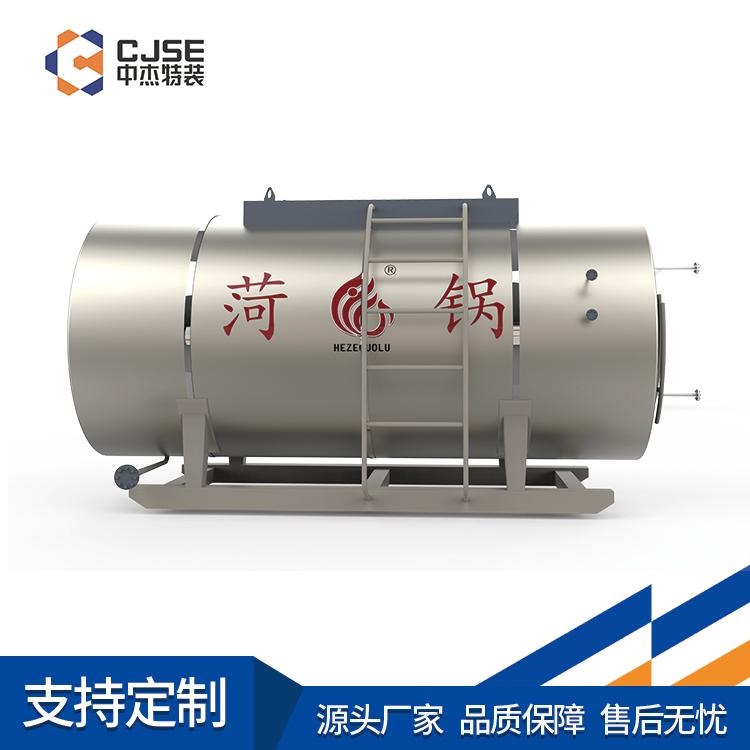

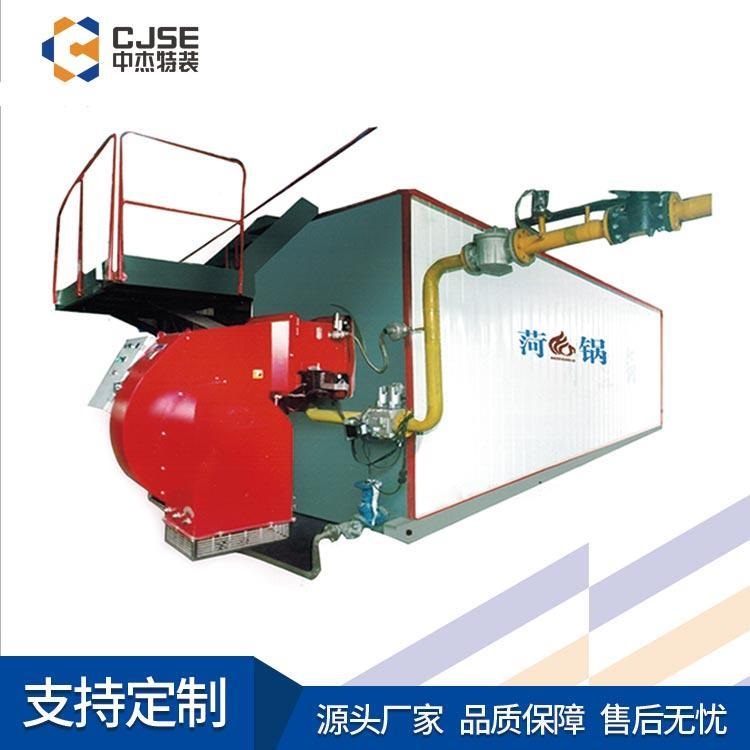
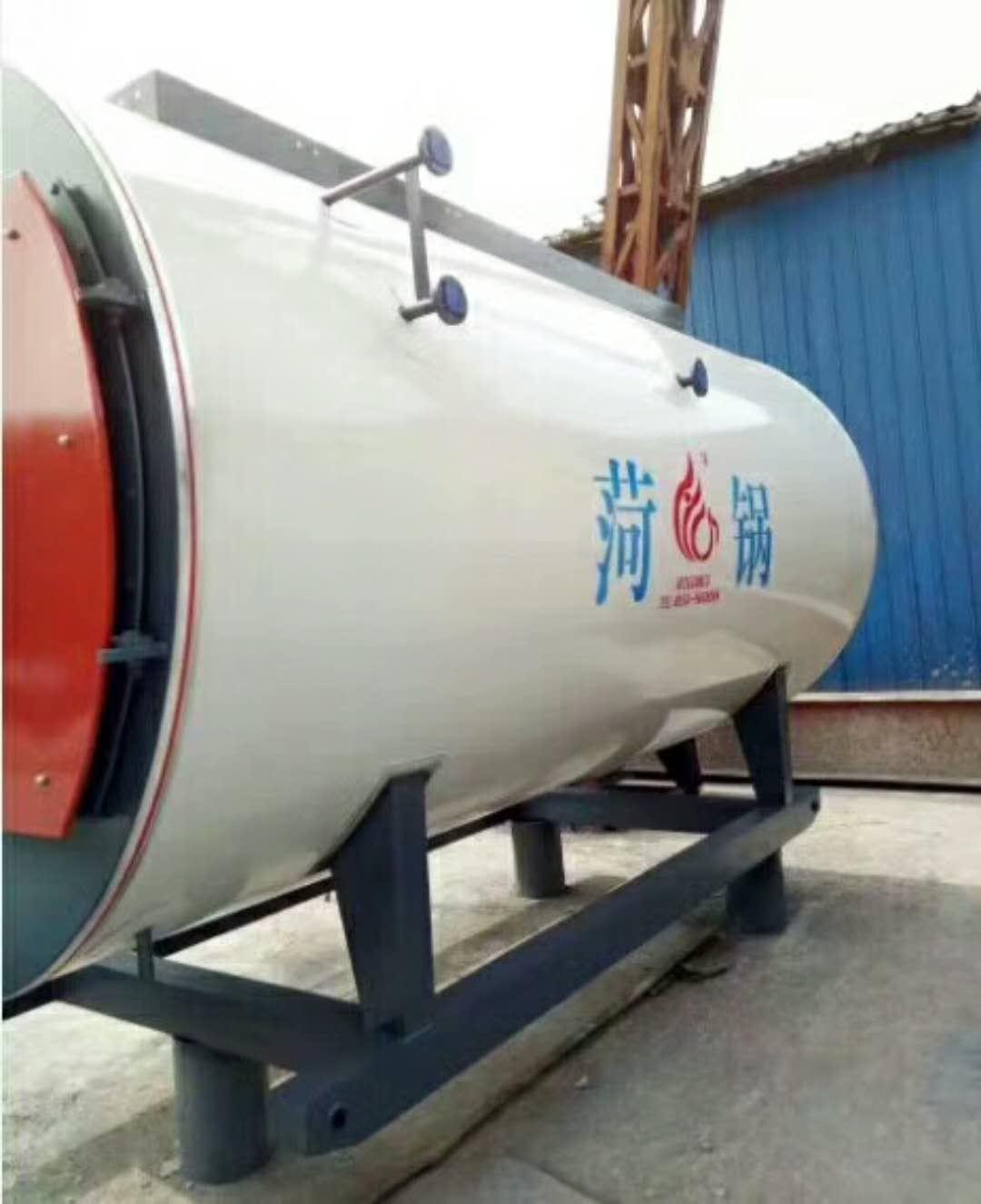


















Shandong Zhongjie Special Equipment Co., Ltd. specializes in the following products: fuel (gas) boilers, organic heat carrier boilers, biomass boilers, waste heat boilers, and other boiler products; vacuum insulation cryogenic pressure vessels such as LNG storage tanks, oxygen-nitrogen-argon storage tanks, CO2 storage tanks, etc.; pressure vessel products including denitrification engineering equipment, heat storage and energy storage equipment, and complete chemical equipment sets; central air conditioning and HVAC equipment such as ground (water) source heat pumps, air source units, water-cooled screw units, and air-cooled modular units. Planned products include large-scale energy centers, LNG transport vehicles, LNG tank containers, and other green energy equipment.
When operating a gas boiler, there are three important points to consider:
1. Safety Operation: A gas boiler is a heat energy device, and safety must be prioritized during operation. First, ensure that the operator has the relevant skills and knowledge, understanding the boiler's working principle and operation procedures. Second, strictly prohibit placing flammable materials around the boiler and maintain good ventilation. Additionally, regularly inspect and maintain the safety devices such as the safety valve and pressure gauge to ensure they are functioning properly.
2. Proper Gas Supply Adjustment: The combustion of a gas boiler requires an appropriate amount of gas supply. During operation, adjust the gas supply according to actual needs to ensure stable combustion. At the same time, regularly check the tightness of gas pipelines and valves to prevent gas leaks.
3. Regular Maintenance and Cleaning: Regular maintenance and cleaning of a gas boiler are crucial for maintaining normal operation and extending its lifespan. Regularly inspect all parts of the boiler, clean the burner, flue, and heat exchanger to remove dust and dirt, ensuring efficient heat transfer and combustion. Furthermore, regularly replace filters and clean water treatment equipment to ensure clean water quality and prevent scale and corrosion.
It should be noted that the above three points are only basic operational tips, and specific operation and maintenance requirements may vary depending on the model and specifications of the gas boiler. Therefore, it is advisable to refer to the boiler's operation manual or consult with experts before operating a gas boiler to ensure correct and safe operation.
The decline in the consumption of thermal oil boilers can be attributed to several factors:
1. Combustion Technology: Modern thermal oil boilers employ advanced combustion technologies such as pre-mixed combustion, ensuring complete fuel combustion, enhancing thermal energy efficiency, and thereby reducing energy consumption.
2. Heat Recovery: Thermal oil boilers typically generate a substantial amount of excess heat during flue gas emissions. By utilizing heat recovery systems like flue gas heat recovery boilers or heat exchangers, the excess heat from flue gases can be recovered and utilized, improving energy efficiency and reducing consumption.
3. Intelligent Control Systems: Contemporary thermal oil boilers are equipped with intelligent control systems capable of real-time monitoring and adjustment of operating parameters such as temperature, pressure, and flow. Through precise control and adjustment, the boilers can operate optimally, avoiding energy waste and loss.
4. Energy-Saving Retrofit and Optimization: For older thermal oil boilers, energy-saving retrofitting and optimization can be performed. This includes installing energy-saving equipment like variable-speed drives and modified burners to enhance the energy efficiency of the equipment. Additionally, optimizing the boiler system, such as improving pipe insulation and reducing leaks, can help minimize energy loss.
5. Energy Management and Maintenance: Effective energy management and regular equipment maintenance are crucial factors in reducing energy consumption. Through rational energy management measures, such as energy monitoring, metering, and fostering energy-saving awareness, issues of energy waste can be identified and addressed. Regular equipment maintenance ensures smooth operation and prevents unnecessary energy loss.
In summary, the decrease in energy consumption for thermal oil boilers can be achieved through combustion technology, heat recovery, intelligent control, energy-saving retrofitting, and effective energy management.
The temperature control methods for gas boilers typically include:
- Manual Adjustment: Temperature is controlled by manually operating valves or regulators to adjust the gas boiler's temperature. Adjust the valve opening or regulator settings as needed to reach the desired temperature.
- Automatic Adjustment: Gas boilers can be equipped with an automatic control system that uses sensors and controllers for automatic temperature regulation. Sensors detect the boiler temperature and send signals to the controller, which then automatically adjusts the gas supply and burner status within a set temperature range to maintain the desired temperature.
- Proportional Control: Temperature regulation can also be done using proportional control. By adjusting the valve or regulator opening, proportional adjustments are made based on temperature changes, keeping the gas supply and burner status in a certain proportion to the temperature.
- PID Control: PID control is a commonly used temperature regulation method. The PID controller adjusts the gas supply and burner status based on temperature deviations, rates of change, and integral values to achieve temperature control.
It's important to note that different gas boilers may use different temperature control methods. The specific method and operation should be determined according to the boiler model and control system. When adjusting the temperature, follow safety operating procedures to ensure the boiler operates normally and maintains safety.
Properly utilizing fuel-gas boilers can enhance energy efficiency and reduce consumption. Here are some suggestions:
1. Select the right boiler model: Choose a suitable fuel-gas boiler model based on actual needs, considering factors like heat load, fuel type, and combustion efficiency.
2. Regular inspection and maintenance: Conduct regular checks and maintenance to ensure the boiler operates smoothly. This includes cleaning burners, inspecting the combustion system, adjusting parameters, and promptly repairing or replacing damaged parts.
3. Control the combustion process: Manage the combustion process to ensure complete, stable, and efficient burning. Adjust parameters like air flow and fuel supply to improve efficiency and minimize waste.
4. Heat recovery: Utilize heat recovery systems to capture and reuse waste heat from flue gases, heating water or other processes requiring heat, to boost energy efficiency.
5. Control operating parameters: Adjust boiler operating parameters like water level, pressure, and temperature based on actual needs and conditions, avoiding extremes to enhance efficiency and safety.
6. Regularly clean heat exchangers: Clean the heat exchangers of fuel-gas boilers regularly to remove dirt and sediment, maintaining heat transfer efficiency and reducing energy loss.
7. Energy management: Establish an energy management system, monitor and analyze consumption, and develop reasonable usage plans and energy-saving measures to improve efficiency and reduce consumption.
These are common methods and suggestions, but specific application should be determined based on actual conditions and boiler characteristics. Also, comply with relevant laws, regulations, and safety procedures to ensure safe operation of fuel-gas boilers.
Our company places great emphasis on technological innovation and R&D design. We possess one city-level enterprise technology center in Heze City, and have established testing facilities for non-destructive testing, physical and chemical testing, welding testing, hydrostatic testing, etc. We are equipped with over 600 types of equipment, including CNC machine tools, X-ray flaw detectors, digital ultrasonic flaw detectors, mechanical property testing machines, chemical analyzers, spectrometers, tensile testing machines, plasma welding machines, and more. The key products and technologies we have developed, such as welding for temperature and pressure vessels, emissions reduction for biomass boilers, and waste heat utilization, have successively been shortlisted for multiple Shandong Provincial Department of Industry and Information Technology science and technology innovation projects, Shandong Province key projects, and Heze City innovation and excellence projects. We have accumulated 27 authorized utility model patents, 16 authorized invention patents, participated in drafting 2 standards, 2 industry standards, and registered 15 trademarks. The technical team of our company, in collaboration with Professor Yajiang Li from Shandong University, has developed deep cryogenic container processing technology, utilizing the internationally recognized plasma arc + wire filling tungsten inert gas arc welding (PAW-GTAW) technology. After provincial-level scientific and technological achievement evaluation, the technology level has reached an international standard in the field of deep cryogenic container manufacturing.
Choose ZJET customized solutions, let's create brilliance together!
WeChat Official Account

Scan to follow Official Account



















