


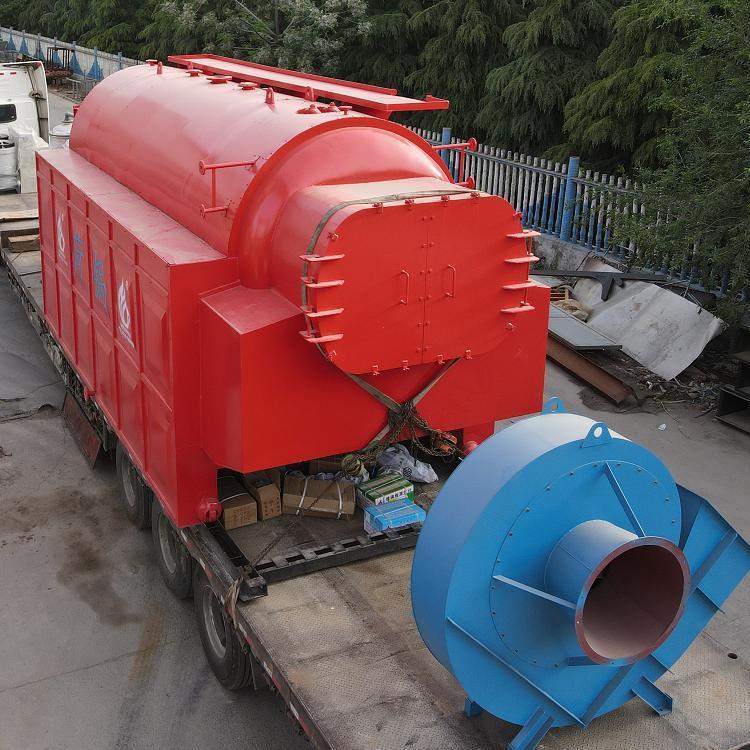

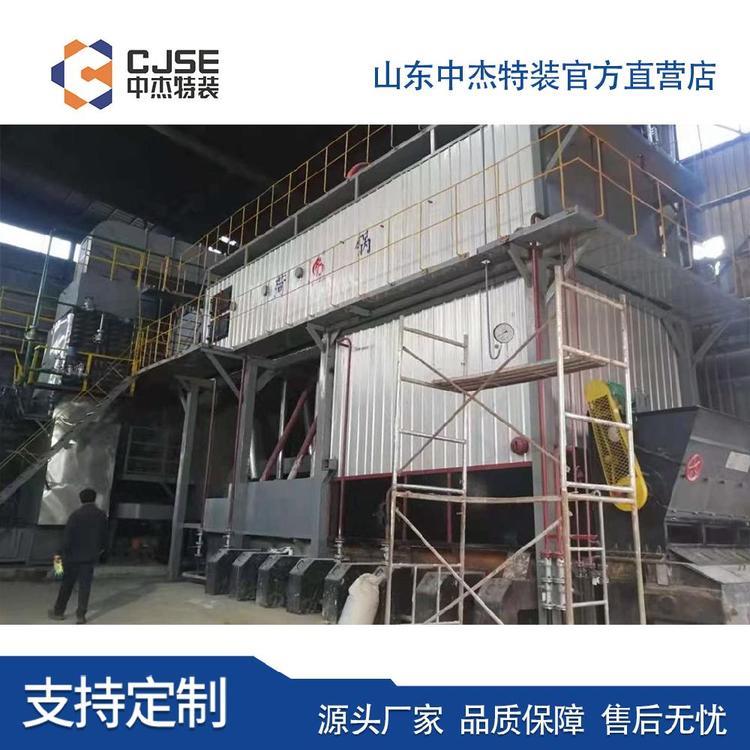
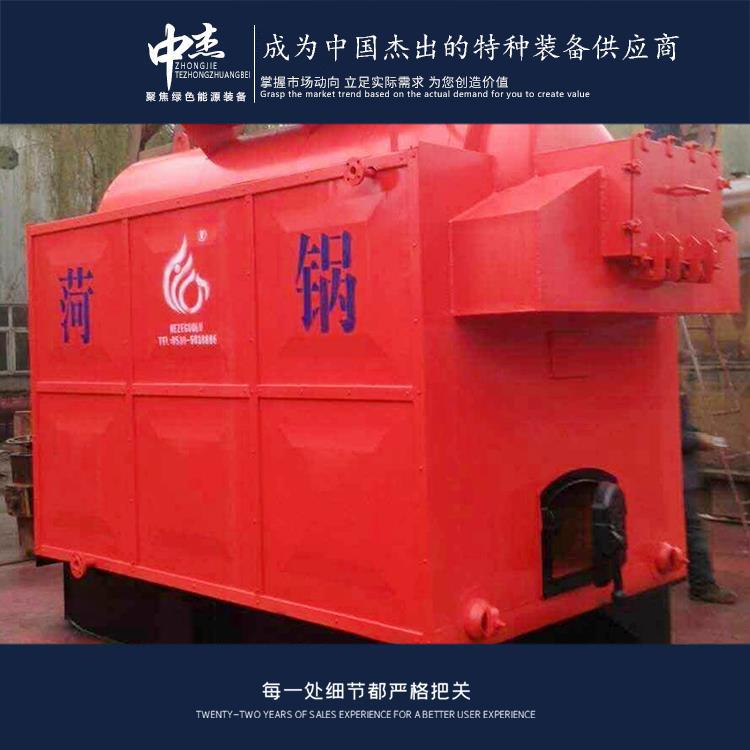


















Shandong Zhongjie Special Equipment (formerly Heze Boiler Factory Co., Ltd.) holds an A-grade boiler manufacturing license, A2-grade pressure vessel manufacturing license, A2-grade pressure vessel design license, B-grade boiler installation, and GB2/Class, GC2/Class pressure pipeline installation licenses, as well as mechanical and electrical equipment installation contracting qualifications. It is a member of the China Boiler and Water Treatment Association, the China Chemical Equipment Association, and a council member of the Shandong Equipment Manufacturing Association, and has passed certifications for the ISO9001 Quality Management System, ISO14001 Environmental Management System, OHSAS18001 Occupational Health and Safety Management System, and the American ASME/U2 certification.
Biomass boilers typically require auxiliary equipment to ensure their proper operation and utilization of biomass fuel. Here are some common auxiliary equipment:
Feeding System: Used to deliver biomass fuel to the combustion chamber of a boiler. The feeding system typically includes conveyors, screw conveyors, and vibratory feeders, among other equipment, which can be selected based on the fuel characteristics and boiler requirements.
Combustion System: Used for burning biomass fuel. The combustion system includes a combustion chamber, burners, fans, and other equipment for achieving thorough mixing of fuel and air and controlling the combustion process.
Smoke Purification Equipment: Used for treating smoke generated from combustion, reducing emissions of particulate matter and gas pollutants. Common smoke purification equipment includes dust collectors, desulfurization units, denitrification units, etc., which can be selected based on emission standards and environmental protection requirements.
Heat Exchanger: Used to transfer the thermal energy generated by combustion to water or other working substances, achieving heat recovery and utilization. Heat exchangers typically include pipe-type heat exchangers, flue gas waste heat boilers, etc., which can enhance energy utilization efficiency.
Control System: Monitors and controls the operational parameters of biomass boilers, including temperature, pressure, and fuel supply. The control system enables automatic adjustment and protection functions, ensuring safe and efficient boiler operation.
Equipment: Includes water supply systems, wastewater systems, pressure vessels, fuel storage equipment, etc. These devices are used to provide the necessary water for boilers, treat wastewater, store fuel, and ensure the normal operation of the boiler.
Above are some common biomass boiler auxiliary equipment. Specific configurations and selections should be determined based on actual needs and project requirements.
To prevent the occurrence of secondary combustion accidents at the tail end of biomass boilers, the following operational measures can be taken:
Reasonably adjust combustion parameters: Ensure the stability and completeness of the combustion process, and avoid fuel accumulation and recombustion in the tail-end area. Reasonably control combustion temperature, air flow, and combustion time, etc., to maintain a smooth and thorough combustion process.
Enhance combustion chamber mixing and air flow distribution: By optimizing the combustion chamber structure and combustion system design, ensure thorough mixing of fuel and air, preventing fuel accumulation and re-burning in the tail end. Rationalize air flow distribution within the combustion chamber to ensure uniform fuel combustion.
Regularly clean the furnace chamber and flue: Regularly remove ash and carbon deposits from the furnace chamber to maintain cleanliness. Clean the flue and waste heat recovery equipment to prevent particle accumulation and ash in flue gases, reducing the risk of re-combustion.
Install Flue Gas Recirculation (FGR) Device: Install a FGR device at the rear of the boiler to reignite the exhaust flue gas, enhancing combustion efficiency and reducing the likelihood of secondary combustion at the rear.
Enhance operational monitoring and maintenance: Regularly monitor and maintain biomass boilers to promptly identify and address any anomalies. Monitor combustion parameters, flue gas emissions, and temperatures to ensure the boiler operates smoothly.
Ensure safety training and operational procedures: Conduct safety training for operators to enhance their understanding of biomass boiler operation and safety protocols.
The YGL series organic heat carrier boiler is a boiler equipment that utilizes organic heat carriers to transfer heat energy. Its main components and features are as follows:
Composition:
The Furnace Body: The furnace body is the main component of the organic heat carrier furnace, including the furnace chamber, combustion chamber, and flue, etc. Made of steel, it boasts excellent high-temperature resistance.
Combustion System: The combustion system includes burners, combustion fans, and combustion control systems. The burners are responsible for injecting fuel into the furnace for combustion. The combustion fans supply the oxygen required for combustion, and the combustion control system achieves automatic control of the combustion process.
Heat Exchange System: The heat exchange system includes a heat carrier circulating pump, a heat carrier heater, and a heat carrier cooler, etc. The heat carrier circulating pump is responsible for circulating the heat carrier to the heater, where it is heated before returning to the furnace, thus transferring heat energy. The heat carrier cooler is used to cool the heat carrier, ensuring the stability of the heat carrier circulation.
Control System: The control system encompasses temperature controllers, pressure controllers, and safety protection devices. The temperature controller is used for monitoring and adjusting the furnace temperature, the pressure controller for monitoring and adjusting the pressure of the heat carrier, and the safety protection device for ensuring the safe operation of the furnace and the heat exchange system.
Features:
High thermal efficiency: The YGL series organic heat carrier boilers use organic heat carriers as the heat transfer medium, featuring high heat transfer efficiency. Organic heat carriers can achieve liquid-phase heat transfer at low temperatures, resulting in minimal heat loss and enabling more efficient fuel utilization.
Biomass boiler furnace ash blowing refers to the cleaning operation of the combustion area within the furnace chamber using an ash blowing device. The purpose of ash blowing is to remove the ash and slag inside the furnace chamber, maintain the unobstructed flow of the combustion area, and enhance the combustion efficiency and operational stability of the boiler.
Furnace ash blowing operations generally consist of two methods: mechanical ash blowing and pulse ash blowing.
Mechanical Ash Blowing: Mechanical ash blowing is a process that uses mechanical devices, such as rotating ash blowers or chain-type ash blowers, to clean the combustion zone inside the furnace chamber. The mechanical ash blower rotates or moves periodically to remove ash and slag from the combustion area.
Pulse Cleaning: Pulse cleaning involves using high-pressure gas or compressed air to jet the gas stream into the combustion area within the furnace, creating shock and vibration that dislodge ash and soot. Pulse cleaning is characterized by its effective and rapid ash removal.
The impact of the furnace ash blowing operation on biomass boilers is mainly reflected in the following aspects:
Clean the combustion area: The furnace ash blowing can burn the slag and accumulated ash in the combustion area, keeping the combustion area clear, which is beneficial for the full combustion of fuel and improves combustion efficiency.
Reduce smoke resistance: The furnace ash blowing can burn the slag and accumulated ash in the combustion area, reducing the resistance in the smoke passage, which is conducive to the smooth exhaust of smoke, and improves the heat exchange efficiency of the boiler.
Zhong Jie Special Equipment adheres to the great vision of "realizing employees' dreams, creating value for customers, and striving for the prosperity and strength of our motherland," focusing on the development of green energy equipment industry, and dedicating high-value products and services to society!
WeChat Official Account

Scan to follow Official Account



















