


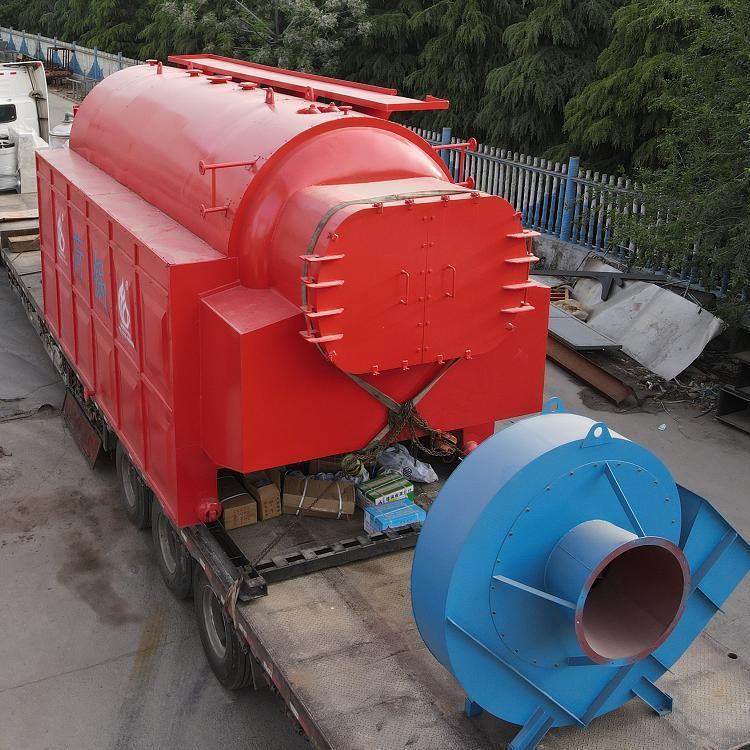

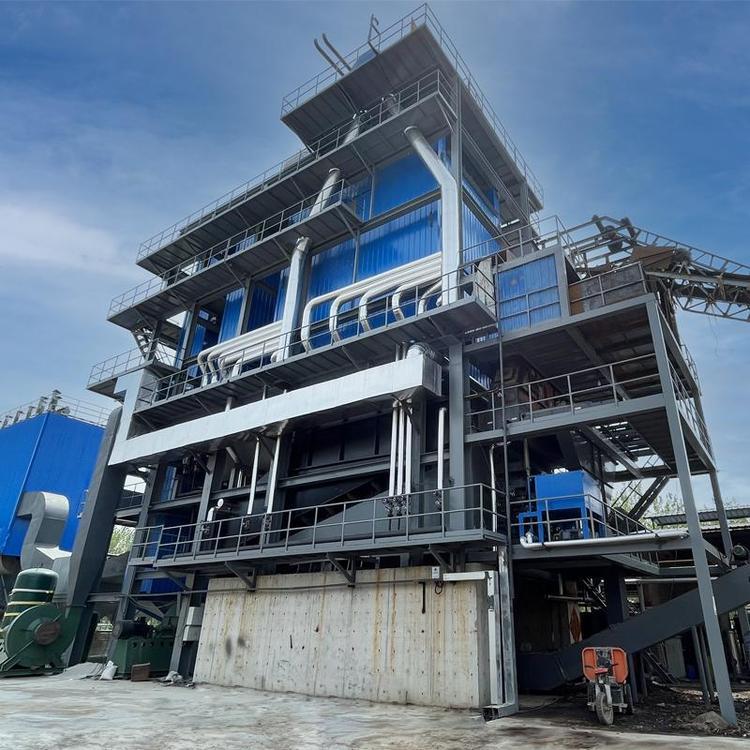
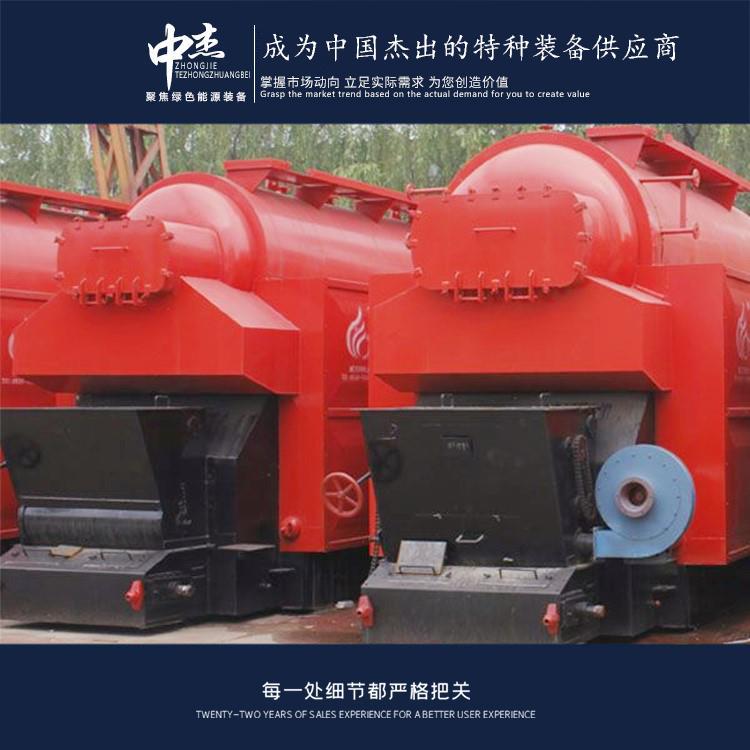


















Shandong Zhongjie Special Equipment specializes in: fuel (gas) boilers, organic heat carrier boilers, biomass boilers, waste heat recovery boilers, and other boiler products; vacuum insulation cryogenic pressure vessels such as LNG storage tanks, oxygen-nitrogen-argon storage tanks, and CO2 storage tanks; pressure vessel products including denitrification engineering equipment, heat storage and energy storage equipment, and complete chemical equipment sets; central air conditioning and ventilation equipment such as ground (water) source heat pumps, air source units, water-cooled screw units, and air-cooled modular units. Planned products include large-scale energy centers, LNG transport vehicles, LNG tank containers, and other green energy equipment.
Biomass boiler combustion offers the following energy-saving features compared to traditional fuel boilers:
Combustion: The combustion technology and design of biomass boilers enable the combustion of biomass fuel. Compared to traditional fuel boilers, biomass boilers have higher combustion efficiency, allowing for more complete utilization of the fuel's energy and reducing energy waste.
Reclaimed Heat Utilization: Biomass boilers are equipped with a heat recovery system, which can utilize the excess heat from combustion for heating systems, enhancing energy efficiency. In traditional fuel boilers, the heat from flue gases is usually wasted, but biomass boilers can recover and utilize this heat from flue gases, reducing energy waste.
Renewable Energy Utilization: Biomass boilers utilize renewable biomass fuels such as wood chips, straw, and waste crops, reducing dependence on finite fossil fuel resources. Compared to traditional fuel boilers, biomass boilers have a more sustainable fuel source and can achieve sustainable energy use.
Carbon Emission Reduction: The combustion of biomass fuel results in lower carbon emissions compared to traditional fuel boilers, reducing carbon emissions from biomass boilers. The use of biomass boilers can decrease greenhouse gas emissions, making them more environmentally friendly.
Waste Utilization: Biomass boilers can use agricultural residues like straw and wood waste as fuel, effectively utilizing waste resources and reducing resource waste. Compared to traditional fuel boilers, biomass boilers have a more diverse fuel source and can achieve effective waste utilization.
The emission characteristics of biomass fuel boiler flue gases primarily include the following aspects:
Particulate Emissions: During the combustion process of biomass fuel boilers, particulates are produced, including visible dust and fine particles. The amount of particulate emissions is related to fuel characteristics, combustion temperature, and combustion equipment factors. Generally, the particulate emissions of biomass fuel boilers are lower than those of coal boilers, but they still require treatment through dust removal equipment.
(SO2) Emissions: The content of SO2 in biomass fuel is low, so the SO2 emissions from biomass fuel boilers are usually low. However, in some cases, such as using waste as fuel, SO2 emissions may increase. Measures such as combustion control and desulfurization units can be adopted to control SO2 emissions.
Nitrogen Oxides (NOx) Emissions: The NOx emissions from biomass fuel boilers are related to factors such as fuel characteristics, combustion temperature, and combustion equipment. Biomass fuel has a higher nitrogen content, which generates a certain amount of NOx during combustion. To control NOx emissions, measures such as low-NOx combustion technology, combustion control, and denitration devices can be adopted.
(CO) Emissions: The CO emissions from biomass fuel boilers are typically low due to the relatively complete combustion process of biomass fuel. However, under conditions of incomplete combustion or unstable burning, CO emissions may increase. To control CO emissions, it is necessary to ensure a sufficient and stable combustion process.
VOCs Emissions: The amount of VOCs emitted by biomass fuel boilers is related to the fuel characteristics and combustion conditions. Some biomass fuels contain volatile organic compounds.
To enhance the thermal efficiency of biomass boilers, the following measures can be taken:
Optimize the Combustion System: Ensure the biomass boiler's combustion system operates effectively and efficiently. Adoptable combustion technologies, such as fluidized bed combustion and chain grate combustion, can enhance combustion efficiency and heat energy utilization.
Maintain fuel quality: Opt for biomass fuels by volume, such as dried wood chips, straw, etc., and avoid fuels with excessive moisture content. High-moisture fuels consume additional heat for water evaporation, reducing combustion efficiency.
Properly Adjust Fuel Supply: Adjust the fuel supply quantity according to actual needs to avoid excess or deficiency. Excessive supply leads to fuel waste, while insufficient supply affects combustion efficiency.
Control combustion temperature: Maintain an appropriate range of combustion temperature to avoid excessively high or low temperatures. Excessively high temperatures can lead to heat loss in the fuel, while excessively low temperatures can affect combustion efficiency.
Regular cleaning and maintenance: Regularly clean the combustion chamber, flue, heat exchanger, and other components of the biomass boiler to keep them clean and unobstructed. Accumulated ash and dirt can affect heat conduction and heat exchange efficiency, reducing thermal efficiency.
Utilize waste heat recovery technology: Employ waste heat recovery units to utilize the residual heat from combustion for heating systems or other applications.
Coking in biomass boilers refers to the phenomenon where ash and other impurities from the fuel deposit and form slag inside the furnace during the combustion process. Coking can adversely affect the normal operation and thermal efficiency of biomass boilers. Below are the hazards of coking and the corresponding measures:
Reducing thermal efficiency: Coking can lead to carbon accumulation on the inner walls of the furnace and the heat exchange area, increasing thermal resistance and reducing the efficiency of heat conduction, thereby lowering the boiler's thermal efficiency. A decrease in thermal efficiency results in energy waste and an increase in operating costs.
Measures: Regularly clean the slag and carbon deposits from the furnace chamber, maintain the cleanliness of the inner walls, and enhance heat exchange efficiency.
Impact on combustion stability: Coking can lead to unevenness during the combustion process, resulting in reduced combustion stability and potential issues such as incomplete combustion and unstable flames.
Measures: Reasonably adjust combustion parameters such as combustion temperature and air volume to maintain stability in the combustion process.
Increased equipment wear and maintenance costs: Coking can lead to carbon accumulation on the inner walls of the furnace and flue pipes, thereby increasing equipment wear and maintenance costs.
Measures: Regularly clean and maintain boiler equipment to prevent the formation of scale and carbon deposits.
Increased environmental pollution: Coking can lead to an increase in pollutant emissions during the combustion process, affecting the environment.
Measures: Reasonably control the combustion process to ensure complete and thorough combustion, reducing emissions of pollutants.
In summary, measures to prevent biomass boiler slagging include regular cleaning and maintenance of equipment, reasonable adjustment of combustion parameters, and control
Shandong Zhongjie Special Equipment, welcome customers to our factory for business discussions.
WeChat Official Account

Scan to follow Official Account



















