





















Shandong Zhongjie Special Equipment Co., Ltd. specializes in: fuel (gas) boilers, organic heat carrier boilers, biomass boilers, waste heat recovery boilers, and other boiler products; vacuum insulated cryogenic pressure vessels such as LNG storage tanks, oxygen/nitrogen/argon storage tanks, CO2 storage tanks; pressure vessel products including denitrification engineering equipment, heat storage and energy storage equipment, and complete chemical equipment sets; central air conditioning and ventilation equipment such as ground (water) source heat pumps, air source units, water-cooled screw units, and air-cooled modular units. Planned products include large-scale energy centers, LNG transport vehicles, LNG tank containers, and other green energy equipment.
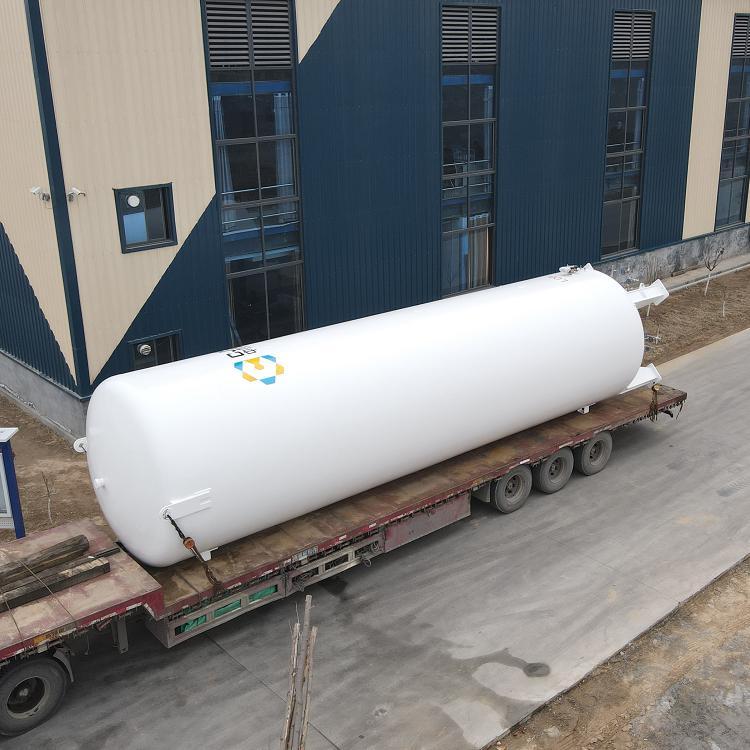
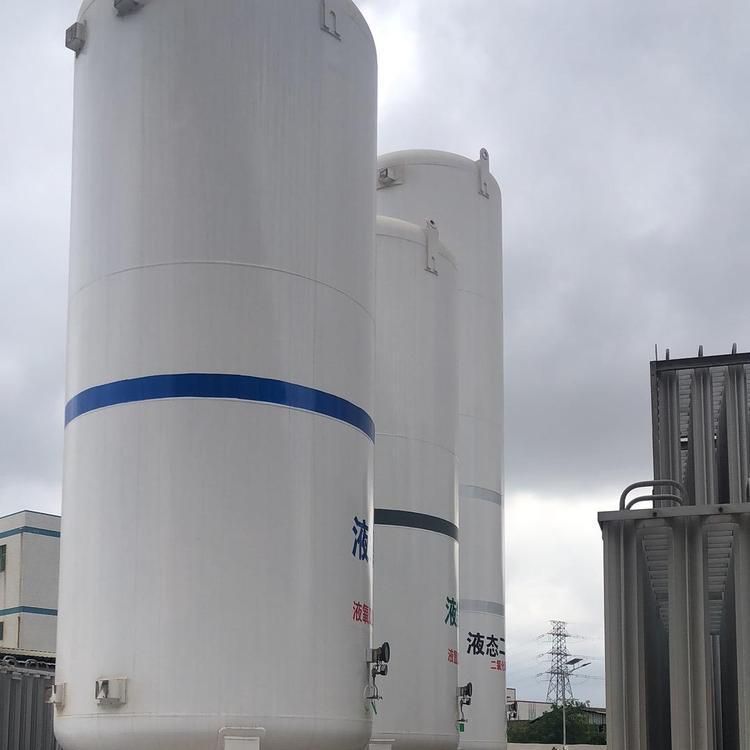
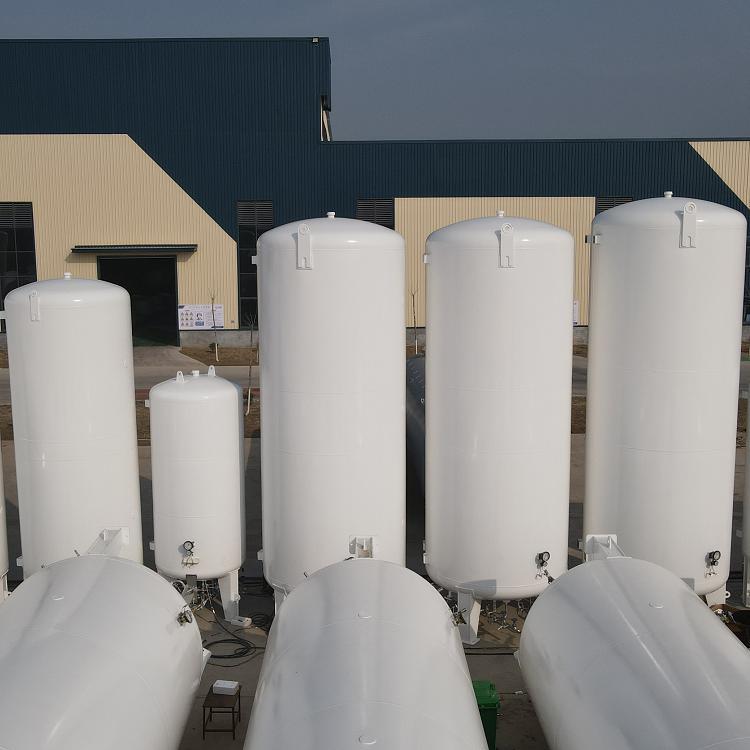
Zhongjie Special Equipment is a company engaged in the manufacturing of low-temperature liquid storage tanks. They offer design, manufacturing, and installation services for low-temperature liquid carbon dioxide storage tanks. Here is a brief introduction to the low-temperature liquid carbon dioxide storage tanks produced by Zhongjie Special Equipment:
Tank Type: The low-temperature liquid carbon dioxide storage tanks made by Zhongjie Special Equipment are typically designed in vertical or horizontal configurations, chosen based on customer needs and site conditions.
Material: The tanks are primarily manufactured using low-temperature steel, offering excellent corrosion and low-temperature resistance.
Insulation: The tanks are internally insulated to minimize heat transfer and liquid evaporation. The insulation is usually a multi-layered structure, including thermal insulation materials and an external protective layer.
Safety Valve and Pressure Relief Device: The tanks are equipped with safety valves and pressure relief devices to control internal tank pressure, preventing overpressure and explosion.
Level Indicator: The tanks are fitted with level indicators for monitoring the liquid level inside, ensuring controlled and managed storage of liquids.
Safety Measures: Zhongjie Special Equipment's low-temperature liquid carbon dioxide storage tanks comply with relevant safety regulations and standards and have implemented various safety measures, such as fire and explosion prevention, leak detection, and alarm systems.
Customized Design: Based on customer requirements and application scenarios, Zhongjie Special Equipment can provide customized design and manufacturing services to meet the specific needs of different customers.
Carbon dioxide has various applications in the new energy field, including the following common uses:
1. Carbon Capture and Storage (CCS): CCS is a technology to reduce carbon dioxide emissions. It involves capturing carbon dioxide from industrial emissions sources and storing it in underground reservoirs to prevent its release into the atmosphere. This helps in reducing greenhouse gas emissions and mitigating climate change.
2. Carbon Utilization: Carbon dioxide can be utilized to produce valuable chemicals and fuels. For example, through carbon dioxide catalytic conversion technology, carbon dioxide can be converted into fuel or chemical raw materials like ethanol. This carbon utilization technology aids in reducing dependence on traditional fossil fuels and promotes sustainable energy development.
3. Carbon Dioxide Batteries: Carbon dioxide batteries are a new battery technology that uses carbon dioxide as the battery's electro material. By converting carbon dioxide into electrical energy, carbon dioxide batteries can serve as a sustainable energy storage solution, promoting the development of electric vehicles and renewable energy.
4. Carbon Dioxide Photocatalysis: Carbon dioxide photocatalysis is a technology that uses solar energy to convert carbon dioxide into useful chemicals. By using photocatalysts, carbon dioxide and water can be transformed into combustible gases or organic compounds, thus achieving the resource utilization of carbon dioxide.
These applications aim to reduce carbon dioxide emissions, improve energy efficiency, and promote the development of sustainable energy. However, these technologies are still in continuous development and research, and further technological breakthroughs and practical verification are needed.
Routine inspections and maintenance of CO2 storage tanks can be conducted following these steps:
- External Inspection: Check for any visible damage, corrosion, or oil leakage on the tank's exterior. Pay attention to any abnormalities in the tank shell, valves, and pipe connections.
- Internal Inspection: If entry into the tank is permitted, perform an internal inspection. Check for corrosion, scale buildup, or blockages in the inner lining, valves, and pipes.
- Valve and Pipe Inspection: Verify that the tank's inlet and outlet valves and pipe connections are functioning normally, with no leaks or loose fittings. Ensure valves operate smoothly and reliably.
- Pressure Relief Device Inspection: Check that the tank's pressure relief devices (e.g., safety valves) are functioning correctly. Confirm that the set pressure of the relief devices meets requirements.
- Measurement and Control System Inspection: Ensure the tank's level, pressure, and temperature measurement and control systems are operating properly. Calibrate and test the accuracy of measuring equipment.
- Cleaning and Drainage: Regularly clean the tank's interior to remove accumulated impurities and sediment. Also, perform regular drainage to remove liquid and gas impurities from the tank.
- Maintenance and Repair: Based on inspection results, carry out necessary maintenance and repair work. Repair damaged components, replace worn-out seals, etc., to ensure the tank operates normally.
- Documentation and Reporting: Record the inspection and maintenance process, including the inspection date, contents, identified issues, and actions taken. Submit inspection reports to relevant departments or management as needed.
These are general steps for routine inspections and maintenance of CO2 storage tanks. Specific operations should be tailored to the tank's characteristics and requirements. When conducting inspections and maintenance, follow relevant safety operating procedures and have personnel perform the operations.
When using carbon dioxide tanks, the following precautions should be taken:
Safety Operation: Prior to operating a carbon dioxide tank, it is essential to be familiar with and adhere to the relevant safety operating procedures and guidelines. Ensure that operators have received necessary training and understand the tank's working principle, operational procedures, and emergency measures.
Tank Inspection: Regularly inspect the external and internal conditions of the carbon dioxide tank, including checking for corrosion, leaks, and welds on the tank walls. If any anomalies or damage are found, take prompt repair or replacement measures.
Tank Pressure Control: Maintain the internal pressure of the tank within a safe range. Monitor and control the tank's pressure to avoid damage or safety risks due to excessive or low pressure.
Fire Prevention Measures: Carbon dioxide is a flammable gas, so fire prevention measures must be observed when using it. Avoid open flame work near the tank and ensure the surrounding environment is free of flames.
Leakage Management: In the event of a carbon dioxide leak, appropriate emergency measures should be taken immediately. Promptly notify relevant personnel, ensure safe evacuation, and take steps to prevent the spread of the leak.
Tank Maintenance: Regularly perform maintenance and care for the tank, including cleaning, lubrication, and corrosion prevention. Follow the manufacturer's recommendations and guidelines to ensure the tank operates normally and has a long service life.
Compliance: Adhere to local regulations, standards, and specifications to ensure that the tank's design, manufacture, installation, and use meet the corresponding requirements.
It is crucial to strictly follow safety operating procedures when using carbon dioxide tanks and to cooperate with relevant personnel to ensure the tank's safety and reliability.
Shandong Zhongjie Special Equipment, welcome customers to our factory for business talks.
WeChat Official Account

Scan to follow Official Account



















