


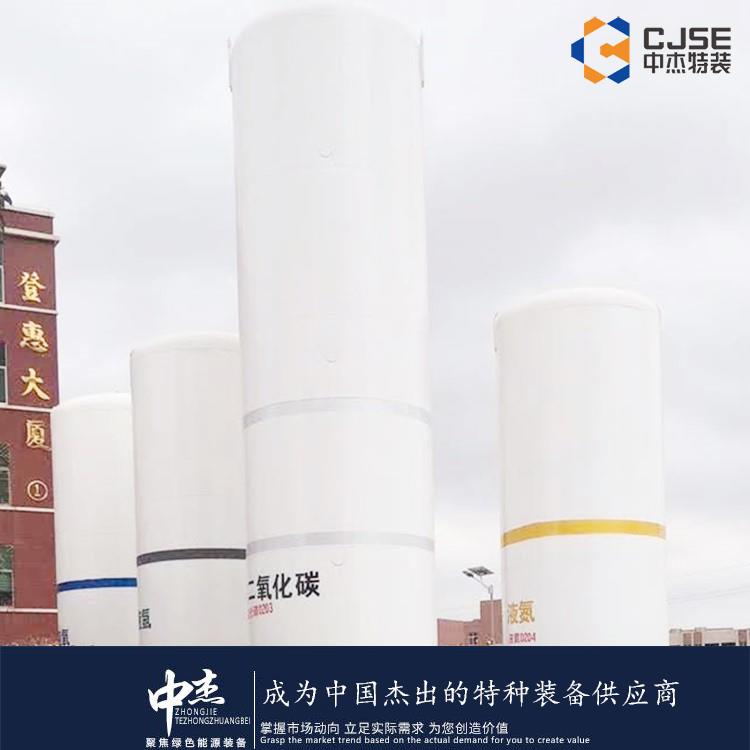

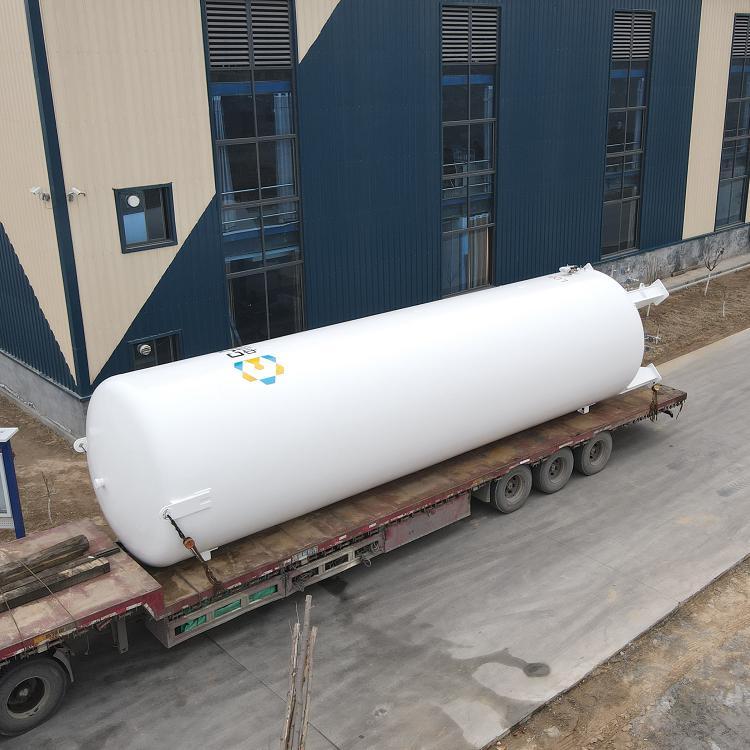
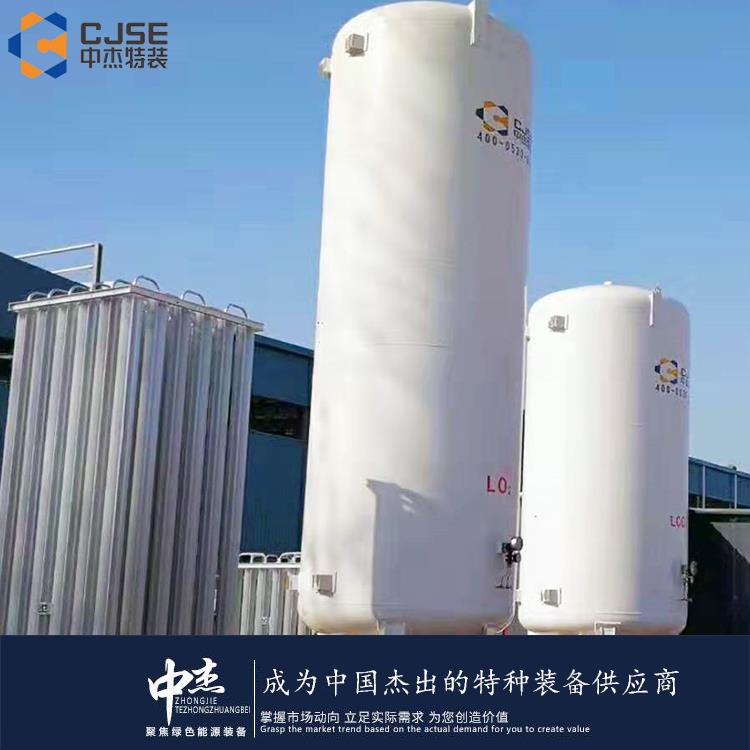


















Shandong Zhongjie Special Equipment (formerly Heze Boiler Factory Co., Ltd.) holds an A-grade boiler manufacturing license, an A2-grade pressure vessel manufacturing license, an A2-grade pressure vessel design license, a B-grade boiler installation license, and GB2/Class, GC2/Class pressure pipeline installation licenses, as well as a mechanical and electrical equipment installation contracting qualification. It is a member of the China Boiler and Water Treatment Association, the China Chemical Equipment Association, and the director unit of the Shandong Equipment Manufacturing Association. The company has also passed the ISO9001 Quality Management System, ISO14001 Environmental Management System, OHSAS18001 Occupational Health and Safety Management System certifications, and the American ASME/U2 certification.
To prevent risks associated with liquid oxygen storage tanks, the following precautions can be taken:
Safety Operations and Management: Establish and enforce stringent safety operations and management systems, including proper use of storage tanks, operational procedures, and safety training. Ensure operators possess the necessary safety awareness and skills, adhere to operational procedures, and minimize the likelihood of operational errors and accidents.
Regular inspections and maintenance: Conduct regular checks and maintenance on liquid oxygen tanks, including visual inspections, pressure tests, and leak detection. Promptly identify and address any issues with the tanks to ensure their safety and reliability.
Safety devices and protective equipment: Tanks should be equipped with necessary safety devices such as pressure relief valves, level alarms, and protective equipment like fire barriers, explosion-proof devices. These devices and equipment can take timely measures during abnormal situations to ensure the safety of the tank.
Fire Prevention Measures: Liquid oxygen contains a high oxygen content, which is prone to causing fires. Therefore, fire prevention measures such as firewalls and fire extinguishers should be set up around the storage tanks to prevent the spread and expansion of fires.
Leakage Control and Emergency Response Plan: Establish a liquid oxygen storage tank leakage control and emergency response plan, including leakage control measures, emergency response procedures, and evacuation plans for personnel. In the event of a leakage incident, the plan allows for prompt actions to control the leak and ensure personnel safety.
Training and Awareness Enhancement: Conduct regular safety training for personnel using liquid oxygen tanks to enhance their safety awareness and emergency response capabilities. Strengthen safety
Low-temperature liquid oxygen storage tanks typically require some safety accessories to ensure safe operation and to address potential risks. The following are some common safety accessories for low-temperature liquid oxygen storage tanks:
Pressure sensor: Used to monitor pressure changes within storage tanks. Should the pressure exceed the set range, it will activate an alarm or automatically stop filling measures to prevent overpressure in the tank.
Safety valve: Used to automatically release gas when the pressure inside the tank exceeds the set value, preventing overpressure. The safety valve should be selected and installed based on the design pressure and capacity of the tank.
Pressure Relief Device: Used to release gas into a safe area when the pressure inside the storage tank is too high, thereby reducing the pressure on the tank. The pressure relief device typically includes relief valves, relief pipes, etc.
Level sensor: Used to monitor the liquid oxygen level changes within the storage tank to ensure an adequate supply of liquid oxygen and prevent overfilling.
Temperature Sensor: Used to monitor temperature changes within storage tanks to ensure the temperature of liquid oxygen inside remains within a safe range.
Fire Detectors and Fire Suppression Systems: Designed to monitor fire risks around storage tanks and activate fire suppression systems as needed to prevent the spread of fire to surrounding areas.
The testing and maintenance procedures for liquid oxygen storage tanks encompass the following aspects:
Visual Inspection: Conduct regular visual inspections of the liquid oxygen storage tank, checking for corrosion, wear, and leakage on the tank surface to ensure the tank's appearance remains intact.
Pressure Testing: Regularly conduct pressure tests on liquid oxygen tanks to verify their pressure-bearing performance. The tests should be carried out according to relevant standards and regulations to ensure the tanks can withstand the designed working pressure.
Leak Detection: Regularly conduct leak detection on liquid oxygen storage tanks, including using leak detection equipment to inspect the tanks, to ensure their good sealing performance and no leakage issues.
Cleanliness and Coating Protection: Regularly clean and coat liquid oxygen tanks to prevent corrosion and oxidation. Use appropriate cleaning agents during cleaning and avoid substances that react with liquid oxygen. Protective coatings or protective agents can be applied for coating protection.
Regular Maintenance: Conduct regular maintenance on liquid oxygen tanks, including inspections and replacements of seals, valves, safety devices, etc., to ensure proper operation and safety.
Safety Training and Operating Procedures: Provide safety training for personnel using liquid oxygen tanks to ensure they are familiar with the safe operating procedures and precautions, preventing operational errors and accidents.
Documentation and Record Management: Establish test and maintenance records for liquid oxygen storage tanks, including test results, maintenance logs, and inspection records, for traceability and management purposes.
It is important to note that the testing and maintenance of liquid oxygen tanks should be conducted by trained personnel, following relevant safety operating procedures and standards. Additionally, a specific testing and maintenance plan should be developed based on the tank's condition and usage requirements, and executed according to the plan.
The liquid oxygen tank possesses the following characteristics:
High Purity: The liquid oxygen tanks store high purity liquid oxygen, typically achieving a purity of over 99.5%. This makes liquid oxygen tanks essential for applications requiring high purity oxygen, such as medical, aerospace, and research fields.
Low Temperature: Liquid oxygen has a boiling point of -183°C, so the liquid oxygen storage tank must have excellent insulation properties to maintain its low temperature. Tanks are typically designed with double or multi-layer structures, filled with insulating material in between to reduce heat transfer and evaporation of the liquid oxygen.
High Pressure: Liquid oxygen tanks typically need to withstand high pressure to maintain their liquid state. The design and material selection of the tank must consider the pressure requirements of liquid oxygen to ensure the tank's safety and reliability.
Flammability: Liquid oxygen is highly flammable and can support combustion. Therefore, fire prevention measures must be taken during the design and use of liquid oxygen storage tanks to ensure no fire sources are present around the tank, and appropriate fire extinguishing equipment is available.
High Density: Liquid oxygen has a higher density than gaseous oxygen, allowing liquid oxygen tanks to store more oxygen. This gives liquid oxygen tanks an advantage in applications requiring large oxygen supplies, such as in the field.
Corrosiveness: Liquid oxygen has certain...
Shandong Zhongjie Special Equipment, welcome customers to our factory for business discussions.
WeChat Official Account

Scan to follow Official Account



















