


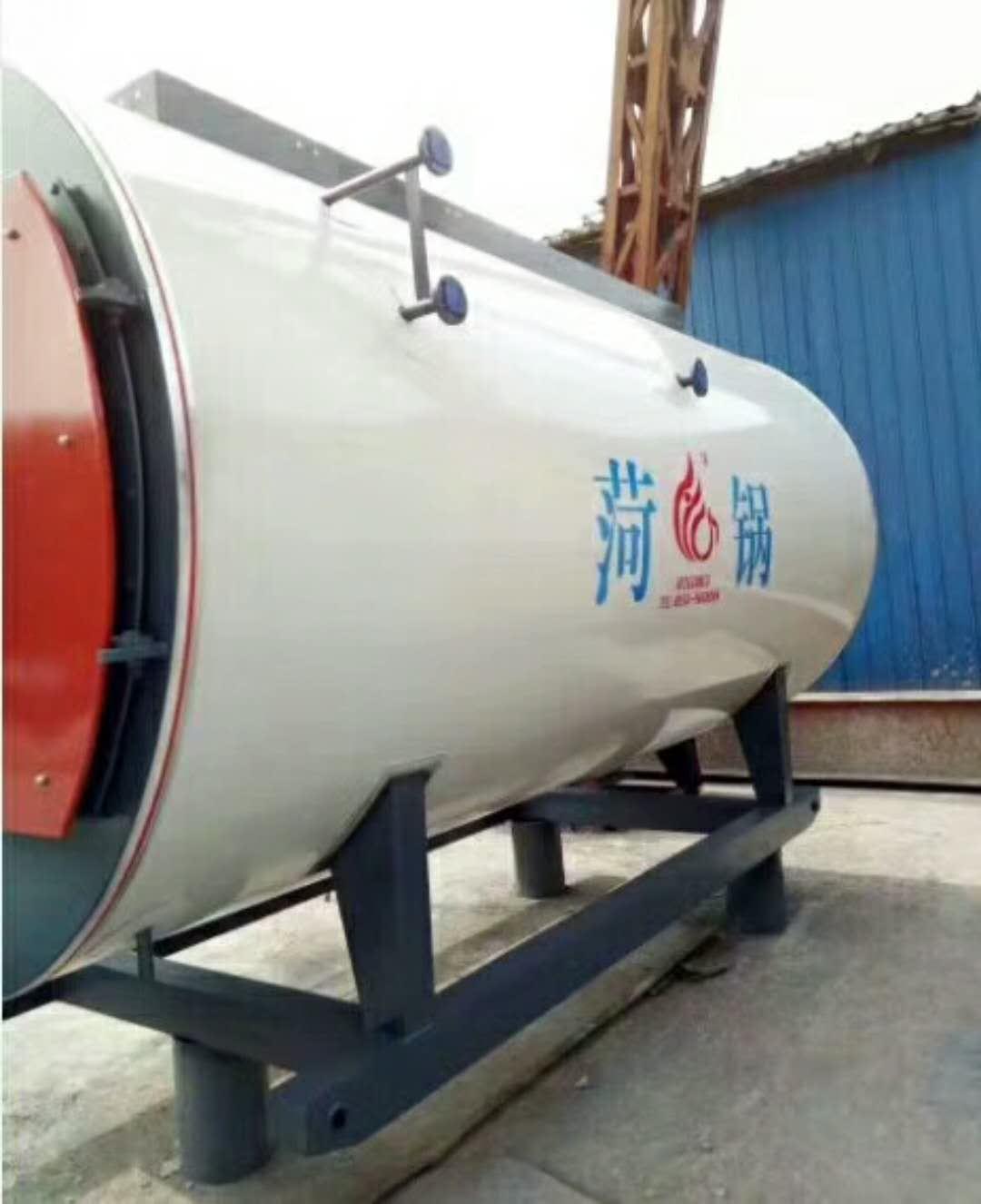

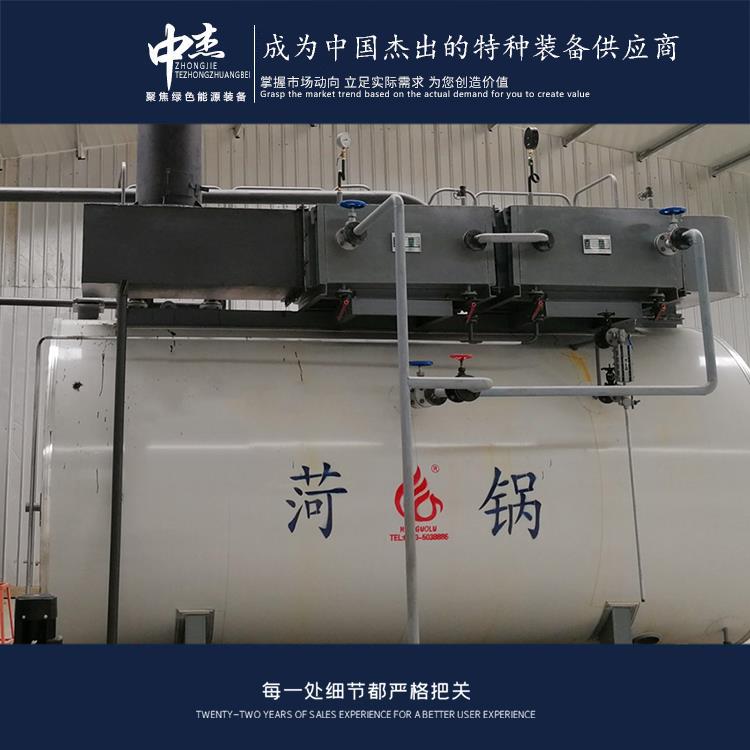
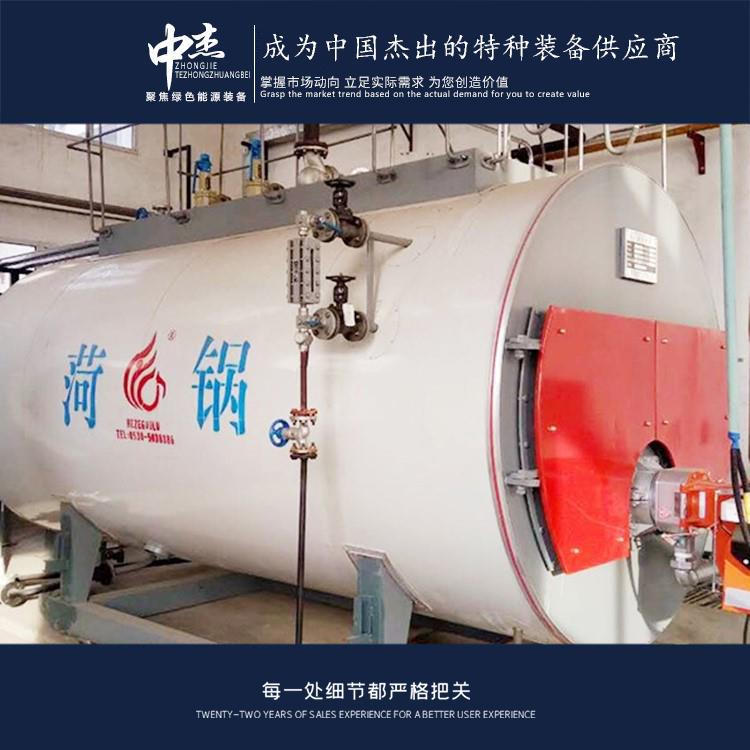


















Shandong Zhongjie Special Equipment (formerly Heze Boiler Factory Co., Ltd.) was established in 2001, located at No. 2218 Jinnan Road, Development Zone, Heze City, with a registered capital of 50 million yuan and total assets of 500 million yuan. The company has 7 business centers: boilers, deep-freeze containers, pressure vessels, central air conditioning, engineering installation, international trade, and Internet of Things. It has three factory sites on Jinnan Road, East Changjiang Road, and Bohai Road, covering a total of 200,000 square meters, with the main workshop spanning 83,000 square meters. It currently employs 710 people, including 247 engineers and technicians, and 82 intermediate-level technicians. In December 2016, it was recognized as a "High-tech Enterprise" by the Science and Technology Department. In June 2021, it was identified as a "Specialized and New Enterprise in Shandong Province" by the Ministry of Industry and Information Technology. In June 2022, it was recognized as a "Gazelle Enterprise in Shandong Province" and in August 2022, it was identified as a "Specialized and New Small Giant Enterprise" by the Ministry of Industry and Information Technology.
Proper selection of a thermal oil heater requires considering the following aspects:
1. Heat Load Requirement: First, determine the required heat load for the thermal oil heater, which is the heat energy needed. Establish the rated power and heat load range of the heater based on actual needs to ensure it can meet the required heat supply.
2. Operating Temperature and Pressure: The operating temperature and pressure range of the thermal oil heater must match the actual application scenario. Choose the appropriate temperature and pressure range based on process requirements and working environment to ensure stable operation of the heater.
3. Thermal Oil Type: Select the appropriate type of thermal oil based on process requirements and working environment. Common types include silicone thermal oil, organic thermal oil, and mineral oil thermal oil, each with different operating temperature ranges and performance characteristics. Choose according to actual needs.
4. Equipment Quality and Reputation: Choose a supplier with a good reputation and quality thermal oil heaters. Ensure the manufacturing process and material quality of the heater are reliable, providing stable and reliable performance and after-sales service.
5. Safety and Environmental Protection: The safety and environmental protection of the thermal oil heater are important considerations. Select a heater with safety protection devices and environmental certifications to ensure safety for personnel and equipment during operation.
6. Cost-effectiveness and Energy Efficiency: Consider the cost-effectiveness and energy efficiency of the thermal oil heater. Choose a heater with high energy efficiency and energy-saving features to reduce energy consumption and operating costs.
By considering these factors and selecting an appropriate thermal oil heater based on actual needs, you can ensure the stable operation of the equipment.
In industrial boiler systems, the key functional parameters of pumps include the following aspects:
- Flow Rate: The flow rate of a pump refers to the volume of liquid pumped per unit of time. In industrial boilers, the pump must provide sufficient flow rate to meet the boiler's water demands. The flow rate size depends on the boiler's rated evaporation capacity and the design requirements of the circulating water system.
- Head: The head of a pump refers to its ability to overcome liquid resistance and lift the liquid to a certain height. In industrial boilers, the pump must have adequate head to ensure smooth flow to all parts of the boiler, including the feedwater and circulating water systems.
- Power: The power of a pump is the electrical or mechanical energy required to drive the pump. In industrial boilers, the power of the pump needs to be determined based on the flow rate and head to meet the system's requirements.
- Efficiency: The efficiency of a pump is the ratio of the input energy to the output fluid energy. Efficient pumps can reduce energy consumption and operating costs. In industrial boilers, selecting high-efficiency pumps can improve the system's energy efficiency performance.
- Operating Stability and Reliability: Pumps in industrial boiler systems must have good operating stability and reliability. They should be able to run stably for long periods without being affected by external disturbances or fluctuations and should be adaptable to different operating conditions.
- It is necessary to select the appropriate pump based on the specific industrial boiler system and design requirements, ensuring that the pump's functional parameters meet the system's needs. At the same time, the selection and operation of the pump should comply with relevant standards and specifications to ensure safe and reliable operation.
When selecting a steam boiler, several key factors should be taken into account:
- Steam Demand: First, determine the steam requirements of the factory or project, including steam pressure, flow rate, and quality. Choose the appropriate boiler model and specifications based on actual needs to ensure they meet process and production requirements.
- Boiler Type: There are various types of steam boilers, such as fire-tube boilers, water-tube boilers, and gas boilers. Select the suitable boiler type based on the factory's specific conditions and needs. Also, consider the fuel type of the boiler, such as coal, gas, or biomass, to choose a fuel type that aligns with the factory's energy supply and environmental protection requirements.
- Boiler Efficiency: The efficiency of the boiler directly affects energy utilization and operating costs. Understand the boiler's thermal and combustion efficiency, and choose a high-efficiency steam boiler to reduce energy consumption and operating costs.
- Quality and Reputation: Choose a supplier with a good reputation to ensure the quality and reliability of the steam boiler. Refer to customer reviews, industry certifications, and ratings to understand the supplier's reputation and product quality.
- Technical Support and After-Sales Service: Select a supplier that offers comprehensive technical support and after-sales service. Ensure the supplier can provide installation guidance, training, maintenance, and troubleshooting support to ensure the normal operation and maintenance of the steam boiler.
- Cost and Budget: Finally, select a steam boiler that fits within your budget and economic considerations. Consider the purchase cost, operating cost, and maintenance cost to choose a steam boiler with a high cost-performance ratio.
It's important to note that the above factors are just some of the key considerations when purchasing a steam boiler. The specific selection should be determined based on the factory's actual conditions and needs. It is recommended to communicate and compare with multiple suppliers to gather more information and advice for an informed decision.
The main benefits of installing expansion grooves in a thermal oil furnace are as follows:
- Alleviate thermal expansion and contraction: During the operation of a thermal oil furnace, temperature changes can cause thermal expansion and contraction of the thermal oil. The expansion grooves provide space for the thermal oil to expand, mitigating the impact of thermal expansion and contraction on equipment and pipelines, and preventing stress concentration and equipment deformation caused by thermal expansion and contraction.
- Protect equipment and pipelines: The expansion grooves can absorb the expansion and contraction of the thermal oil, reducing the shock and vibration on equipment and pipelines. This helps extend the service life of equipment and pipelines, and decrease the frequency of maintenance and replacement.
- Reduce leakage risk: The expansion grooves provide a sealed space, reducing the risk of thermal oil leakage. When the thermal oil expands, excess oil can be accommodated through the expansion grooves, preventing leakage and environmental pollution.
- Facilitate maintenance and inspection: The presence of expansion grooves makes maintenance and inspection of the thermal oil furnace system easier. When equipment or pipelines need to be repaired or replaced, the flow and shutdown of the thermal oil can be controlled through the expansion grooves, reducing downtime and the difficulty of maintenance.
- In summary, the expansion grooves in the thermal oil furnace system play a role in alleviating thermal expansion and contraction, protecting equipment and pipelines, reducing leakage risk, and facilitating maintenance and inspection. They are an important design element that contributes to the safety and reliability of the thermal oil furnace system.
Our company highly values technological innovation and R&D, boasting one municipal-level enterprise technology center in Heze City. We have established testing facilities for non-destructive testing, physical and chemical testing, welding testing, hydrostatic testing, etc., and are equipped with over 600 instruments and equipment, including CNC machine tools, X-ray flaw detectors, digital ultrasonic flaw detectors, mechanical property testing machines, chemical analyzers, spectrometers, tensile testing machines, plasma welding machines, and more. The key products we have developed, such as temperature and pressure vessel welding, biomass boiler emission reduction, and waste heat recovery, have successively been included in multiple Shandong Provincial Department of Industry and Information Technology science and technology projects, key provincial projects, and Heze City innovative and excellent projects. We have accumulated a total of 27 authorized utility models, 16 authorized inventions, participated in drafting 2 standards, 2 industry standards, and registered 15 trademarks. Our technical team, in collaboration with Professor Li Yajiang of Shandong University, has developed deep cryogenic container processing technology using the internationally recognized plasma arc + wire filling tungsten inert gas arc welding (PAW-GTAW) technology. This technology has been appraised as reaching international standards in the field of deep cryogenic container manufacturing at the provincial level.
Choose ZJET for customized solutions, let's create brilliance together!
WeChat Official Account

Scan to follow Official Account



















