



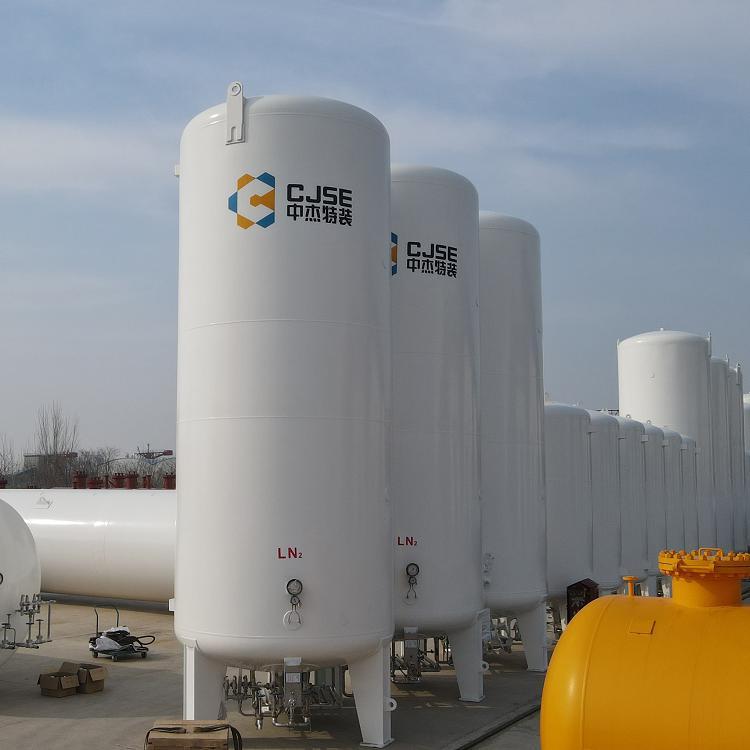
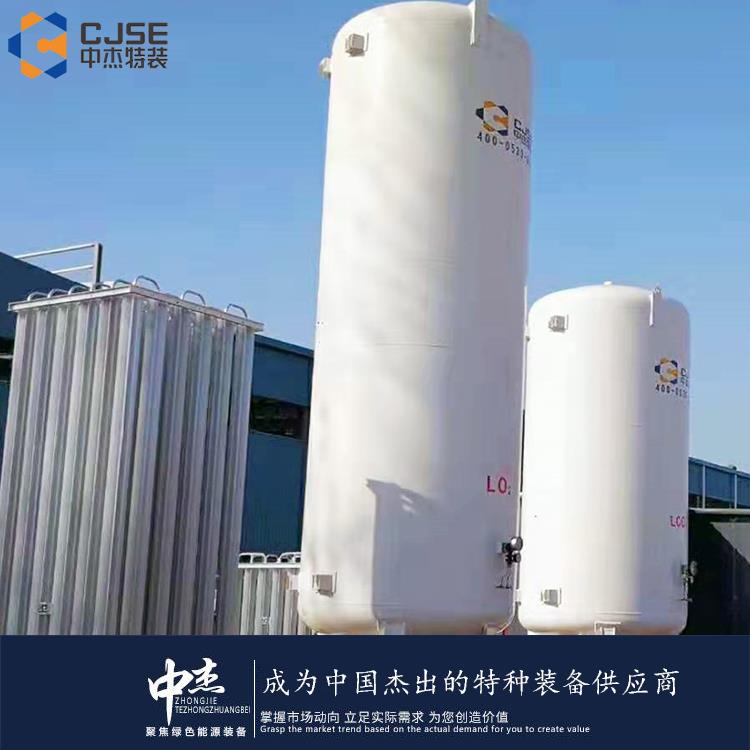


















Shandong Zhongjie Special Equipment (formerly Heze Boiler Factory Co., Ltd.) was established in 2001, located at No. 2218 Jinnan Road, Development Zone, Heze City, with a registered capital of 50 million yuan and total assets of 500 million yuan. The company has 7 business centers: boilers, deep-freezing containers, pressure vessels, central air conditioning, engineering installation, international trade, and Internet of Things. It has three factory sites on Jinnan Road, East Changjiang Road, and Bohai Road, covering a total of 200,000 square meters, with the main workshop spanning 83,000 square meters. It currently employs 710 people, including 247 engineers and technicians and 82 intermediate-level technicians. In December 2016, it was recognized as a "High-tech Enterprise" by the Science and Technology Department. In June 2021, it was identified as a "Specialized and New Enterprise in Shandong Province" by the Ministry of Industry and Information Technology. In June 2022, it was recognized as a "Gazelle Enterprise in Shandong Province" and in August 2022, it was identified as a "Specialized and New Small Giant Enterprise" by the Ministry of Industry and Information Technology.
The temperature difference between the interior and exterior of a low-temperature liquid storage tank depends on various factors, including the tank's design, insulation properties, the temperature of the liquid, and the ambient temperature. Generally, the interior temperature of a low-temperature liquid storage tank is much lower than the ambient temperature.
Low-temperature liquid storage tanks are commonly used for storing liquefied nitrogen, oxygen, argon, and other low-temperature liquids. These liquids have very low boiling points, usually below -100 degrees Celsius. To maintain the low temperature of the liquids, the tanks must have excellent insulation to minimize heat transfer and evaporation loss.
Low-temperature liquid storage tanks typically offer lower temperature variations. Generally, the internal temperature of the tank can be maintained near the boiling point of the liquid, usually several tens of degrees Celsius lower than the ambient temperature. The specific temperature difference depends on the tank's design and insulation properties, as well as the characteristics of the liquid.
Note that the temperature differences in low-temperature liquid storage tanks may change over time. As time progresses, the insulating material's performance may be affected by wear or aging, leading to increased temperature differences. Therefore, regular inspection and maintenance of the tank's insulation are crucial to ensure its effective and stable insulating performance.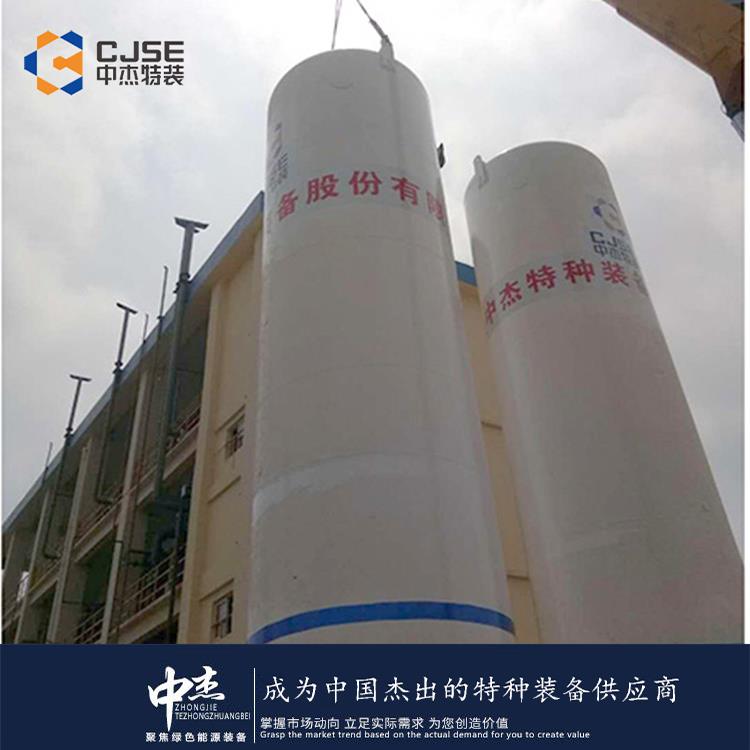
When first using a liquid nitrogen tank, there are some precautions to consider for safe and efficient operation. Here are some suggested precautions:
Safe Operation: Liquid nitrogen is a low-temperature liquid with strong refrigerating and asphyxiating effects. When handling liquid nitrogen tanks, it is mandatory to wear appropriate personal protective equipment, such as insulated gloves and protective suits. Avoid direct contact with liquid nitrogen to prevent injury or other harm.
Ventilation Environment: Liquid nitrogen, upon evaporation, produces a substantial amount of gas that may displace other gases, leading to a decrease in oxygen content in the air. Therefore, when using liquid nitrogen tanks, it is essential to ensure proper ventilation in the operating area to prevent oxygen deficiency.
Tank Inspection: Before first use of the liquid nitrogen tank, a thorough visual and seal inspection is required. Ensure there are no visible damages, leaks, or other safety hazards. If any issues are found, they should be addressed promptly by repairing or replacing the tank.
Tank Filling: Prior to the first use of a liquid nitrogen tank, it must be filled with liquid nitrogen. During the filling process, follow the correct operational steps and safety protocols to ensure a safe and reliable filling. Additionally, pay attention to controlling the filling speed and pressure to avoid excessive tank pressure and temperature rise.
Labeling and Record Keeping: Prior to the initial use of the liquid nitrogen tank, relevant information should be labeled on the tank, such as the storage medium, capacity, manufacturing date, etc. It is also recommended to establish a tank usage record, including filling dates, filling quantities, usage details, etc., for future tracking and management.
Note that the use of liquid nitrogen tanks involves safety risks such as low temperatures and high pressures. Operators should receive training and strictly adhere to the relevant operational procedures and safety measures. If unfamiliar with the operation or have any doubts, it is recommended to consult with individuals or relevant institutions for guidance.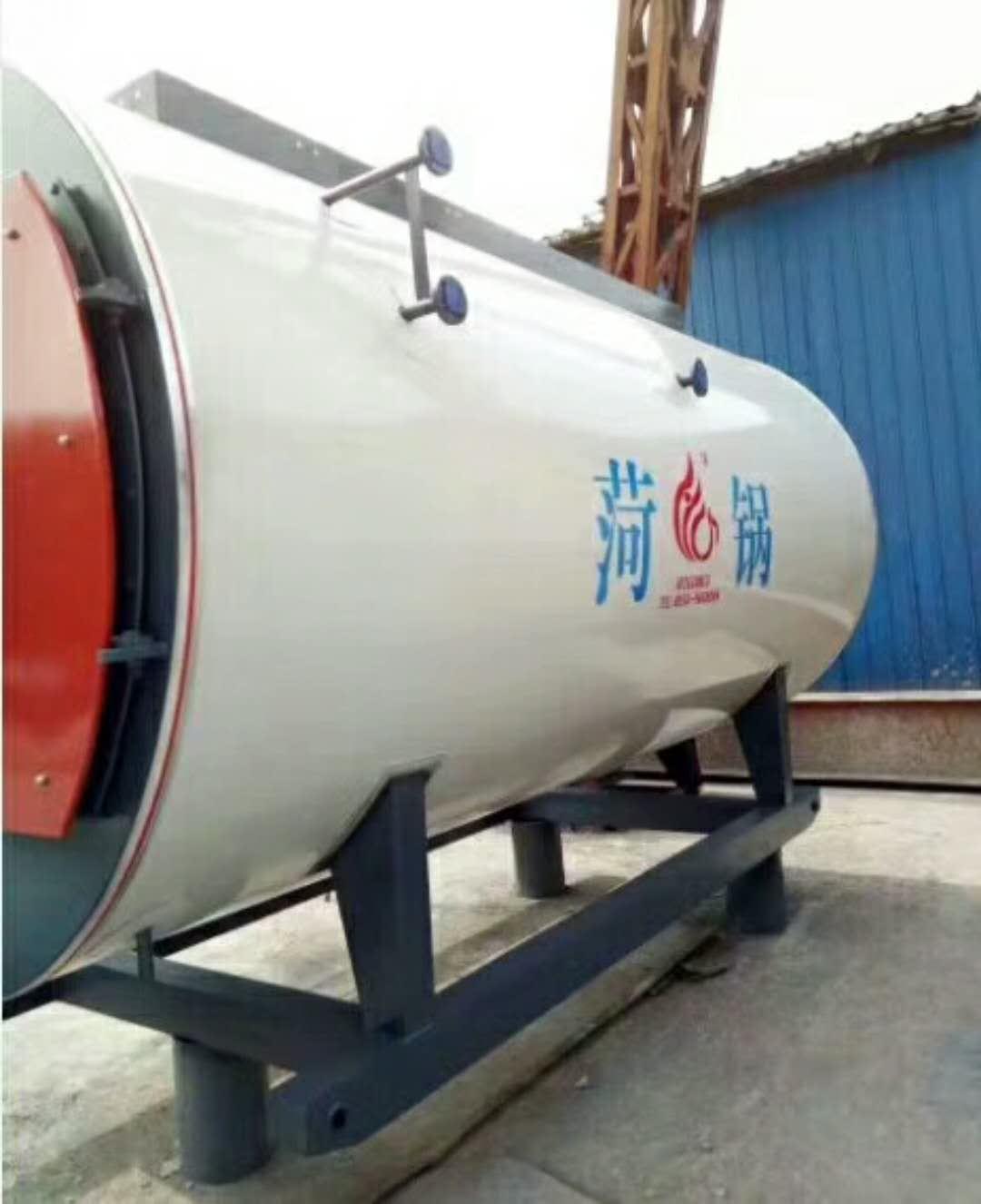
Possible reasons for increased liquid nitrogen loss in storage tanks may include:
Evaporation Loss: Liquid nitrogen is a low-temperature liquid with a boiling point of -196 degrees Celsius. Even under good insulation conditions, liquid nitrogen will evaporate. Therefore, the main liquid loss in liquid nitrogen tanks is due to evaporation. If the insulation layer of the tank is damaged or the insulation performance is poor, the evaporation loss will increase.
Leakage: Leaks in liquid nitrogen tanks can also lead to increased liquid loss. Leaks may occur at the tank's interfaces, valves, pipes, and other parts. Leaks can be caused by equipment aging, material fatigue, improper operation, and other reasons.
Improper operation: Incorrect handling and maintenance can also lead to increased liquid nitrogen loss in the storage tank. For example, frequently opening the tank's lid, leaving the lid open for extended periods, and failing to repair leaks in a timely manner.
Environmental Factors: Environmental factors can also affect the liquid nitrogen tank's liquid loss. For instance, high temperatures can reduce the tank's insulating performance, thereby increasing evaporation loss.
To minimize liquid nitrogen tank losses, the following measures can be taken:
Ensure the tank's insulation is intact and perform regular inspections and maintenance.
Regularly inspect the tank's interfaces, valves, pipes, and other components to ensure good sealing performance and prevent leaks.
Strictly control the frequency and duration of tank openings to prevent unnecessary liquid evaporation.
Avoid using liquid nitrogen tanks in high-temperature environments, or take cooling measures to maintain a low surrounding environment temperature.
It's important to note that liquid nitrogen storage tank liquid loss is unavoidable, but it can be minimized through reasonable operation and maintenance.
The stable pressure design of a 15 cubic meter liquid argon storage tank requires consideration of the following aspects:
Tank Pressure: Determine the design pressure of the tank to meet the storage and supply requirements for liquid argon. Establish an appropriate design pressure range based on the properties and operating conditions of liquid argon.
Stabilization System: Choose an appropriate stabilization system to maintain stable pressure within the storage tank. The stabilization system typically includes components such as pressure regulators, pressure sensors, and control valves, which are used to monitor and adjust the pressure inside the tank.
Pressure Sensor: Install a pressure sensor to monitor the pressure changes inside the storage tank in real-time. The sensor transmits pressure signals to the pressure regulation system, allowing for timely adjustment of the control valve to maintain stable pressure within the tank.
Control Valve: Select a suitable control valve for regulating the gas flow and pressure within the storage tank. The control valve should possess excellent regulating performance and stability to ensure that the pressure within the tank remains within the set range.
Safety Valve: Install a safety valve to automatically release gas when the pressure inside the storage tank exceeds the set value, preventing overpressure. The safety valve should be selected and installed based on the design pressure and capacity of the storage tank.
Voltage Stabilization System Control: Equipped with a suitable control system for monitoring and regulating the operation of the voltage stabilization system. The control system enables automatic adjustments and alarm functions to ensure stable and safe pressure within the storage tank.
Be mindful that the voltage regulation design should be tailored to the specific engineering requirements and usage conditions of the liquid argon storage tank, adhering to relevant local laws, regulations, and standards. When designing and installing the voltage regulation system, it's advisable to consult with an engineer or relevant institution for guidance to ensure the reliability and safety of the system.
Shandong Zhongjie Special Equipment, welcome customers to our factory for business discussions.
WeChat Official Account

Scan to follow Official Account



















