


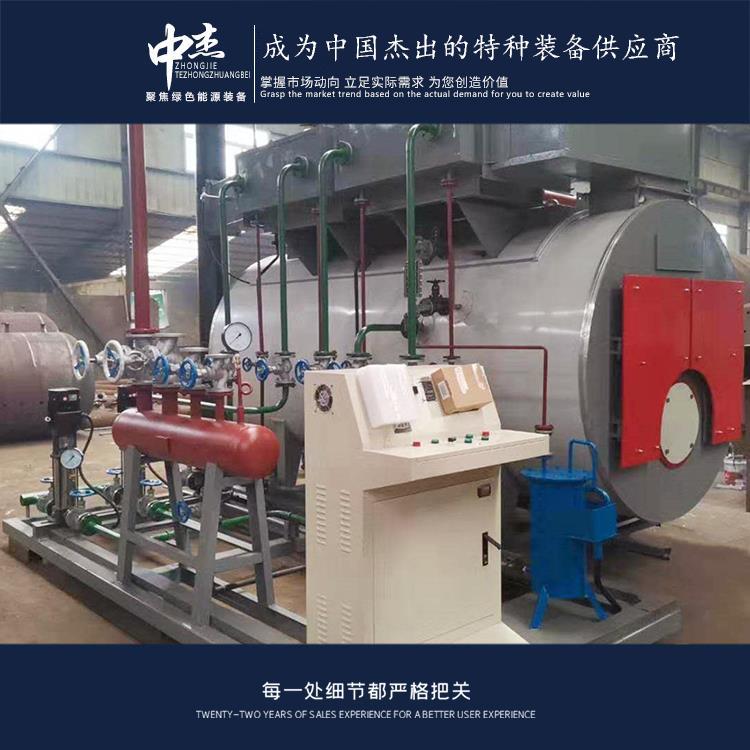

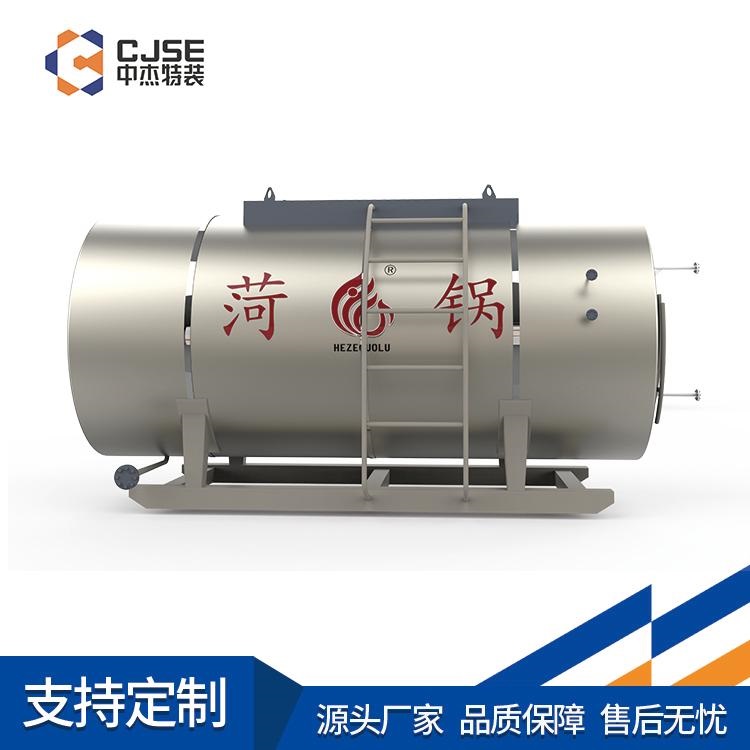
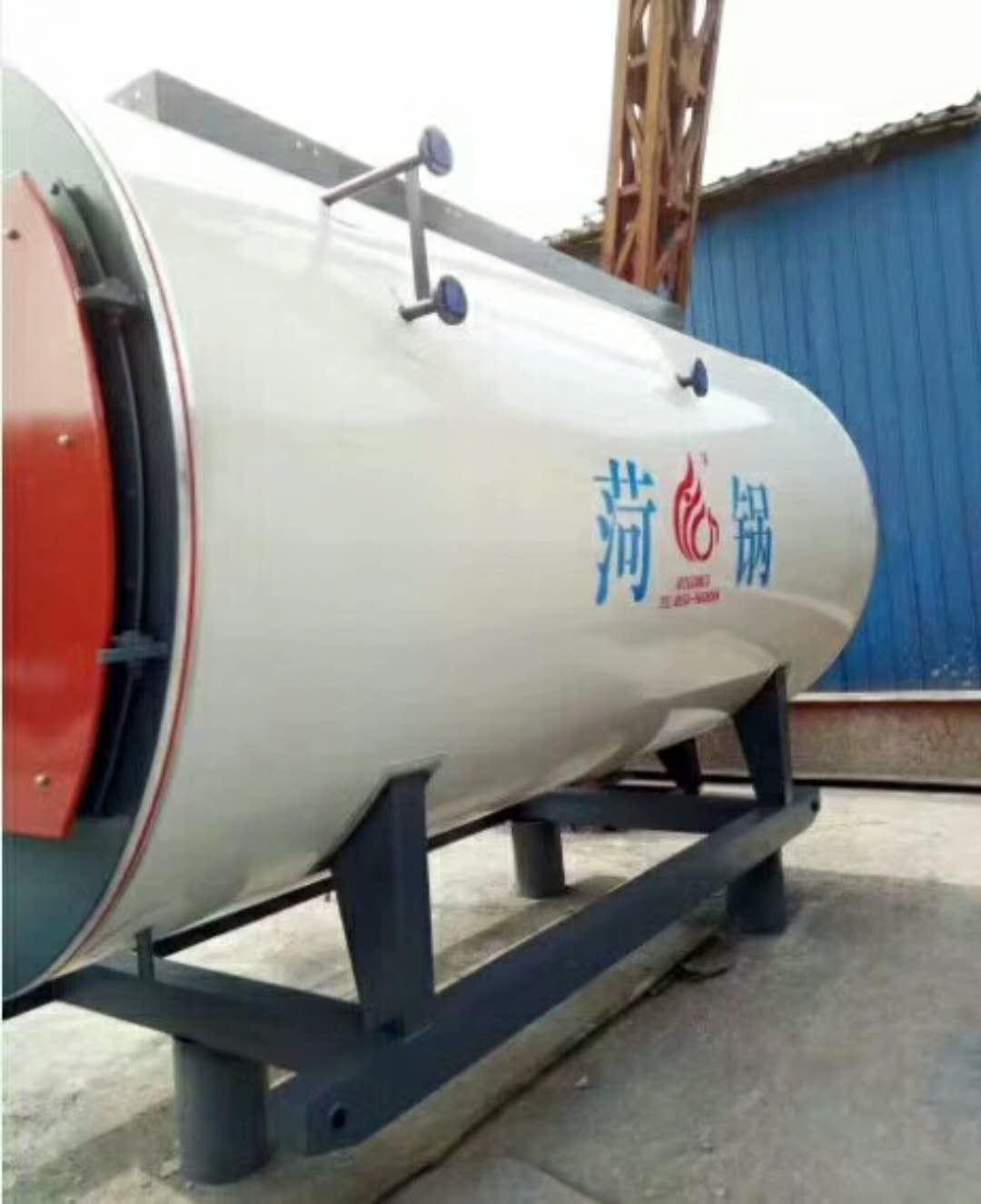


















Shandong Zhongjie Special Equipment (formerly Heze Boiler Factory Co., Ltd.) holds an A-grade boiler manufacturing license, an A2-grade pressure vessel manufacturing license, an A2-grade pressure vessel design license, a B-grade boiler installation license, and GB2/Class, GC2/Class pressure pipeline installation licenses, as well as a mechanical and electrical equipment installation contracting qualification. It is a member of the China Boiler and Water Treatment Association, the China Chemical Equipment Association, and the council member of the Shandong Equipment Manufacturing Association. The company has also passed the ISO9001 Quality Management System, ISO14001 Environmental Management System, OHSAS18001 Occupational Health and Safety Management System certifications, and the American ASME/U2 certification.
Excessive exhaust gas temperature in a thermal oil boiler may be due to several reasons:
- Incomplete combustion: If the fuel is not burned completely during the combustion process of the thermal oil boiler, it leads to a high concentration of unburned fuel and harmful substances in the flue gas, causing the exhaust gas temperature to rise. Possible causes include insufficient fuel supply, improper adjustment of the burner, and burner wear.
- Excessive air: An excess of air can lower the combustion temperature, making the heat in the flue gas insufficient to reduce the flue gas temperature to a reasonable range. Possible reasons include improper burner adjustment and excessively open air doors.
- Flue blockage: Accumulated ash, coking, or other impurities in the flue can obstruct the flow of flue gas, increasing the residence time of the flue gas and raising the exhaust gas temperature.
- Abnormal thermal oil flow: Abnormal thermal oil flow, whether too high or too low, can lead to uneven heat transfer, causing the flue gas temperature to rise.
- Overheating of the boiler: If the temperature control of the thermal oil boiler is not properly managed, leading to overheating, it can raise the exhaust gas temperature.
- Design issues of the boiler: Design problems such as a small flue or poor flue gas flow may also result in excessively high exhaust gas temperatures.
To address the issue of high exhaust gas temperature, a comprehensive inspection and analysis of the thermal oil boiler is required. Solutions may include adjusting burner parameters, cleaning the flue, checking thermal oil flow and temperature control. In severe cases, modifications or repairs to the boiler system may be necessary. Additionally, regular maintenance and inspections are crucial preventive measures against high exhaust gas temperatures.
The management system for gas thermal oil furnace equipment incidents primarily includes the following aspects:
1. Equipment Safety Management System: Establish and improve the safety management system for gas thermal oil furnace equipment, clarify responsibilities and authorities, and ensure the safe operation of the equipment. This includes equipment safety operation procedures, emergency response plans for accidents, and equipment inspection and maintenance schedules.
2. Equipment Maintenance Management System: Establish an equipment maintenance management system, clarifying maintenance responsibilities and plans. This includes regular equipment inspections, maintenance, and repairs to ensure the normal and safe operation of the equipment.
3. Equipment Operation Management System: Establish an equipment operation management system, clarifying operation procedures and requirements. This includes start-up, shutdown, adjustment, and monitoring processes to ensure the safety and operation of the equipment.
4. Equipment Accident Management System: Establish an equipment accident management system, clarifying procedures for reporting, investigating, and handling accidents. This includes requirements for reporting equipment accidents, responsibility追究, analysis of accident causes, and improvement measures to reduce accidents and minimize losses.
5. Equipment Training and Assessment System: Establish a training and assessment system for equipment operators to ensure they possess the necessary skills and knowledge. This includes equipment operation training, safety training, and technical training, along with regular assessments and evaluations of operators.
6. Equipment Record and Management System: Establish a system for equipment records and management, documenting equipment operation, maintenance records, and accident records. This includes equipment record management, filling and preserving maintenance records, and organizing and analyzing accident records for equipment management and issue tracing.
The above are some basic contents of the management system for gas thermal oil furnace equipment incidents. Specific management systems should be formulated and improved based on actual conditions. At the same time, relevant laws, regulations, and standards must be followed to ensure the safety and environmental performance of the equipment.
Before starting the heating gas hot water boiler, the following correct procedures must be followed:
- Check the gas supply system: Ensure the gas supply system is operating normally, inspect gas pipes, valves, and pressure regulators, ensuring there are no leaks or blockages in the gas supply.
- Check the water system: Inspect the water circulation system of the heating system, including pumps, valves, and pipes, ensuring the waterway is clear, with no leaks or blockages.
- Check the electrical system: Inspect the boiler's electrical system, including power connections, controllers, and sensors, ensuring electrical equipment operates correctly.
- Check the safety devices: Inspect the boiler's safety devices, including safety valves, pressure switches, and water level controllers, ensuring they are functioning properly to ensure safe boiler operation.
- Prepare for ignition: According to the boiler's operating instructions, prepare the tools and equipment required for ignition, including an igniter, ignition electrode, etc.
- Open the gas valve: Gradually open the gas valve to ensure a steady gas supply, avoiding gas surges.
- Ignition start-up: Follow the boiler's operating instructions for ignition start-up. Perform the appropriate operations based on the boiler model and control system to ensure smooth ignition.
- Monitor operating status: After start-up, closely monitor the boiler's operating status, including combustion, water level, and pressure, ensuring normal operation with no anomalies.
- Adjust parameters: Adjust the boiler's parameters as needed, including temperature, pressure, and water level, to meet the requirements of the heating system.
- Regular maintenance: After start-up, perform regular maintenance, including cleaning the burner, checking water level and pressure, and replacing worn parts, to ensure normal and safe operation of the boiler.
- It is recommended to refer to the boiler's operating manual and manufacturer's guidelines before starting the heating gas hot water boiler to ensure correct and safe operation. If necessary, request personnel for operation and maintenance.
For the maintenance of industrial gas-fired boilers, here are some common methods and precautions:
- Clean the burner: Regularly clean the interior and nozzle of the burner to ensure normal combustion of gas, avoiding carbon buildup and blockages.
- Inspect the gas supply system: Regularly check the gas supply system, including gas pipes, valves, and pressure regulators, to ensure normal supply, no leaks, or blockages.
- Clean the flue and heat exchanger: Regularly clean the flue and heat exchanger to remove dust and dirt, maintain heat exchange efficiency, and avoid overheating and energy loss.
- Check water level and pressure: Regularly inspect the boiler's water level and pressure to ensure safe operation within the designated range. Top up water and adjust pressure to avoid issues caused by low or high water levels.
- Inspect safety devices: Regularly check the boiler's safety devices, including safety valves, pressure switches, and water level controllers, to ensure proper functioning and safe operation.
- Check the control system: Regularly inspect the boiler's control system, including automatic controllers, sensors, and gauges, to ensure accuracy and reliability, and to promptly detect and repair faults.
- Scheduled maintenance: Regularly perform maintenance, including lubricating parts, replacing worn components, and checking electrical connections, to extend the boiler's lifespan and stability.
- Keep records: Record the boiler's operating parameters, maintenance records, and fault situations to help identify problems and analyze operational conditions.
- Train operators: Ensure operators have sufficient
ZJ Special Equipment adheres to the grand vision of "realizing employees' dreams, creating value for customers, and striving for the prosperity and strength of our motherland," and is dedicated to the development of the green energy equipment industry. We commit to society with high-quality products and services at competitive prices!
WeChat Official Account

Scan to follow Official Account



















